Winter-Proofing Your Hardwood Floors in Chattanooga & North Georgia
Chattanooga winters can be tough on your hardwood floors. Between the dry indoor air from heating systems and the dampness from outside, your wood floors go through a lot. Keeping them looking good and lasting a long time takes a little effort. This guide will walk you through how to handle winter hardwood floor care in Chattanooga so your floors stay beautiful all season.
Key Takeaways
- Winter's temperature changes and humidity swings can make hardwood floors expand and contract, leading to gaps or damage.
- Consistent indoor humidity is important for preventing wood movement and keeping floors looking their best.
- Protecting your floors from wet shoes and de-icing chemicals is a must during Chattanooga's wet winters.
- Regular cleaning and using mats at entryways help keep winter dirt and moisture from harming your wood.
- Checking your floors before and after winter, and knowing when to get professional help, keeps them healthy long-term.
Understanding Winter's Impact on Chattanooga Hardwood
Chattanooga winters can be tough on hardwood floors. The weather here swings quite a bit, and that's not great for wood. You know how wood expands when it's damp and shrinks when it's dry? Well, our local climate really puts that to the test.
Humidity Fluctuations and Wood Expansion
When the air gets really humid, like after a rainy spell or if you're running a humidifier, your hardwood floors soak up that moisture. This causes the wood planks to swell up. It might not seem like a big deal, but over time, this constant expanding and contracting can weaken the wood and the finish. It's like a muscle getting stretched and relaxed over and over – eventually, it loses some of its strength.
Temperature Swings and Floor Gaps
On the flip side, when the heat kicks on and dries out the air, the wood planks shrink. This is especially noticeable during those cold snaps when your heating system is working overtime. You might start seeing small gaps appear between your floorboards. These gaps aren't just unsightly; they can also collect dust and debris, making cleaning a real chore.
Salt and De-icing Chemical Damage
Walking in from the cold often means tracking in more than just water. Salt and other de-icing chemicals used on our sidewalks and roads can be really harsh on your hardwood floors. These substances can:
- Discolor the wood finish.
- Leave behind a sticky residue that attracts more dirt.
- Eventually, eat away at the protective coating on your floors.
It's easy to forget about the salt on your shoes when you're just trying to get inside and warm. But that stuff is like sandpaper and acid for your wood floors if left untreated. A quick wipe of your shoes at the door can save you a lot of headaches later on.
So, keeping an eye on humidity, managing temperature changes, and being mindful of what you track inside are all pretty important steps to take when winter rolls around in our area.
Essential Winter Hardwood Floor Care in Chattanooga
Winter in Chattanooga and North Georgia can be tough on your hardwood floors. The cold air outside and the dry heat inside create a tricky environment. Keeping your floors looking good means being a bit proactive. It’s not rocket science, but it does take some attention.
Maintain Consistent Indoor Humidity Levels
This is probably the biggest thing you can do. When the air inside gets too dry, wood shrinks. This causes those annoying gaps to appear between your floorboards. Too much humidity, and the wood swells, which can also cause problems. Aim for a humidity level between 35% and 55%. A hygrometer can help you keep track, and a humidifier can add moisture when needed. If you're unsure about managing your home's humidity, you can always consult a professional for advice on humidifiers or dehumidifiers.
The constant back-and-forth between dry indoor air and more humid outdoor air during winter is what really stresses out hardwood. It's like a constant tug-of-war for the wood, making it expand and contract more than it should.
Regular Cleaning for Winter Debris
Winter brings in all sorts of stuff from outside – dirt, sand, and especially salt or de-icing chemicals from the roads. These aren't just messy; they can actually damage your floor's finish over time. Regular sweeping or vacuuming is a must. Make sure your vacuum has a soft brush attachment so you don't scratch the wood.
- Sweep or vacuum at least twice a week.
- Pay extra attention to high-traffic areas.
- Use a damp mop (not wet!) with a wood floor cleaner for deeper cleaning, but only when necessary.
Protecting Floors from Foot Traffic
People track a lot more into the house during winter. Think wet shoes, muddy boots, and maybe even some snow. The best way to combat this is by using good mats at every entrance. These mats act as the first line of defense, catching a lot of the dirt and moisture before it even gets onto your hardwood.
- Place durable mats both outside and inside entry doors.
- Encourage family and guests to wipe their feet thoroughly.
- Consider having a designated "shoe-off" area near the entrance.
Preventing Moisture Damage During Wet Chattanooga Winters
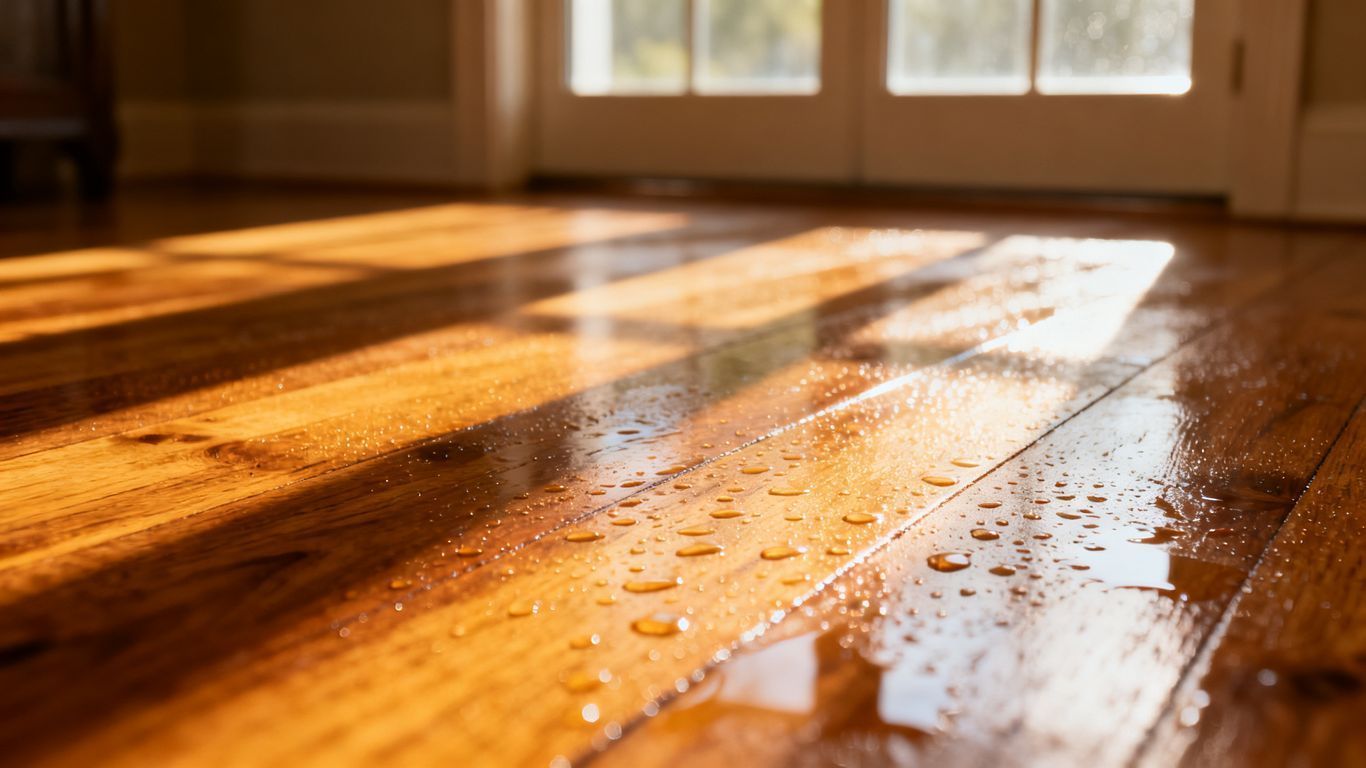
Chattanooga winters can be pretty wet, and that moisture is a real enemy to your hardwood floors. Think about all the rain, maybe some sleet, and definitely wet shoes coming inside. It’s a recipe for trouble if you’re not careful. Keeping water and slush away from your wood is the main goal here.
Use High-Quality Entryway Mats
This is probably the easiest step you can take. Get good mats for all your entrances, inside and out.
- Outdoor Mats: These should be tough and bristly, designed to scrape off the worst of the mud and grit from the bottom of shoes. Think coir or rubber mats.
- Indoor Mats: Right inside the door, place a more absorbent mat. This one catches the water that the outdoor mat missed. Microfiber or cotton mats work well here.
- Placement: Make sure the mats are large enough so people actually step on them. A tiny mat by the door doesn't do much good.
Wipe Shoes Before Entering
Even with good mats, a quick shoe wipe is a smart move. It’s a habit that makes a big difference.
- Encourage the Habit: Make it a family rule. A simple "Wipe your feet!" can go a long way.
- Designated Spot: Have a small rug or even just a designated area where people are expected to pause and wipe.
- Keep it Clean: Remember to clean your mats regularly. A dirty mat just spreads the dirt around.
Address Spills Immediately
This goes for any liquid, not just winter slush. Water left sitting on hardwood is bad news.
- Grab a Towel: Keep a clean, dry towel or a mop handy near the entryway for quick cleanups.
- Blot, Don't Rub: When you find a spill, blot it up. Rubbing can push the water deeper into the wood or finish.
- Dry Thoroughly: After blotting, make sure the area is completely dry. You might even want to use a fan for a bit.
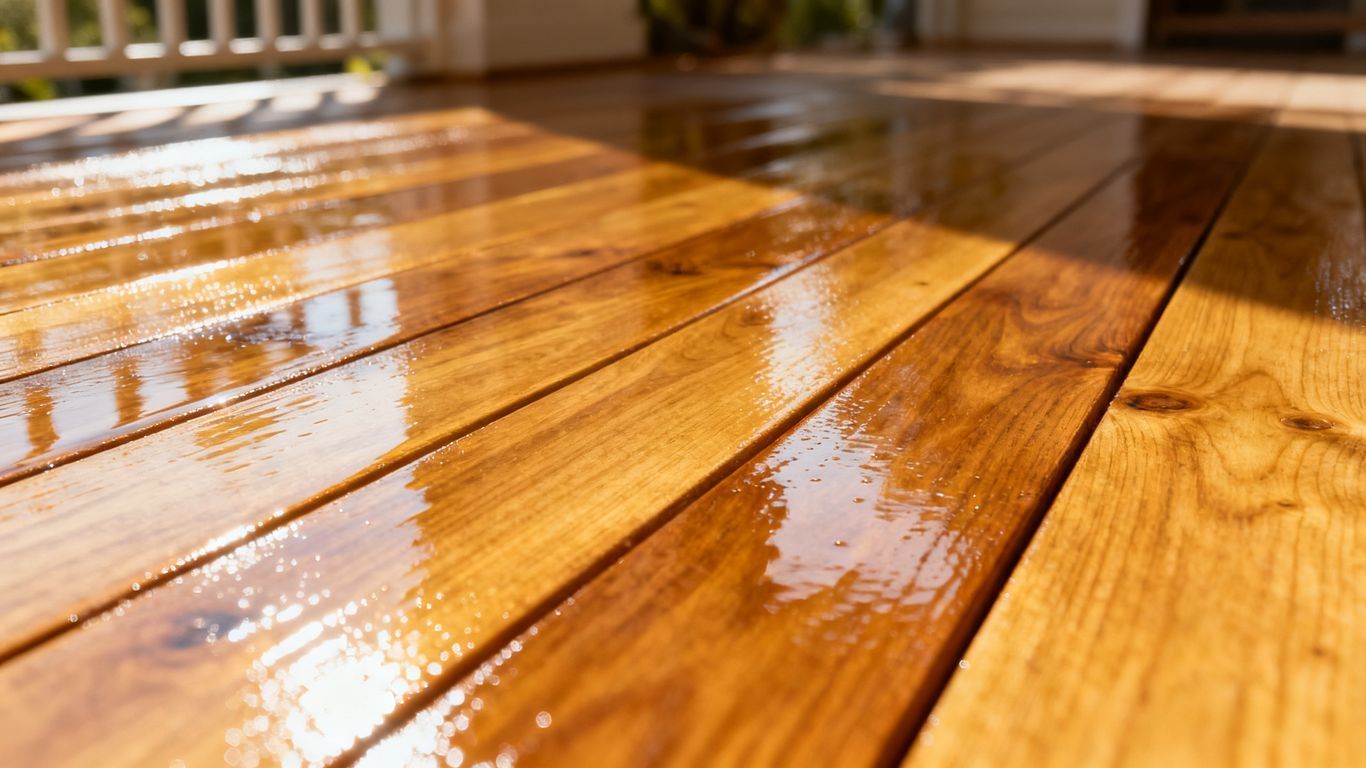
Wetness is the primary culprit behind many hardwood floor problems during the colder months. Wood naturally expands when it absorbs moisture and shrinks as it dries out. This constant cycle can weaken the wood fibers, cause warping, and even lead to the finish breaking down over time. Being proactive about preventing water from reaching your floors is key to their longevity.
Remember, a little bit of effort in preventing moisture can save you a lot of headaches and repair costs down the line. It’s all about being mindful of what’s coming in from the outside.
Choosing the Right Protective Treatments
When winter rolls around, thinking about how to shield your hardwood floors is smart. It's not just about cleaning up the mess; it's about putting the right stuff on them to keep them looking good. The right finish can make a big difference in how well your floors handle the wet and cold.
Sealing and Refinishing for Durability
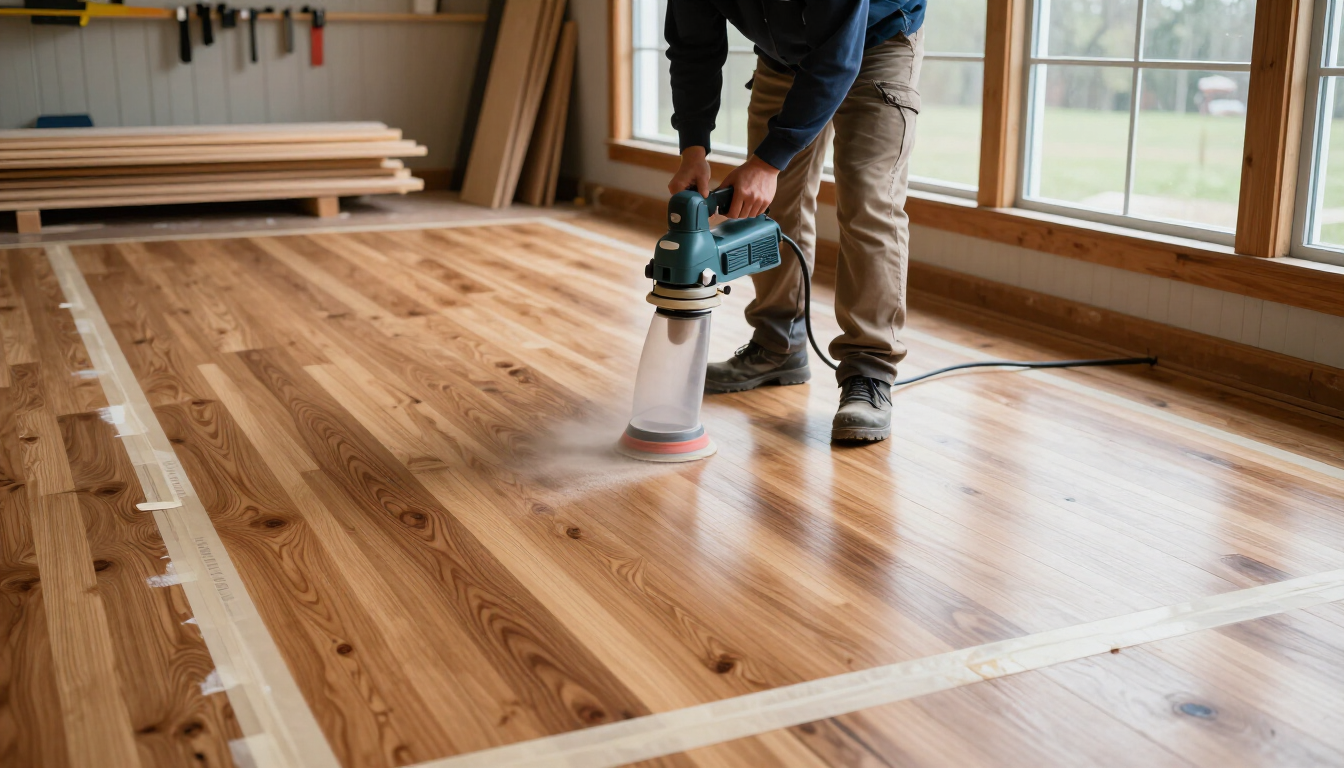
Sealing your floors is like giving them a protective coat. It helps keep moisture out, which is a big deal when you're tracking in rain and maybe even a bit of snow. A good sealant fills in tiny cracks and pores in the wood, making it harder for water to soak in and cause problems like warping or staining. Refinishing, on the other hand, is a more involved process. It usually means sanding down the old finish and applying a fresh one. This is a great way to not only protect your floors but also to refresh their look. If your floors are looking a bit tired, a refinish before winter hits can really bring them back to life and add that needed layer of defense.
Understanding Different Finish Types
There are a few main types of finishes you'll see for hardwood floors, and they all offer different levels of protection. Polyurethane is super common. It comes in oil-based and water-based versions. Oil-based poly is tough and gives a warm look, but it takes longer to dry and has stronger fumes. Water-based poly dries faster, is clearer, and has less smell, but might not be quite as durable over the long haul. Then there's wax, which gives a beautiful, soft sheen but doesn't offer as much protection against water and scratches. It's more for looks and light protection. For winter, you generally want something robust.
For the Chattanooga area, with its mix of humidity and potential for wet weather, a durable polyurethane finish, whether oil or water-based, is usually the best bet. It provides a solid barrier against the elements you'll be bringing in from outside. Think of it as a shield for your wood.
Professional Recommendations for North Georgia Homes
If you're not sure what's best for your specific floors, talking to a pro is a good idea. They can look at your wood type, its current condition, and your lifestyle to suggest the right treatment. They know what works well in our local climate. They can also handle the application, which is often tricky to get just right. Getting a professional opinion can save you time and maybe even money in the long run by avoiding mistakes. They can help you pick out the right sealant or finish that will stand up to winter's challenges and keep your floors looking great. You can find local pros who specialize in hardwood floor care to get personalized advice.
Addressing Common Winter Floor Issues
Winter can be tough on hardwood floors, and sometimes, despite our best efforts, things happen. Don't panic if you notice some changes; most common winter floor problems can be fixed with a little know-how.
Dealing with Gaps Between Floorboards
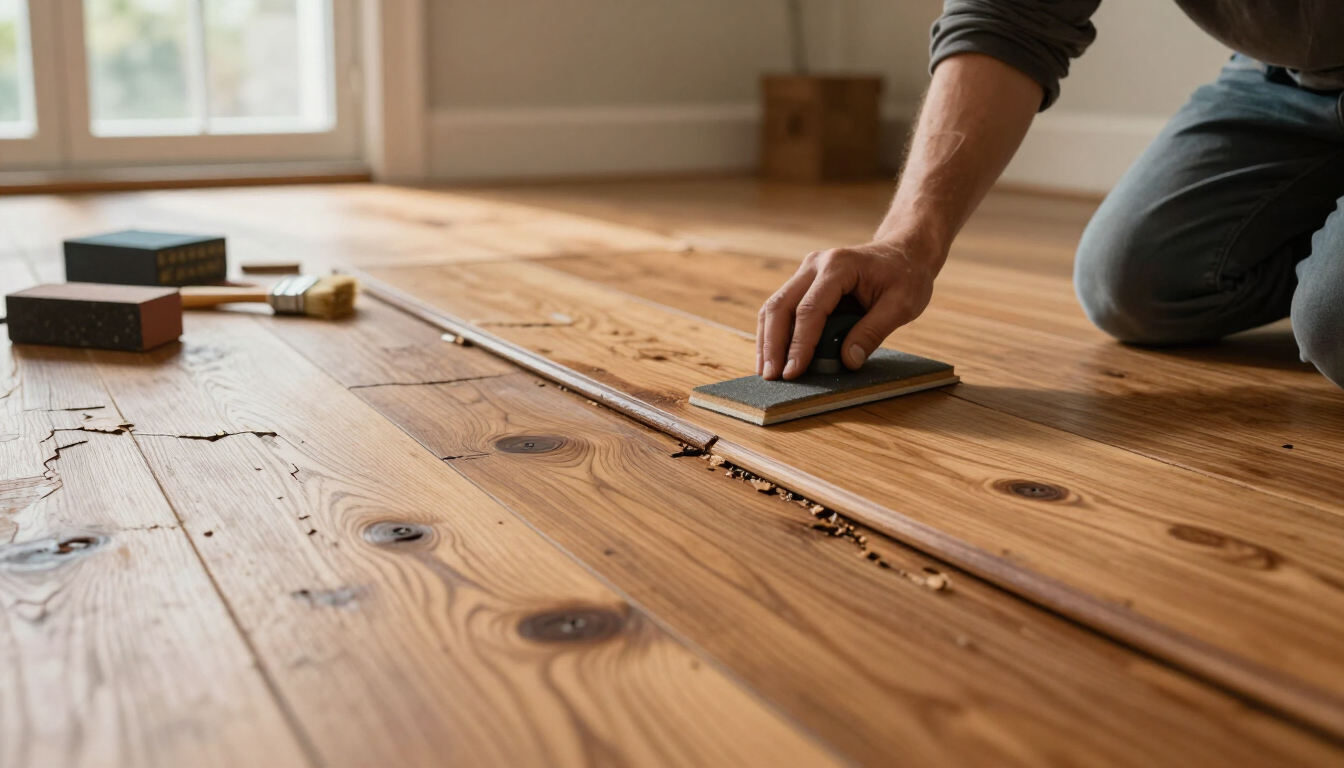
As the air inside your home gets dry from heating, the wood in your floors can lose moisture and shrink. This often shows up as small gaps appearing between the planks. It's a pretty normal reaction for wood, especially in drier winter air. The key is to reintroduce moisture gradually.
- Monitor Humidity: Keep an eye on your home's humidity levels. Aim for a steady range, usually between 35-55%.
- Humidify: Use a humidifier, especially in rooms with hardwood. Portable ones work well for specific areas, or you can opt for a whole-house system.
- Patience: As humidity levels rise, the wood will likely expand back, closing up those gaps. This can take a little time.
If gaps become very wide or persistent, it might be a sign of a more significant moisture issue or that the wood has dried out considerably. In such cases, consulting a flooring professional is a good idea to assess the situation properly.
Repairing Scratches from Snow and Ice
Tracking in snow, ice, and the grit used to melt it can leave scratches on your floor's finish. These can range from light scuffs to deeper gouges. For minor scratches, you might be able to buff them out.
- Clean Thoroughly: First, make sure the area is clean. Any dirt or grit left will just make things worse.
- Buffing: For very light surface scratches, a soft cloth and a bit of hardwood floor polish designed for your finish type can sometimes help blend them in.
- Touch-Up Pens/Kits: For slightly deeper scratches, wood repair markers or touch-up kits that match your floor's color can be effective. Apply them carefully, following the product instructions.
- Professional Help: If the scratches are deep or widespread, you might need to consider a screen and recoat or even a full refinish.
Restoring Dull or Damaged Finishes
Constant foot traffic, moisture, and abrasive winter debris can make your floor's finish look dull or even worn in spots. It's not just about looks; a damaged finish offers less protection.
- Deep Cleaning: Sometimes, a good, deep clean with a hardwood floor cleaner specifically made for your finish type is all that's needed to remove built-up grime and restore some shine.
- Polish/Restorer: Products designed to refresh and add a protective layer to worn finishes can work wonders for dullness. Use them sparingly and according to directions.
- Screen and Recoat: If the finish is noticeably worn but the wood itself is okay, a professional can 'screen' the floor (lightly abrade the surface) and apply a new top coat of finish. This is less intensive than a full refinish and can bring back protection and shine.
Remember, addressing these issues promptly can prevent them from becoming bigger problems down the line. It's all about keeping an eye on your floors and giving them the care they need, especially during the challenging winter months.
Seasonal Hardwood Maintenance for Chattanooga Residents
Taking care of your hardwood floors throughout the year is a good idea, but it's especially important when the seasons change, particularly heading into and out of winter here in Chattanooga. A little bit of attention can go a long way in keeping those beautiful floors looking good for years.
Pre-Winter Floor Inspection
Before the cold really sets in, it's smart to give your floors a good once-over. Think of it like a check-up for your wood. You want to catch any small issues before they become bigger problems when the weather gets rough.
- Look for any loose boards or squeaks. These can sometimes get worse with temperature changes.
- Check the finish. Is it still protecting the wood well, or does it look worn in high-traffic areas?
- Inspect the edges of the room where the floor meets the wall. Are there any signs of moisture or gaps that might let cold air in?
This inspection isn't about finding fault; it's about proactive care. A quick look now can save you a lot of hassle down the road when dealing with winter's effects.
Post-Winter Floor Assessment
Once winter has done its thing and we're starting to see some warmer days, it's time for another look. Winter can be tough on wood floors, especially with the dry indoor air and the salt or chemicals tracked in from outside.
- Did any gaps appear between the boards as the indoor humidity dropped? Sometimes these close up on their own, but sometimes they need attention.
- Are there any new scratches or scuffs from boots, ice melt, or furniture being moved around?
- Does the finish look dull or uneven? Winter's dry air can sometimes affect the protective coating.
Long-Term Hardwood Floor Health
Thinking about your floors long-term means making maintenance a habit, not just a seasonal chore. Consistent care is the key to longevity.
- Regular cleaning, as we've talked about, is non-negotiable. Sweep or vacuum (with the right attachment!) often.
- Consider a professional cleaning or recoating every few years, depending on wear. It's like a spa day for your floors.
- Always address spills right away, no matter the season. Water and wood don't mix well.
Making these seasonal checks a routine will help your hardwood floors stay beautiful and strong, no matter what Chattanooga's weather throws at them.
Keeping your hardwood floors looking great in Chattanooga means a little care throughout the year. Different seasons bring different challenges, from moisture in the summer to dry air in the winter. Simple steps can protect your beautiful floors from wear and tear. Want to know the best ways to keep your wood floors in top shape all year long? Visit our website for expert tips and services tailored for Chattanooga homes.
Wrapping It Up
So, there you have it. Keeping your hardwood floors looking good through the chilly Chattanooga and North Georgia winters doesn't have to be a huge headache. A little bit of care, like watching out for moisture and giving them a good clean now and then, can make a big difference. Remember, these floors are part of your home's charm, and a bit of effort goes a long way in protecting that. If things get tricky or you're not sure about a repair, don't hesitate to call in a pro. They know their stuff and can save you a lot of trouble. Here's to cozy, beautiful floors all season long!
Frequently Asked Questions
Why do my wood floors get gaps in the winter?
When it's cold outside and dry inside, the wood in your floors loses moisture. Think of it like a sponge drying out – it shrinks! This shrinking is what causes those small spaces to appear between the floorboards. Once the warmer, more humid weather returns, the wood will swell back up, and the gaps usually disappear.
How can I keep my floors from getting damaged by wet shoes?
The best way to protect your floors from water and dirt tracked in on shoes is to use good mats at every entrance. Place one outside to catch the worst of the mud and another inside to grab any remaining moisture. It also helps a lot if everyone takes off their shoes or wipes them really well before walking on the wood.
Is it okay to use salt or de-icers on my porch near the wood floors?
It's best to avoid using salt and harsh de-icing chemicals near your hardwood floors, especially if they can be tracked inside. These chemicals can be really tough on the wood's finish, leaving white marks or dull spots. If you must use something, look for pet-friendly or wood-safe options, and clean up any spills right away.
What's the best way to clean my wood floors in the winter?
During winter, focus on dry cleaning methods. Sweep or vacuum your floors regularly to pick up dirt, sand, and salt that can scratch the finish. If you need to damp mop, use a cleaner made specifically for hardwood floors and make sure the mop is only slightly damp, not wet. You don't want excess water sitting on the wood.
Should I seal or refinish my floors before winter?
Yes, getting your floors sealed or refinished before the winter months can offer great protection. A good sealant acts like a shield, helping to keep moisture out and preventing damage from dirt and chemicals. If your floors are looking worn, refinishing them can give them a fresh, durable coat that will hold up better against winter wear and tear.
How important is humidity for my wood floors in winter?
Humidity is super important! Wood is a natural material that reacts to the moisture in the air. In the dry winter air, especially with heating systems running, wood can dry out and shrink. Keeping the indoor humidity at a steady level, ideally between 35% and 55%, helps your floors stay stable and prevents them from shrinking or expanding too much.