Top Hardwood Floor Issues We See Every Winter in Chattanooga & Surrounding Areas
Winter in Chattanooga and the surrounding areas can be tough on your hardwood floors. As the temperatures drop and we crank up the heat indoors, the change in humidity can really affect your wood. You might start noticing some odd things happening with your floors that you didn't see during the warmer months. We're going to look at some common winter hardwood floor problems that pop up, so you know what to watch out for and maybe how to deal with them.
Key Takeaways
- Dry winter air causes wood to shrink, leading to gaps between floorboards.
- Sudden humidity changes can make floorboards cup (edges higher) or crown (center higher).
- Movement and friction in dry conditions often result in squeaky floors.
- Increased foot traffic and dry air can make floors more prone to scratches and dents.
- Sunlight through windows, combined with dry air, can cause fading or discoloration.
1. Gaps Between Floorboards
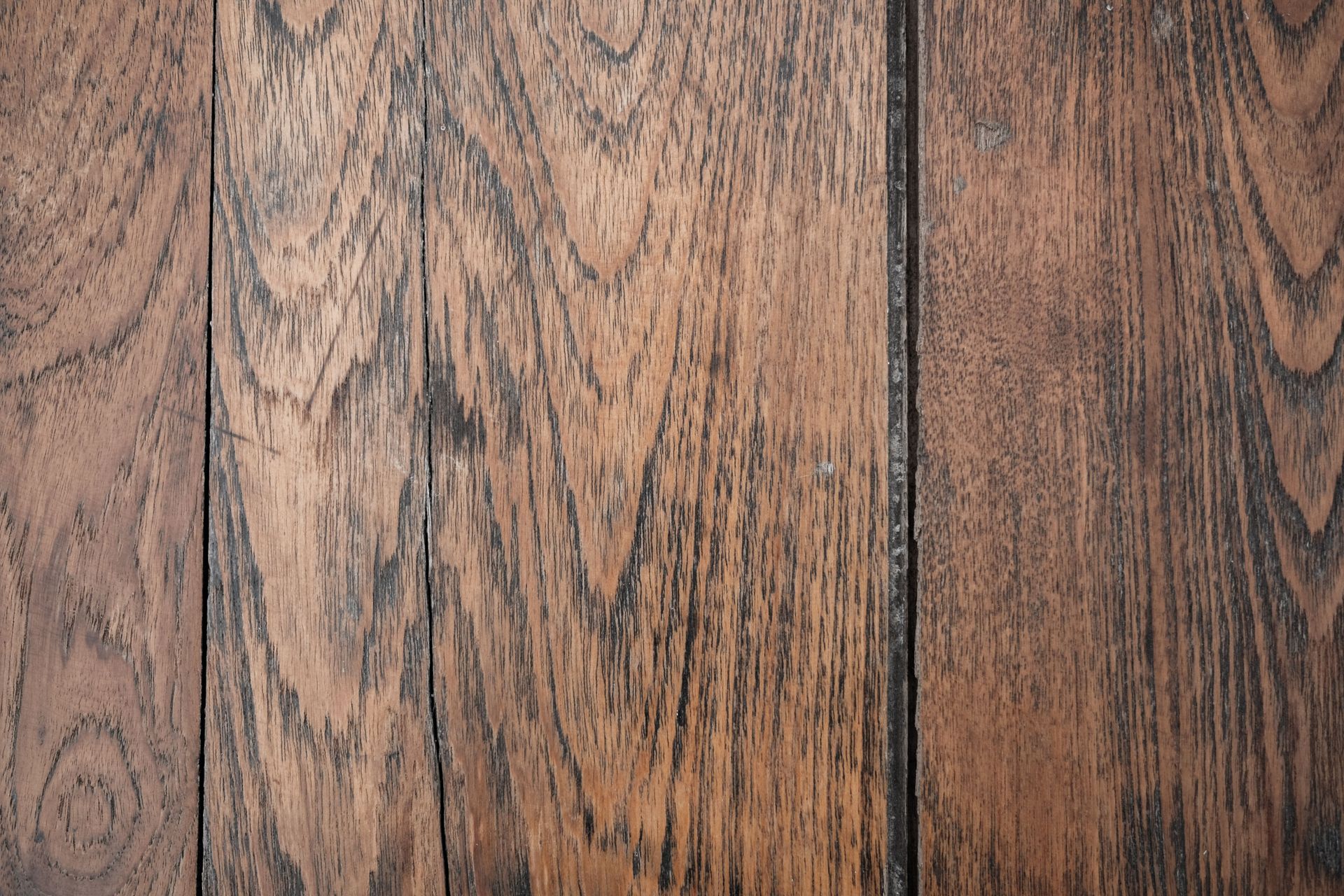
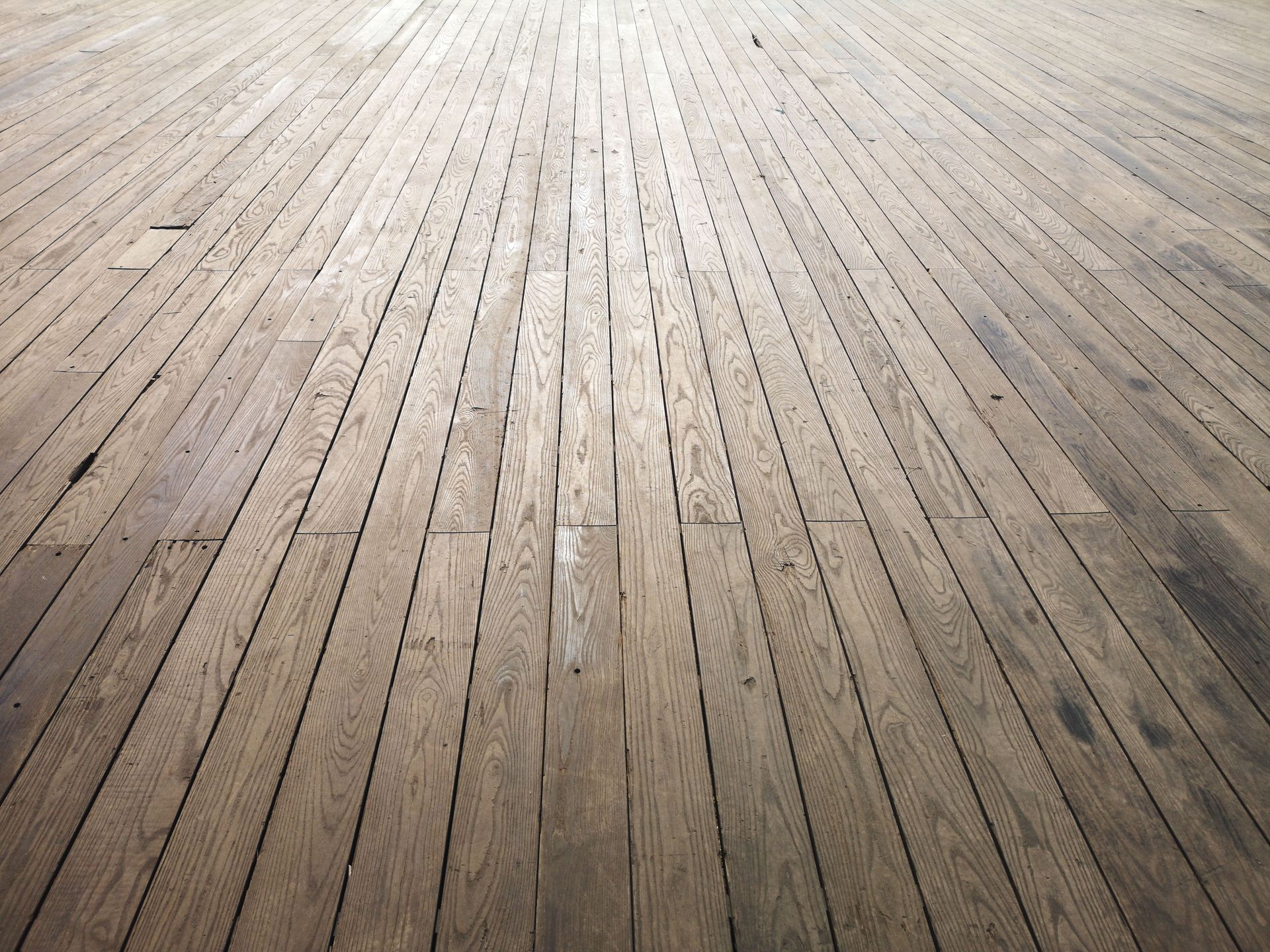
As the temperatures drop here in Chattanooga and the surrounding areas, you might start noticing something a little unsettling with your hardwood floors: gaps appearing between the planks. It's a pretty common sight when winter rolls around. Wood is a natural material, and it reacts to changes in humidity. When the air inside your home gets dry because of heating systems running constantly, the wood planks actually shrink. This shrinking pulls them away from each other, creating those noticeable spaces.
This seasonal expansion and contraction is a normal behavior for solid wood flooring.
What causes these gaps to show up more in winter?
- Low Indoor Humidity: Heating systems, especially forced-air ones, dry out the air significantly. This lack of moisture is the main culprit.
- Wood's Natural Properties: Different wood species absorb and release moisture at varying rates, but all solid wood will respond to humidity changes.
- Installation Factors: Sometimes, how the floor was initially installed can play a role. If there wasn't enough room left for natural movement, gaps might appear more readily.
These gaps aren't just an eyesore; they can also be a sign that your home's humidity levels are too low, which can affect more than just your floors. You might find yourself dealing with static electricity or even dry skin.
It's important to remember that for solid hardwood, some degree of gapping in the dry winter months is expected. The key is to manage the humidity in your home to minimize this effect and prevent permanent damage. Once spring arrives and humidity levels rise, the gaps usually close up on their own. However, if the gaps are very wide or persist throughout the year, it might indicate a more significant issue that needs professional attention.
2. Cupping and Crowning
Winter in Chattanooga can really mess with your hardwood floors, and one common issue we see is cupping and crowning. It's basically when the wood planks change shape due to moisture differences.
Cupping happens when the bottom of the plank has more moisture than the top. This causes the edges of the plank to curl upwards, making the center dip down. It looks a bit like a shallow bowl. Crowning is the opposite: the top of the plank has more moisture, so the edges curl upwards, and the center sinks down. This distortion is almost always a sign of a moisture imbalance.
What causes this, you ask? Well, it's usually a combination of things, especially during the colder months:
- Humidity Swings: When the indoor humidity drops significantly (like when your heating system is running non-stop), the wood dries out unevenly. The subfloor might hold more moisture, or the air in your home might be too dry.
- Spills or Leaks: Even small, unnoticed spills or leaks from appliances, plumbing, or even pets can introduce moisture to the underside of the floorboards.
- Improper Acclimation: If the wood wasn't allowed to adjust to your home's environment before installation, it's more prone to reacting to changes.
- Basement or Crawl Space Moisture: If there's dampness under your house, that moisture can wick up into the floorboards.
Dealing with cupping or crowning means you've got to figure out where the moisture is coming from and fix that first. Just sanding it down won't solve the root problem, and it'll likely come back. You need to address the humidity levels in your home or any leaks that might be present.
If you notice your floors starting to look a little wavy or like they're forming tiny hills and valleys, it's a good idea to get it checked out. Ignoring it can lead to more serious problems down the road, like planks separating or even permanent damage.
3. Squeaky Floors
Ah, the winter symphony of a squeaky hardwood floor. It’s a sound that can drive anyone a little batty, especially when it seems like every step you take triggers a new groan or pop. This common issue often pops up when the humidity levels drop significantly, which is pretty much a given here in Chattanooga during the colder months. As the wood loses moisture, it shrinks. This shrinkage can cause the floorboards to rub against each other or against the subfloor, creating those annoying noises. It's not just about the noise; it's a sign that your floor is reacting to its environment.
What’s really going on?
- Board Movement: The wood planks themselves are expanding and contracting. When they dry out, they get a little smaller, and sometimes they don't sit as snugly against each other or the nails holding them down.
- Subfloor Issues: Sometimes, the problem isn't just the top layer. The subfloor underneath might have shifted, or the nails holding the hardwood to it could be loose. This allows for movement and friction.
- Fastener Problems: Over time, the nails or staples that secure your floor can loosen. As you walk, the floorboards move up and down on these loose fasteners, leading to that tell-tale squeak.
Dealing with these sounds can be frustrating, but there are ways to address them. Sometimes, a simple fix like applying a bit of talcum powder or graphite powder between the boards can quiet things down temporarily. For more persistent squeaks, you might need to look at re-securing the floorboards. This could involve driving new nails or screws into the joists, or even using specialized floor repair kits. If you're noticing a lot of movement and noise, it might be time to get a professional opinion on how to fix hardwood floor gaps and creaks.
It's easy to ignore a little squeak here and there, but when it becomes a constant soundtrack to your life, it's worth investigating. Ignoring it can sometimes lead to bigger problems down the line, like more significant gaps or even damage to the wood itself. Think of it as your floor telling you it needs a little attention.
Don't let those winter creaks get you down. Understanding why they happen is the first step to enjoying a quieter home.
4. Scratches and Dents
Winter weather can be tough on your floors, and that includes dealing with everyday wear and tear that becomes more noticeable. You know, those little nicks and marks that happen when life goes on. It's amazing how quickly a few scratches can make a whole room look tired.
Think about it: dragging chairs across the floor, pets playing, or even just dropping something small can leave a mark. And in the winter, with more people tracking in dirt and grit from outside, the abrasion on your wood floors really ramps up. It’s like sandpaper on your finish.
Here’s what we often see:
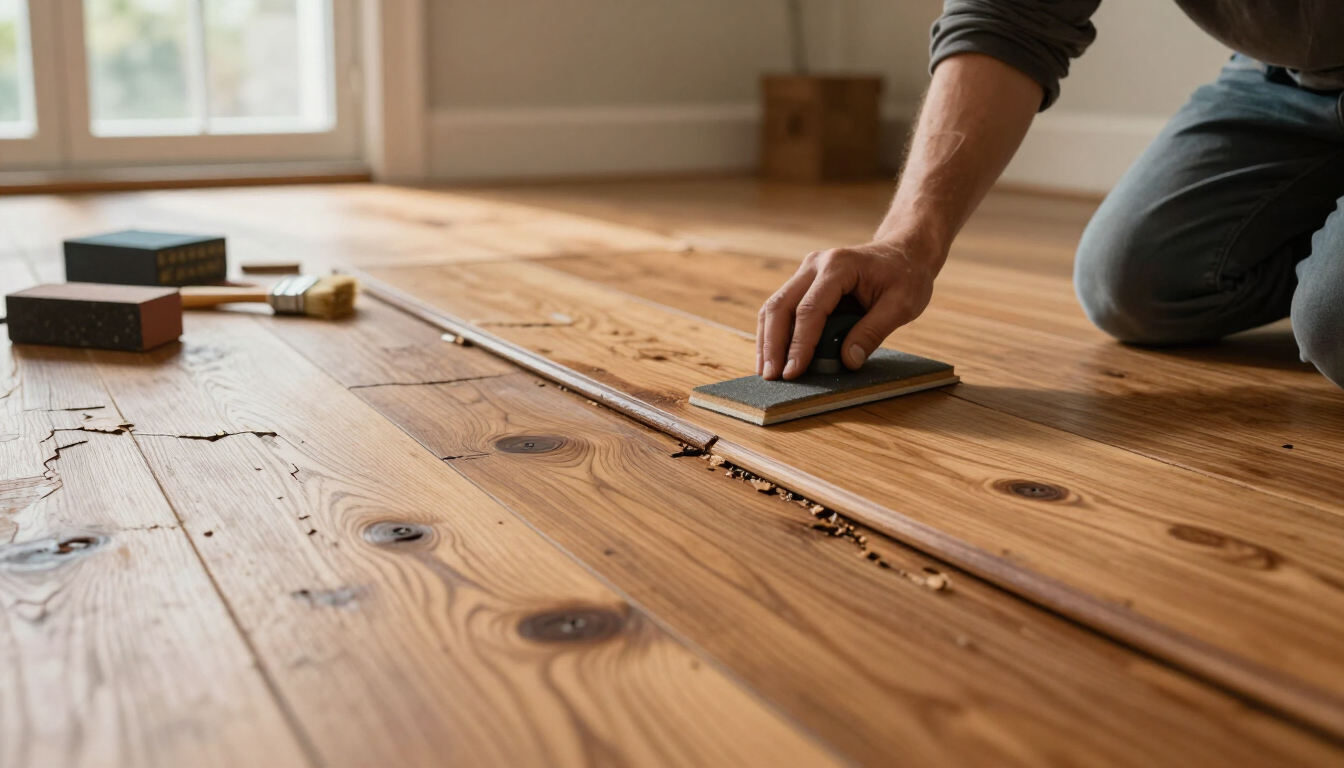
- Surface Scratches: These are usually lighter and only affect the top layer of the finish. They can look like dull lines or scuffs.
- Deeper Gouges: These go through the finish and into the wood itself. They’re more noticeable and harder to fix.
- Impact Dents: These happen when something heavy hits the floor, leaving a visible depression.
The key is to be mindful of what's coming into contact with your floors. Small changes can make a big difference in keeping them looking good throughout the colder months. It’s not about never using your floors, but about being a bit more careful with the things that can cause damage.
Sometimes, these marks are just part of having a well-loved home. But if you're finding that scratches and dents are really detracting from your floor's appearance, it might be time to look into some professional help. You can connect with a local professional who can restore their beauty and vitality by filling out a form.
5. Fading and Discoloration
Winter in Chattanooga can really do a number on your hardwood floors, and one thing we see a lot is fading and discoloration. It’s not just about the cold; it’s often a combination of factors that creep up over the season.
The sun, even in winter, can be a major culprit. When sunlight hits your floors for extended periods, especially through windows, it can bleach out the natural color of the wood and the stain. This is more noticeable in rooms that get direct light all day.
Here are some common reasons for this issue:
- UV Exposure: As mentioned, sunlight is a big one. Even on cloudy days, UV rays can penetrate and cause damage over time.
- Improper Cleaning Products: Using harsh chemicals or too much water when cleaning can strip away the finish and alter the wood's color.
- High Traffic Areas: Spots where people walk most often can wear down the finish, making the wood underneath more exposed and susceptible to color changes.
- Furniture Placement: Long-term contact with furniture, especially if it has rubber or plastic feet, can sometimes lead to dark spots or discoloration where air circulation is blocked.
It’s easy to think of fading as just a cosmetic issue, but it often signals that the protective finish on your floors is weakening. This makes the wood itself more vulnerable to other problems down the line, like moisture damage or wear.
Sometimes, you might notice uneven fading, where one area looks significantly lighter than another. This usually points to something specific, like a rug that was in place for a long time or a piece of furniture that was recently moved. Addressing fading and discoloration early can help preserve the beauty and integrity of your hardwood floors throughout the winter and beyond.
6. Warping
Winter weather in Chattanooga can really do a number on your hardwood floors, and warping is a prime example. You know how wood expands when it's damp and shrinks when it's dry? Well, the drastic temperature and humidity swings we get here, especially when the heat kicks on and the air gets super dry, can cause your floorboards to change shape. This isn't just about looks; it can actually affect the integrity of your floor.
What's happening is that the moisture content within the wood is uneven. One side might be drying out faster than the other, or absorbing moisture differently. This leads to the boards bending or twisting out of their original flat shape.
Here’s a bit more on why it happens and what you might see:
- Uneven Moisture: The biggest culprit. Think about the air inside your home versus the air outside. When the heat is blasting, the indoor air gets really dry. If your floors aren't properly sealed or if there's any moisture getting in from below (like a crawl space issue), the wood reacts.
- Temperature Fluctuations: Going from a cold day outside to a warm, dry house inside creates stress on the wood fibers.
- Improper Installation: Sometimes, if the wood wasn't acclimated properly before installation, or if there wasn't enough expansion space left around the edges, it has nowhere to go when it wants to change size, so it warps.
Warping can make your floor feel uneven underfoot and can even create little valleys or hills between planks. It’s a sign that the wood is under stress from its environment.
If you notice your floors starting to look a bit wavy or if planks are lifting at the edges, it's a good idea to get it checked out. Sometimes, it’s a humidity issue that can be corrected, but other times, it might mean the boards themselves are damaged and need attention.
7. Finish Wear
Winter weather can really take a toll on your hardwood floors, and one of the most common issues we see is finish wear. You know, that dulling or scratching that happens over time? It's especially noticeable when the light hits it just right. The constant foot traffic, combined with the dry air and potential for grit being tracked in, wears down the protective top layer of your floor. This isn't just about looks, either. When the finish wears thin, the wood itself becomes more exposed and vulnerable to damage.
What exactly causes this wear and tear?
- Abrasion: Think about shoes, pet claws, even furniture being dragged. All of these things rub against the floor, slowly but surely taking off the finish.
- Chemicals: Harsh cleaning products can strip away the finish over time. Even just using too much water can sometimes cause problems.
- UV Exposure: Believe it or not, sunlight can also degrade the finish, making it brittle and prone to cracking.
The finish on your hardwood floor acts like a shield. When that shield gets weak, the wood underneath starts to suffer. It's like a coat of paint on a house – it protects the material underneath from the elements. If that paint peels or chips, the wood starts to rot or get damaged.
So, what can you do about it? Regular maintenance is key. Sweeping and vacuuming often helps remove abrasive particles. Using doormats at entrances can catch a lot of dirt before it even gets onto the floor. And when it comes to cleaning, stick to products specifically made for hardwood floors and use them sparingly. Sometimes, a good buffing or a recoat can bring back that shine and add years to your floor's life. It's all about protecting that protective layer.
8. Mold and Mildew
Winter in Chattanooga can bring a lot of moisture, and that's bad news for your hardwood floors. When humidity levels get too high, especially if there's any kind of leak or standing water, you can start to see mold and mildew pop up. It often shows up as dark spots or a fuzzy growth, and it's not just ugly – it can actually damage your floor and even affect your home's air quality.
The main culprits are usually excess moisture and poor air circulation. Think about areas like basements, bathrooms, or kitchens where water is more common. Even a small, unnoticed leak from a pipe or appliance can create the perfect breeding ground. And if your home's humidity is consistently high, that can also contribute.
Here's what you might notice:
- Dark, discolored patches on the wood surface.
- A musty or earthy smell, especially in damp areas.
- Visible fuzzy or powdery growth, often black, green, or white.
Dealing with mold isn't something to put off. If you suspect you have a mold problem, it's best to get it checked out. For serious issues, you might need professional help to make sure it's all gone and doesn't come back. Companies like AuntieGen can help with mold remediation services to get your home clean and healthy again.
It's easy to overlook small damp spots, especially when they're hidden under rugs or furniture. But even a little bit of moisture can lead to bigger problems over time if it's not addressed. Regular checks in common problem areas can save you a lot of trouble down the road.
9. Loose Planks
Winter weather in Chattanooga can really do a number on your hardwood floors, and one common issue we see is loose planks. You might notice a plank or two shifting underfoot, or maybe a whole section feels a bit wobbly. This often happens because the wood is expanding and contracting with the temperature and humidity changes.
When planks start to loosen, it's more than just an annoyance; it can lead to bigger problems down the road. If left unaddressed, these loose areas can trap dirt and moisture, potentially causing damage to the subfloor or the planks themselves. Plus, they can become tripping hazards.
Here’s what typically causes planks to become loose:
- Humidity Swings: Big shifts between dry indoor air from heating and more humid outdoor air cause the wood to swell and shrink. This movement can weaken the adhesive or fasteners holding the planks down.
- Subfloor Issues: Sometimes, the problem isn't the plank itself but what's underneath. A damaged or uneven subfloor can cause planks to lift.
- Improper Installation: If the floor wasn't installed correctly in the first place, using the wrong type of adhesive or not enough fasteners, planks are more likely to loosen over time.
Addressing loose planks promptly is key to preventing further damage. It’s often a fixable issue that can restore the stability and look of your floor. Ignoring it, however, can turn a minor inconvenience into a costly repair.
If you're dealing with a few wobbly spots, it might be something you can tackle yourself, but for widespread looseness, it's best to call in a professional. They can properly assess the situation and re-secure the planks, sometimes even needing to re-glue or re-nail them. Keeping your home's humidity balanced, perhaps with a humidifier, can also help prevent these issues from recurring. This helps maintain floor stability and minimizes damage, especially during dry winter months. You can find tips on maintaining proper indoor conditions to help your floors stay put.
10. Pet Damage
Our furry friends are part of the family, but sometimes they can cause a bit of wear and tear on our hardwood floors, especially during the colder months when they spend more time indoors. Nail scratches are probably the most common issue we see. Even with regular nail trims, a playful pounce or a quick dash across the room can leave fine lines in the finish or even deeper gouges in the wood itself.
Beyond just scratches, accidents happen. Urine can seep into the wood, causing permanent stains and even damaging the wood fibers if not cleaned up quickly. Chewing on furniture legs or toys can also lead to dents and splintering.
Here are a few things to watch out for:
- Scratches from claws, especially from cats and dogs.
- Stains from pet accidents that weren't cleaned up right away.
- Dents or gouges from toys, nails, or chewing.
- Discoloration from prolonged contact with pet waste.
Dealing with pet damage often means more than just a quick sweep. Depending on the severity, you might need to refinish certain areas or even replace planks. Regular cleaning and prompt attention to accidents are your best defense against these kinds of issues.
Even the toughest floors can get damaged by pets. Scratches and dents from claws or accidents can happen. Don't let pet troubles ruin your beautiful floors. We can help fix them up. Visit our website to learn more about our repair services.
Don't Let Winter Woes Ruin Your Floors
So, winter's pretty tough on our Chattanooga homes, especially the floors. We've talked about gaps, squeaks, and moisture issues, and honestly, it's a lot to think about. But the good news is, most of these problems can be fixed. It's usually not the end of the world for your hardwood. Keeping an eye on things as the weather changes can save you a headache later. If you notice any of these winter floor problems popping up, don't wait too long. A little attention now can keep your floors looking good for years to come, even through another Chattanooga winter.
Frequently Asked Questions
Why do gaps appear between my wood floors in the winter?
Wood is a natural material that shrinks when it's dry and expands when it's moist. During the cold, dry winter months in Chattanooga, the air inside your home often becomes very dry due to heating systems. This dryness causes the wood floorboards to lose moisture and shrink, creating small spaces between them. Once the humidity goes back up, the gaps usually disappear.
What causes my wood floors to look wavy, like a boat's hull?
This is called cupping or crowning. Cupping happens when the edges of the floorboards are higher than the center, making them look like little cups. Crowning is the opposite, where the center is higher. Both are usually caused by too much moisture. If the bottom of the wood gets wet or humid while the top stays dry, it can swell unevenly, leading to these wavy shapes.
How can I stop my wood floors from making noise when I walk on them?
Squeaky floors are a common winter headache. They often happen because the wood planks have shrunk and are rubbing against each other or against the nails holding them down. Dry air makes this worse. Sometimes, you can fix this by adding a bit more moisture back into the air with a humidifier, or by using special wood floor lubricants. If the problem is bad, a professional might need to secure the loose boards.
Why do my wood floors get damaged more easily in winter?
Dry winter air doesn't just affect the wood's shape; it can also make it more brittle. This means your floors might be more prone to scratches and dents from things like shoes, pet claws, or dropped items. Also, the dry air can make the finish on the wood less flexible, making it easier to chip or crack.
Can the winter weather really change the color of my wood floors?
Yes, it can! Sunlight coming through windows can cause fading over time, and winter often means more direct sun for longer periods in some areas. Also, changes in humidity and temperature can sometimes react with the wood or its finish, causing slight shifts in color or creating dark spots, especially if moisture gets trapped.
What's the deal with my wood floors warping in winter?
Warping is a more serious version of cupping or crowning, where the entire plank bends significantly. It's usually caused by uneven moisture. In winter, this could be from a leaky pipe, spills that weren't cleaned up quickly, or even extreme humidity differences between the floor's top and bottom. Sometimes, the wood wasn't properly dried before installation, making it more likely to warp when conditions change.