How Cold Weather Affects Hardwood Floors in Tennessee & Georgia Homes
Winter is coming, and while we're all busy prepping our homes for the cold, it's easy to forget about our beautiful hardwood floors. In places like Tennessee and Georgia, the shift from warm, humid weather to dry, heated indoor air can really do a number on wood. You might start noticing some changes, and understanding what's happening is the first step to keeping your floors looking great. Let's talk about how this cold weather can affect your hardwood floor winter damage and what you can do about it.
Key Takeaways
- Wood expands and shrinks with changes in humidity, and winter's dry air is a major factor.
- Watch out for gaps between floorboards, planks that bend up or down, and new squeaky spots – these are signs of hardwood floor winter damage.
- Keeping your home's humidity steady is the best way to prevent wood from reacting too much to the cold.
- Sometimes, you can fix small issues yourself, but bigger problems often need a pro to fix the hardwood floor winter damage.
- The way heating systems work in Tennessee and Georgia homes can make indoor air extra dry, increasing the risk of hardwood floor winter damage.
Understanding Wood's Reaction To Temperature Shifts
Wood is a natural material, and like most natural things, it reacts to its surroundings. When the temperature changes, especially between seasons, hardwood floors can show it. Think of it like your own body – you feel warmer when it's hot and colder when it's chilly. Wood does something similar, but instead of shivering or sweating, it expands and contracts.
Humidity's Role In Wood Expansion
This is where things get a bit more complicated. It's not just the temperature itself, but also the moisture in the air that really makes wood move. Wood is hygroscopic, meaning it absorbs and releases moisture from the air. When the air is humid, wood takes in that moisture and swells up. Conversely, when the air is dry, the wood releases its moisture and shrinks.
- During warmer, more humid months, your floorboards will likely expand. This can push them tightly together.
- As temperatures drop and the air gets drier, the wood loses moisture and contracts, pulling away from its neighbors.
- This constant cycle of expansion and contraction is what puts stress on your floorboards over time.
The Impact Of Dry Indoor Air
In places like Tennessee and Georgia, winters often mean turning up the heat. Central heating systems are fantastic for keeping us cozy, but they can also dry out the indoor air significantly. This is especially true if you don't have a humidifier running. When the air inside your home becomes very dry, your hardwood floors will release their stored moisture.
This drying out process is a primary reason why gaps can appear between floorboards during the winter. The wood is literally shrinking.
So, while the cold itself plays a part, it's the dryness that often accompanies cold weather that causes the most noticeable changes in your hardwood floors. It's a delicate balance, and maintaining that balance is key to keeping your floors looking their best.
Common Signs Of Hardwood Floor Winter Damage
Winter weather can be tough on your hardwood floors, especially in places like Tennessee and Georgia where heating systems work overtime. You might start noticing some changes that weren't there before. Paying attention to these signs early can save you a lot of trouble down the road.
Gaps Between Floorboards
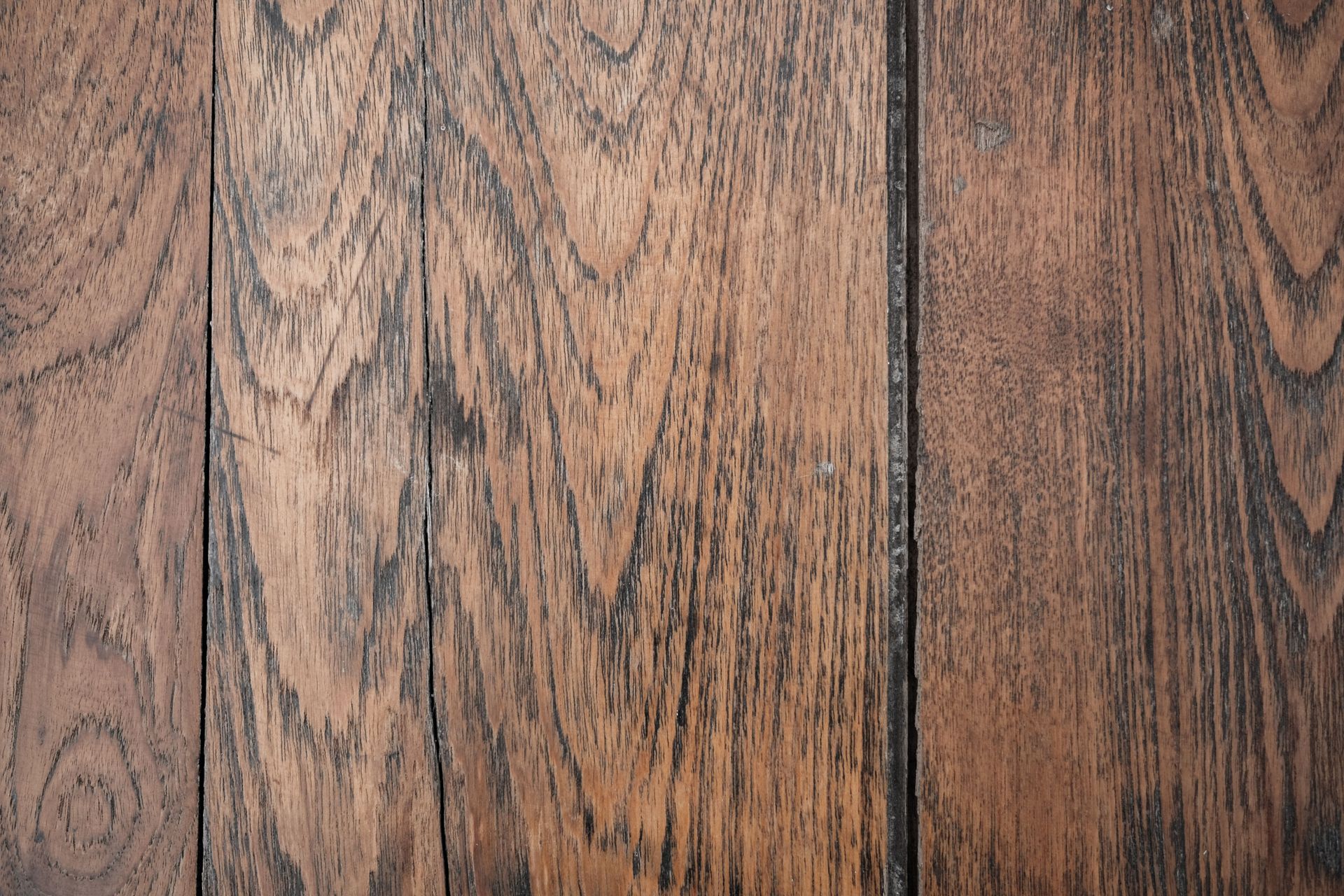
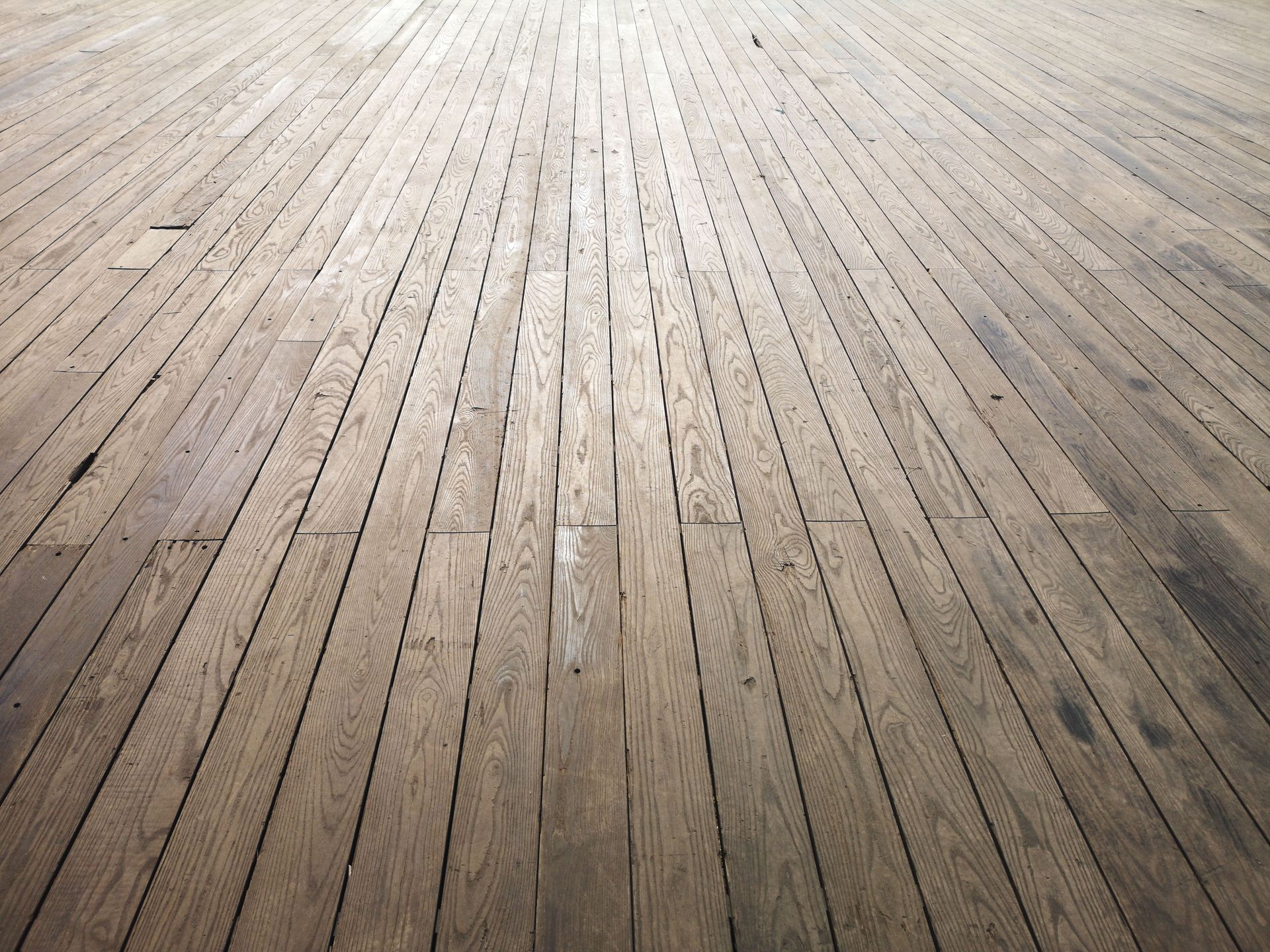
As the air inside your home gets drier from heating, the wood in your floors loses moisture. This moisture loss causes the wood planks to shrink. When planks shrink, they pull away from each other, creating noticeable gaps. These gaps can appear and disappear somewhat with seasonal humidity changes, but persistent dryness will make them more permanent. You might see them most clearly along baseboards or between individual boards. It's a pretty common issue when the indoor air gets really dry, like during a cold snap.
Cupping And Crowning Of Planks
Sometimes, instead of shrinking evenly, wood planks can change shape. Cupping happens when the edges of a plank are higher than the center, making it look like a shallow bowl. This often occurs when the bottom of the plank is exposed to more moisture than the top. Crowning is the opposite, where the center of the plank is higher than the edges, giving it a rounded appearance. Both are signs that the wood is reacting unevenly to moisture differences, often exacerbated by dry indoor air and potentially dampness from below (though less common in winter).
Squeaky Floor Noises
Those annoying squeaks and creaks you hear when you walk across your floors? Winter can make them worse. When wood planks shrink, they can lose their snug fit against each other and the subfloor. As you step on them, the dry, shrunken wood rubs against itself or the nails/staples holding it down, creating friction and that tell-tale squeak. It's like the floor is complaining about the dry air!
The constant cycle of heating and cooling, combined with the dry air that often accompanies winter in the Southeast, puts a lot of stress on wood. Think of it like a sponge that's constantly being dried out and then maybe getting a little damp – it's going to change shape and texture.
Here are some common indicators to watch for:
- Visible gaps: Look for spaces between boards, especially noticeable in well-lit areas.
- Plank distortion: Check if planks appear bowed, cupped, or crowned.
- New or worsening squeaks: Listen for any new noises when walking on the floor, particularly in high-traffic areas.
Dealing with these issues promptly can help maintain the beauty and integrity of your hardwood. If you're seeing significant changes, it might be time to consider professional help, especially if you live in an area experiencing extreme weather, like the Middle Tennessee region during winter storms.
Preventing Hardwood Floor Winter Damage
Winter weather can be tough on your hardwood floors, especially in places like Tennessee and Georgia where heating systems work overtime. But don't worry, there are definitely ways to protect your beautiful wood. The key is managing indoor humidity levels. When the air inside gets too dry, your wood floors will start to lose moisture and shrink, leading to those annoying gaps. Keeping things balanced is the name of the game.
Maintaining Consistent Indoor Humidity
This is probably the most important step you can take. Dry winter air, combined with the heat from your furnace, can really suck the moisture right out of your wood. Think of it like a sponge drying out – it gets smaller and harder.
- Use a humidifier: A whole-house humidifier attached to your HVAC system is the most effective way to keep humidity steady throughout your home. If that's not an option, portable humidifiers in key rooms can also help.
- Monitor humidity levels: Get a simple hygrometer (they're pretty cheap!) to keep an eye on the relative humidity. The ideal range for hardwood floors is generally between 35% and 55%.
- Avoid drastic changes: Try not to let the humidity swing wildly. Small, consistent adjustments are better than big, sudden ones.
When your home's air is too dry, your hardwood planks will contract. This contraction pulls the edges of the boards inward, creating visible gaps between them. Over time, this constant shrinking and expanding can weaken the floor's structure and make it more prone to damage.
Proper Ventilation Strategies
While you want to keep warm air in, you also need some air circulation. Stale, dry air can build up, making the humidity problem worse. It's a bit of a balancing act.
- Don't block vents: Make sure furniture or rugs aren't covering your heating vents, as this can disrupt airflow and create hot or cold spots.
- Occasional fresh air: Even on cold days, opening windows for a few minutes can help refresh the air and prevent it from becoming overly dry and stagnant.
- Check your HVAC filter: A clogged filter can reduce your system's efficiency and impact airflow, so change it regularly.
Using Area Rugs Strategically
Area rugs are more than just decoration; they can be a real help in protecting your floors during winter.
- Protect high-traffic areas: Place rugs in spots where people walk the most, like hallways and entryways. This reduces wear and tear and can help trap some moisture.
- Use breathable rug pads: Opt for rug pads made of natural materials like felt. These allow air to circulate underneath the rug, preventing moisture from getting trapped against the wood.
- Rotate rugs: If you have rugs in place all the time, consider moving them around occasionally. This helps prevent uneven fading from sunlight and allows the floor underneath to breathe.
Addressing Existing Hardwood Floor Winter Damage
So, you've noticed some changes in your hardwood floors since the cold weather set in. Don't panic just yet. Many winter-related issues with wood floors can be fixed, sometimes with a little DIY effort, and other times it's best to call in the pros. The key is to identify the problem correctly and then choose the right solution.
Minor Repairs You Can Handle
Sometimes, the damage isn't too bad and you can tackle it yourself. Here are a few common fixes:
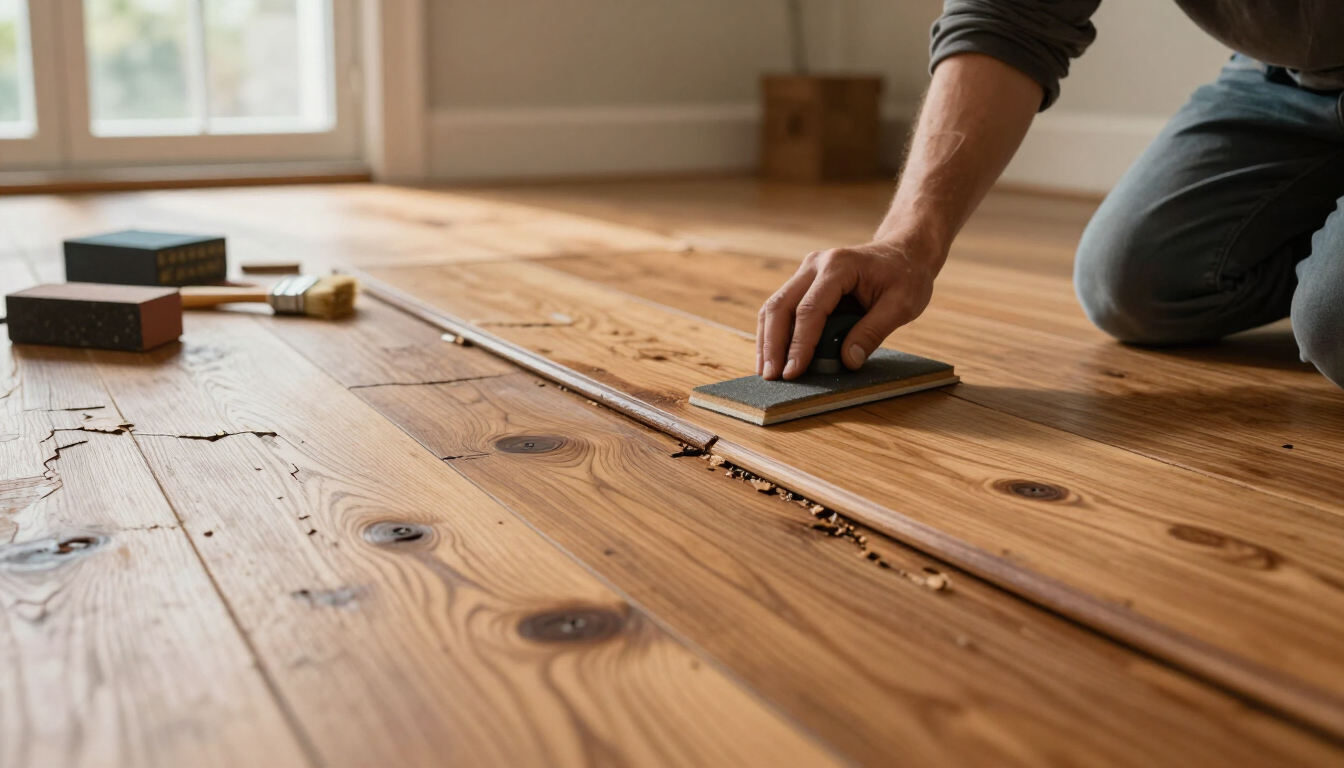
- Gaps Between Floorboards: If you've got small gaps that appeared when the air got dry, you might be able to fill them. For tiny gaps, wood filler or even a mixture of sawdust and wood glue can work. Just be sure to match the color as best you can. For slightly larger gaps, you might need a specialized wood filler product. The trick is to pack it in there firmly and then sand it smooth once it's dry.
- Squeaky Floor Noises: Those squeaks often come from planks rubbing against each other or the subfloor. Sometimes, a bit of talcum powder or graphite powder sprinkled into the cracks can quiet things down. If that doesn't work, you might need to try driving a few finishing nails at an angle through the plank into the subfloor, but be careful not to split the wood or make the problem worse.
- Minor Scratches or Dings: Small surface scratches can often be buffed out or repaired with a furniture repair crayon or touch-up pen that matches your floor's color. For deeper scratches, you might need a wood filler stick.
It's important to remember that wood is a natural material. It breathes and moves with changes in its environment. What seems like damage might just be the wood reacting to the dry air. Patience and the right approach can often bring your floors back to looking great.
When To Call A Professional
While some issues are manageable at home, others require a professional touch. Don't hesitate to call in an expert if you're dealing with:
- Significant Cupping or Crowning: If your floorboards are noticeably warped, with edges higher than the center (cupping) or the center higher than the edges (crowning), this is a more serious issue. It often indicates a moisture problem that needs to be addressed at the source, and improper repair can make it worse.
- Widespread Gapping: If the gaps are very large, or if they've appeared across a large section of your floor, it might be a sign of a bigger problem with the installation or a more severe moisture imbalance.
- Deep Damage or Stains: If your floors have deep gouges, significant water damage, or stubborn stains that you can't remove with gentle cleaning, a professional refinisher will have the tools and knowledge to fix them.
- Uncertainty About the Cause: If you're not sure why your floors are damaged, or if you've tried simple fixes and they haven't worked, it's always best to get a professional opinion. They can diagnose the root cause and recommend the most effective repair strategy.
Regional Considerations For Tennessee And Georgia
When you live in Tennessee or Georgia, you know winters can be a bit unpredictable. One week it's mild, and the next, you're dealing with freezing temperatures and maybe even some ice. This kind of weather swing really puts your hardwood floors to the test.
Typical Winter Humidity Levels
Generally, the air in Tennessee and Georgia tends to get drier in the winter. This is mostly because of the cold air outside, which holds less moisture, and then we crank up the heat inside. The biggest culprit is often the heating system working overtime to keep us warm. This combination can lead to a significant drop in indoor humidity. You might notice the air feeling really dry, and your floors will feel it too. It's a good idea to keep an eye on your home's humidity levels, aiming for that sweet spot between 35% and 55% if possible. You can get a small hygrometer to measure this easily. Dealing with dry air is a big part of protecting your floors in this region.
Impact Of Heating Systems
Our heating systems, whether they're furnaces, heat pumps, or even fireplaces, play a huge role. As they heat the air, they also dry it out. This is especially true for forced-air systems that constantly circulate air. If you have a whole-house humidifier attached to your furnace, make sure it's working correctly and set properly for the winter months. If not, portable humidifiers can help in specific rooms. It's all about managing that moisture balance to prevent your floors from shrinking too much. We've seen homes in areas like Chattanooga deal with this issue after a cold snap, and it's a common problem across the South when temperatures drop significantly. Cold snaps are coming.
The constant cycle of heating and cooling, especially during colder months, can create a challenging environment for wood. Wood naturally expands and contracts with changes in temperature and moisture. When the air inside your home becomes excessively dry due to heating, the wood planks lose moisture and shrink. This shrinkage is what often leads to visible gaps appearing between them. Conversely, if humidity spikes suddenly, the wood can absorb moisture and expand, potentially causing other issues like cupping.
When thinking about flooring for your home in Tennessee or Georgia, remember that local needs can be different. We understand the unique styles and requirements of homeowners in both states. Whether you're in a bustling city or a quiet town, we've got you covered.
Ready to find the perfect floors for your space? Visit our website to see our full range of services and get a free quote today!
Wrapping It Up
So, as you can see, winter weather can really do a number on your hardwood floors here in Tennessee and Georgia. It's not just about aesthetics, either; those gaps and squeaks can sometimes point to bigger issues if left unchecked. The good news is, a little bit of awareness goes a long way. Keeping an eye on your home's humidity levels and making sure your heating system is running right can make a big difference. If you're noticing some strange changes in your floors when it gets cold, don't just ignore them. A quick check-up or a chat with a flooring pro might save you some headaches down the road. Your floors will thank you for it, and you'll be able to enjoy that beautiful wood for years to come.
Frequently Asked Questions
Why do my wood floors get gaps in the winter?
When it gets cold outside, the air inside your house tends to get really dry, especially when you turn up the heat. Wood is like a sponge for moisture; it shrinks when it's dry and expands when it's damp. So, in the dry winter air, your wood floors lose moisture and shrink, causing small spaces to appear between the boards.
What's the difference between cupping and crowning?
Cupping is when the edges of your floorboards are higher than the center, making them look like a shallow bowl. Crowning is the opposite, where the center of the board is higher than the edges, giving it a rounded top. Both usually happen because of too much moisture on the bottom of the wood or not enough on the top, often caused by humidity changes.
How can I stop my wood floors from making noise in winter?
Those annoying squeaks often come from the wood planks rubbing against each other or against the nails or subfloor. This happens more in winter when the wood shrinks due to dry air. Keeping the humidity steady helps the wood stay put and can reduce the friction that causes squeaks.
What's the best way to keep my home's humidity right for wood floors?
The sweet spot for wood floors is usually between 35% and 55% humidity. You can use a humidifier during the dry winter months to add moisture back into the air. A hygrometer can help you measure the humidity level so you know if it's too high or too low.
Should I use rugs on my wood floors in winter?
Yes, area rugs can be helpful! They act like a buffer, protecting the wood from sudden temperature changes and helping to keep the humidity more stable in that spot. Just make sure they aren't covering the entire floor, as that can trap moisture underneath.
What if my wood floors already have damage from the cold?
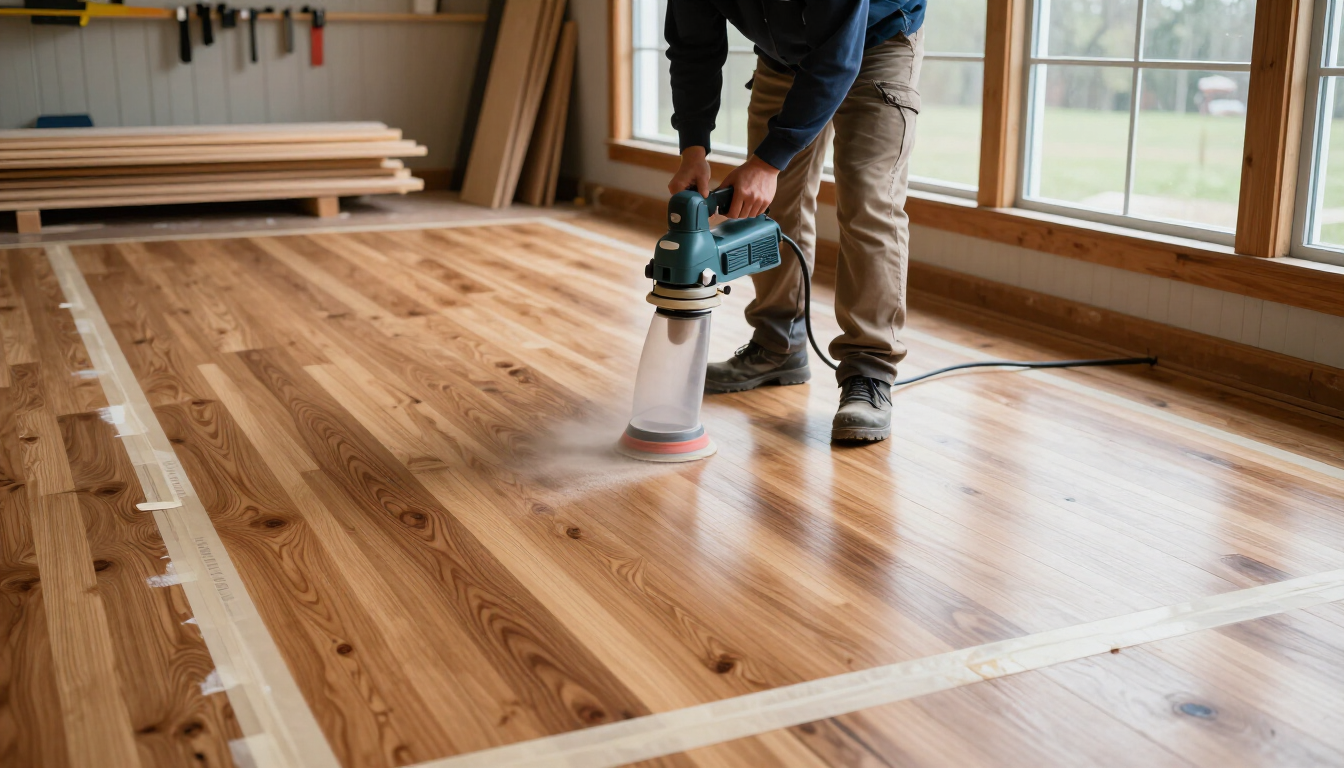
For small gaps, sometimes they'll close up on their own when the weather warms up and humidity returns. If you see cupping or crowning, or if the gaps are really big and don't go away, it might be time to call a flooring expert. They can assess the damage and suggest the best way to fix it, which might involve sanding and refinishing.