Preparing Your Hardwood Floors for Spring Humidity in Georgia & Tennessee
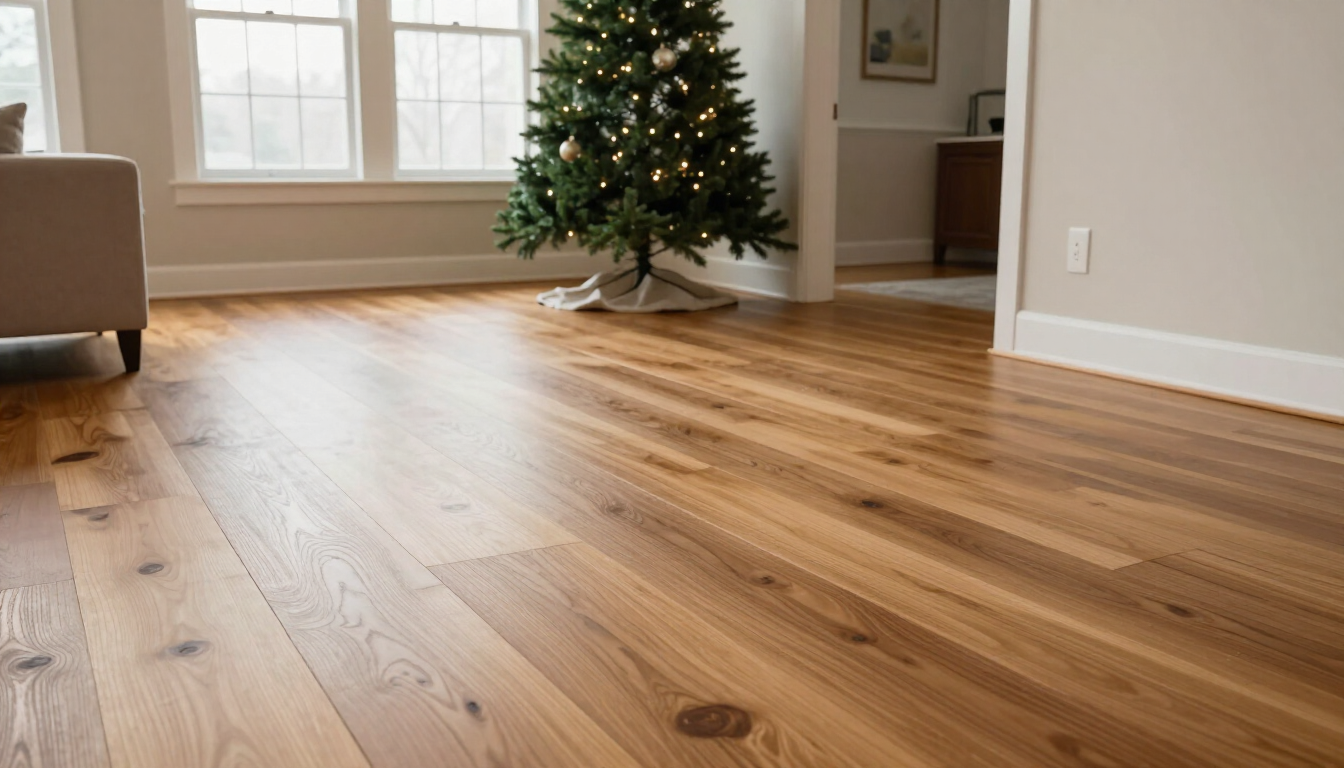
Spring is a beautiful time of year, especially in Georgia and Tennessee. But as the weather warms up and humidity levels rise, our hardwood floors can start to show it. You know, that feeling when you notice your floorboards look a little different than they did in the dry winter months? It's all about the hardwood floor humidity spring brings. This guide will help you get your floors ready and keep them looking good all season long.
Key Takeaways
- Understand how moisture affects your wood floors, causing them to expand and potentially warp.
- Inspect your floors for any signs of damage like gaps or cupping before the high humidity hits.
- Control indoor moisture levels using dehumidifiers and proper ventilation to protect your floors.
- Clean your hardwood floors gently, avoiding too much water, to prevent damage.
- Address any existing floor issues and consider long-term protection like sealing and regular check-ups.
Understanding Spring Humidity's Impact on Hardwood Floors
How Moisture Affects Wood Expansion
So, spring rolls around, and suddenly, the air gets thick and heavy, right? Especially here in Georgia and Tennessee, we know that feeling. Well, your hardwood floors feel it too. Wood is a natural material, and it loves to soak up moisture from the air. When it does, the tiny fibers inside the wood swell up. Think of it like a sponge getting wet – it gets bigger. This expansion happens across the width of the boards more than along their length. This constant cycle of absorbing and releasing moisture is what makes hardwood floors so sensitive to humidity changes. It's not just a little bit of swelling; it can actually push boards together, creating pressure. This is a natural process, but it can cause problems if not managed.
Common Issues Caused by High Humidity
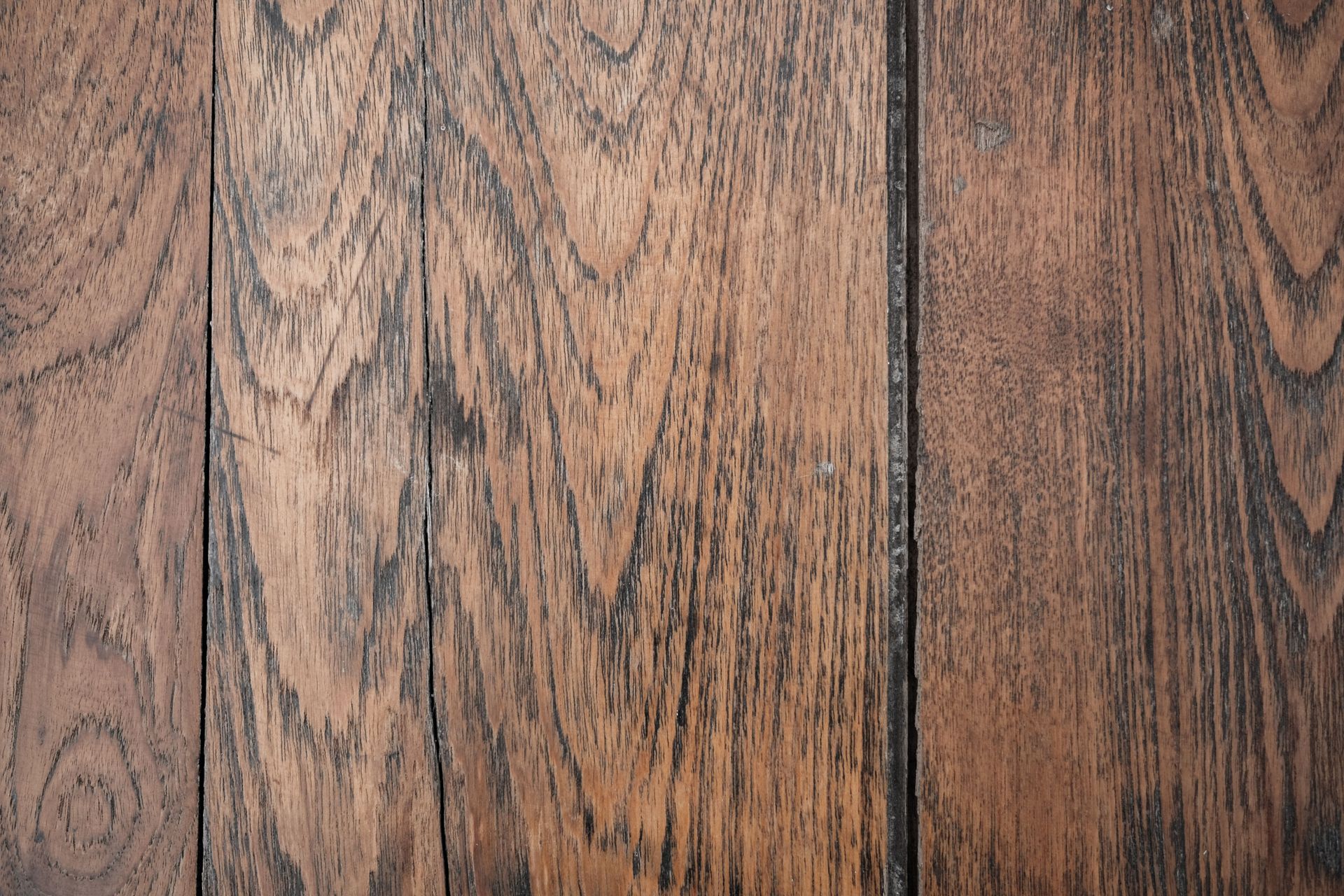
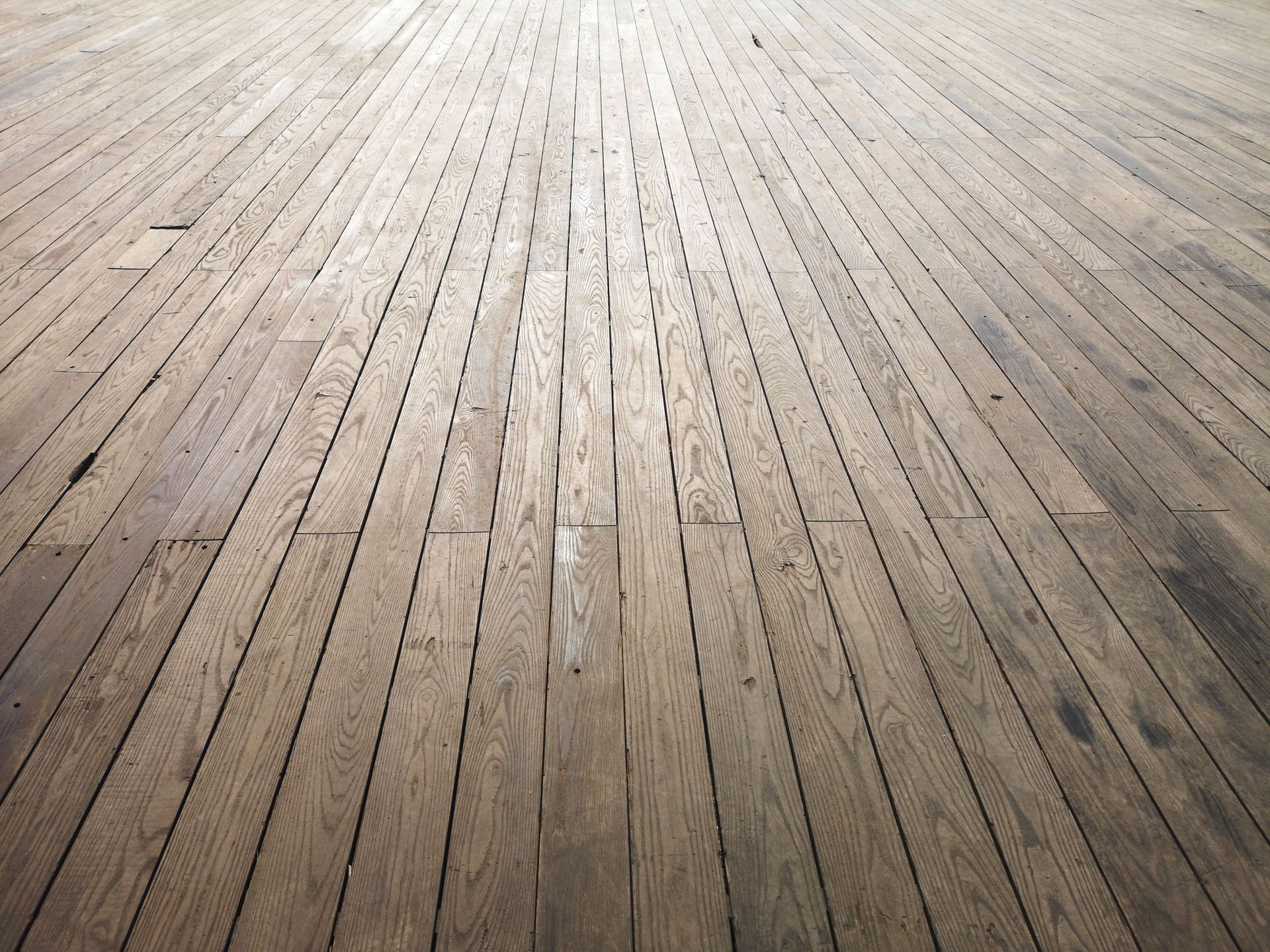
When that humidity really kicks in, you might start noticing some changes in your floors. One of the most common things is that the gaps you might have seen over the drier winter months can disappear. The boards swell and push against each other. If the humidity gets really high, or if there's a sudden spike, you might even see the edges of the boards start to lift slightly. This is called cupping, and it happens when the moisture content is higher on the bottom of the board than on the top. It can make your floors feel a bit uneven underfoot. You might also notice squeaks or creaks that weren't there before, as the boards rub against each other. It’s all part of the wood reacting to its environment.
The key takeaway here is that wood breathes. It takes in and lets out moisture based on the surrounding air. This natural behavior is amplified in regions with significant seasonal humidity shifts, like ours.
The Role of Seasonal Changes in Georgia and Tennessee
Living in the Southeast means we get to experience some pretty distinct seasons, and spring is a big one for humidity. After a dry winter, the air starts to warm up, and it carries a lot more moisture. Think about those sudden thunderstorms or just the general mugginess that settles in. For our hardwood floors, this transition can be pretty dramatic. The wood, which might have contracted during the dry winter, is now rapidly expanding. This rapid change puts stress on the wood and the way it's installed. It’s why paying attention to your floors in the spring is so important – it’s when they’re going through one of their biggest environmental shifts of the year. We're not talking about a little bit of dampness; we're talking about air that can feel like a wet towel.
Pre-Spring Hardwood Floor Inspection
Before the spring rains really start hammering down, it's a good idea to give your hardwood floors a good once-over. Think of it like a check-up for your floors, making sure they're ready for whatever the Georgia and Tennessee humidity decides to throw at them. Catching small issues now can save you a lot of headaches later.
Checking for Gaps and Cupping
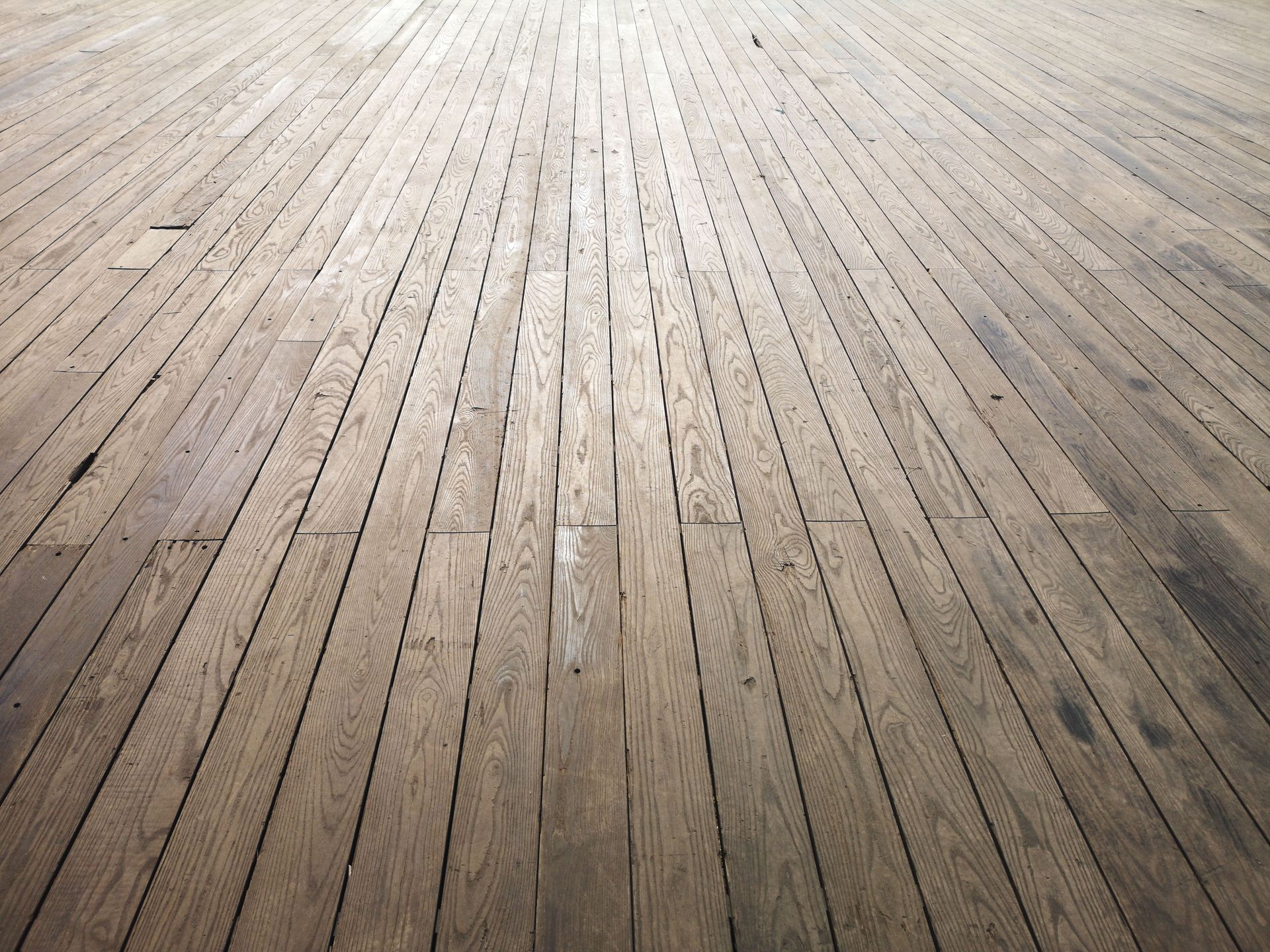
Walk around your house and really look at the floorboards. Do you see any wider-than-usual gaps between them? This can happen when the wood dries out, usually in winter. On the flip side, if you notice boards that seem to be curling up at the edges, that's called cupping, and it's a sign of too much moisture. It's like the wood is getting a bit wavy.
Assessing Finish Integrity
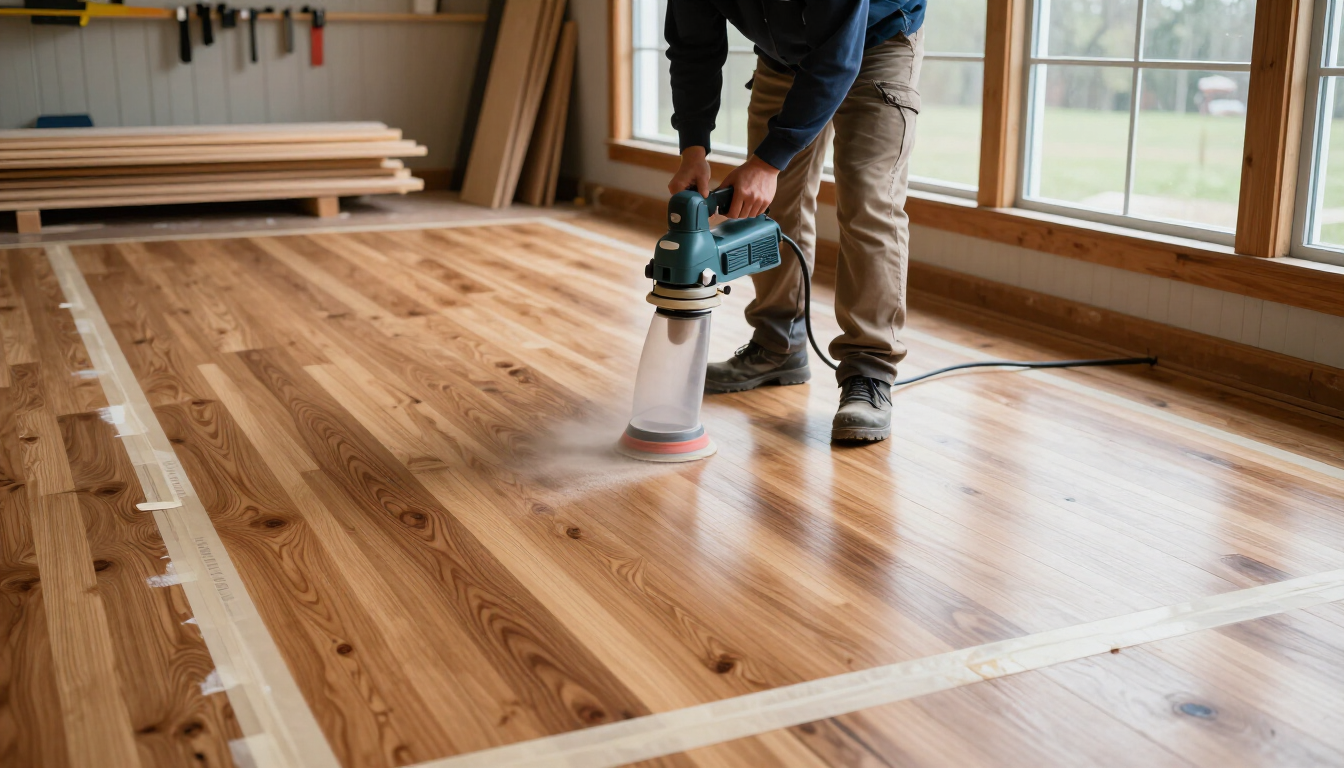
Your floor's finish is its main defense against moisture and wear. Check for any signs of damage. Are there scratches, scuffs, or dull spots? Is the finish peeling or flaking anywhere? A worn-out finish means the wood underneath is more exposed and vulnerable. You might need to think about refinishing your floors if it's looking pretty rough.
Identifying Previous Moisture Damage
Sometimes, you can spot old water damage. Look for dark stains, especially in corners or along walls where water might have seeped in. Discoloration or warping that doesn't seem to be from current conditions could be a sign of past problems. It's important to know if your floors have a history of getting wet.
It's not just about how the floor looks; it's about its structural health. Small problems, like tiny gaps or a few scratches, are usually manageable. But if you see widespread cupping, significant warping, or dark, persistent stains, it might be time to call in a pro. They can tell you if it's something that can be fixed or if a bigger repair is needed.
Here's a quick checklist to help you out:
- Inspect all floorboards for visible gaps or signs of cupping.
- Run your hand over the surface to feel for any unevenness or damage.
- Examine the edges of the room and baseboards for any water stains or discoloration.
- Check the durability of the finish by looking for wear and tear.
Controlling Indoor Humidity Levels
Using Dehumidifiers Effectively
Keeping your home's air from getting too damp is a big deal for your floors, especially when Georgia and Tennessee get that spring mugginess. A dehumidifier is your best friend here. Don't just turn it on and forget about it, though. You need to use it smartly. Think about placing it in areas where moisture tends to build up, like basements or bathrooms. Make sure it's the right size for the room; a tiny one won't do much in a large living area, and an oversized one can make the air too dry, which isn't great either. Empty the water tank regularly, or set up a continuous drain if yours has that option. It’s a bit of a chore, but it’s worth it for happy floors.
Ventilation Strategies for Your Home
Good airflow is key to managing humidity. Sometimes, just opening windows for a bit can help, especially on days when the outside air is drier than inside. But be careful – if it's super humid outside, you're just letting more moisture in! Using exhaust fans in kitchens and bathrooms is a must. They pull out the moist air right where it's created. Consider a whole-house fan if you have one; they can really move air around. Even simple things like not blocking vents with furniture make a difference.
Monitoring Humidity with a Hygrometer
You can't really manage what you don't measure, right? That's where a hygrometer comes in. It's a simple gadget that tells you the exact humidity level in your home. You can get basic digital ones pretty cheap. The sweet spot for hardwood floors is generally between 35% and 55% humidity. Keep an eye on the readings, especially during those damp spring months. If you see the numbers creeping up, it's time to turn on that dehumidifier or check your ventilation. It’s like having a little weather station for your house, specifically for your floors’ well-being.
Keeping an eye on humidity isn't just about comfort; it's about protecting your investment. Wood is a natural material, and it reacts to its environment. Too much moisture can cause swelling, warping, and even mold. Too little can lead to shrinking and gaps. Finding that middle ground is the goal.
Proper Cleaning and Maintenance for Spring
Gentle Cleaning Methods for Hardwood
Spring is a great time to give your hardwood floors a good cleaning after a winter of being cooped up inside. But with the increased humidity in Georgia and Tennessee, you've got to be careful. Too much water can cause real problems for your wood. Stick to methods that use minimal moisture. A good starting point is a thorough dry dusting or vacuuming to pick up all the loose dirt and grit. This prevents scratching when you move to damp cleaning. For actual washing, use a microfiber mop that's only slightly damp. Think of it as wiping, not washing. You want the floor to dry within a minute or two of you passing over it.
Avoiding Over-Wetting During Cleaning
This is probably the most important rule for hardwood floors, especially when the air is already thick with moisture. Over-wetting can lead to a host of issues, from warping and cupping to finish damage. It’s easy to get carried away with a mop, thinking more water means cleaner floors, but that’s just not the case with wood. Always wring out your mop or cloth until it’s barely moist. If you see standing water or your floors look shiny and wet for more than a couple of minutes after you’ve mopped, you’re using too much liquid.
Here’s a quick checklist to avoid over-wetting:
- Always wring out your mop thoroughly.
- Use a spray bottle with your cleaning solution for targeted application.
- Work in small sections, allowing each to dry quickly.
- Never let water pool on the floor.
Choosing the Right Cleaning Products
When it comes to cleaning products, less is often more for hardwood. Harsh chemicals can strip the finish or leave a dull residue. For regular cleaning, a pH-neutral cleaner specifically designed for hardwood floors is your best bet. You can often find these at your local hardware or home goods store. Sometimes, a simple solution of water and a tiny amount of mild dish soap can work, but be very sparing with the soap. Always test any new cleaner in an inconspicuous spot first, like inside a closet, to make sure it doesn’t discolor or damage your floor.
When in doubt, stick to the manufacturer's recommendations for your specific flooring type. They know their product best, and following their advice can save you a lot of headaches down the line. It’s better to be safe than sorry when it comes to protecting your investment.
Addressing Existing Hardwood Floor Issues
Even with the best preparation, sometimes your hardwood floors might show signs of wear and tear, especially after a humid winter. Don't panic! Many common issues can be tackled with a bit of know-how. Addressing these problems proactively will keep your floors looking great and prevent minor issues from becoming major headaches.
Minor Gap Repair Techniques
As wood expands and contracts with humidity changes, small gaps can appear between floorboards. This is pretty normal, especially in older homes or after a particularly wet season. For small gaps, you have a few options:
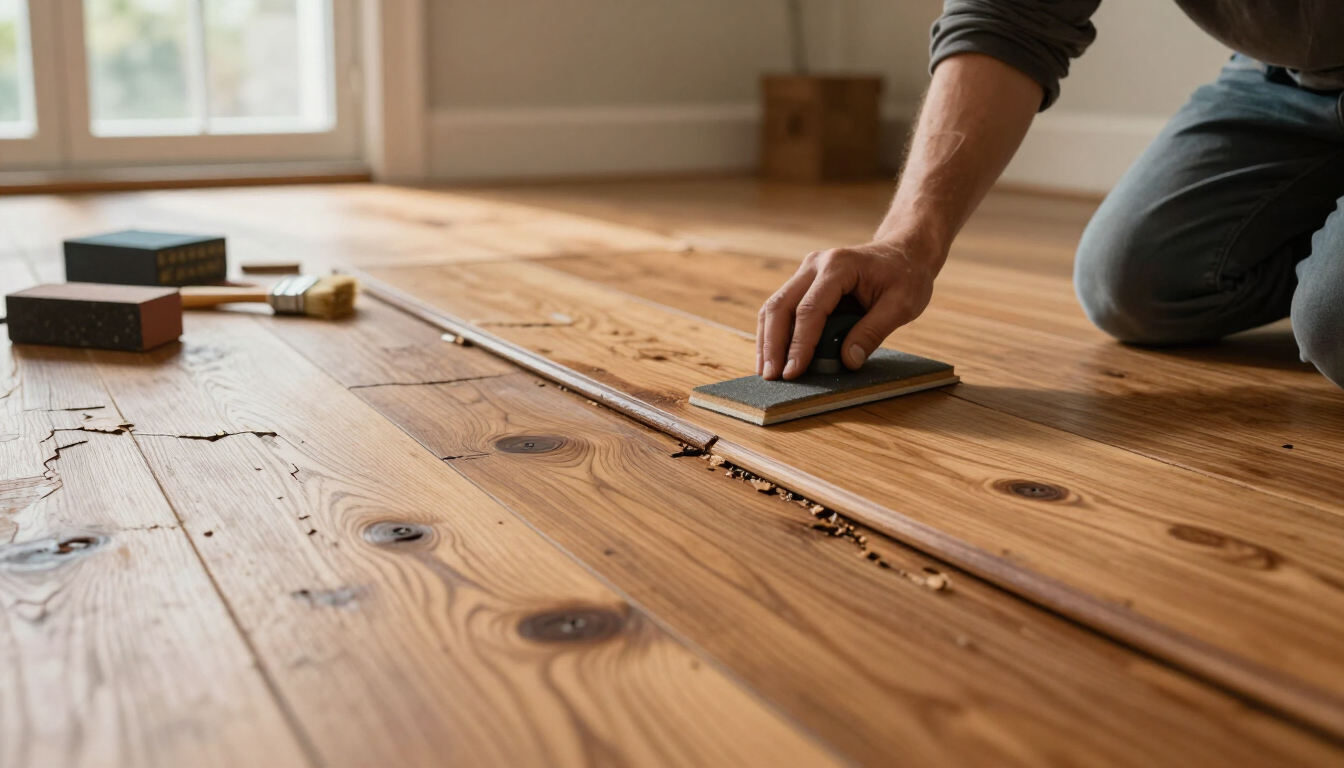
- Wood Filler: For gaps up to about 1/8 inch, a good quality wood filler can work wonders. Choose a color that closely matches your flooring. Apply it with a putty knife, pressing it firmly into the gap. Let it dry completely according to the product instructions, then sand it smooth.
- Caulk: For slightly larger gaps, especially along baseboards, a flexible wood-colored caulk can be a good choice. It allows for some movement without cracking.
- Rope or String: A more old-school method involves pushing a thin piece of cotton rope or string into the gap. This can help fill the void and reduce drafts. You can then cover it with a bit of wood filler or leave it as is, depending on the look you're going for.
Dealing with Surface Scratches
Scratches happen, whether from pets, furniture, or just everyday life. The good news is that most surface scratches aren't the end of the world.
- For light scratches: Often, a good cleaning and a bit of buffing with a soft cloth can make them disappear. Sometimes, a specialized hardwood floor scratch repair product or a furniture polish designed for wood can fill in and hide minor marks.
- For deeper scratches: You might need to use a wood stain marker or crayon that matches your floor's color. Carefully apply it to the scratch, wiping away any excess. For more significant damage, you might consider a touch-up with a matching stain and a clear topcoat, but this can be tricky to get right.
Sometimes, a scratch tells a story. While it's good to fix them, don't get too hung up on perfection. A little character can add to the charm of a well-loved floor.
When to Consult a Professional
While DIY fixes are great for minor issues, some problems are best left to the pros. If you're seeing any of these signs, it's probably time to call in an expert:
- Widespread Cupping or Crowning: If entire boards are bending upwards (cupping) or downwards (crowning) significantly, it indicates a serious moisture imbalance that needs professional assessment and correction.
- Buckling or Warping: This is when floorboards lift off the subfloor, creating an uneven surface. It's a clear sign of excessive moisture and potential structural issues.
- Extensive Finish Damage: If the protective finish is worn away in large areas, exposing the raw wood to moisture and wear, a professional refinishing might be necessary.
- Mold or Mildew: Any sign of mold or mildew on or under your flooring is a serious health concern and requires immediate professional attention.
Don't hesitate to reach out to a flooring specialist if you're unsure about the best course of action. They have the tools and experience to diagnose complex problems and provide lasting solutions, saving you time, money, and a lot of frustration in the long run.
Long-Term Strategies for Humidity Management
Sealing and Finishing for Protection
Keeping your hardwood floors protected is a big part of managing humidity over time. A good seal acts like a shield, slowing down how much moisture the wood can soak up. Think of it like putting a raincoat on your floors. When you're choosing a finish, look for something durable that can stand up to the ups and downs of Georgia and Tennessee's weather. Polyurethane finishes are popular for a reason; they offer a solid barrier. Reapplying this finish every few years, especially in high-traffic areas, makes a real difference. It's not just about looks; it's about keeping the wood stable.
Landscaping Considerations Around Your Home
What's happening outside your house can really affect the inside. Make sure your gutters are clean and directing water away from your foundation. Grading your yard so it slopes away from the house is also a smart move. You don't want water pooling up near your walls, because that moisture can find its way inside and mess with your floors. Planting trees and shrubs too close to the house can also trap moisture against the siding, which can eventually seep in. Keep a good distance between your landscaping and your home's structure.
Regular Professional Inspections
Sometimes, you just can't see all the potential problems yourself. Having a flooring professional come out once a year or so can catch issues before they become big headaches. They know what to look for – subtle signs of moisture damage, wear on the finish, or even small gaps that could widen. Getting a professional opinion is a proactive step that saves you money and stress down the road. They can spot problems you might miss, like a slow leak from a plumbing issue or a failing seal in a less obvious spot. It's like a yearly check-up for your floors, keeping them healthy and looking good for years to come.
Keeping your home's air just right is key, especially when it comes to moisture. Too much dampness can cause problems, but so can air that's too dry. Learning how to balance humidity levels helps keep your home comfortable and your belongings safe. For expert advice on managing moisture in your home, visit our website today!
Keep Those Floors Looking Good
So, we've talked about how the spring humidity in Georgia and Tennessee can really affect your hardwood floors. It's not just about looks, either; it's about keeping them in good shape for years to come. Taking these simple steps, like watching the moisture levels and maybe getting a humidifier or dehumidifier if you need one, can make a big difference. Your floors will thank you, and you won't have to worry as much about warping or gaps. It’s really about being a little proactive, and honestly, it’s not that much work when you think about how nice your floors will look and feel all season long.
Frequently Asked Questions
Why does humidity make my wood floors swell up?
Wood is like a sponge for moisture! When the air gets really damp, like it often does in Georgia and Tennessee during spring, the tiny fibers in your hardwood floors soak up that extra water. This causes the wood planks to expand, or swell, making them push against each other. This can lead to floors that feel a bit tight or even start to bulge a little.
What kind of problems can too much moisture cause for my floors?
High humidity can cause a few headaches for your wood floors. You might notice small gaps between the planks disappearing as they swell. In worse cases, the edges of the planks can lift upwards, which we call 'cupping.' Sometimes, the finish on the floor can get cloudy or even peel because of the constant dampness.
How do I know if my floors have been damaged by moisture before?
Look closely at your floors. If you see planks that are darker than others, especially in certain spots, it could be a sign of old water damage. Also, check if any boards feel soft or spongy when you walk on them. Sometimes, you might see discoloration or warping that wasn't there before.
What's the best way to keep the moisture in my house under control?
Using a dehumidifier is a great tool! It pulls extra moisture right out of the air. Make sure to set it to a good level, usually between 40% and 50% humidity. Also, good airflow helps. You can open windows when the outside air isn't too damp, or use fans to keep the air moving inside your home.
How often should I clean my hardwood floors in the spring, and what's the best way?
During spring, it's good to clean your floors a bit more often, maybe once or twice a week. The key is to use a damp mop, not a soaking wet one. You want the mop to be just slightly moist. Use a cleaner specifically made for hardwood floors, and always wring out your mop really well before you start.
When should I call a professional to fix my floors?
If you notice big problems like boards that are severely warped, cupped, or have large gaps that won't close, it's time to call in the experts. Also, if you see widespread finish damage or suspect a serious moisture issue that you can't fix yourself, a professional flooring specialist can assess the situation and recommend the best repairs.