Best Hardwood Floor Finishes for Busy Spring Households
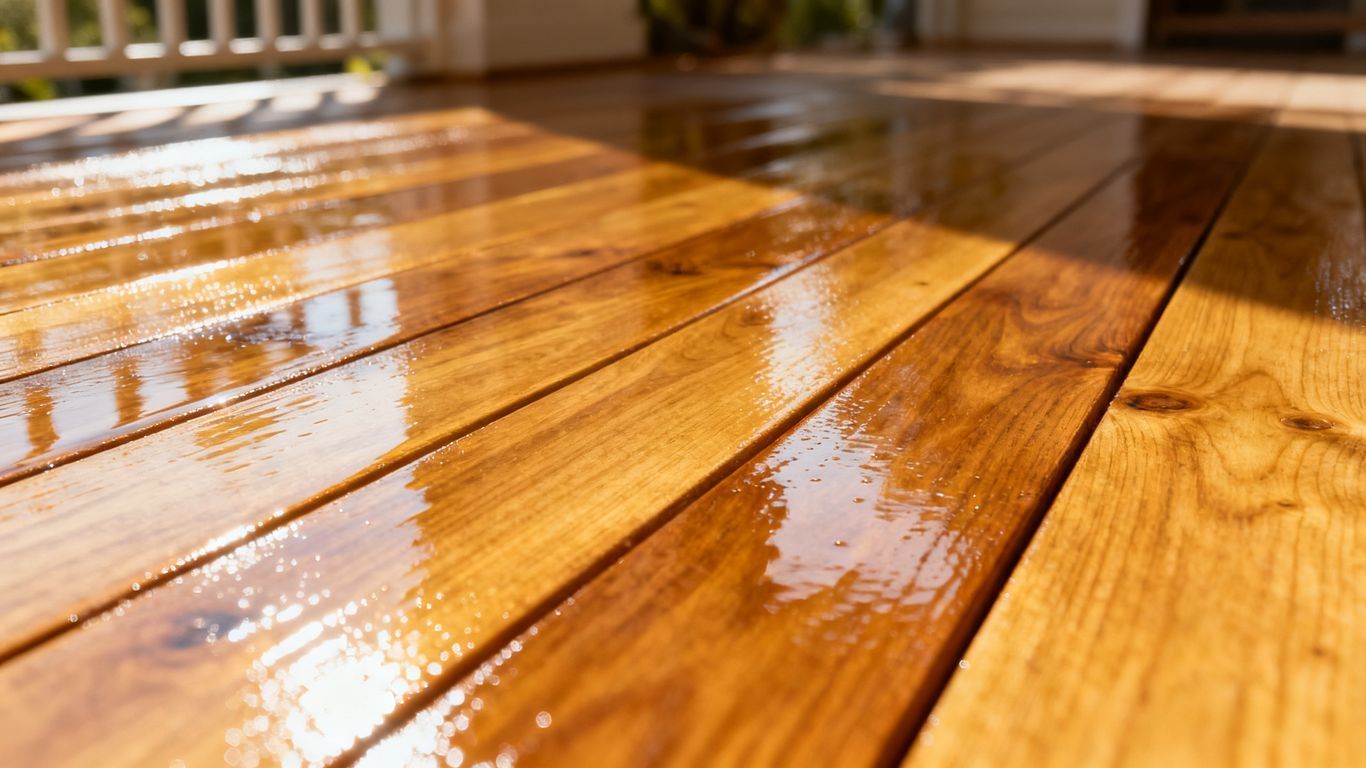
Springtime means more action around the house, right? Kids running in and out, maybe a pet tracking in some mud, or just the general hustle and bustle of the season. All that activity can put a real beating on your hardwood floors. So, picking the right finish is a big deal if you want them to look good and last. We're going to look at some of the best hardwood floor finish options that can handle a busy home and help you get durable wood floors.
Key Takeaways
- Water-based polyurethane is a good choice for a clear, protective coat that dries fast and doesn't yellow over time.
- Oil-based polyurethane offers a warmer look and is quite tough, but it takes longer to dry and can yellow.
- Hardwax oils, like those from Osmo and Rubio Monocoat, soak into the wood, offering a natural feel and easy spot repairs.
- Consider finishes like Bona Mega ONE or Varathane Ultimate for good protection without a huge hassle.
- The best hardwood floor finish for your home depends on how much traffic you have and the look you want to achieve for your durable wood floors.
1. Water-Based Polyurethane
When you've got kids, pets, or just a generally chaotic household, you need a floor finish that can keep up. Water-based polyurethane is a solid choice for busy homes. It dries much faster than its oil-based cousin, which means less downtime for your floors and less disruption to your life. Plus, it has a lower odor, making application a bit more pleasant, especially if you're doing it yourself.
Here's why it's a good fit:
- Quick Drying: You can often recoat in just a few hours, and the floor can be ready for light traffic within a day or two. This is a big deal when you can't afford to have rooms off-limits for too long.
- Low VOCs: Volatile Organic Compounds (VOCs) are what give finishes their smell and can be harsh. Water-based options generally have fewer of these, making them a healthier choice for your indoor air quality.
- Clarity: Unlike oil-based finishes that can add a yellow tint, water-based polyurethanes dry clear. This is great if you want to preserve the natural color of your wood.
It's not quite as tough as some oil-based finishes, but for most everyday spills and scuffs, it holds up pretty well. You might just need an extra coat or two for added protection in high-traffic areas.
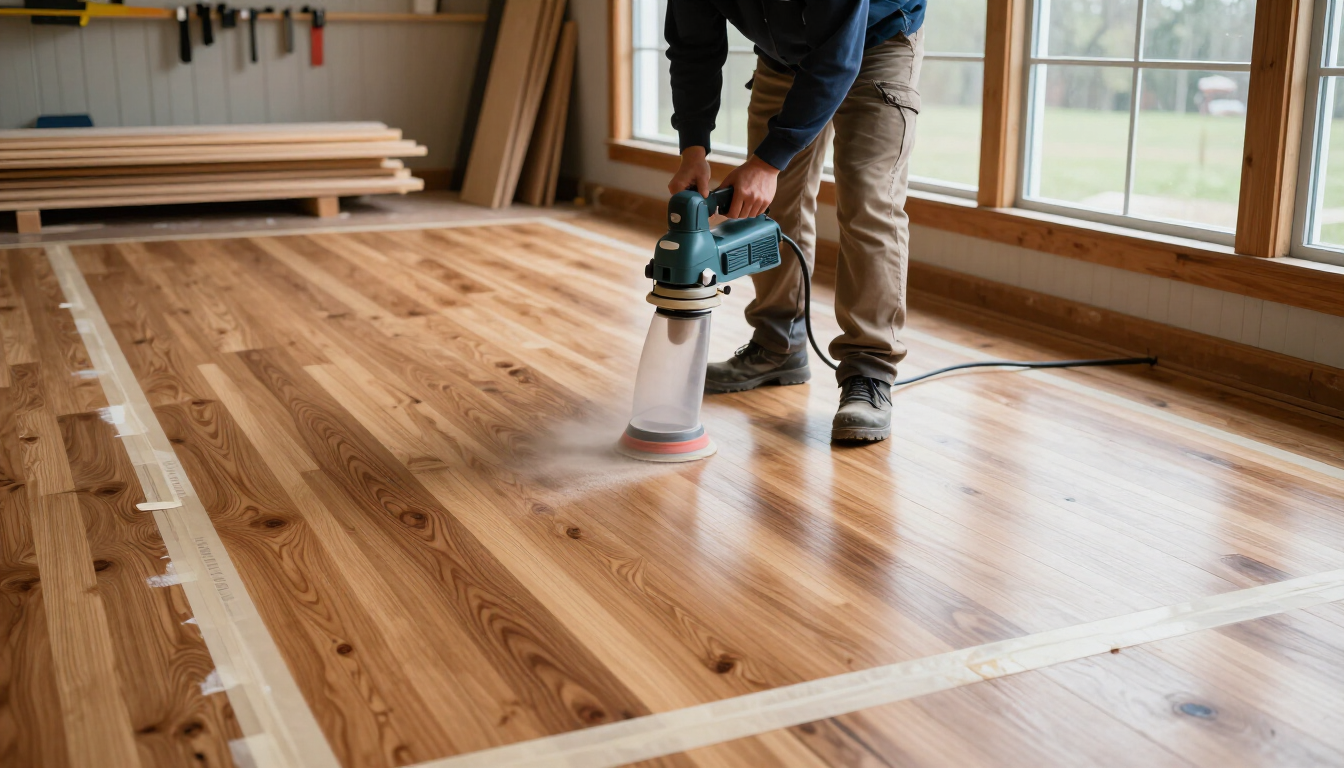
Applying water-based polyurethane usually involves multiple thin coats. It's important to let each coat dry completely before applying the next. Sanding lightly between coats with a fine-grit sandpaper helps create a smoother, more durable finish. Always follow the manufacturer's specific instructions for best results.
2. Oil-Based Polyurethane
If there's a hardwood floor finish that can handle a whirlwind of muddy shoes, dropped sports gear, and the general chaos of family life, it's oil-based polyurethane. Sure, it takes a bit longer to dry compared to water-based options, but what you get is serious protection, a rich look, and real staying power.
Here's why so many busy households trust it:
- Longer-lasting finish: Oil-based polyurethane can take a beating before it even thinks about showing wear.
- Warm, amber glow: Over time, this finish gives wood a bit of that classic, mellow color, making scuffs less visible.
- Fewer re-coats: Because it’s tough, you won’t have to refinish as often.
Application does take patience, since it has a stronger smell and needs more time to fully cure. That downtime can be a pain in a high-traffic home. People also mention that cleanup isn’t as easy as with a water-based polyurethane (water-based polyurethane is less durable), but the trade-off is the heavy-duty protection.
For spring, when everyone keeps tracking in grit and water, oil-based polyurethane is the shield that helps floors survive until things calm down.
3. Bona Mega ONE
When you're looking for a finish that holds up to daily life, Bona Mega ONE is a solid choice. It's a water-based polyurethane that's pretty popular for a reason. It dries fast and is ready for recoating in just a couple of hours, which is a lifesaver when you're trying to get your floors done without disrupting the whole house for too long.
What I like about it is how it feels once it's on. It's not super plasticky, and it seems to handle scuffs and scratches pretty well, especially for a water-based option. It's good for high-traffic areas, so if you've got kids or pets running around, this finish can take a beating.
Here's a quick rundown of why it's a good pick:
- Durability: It's built to last and resist wear and tear.
- Fast Drying: You can get back to using your rooms quicker.
- Low VOCs: It's generally better for indoor air quality compared to some older finishes.
It's a good idea to use a quality primer underneath, like the Bona water-based primer, to get the best results and make sure the finish adheres properly. This stuff is pretty forgiving, even if you're not a pro floor finisher. Just make sure you prep your floors right – that's always the most important step, no matter what finish you pick.
4. Varathane Ultimate Polyurethane
When you're looking for a finish that's tough enough for a busy house but still gives you that nice look, Varathane Ultimate Polyurethane is a solid choice. It's a water-based product, which means it dries faster and has less odor than the old oil-based stuff, making it way easier to work with, especially if you're doing this yourself.
This finish is known for its durability and how well it holds up against everyday wear and tear. It creates a protective layer that can handle spills, scuffs, and all the general chaos that comes with kids and pets running around. Plus, it dries to a clear finish, so it won't really change the natural color of your wood floors.
Applying it is pretty straightforward:
- Make sure your floors are clean and prepped. Any dust or grime will mess with the finish.
- Apply thin, even coats. It's better to do a few thin coats than one thick one that might not dry right.
- Allow adequate drying time between coats. Check the can, but usually, a few hours is good.
It's a good option if you want a finish that's pretty forgiving and gives you a nice sheen without a ton of fuss. Many people find it provides a beautiful, long-lasting finish on their floors, and it's often recommended for DIY projects because of its user-friendly nature. You can find this finish at most hardware stores, making it accessible for your next flooring project.
Varathane Ultimate Polyurethane is a good middle-ground option. It offers a good balance of protection and ease of application, making it a popular pick for homeowners who want a reliable finish without a steep learning curve. It's a product that many DIYers have had success with, leading to floors that look great and stand up to daily life.
If you're thinking about refinishing your floors, this is definitely one to consider. It's a reliable product that's been around for a while and has a good reputation for performance. You can find more information on applying floor finishes on various home improvement sites.
5. Minwax Polycrylic
Minwax Polycrylic is a popular choice for homeowners looking for a durable, water-based finish. It's known for drying clear, which means it won't yellow over time like some oil-based finishes can. This makes it a great option if you have lighter-colored wood floors and want to maintain that original look. Plus, because it's water-based, cleanup is usually a breeze – just soap and water.
It's a good pick for high-traffic areas because it holds up well against everyday wear and tear.
Here's why people often go with Polycrylic:
- Quick Drying Time: You can usually recoat it within a couple of hours, which speeds up the finishing process considerably. This is a big plus when you're trying to get your floors back in commission quickly.
- Low Odor: Compared to oil-based finishes, the smell is much less intense, making the application process more pleasant, especially if you're working inside your home.
- Durability: While it dries clear, it still provides a tough protective layer against scuffs and scratches. It's not quite as rock-hard as some oil-based options, but for most busy households, it's more than enough.
When applying Minwax Polycrylic, make sure your surface is clean and dry. Proper prep work is key to getting a smooth, even finish that will last. Don't rush the application; thin, even coats are better than one thick, gloppy one. Sanding lightly between coats can also help with adhesion and smoothness.
It's a good all-around finish that balances ease of use with decent protection. If you're a DIYer and want something that's forgiving and effective, Polycrylic is definitely worth considering for your floors.
6. Tung Oil
Tung oil is a natural wood finish that comes from the nuts of the Tung tree. It's been used for centuries, and for good reason. It penetrates the wood deeply, creating a hard, durable surface that's also quite beautiful.
When you apply tung oil, it soaks into the wood grain, unlike finishes that just sit on top. This makes it pretty resistant to water and general wear and tear. It gives wood a lovely, low-sheen look that many people really like. It's not a super glossy finish, more of a natural, matte appearance.
Here's a bit about working with it:
- Preparation is key: Make sure your floor is clean and dry. Any dust or old finish will mess things up.
- Application takes time: You'll usually need to apply multiple thin coats. Let each coat dry completely before adding the next. This can take a day or more per coat, depending on humidity.
- Maintenance is simple: If the floor gets scratched or worn, you can often just reapply a coat of tung oil to refresh it. No need to strip the whole floor.
Tung oil is a good choice if you want a finish that looks natural and is relatively easy to repair. It's not the fastest finish to apply, but the results can be worth the wait for a lot of homeowners. It's a finish that ages well.
It's a good option for busy homes because it doesn't chip or peel like some film finishes can. Plus, if you get a scuff mark, you can often just rub some more oil into that spot to blend it in. It's a very forgiving finish in that regard. Just remember, it's not completely waterproof, but it holds up pretty well against spills if you wipe them up quickly.
7. Hardwax Oil
Hardwax oil finishes are a bit of a hybrid, combining natural oils and waxes. They soak into the wood, coloring and protecting it from within, while the wax sits on the surface to add a protective layer. This dual action makes them quite durable and repairable.
What's cool about hardwax oils is how they let the natural beauty of the wood shine through. They don't create that thick plastic-like film you sometimes see with polyurethanes. Instead, they give the floor a more natural, matte look that feels great underfoot.
Here's why they're a good pick for busy homes:
- Easy to maintain: Spills and scuffs are usually not a big deal.
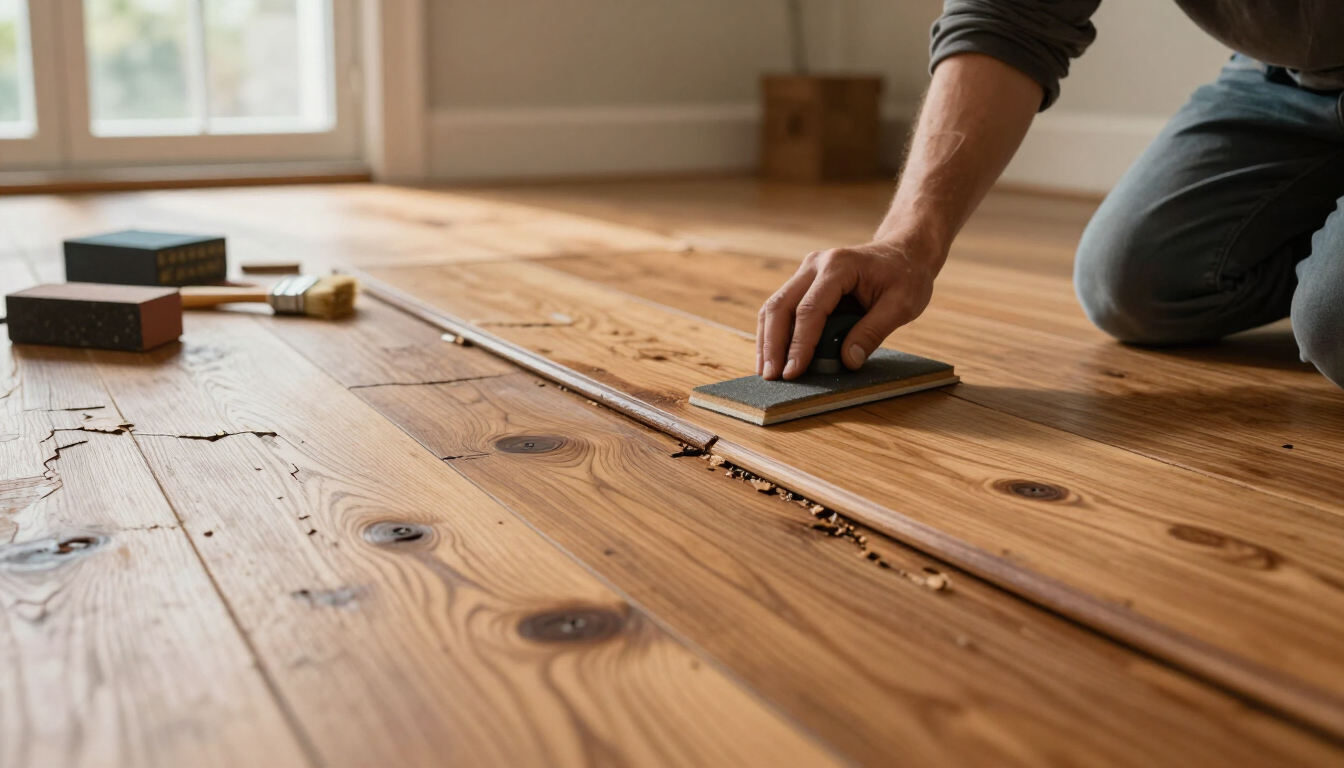
- Spot repair friendly: If you get a deep scratch or a stubborn stain, you can often just sand down that small area and reapply the oil, rather than refinishing the whole floor.
- Non-toxic options: Many hardwax oils are made with plant-based oils and waxes, making them a safer choice for homes with kids and pets.
- Breathable finish: Unlike film finishes, hardwax oil allows the wood to breathe, which can help prevent issues like cupping or cracking over time.
When you're applying hardwax oil, it's usually a two-coat process. The first coat soaks in and colors the wood, and the second coat adds the protective wax layer. It's not complicated, but you do need to work it into the grain properly to get an even finish. Make sure you have good ventilation, as some of the natural oils can have a scent.
Think of it as feeding your floor. It nourishes the wood while giving it a shield. For a look that's both natural and tough, hardwax oil is definitely worth considering.
8. Osmo Polyx-Oil
When you're looking for a finish that's tough but also lets the natural beauty of your wood shine through, Osmo Polyx-Oil is a pretty solid choice. It's a bit different from your standard polyurethane because it's made from natural oils and waxes. This means it soaks into the wood rather than just sitting on top, which gives it a really nice, matte look that feels great underfoot.
It's a favorite for a reason, especially in homes with kids and pets.
Here’s why it stands out:
- Durability: It holds up well against spills and scuffs, which is a big plus for busy households. You don't have to worry as much about everyday wear and tear.
- Natural Feel: Because it penetrates the wood, it doesn't create that plastic-y surface you sometimes get with polyurethanes. The wood still feels like wood.
- Easy to Repair: If you get a scratch or a worn spot, you can often just reapply the oil to that specific area without having to refinish the whole floor. This is a huge time-saver.
- Low VOCs: It's generally considered a more eco-friendly option, with fewer harsh chemicals, which is good for indoor air quality.
Applying it is pretty straightforward, though it's not quite as simple as rolling on a coat of paint. You usually apply it with a brush or a special applicator pad, working it into the wood. It dries relatively quickly, but you'll want to give it a good 24 hours before putting furniture back and a week or so before it's fully cured and ready for heavy traffic.
Osmo Polyx-Oil is a blend of natural oils and waxes that penetrates the wood, offering protection from within. This approach means the finish is less prone to cracking or peeling over time compared to surface-level coatings. It also allows the wood's natural grain and character to remain visible and tactile, giving your floors a warm, inviting appearance that ages gracefully.
It's a bit pricier upfront than some other options, but the ease of maintenance and the beautiful, natural look often make it worth the investment for a busy home.
9. Rubio Monocoat
Rubio Monocoat is a bit different from your typical polyurethane finishes. It's a hardwax oil system that's gained a lot of fans, and for good reason. The main selling point? It cures really fast, usually within 24 hours, which is a lifesaver when you've got kids or pets running around.
It bonds molecularly with the wood, meaning you only need one coat. That sounds wild, right? But it's true. This makes application pretty straightforward, though you still want to be careful and follow the instructions.
Here's a quick rundown of why people like it:
- One-coat application: Saves a ton of time and effort.
- Durable finish: Stands up well to daily wear and tear.
- Natural look: It doesn't create a plastic-like film on top of the wood, so you still get that authentic wood feel.
- Easy to repair: If you get a scratch, you can often just spot-repair it without redoing the whole floor.
One thing to keep in mind is that while it's durable, it's not completely waterproof. Spills should still be wiped up promptly. It's more about resisting everyday scuffs and dirt than standing up to a flood.
They have a few different lines, but the core idea is that same single-coat, molecular bonding technology. It's a solid choice if you're looking for something that's both tough and has a really natural appearance.
10. Loba Silver Care
When you're looking for a finish that offers a bit more than just protection, Loba Silver Care is worth a look. It's a water-based finish that's designed to be pretty tough, which is exactly what you need with kids and pets running around. This finish is known for its excellent resistance to scuff marks and chemicals, making those inevitable spills and muddy paw prints less of a worry. It also has a nice, natural look that doesn't make your floors look overly plastic-y.
What makes Loba Silver Care stand out is its antimicrobial property. This isn't just about keeping your floors looking good; it's about hygiene too. For busy households, anything that helps keep things cleaner with less effort is a win. It's a good option if you're trying to avoid the harsh smells and long drying times associated with some other finishes. Plus, it's pretty straightforward to apply, which is always a bonus when you're trying to get your floors done without too much fuss.
Here's a quick rundown of why it's a solid choice:
- Durability: Stands up well to daily traffic and wear.
- Hygiene: Features antimicrobial properties to help keep surfaces cleaner.
- Aesthetics: Provides a natural, matte appearance that highlights the wood.
- Ease of Use: Relatively simple application process for a professional look.
Floor coatings can be a significant concern, especially when a beautiful finish proves inadequate against daily wear, spills, and mishaps. Loba Silver Care aims to address these issues by providing a finish that is both protective and practical for everyday living. It's a good middle-ground option if you want something that performs well without being overly complicated or expensive. It's a good idea to check out different floor coatings to see how it compares.
Keeping your Loba Silver looking its best is simple! We've got easy tips to make sure your silver shines for years to come. Want to learn more about how to care for your precious metals? Visit our website for all the details and expert advice.
Wrapping Up Your Floor Finish Choice
So, picking the right finish for your hardwood floors when life gets a little hectic is a big deal. We've looked at a few good options that can handle the daily grind of kids, pets, and all that springtime activity. Remember, it's not just about how the floor looks, but how it holds up. Think about what you need most – maybe it's scratch resistance or ease of cleaning. Whatever you choose, a well-finished floor will make your home look great and save you headaches down the road. Happy flooring!
Frequently Asked Questions
What's the biggest difference between water-based and oil-based floor finishes?
Think of it like this: water-based finishes dry super fast and don't have a strong smell, making them great for quick projects. Oil-based ones take longer to dry and have a stronger smell, but they can create a really tough, classic look on your floors.
Are these finishes safe for homes with kids and pets?
Most modern finishes are much safer than they used to be! Many are low-VOC, which means they release fewer fumes. Always check the product label to be sure, but generally, finishes like water-based polyurethanes and hardwax oils are good choices for busy family homes.
How often do I need to reapply floor finish?
It really depends on how much traffic your floors get. For a busy household, you might need to touch up or reapply a protective coat every 2-5 years. High-traffic areas will show wear sooner than less-used spots.
Can I use a finish that's easy to repair if it gets scratched?
Yes! Finishes like hardwax oils are fantastic for this. Instead of sanding down the whole floor, you can often just reapply a bit of oil to the scratched area, and it blends right in. It's much simpler than fixing polyurethane.
What's the easiest finish to apply myself?
For DIYers, water-based polyurethanes like Minwax Polycrylic or brands like Bona are often recommended. They dry fast, clean up with water, and are generally more forgiving than oil-based options. Hardwax oils can also be quite user-friendly for smaller areas.
Does the finish change the color of my wood floors?
Some finishes, especially oil-based ones, can add a warm, amber tone to the wood, making it look richer. Water-based finishes tend to be clearer and preserve the wood's natural color more accurately. If you want a specific look, always test a small, hidden area first!