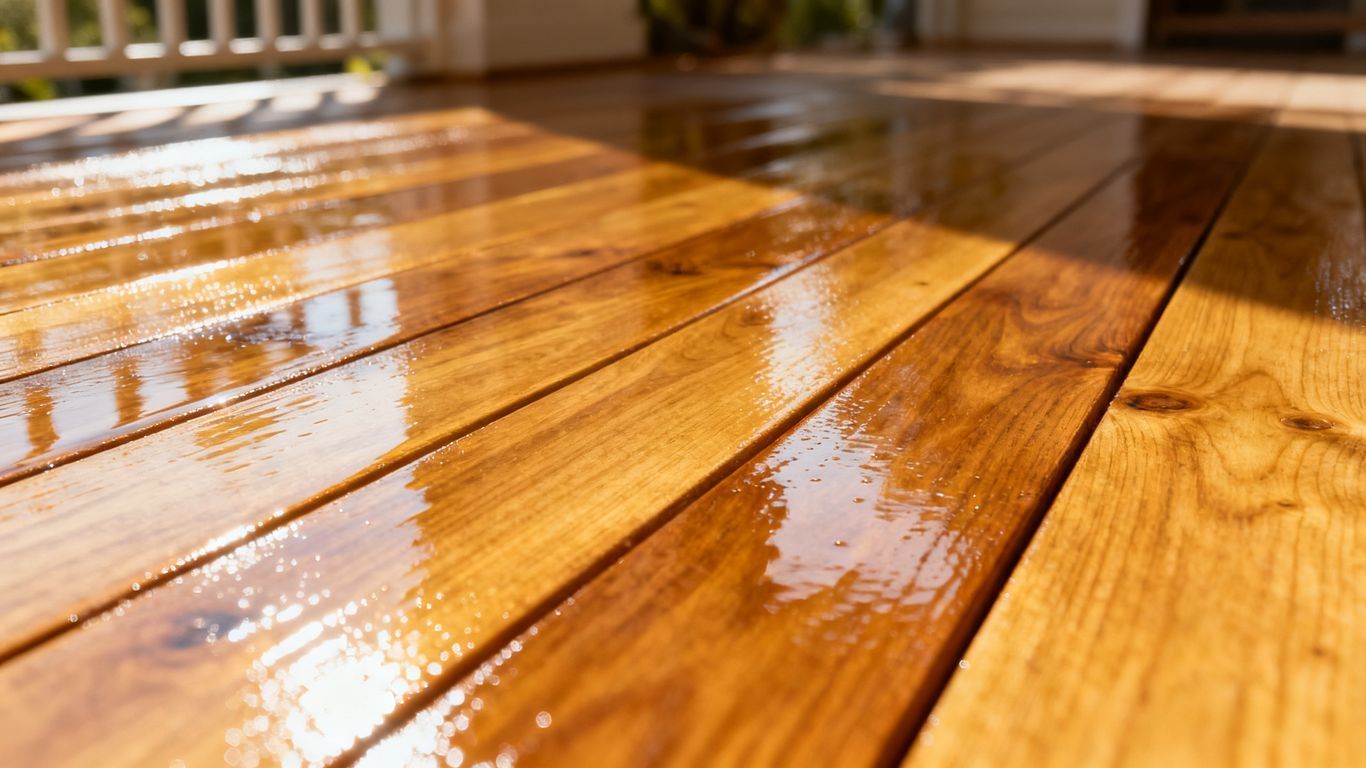
How to Protect Hardwood Floors During Spring Storm Season
Spring storms can bring a lot of rain, and if you have beautiful hardwood floors, you might be a little worried. Water and wood don't mix well, and you want to keep your floors looking good. This guide will help you protect hardwood floors from moisture during the stormy season. We'll go over how to get your house ready, manage the dampness inside, and what to do if something spills.
Key Takeaways
- Check your gutters and downspouts to make sure water flows away from your house.
- Seal up any cracks in your foundation and check that windows and doors are sealed tight to stop water from getting in.
- Use dehumidifiers and make sure your home is ventilated to keep indoor humidity levels down.
- Put down rugs and mats in high-traffic areas, especially near doors, to catch water.
- Clean up any spills or leaks right away and fix any plumbing issues that are causing water problems.
Prepare Your Home Against Water Intrusion
Spring storms can bring a lot of rain, and the last thing you want is for that water to find its way into your home, especially near your beautiful hardwood floors. Taking some proactive steps now can save you a lot of headaches later. It’s all about stopping water before it even gets close.
Inspect Gutters and Downspouts
Your gutters and downspouts are the first line of defense against heavy rain. If they're clogged with leaves, twigs, or other debris, water can back up and overflow. This overflow can then pool around your foundation, which is a big no-no.
- Clear out any blockages. Make sure water can flow freely away from your house.
- Check for any damage or leaks in the gutters themselves. Small holes can become big problems.
- Ensure your downspouts are directing water at least 5-10 feet away from your foundation. You might need extensions if they're too short.
Seal Foundation Cracks
Even small cracks in your foundation can act like tiny highways for water to seep into your basement or crawl space. And if water gets there, it can eventually make its way up to your main living areas.
Take a good look around your foundation, both inside and out. If you spot any fissures, it’s time to patch them up. You can find various sealants at your local hardware store. For larger cracks, you might want to call in a professional to get it done right. Preventing water damage this spring starts with a solid foundation.
Check Window and Door Seals
Windows and doors are common entry points for water, especially during driving rain. The seals around them, often called caulk or weatherstripping, can degrade over time.
Go around your house and inspect these seals. Look for any signs of cracking, peeling, or gaps. If you find any, scrape out the old material and apply new caulk or weatherstripping. This is a pretty straightforward DIY task that makes a big difference in keeping the elements outside. A good seal means a dry home.
Sometimes, it's the little things that matter most. A bit of maintenance on your home's exterior can prevent major water issues from ever starting. Think of it as giving your house a raincoat for the stormy season.
Manage Indoor Humidity Levels
Spring storms often bring a lot of moisture, and that doesn't just stay outside. High humidity inside your home can be a real problem for your hardwood floors. Wood naturally absorbs and releases moisture from the air, and when that balance gets thrown off, it can cause issues. Keeping indoor humidity in check is key to protecting your wood from damage.
Utilize Dehumidifiers
If you live in a damp climate or notice your home feels muggy, a dehumidifier is your best friend. These machines pull excess moisture right out of the air. You'll want to aim for a relative humidity level between 35% and 55% for most hardwood floors. Running a dehumidifier, especially during and after rainy periods, can make a big difference. It's a simple step that really helps maintain a stable environment for your floors.
Ensure Proper Ventilation
Good airflow is also super important. Make sure your home's ventilation system is working correctly. Open windows when it's dry outside, but close them up when the rain starts. Using exhaust fans in bathrooms and kitchens helps remove moisture right at the source. Proper ventilation stops humid air from lingering and settling into your wood. Think of it as giving your house a chance to breathe.
Monitor Relative Humidity
How do you know if your humidity levels are okay? A simple hygrometer can tell you. These are inexpensive gadgets that measure the relative humidity in a room. Keep one handy and check it regularly, especially during storm season. Knowing the exact humidity level helps you decide when to turn on your dehumidifier or when to open a window. It takes the guesswork out of managing your home's moisture.
Overly damp air can cause wood to expand, leading to issues like cupping or buckling. Conversely, very dry air can cause wood to shrink, potentially leading to gaps between planks or even cracking. Finding that sweet spot is what we're aiming for to keep your floors looking good for years to come. It's all about balance.
Here are a few things to keep in mind:
- Check your hygrometer readings daily during wet spells.
- Adjust dehumidifier settings as needed based on readings.
- Ensure vents aren't blocked by furniture or other items.
Dealing with moisture is a constant battle, but managing indoor humidity is a proactive way to prevent typical hardwood floor issues. It's a bit of ongoing effort, but totally worth it to keep those beautiful floors in shape.
Implement Protective Floor Coverings
Okay, so we've talked about getting your home ready and managing the air inside. Now, let's get down to protecting those beautiful hardwood floors directly. Think of this as giving your floors a little armor against the storm.
Strategically Place Area Rugs
Area rugs are your first line of defense, especially in high-traffic zones. They soak up a lot of moisture that might get tracked in.
- Living Room: Place a large rug that covers most of the seating area. This catches drips from umbrellas or wet shoes.
- Hallways: Runners are great here. They protect the main path where people walk the most.
- Bedrooms: A rug by the bed can catch dew or condensation if windows are left open.
Don't forget to check under the rugs periodically, especially if they're thick. Moisture can get trapped underneath and cause damage over time.
Use Waterproof Mats at Entryways
This is super important. You want to stop water before it even gets onto your main flooring.
- Inside the front door: A good, absorbent mat is key. Something that really grabs dirt and water from shoes.
- Back door/Patio door: If you use these often, especially if they lead outside, put a mat there too.
- Garage entry: If your garage connects to your house, a mat here is a must. You never know what gets tracked in from the car.
Make sure these mats have a non-slip backing so they don't slide around, especially when wet. And clean them regularly so they don't become a source of dirt themselves.
Consider Temporary Floor Protection
Sometimes, you need a bit more than just rugs and mats. This is especially true if you're doing any work around the house or expecting a lot of foot traffic from outside.
- Plastic sheeting: For areas you're not using much, or if you're worried about major spills, heavy-duty plastic sheeting can be taped down. Just be careful it doesn't create a slipping hazard.
- Cardboard: Large sheets of cardboard can offer a temporary barrier. It's not waterproof, but it can absorb minor drips and protect against scratches.
- Specialty floor protection: You can buy rolls of protective coverings designed for construction or events. These are often more durable and easier to work with than basic plastic.
When using any temporary coverings, always test a small, inconspicuous area first to make sure it doesn't react with your floor's finish. Also, remove them as soon as they're no longer needed to let the floor breathe and prevent any trapped moisture issues.
These coverings are your last line of defense, so use them wisely during the stormiest parts of the season.
Address Spills and Leaks Promptly
Even with the best preparation, sometimes water finds its way inside. When that happens, acting fast is key to saving your hardwood floors. Don't let a little water turn into a big problem.
Wipe Up Water Immediately
As soon as you notice any water on your floors, grab a clean, dry cloth or mop and soak it up. The longer water sits, the more it can seep into the wood. Think of it like a spill on your favorite shirt – the sooner you blot it, the less likely it is to stain.
Dry Damp Areas Thoroughly
After wiping up standing water, you need to make sure the area is completely dry. Use fans to circulate air and speed up the drying process. You might even want to use a dehumidifier if the air feels heavy and damp. Getting rid of all the moisture is just as important as removing the initial spill.
Identify and Repair Leak Sources
This is the step that prevents future headaches. Take a moment to figure out where the water came from. Was it a leaky window seal? A backed-up gutter? Maybe a plumbing issue? Fixing the source means you won't have to deal with the same problem again.
Dealing with water damage on hardwood can be tricky. Sometimes, even after drying, you might notice slight discoloration or a change in the wood's texture. It's always better to catch leaks early before they have a chance to cause lasting damage. If you're unsure about the source or the extent of the damage, it's a good idea to consult a professional.
Understand How Moisture Affects Hardwood
Recognize Signs of Water Damage
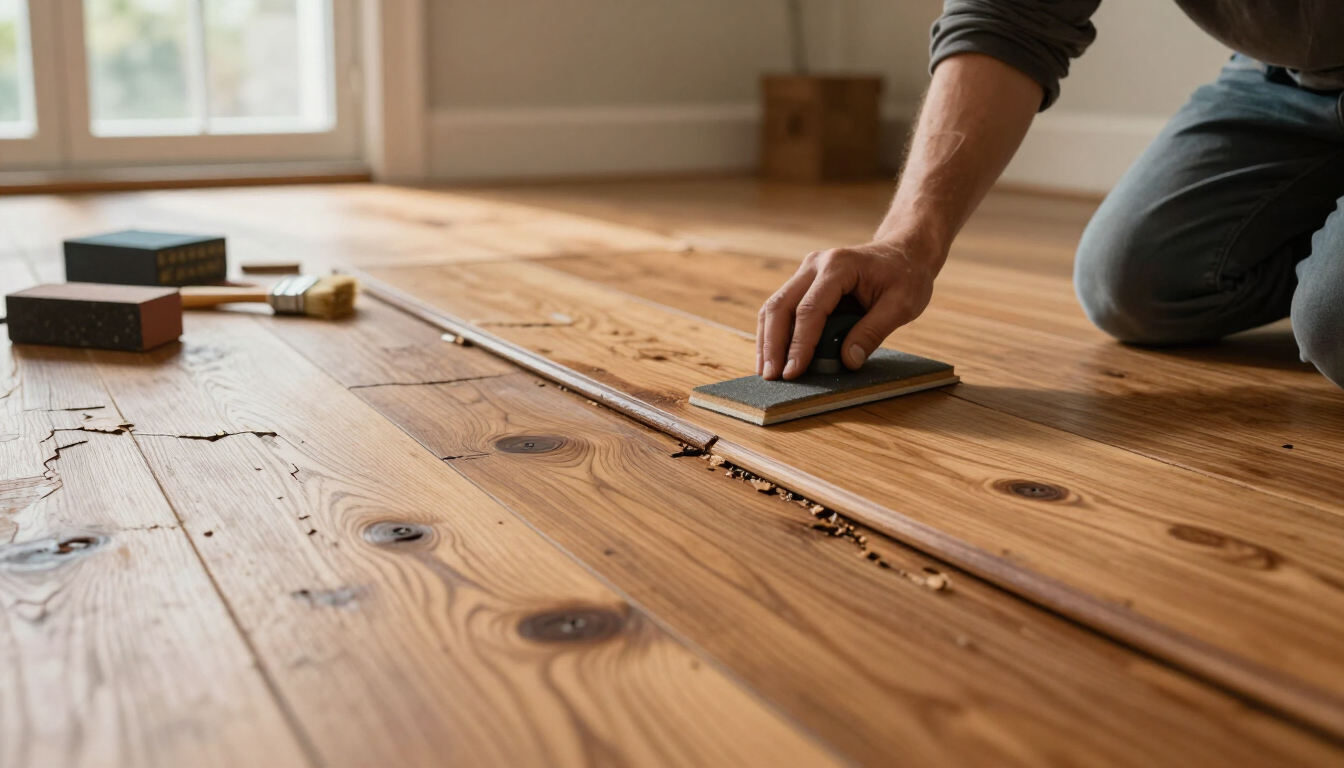
Water and hardwood floors don't mix well, and knowing what to look for is half the battle. The most obvious sign is discoloration, which can range from dark spots to a general lightening or graying of the wood. You might also notice changes in the texture; the wood could feel soft or spongy in certain areas, especially if the moisture has been sitting for a while. Sometimes, you'll see visible signs of expansion, like gaps between floorboards that weren't there before, or the floor might start to buckle or lift slightly.
Learn About Wood Swelling and Warping
Wood is a natural material, and it reacts to its environment. When hardwood absorbs moisture, its fibers swell. Think of it like a sponge soaking up water. This swelling can cause the individual planks to push against each other, leading to the buckling or cupping you might see. If the moisture is uneven, one side of a plank might swell more than the other, causing it to warp, meaning it bends or twists out of shape. This is a more serious issue and can be harder to fix.
Prevent Long-Term Moisture Issues
Dealing with moisture isn't just about the immediate aftermath of a spill or leak. It's about preventing lasting damage. Here’s what you need to keep in mind:
- Acclimation is key: If you're installing new hardwood, make sure it's properly acclimated to your home's typical humidity levels before installation.
- Control indoor humidity: Using dehumidifiers, especially in damp seasons, helps keep the wood stable.
- Address leaks quickly: Don't let small drips turn into big problems. Fix plumbing issues or roof leaks as soon as you find them.
- Ventilation matters: Good airflow around your home, particularly in basements and crawl spaces, helps prevent moisture buildup.
Wood has a memory, in a way. If it's repeatedly exposed to moisture, even if it dries out, it can become more susceptible to damage in the future. Think of it like repeatedly getting a paper cut; the skin there is never quite as strong as it was before. Consistent dryness helps maintain the integrity and appearance of your floors for years to come.
Maintain Your Hardwood Floors Year-Round
Taking care of your hardwood floors isn't just for storm season. Regular upkeep is key to keeping them looking good and preventing problems down the line. It’s about building good habits that protect your investment.
Regular Cleaning Practices
This is probably the most straightforward part. You don't need fancy tools or a lot of time. Just a consistent routine.
- Sweep or vacuum frequently. Get rid of dust, dirt, and grit. These tiny particles can act like sandpaper underfoot, scratching your floor's finish over time. Use a soft-bristle broom or a vacuum with a hard floor attachment – avoid beater bars.
- Damp mop as needed. Use a damp mop, not a soaking wet one. Water is the enemy of hardwood, so you want to use as little as possible. A microfiber mop works well. Wring it out thoroughly so it's just barely moist.
- Clean spills right away. Even small spills can cause issues if left to sit. Wipe them up immediately with a soft cloth.
Periodic Sealing and Refinishing
Over time, the protective finish on your hardwood floors will wear down. This is normal, especially in high-traffic areas. Sealing and refinishing are like giving your floors a fresh coat of armor.
- Check the finish. Look for dull spots, scratches, or areas where the finish seems to be disappearing. This is your cue that it's time for some attention.
- Consider resealing. Depending on the type of finish you have, you might be able to apply a new coat of sealant every few years. This adds a protective layer without a full refinish.
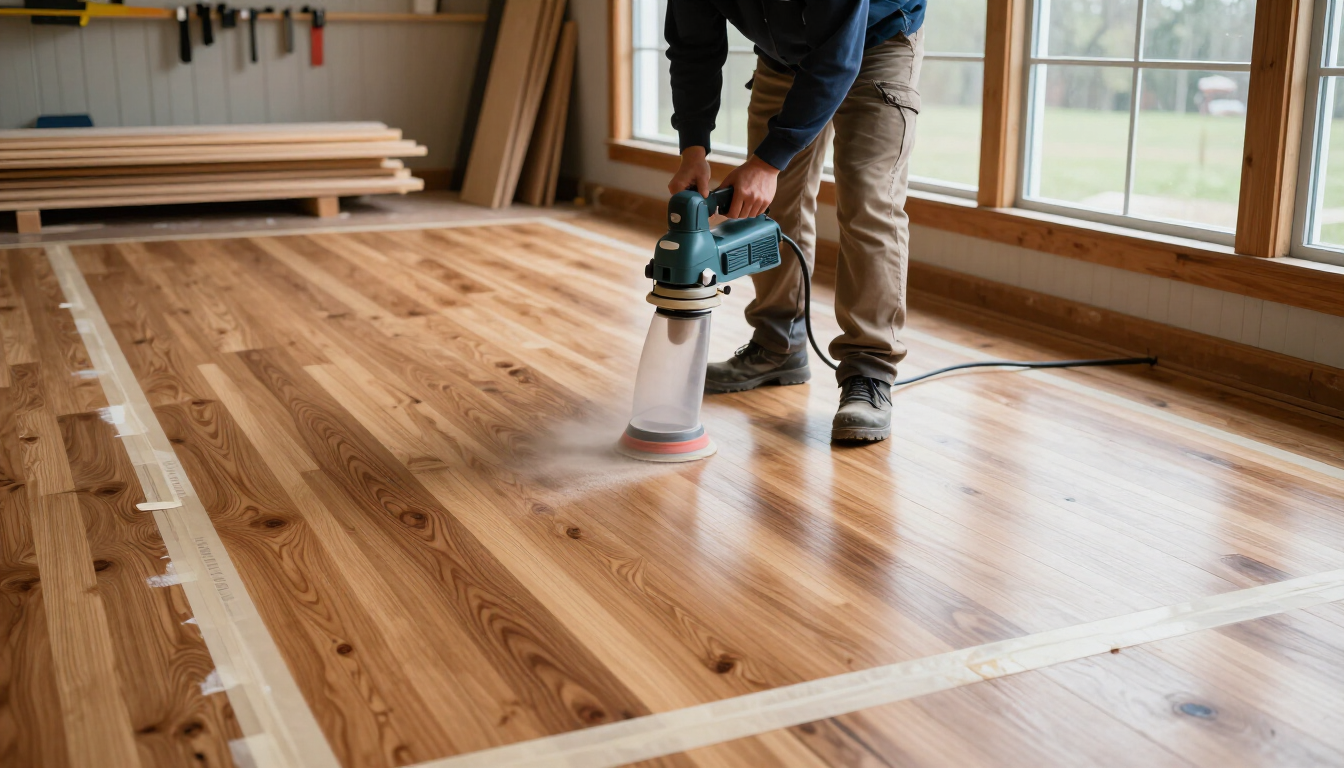
- Refinishing for deeper wear. If your floors have significant scratches, dents, or worn-out areas, a full refinish might be necessary. This involves sanding down the old finish and applying new stain and protective coats. It's a bigger job, but it can make old floors look brand new.
Professional Inspections
Sometimes, it's hard to see the forest for the trees, or in this case, the floor for the furniture. Bringing in a pro can catch issues you might miss.
- Schedule annual check-ups. A flooring professional can assess the overall condition of your floors.
- Get advice on maintenance. They can tell you if your current cleaning routine is sufficient or if you need to adjust it.
- Identify potential problems early. They might spot subtle signs of wear or moisture damage that could become bigger problems later.
Consistent care is the best defense against everyday wear and tear, and it also makes your floors more resilient when unexpected events like heavy rain or spills happen. It’s an investment in the longevity and beauty of your home.
Remember, proper maintenance is an ongoing process, not a one-time fix. By incorporating these practices into your routine, you'll keep your hardwood floors looking their best for years to come.
Keeping your hardwood floors looking great all year round is easier than you think! Simple steps like regular sweeping and using the right cleaners can make a big difference. Want to learn more about protecting your beautiful floors? Visit our website for expert tips and advice.
Wrapping Up
So, there you have it. Spring storms can be a real pain, but keeping your hardwood floors looking good doesn't have to be a huge chore. A little bit of prep work, like keeping mats by the doors and cleaning up spills right away, makes a big difference. Don't forget to check those gutters too; water damage is no joke. By taking these simple steps, you can help protect your floors from the mess that comes with rainy weather. It's all about being a bit proactive, and your floors will thank you for it.
Frequently Asked Questions
What's the biggest danger to my wood floors during stormy weather?
The main worry is water. When storms hit, rain can find its way inside if your home isn't sealed up tight. This water can cause wood floors to swell, warp, or even get moldy if not dealt with quickly.
How often should I check my gutters?
It's a good idea to check your gutters at least twice a year, especially before the rainy season kicks off. Make sure they're clear of leaves and debris so water can flow away from your house easily.
Are rugs really helpful for protecting floors?
Yes, absolutely! Placing rugs in spots where people walk a lot, like near doors or in hallways, can catch a lot of the water and dirt that gets tracked in. It's like a first line of defense for your beautiful wood.
What should I do if I spill water on my wood floor?
Don't wait! Grab a soft cloth or towel and soak up the spill right away. Then, make sure the area is completely dry. If you let water sit, it can seep into the wood and cause damage.
Can I use a regular vacuum cleaner on my hardwood floors?
For the most part, yes, but be careful. Make sure your vacuum has a setting for hard floors or use a brush attachment that won't scratch the wood. Avoid vacuums with beater bars that spin aggressively, as they can leave marks.
How do I know if my wood floors have gotten too wet?
Look for changes in the wood. It might start to look a little darker or discolored in spots. You might also notice that the planks are starting to cup (edges lift up) or warp (bend). If you hear any squeaking that wasn't there before, that could be another sign.