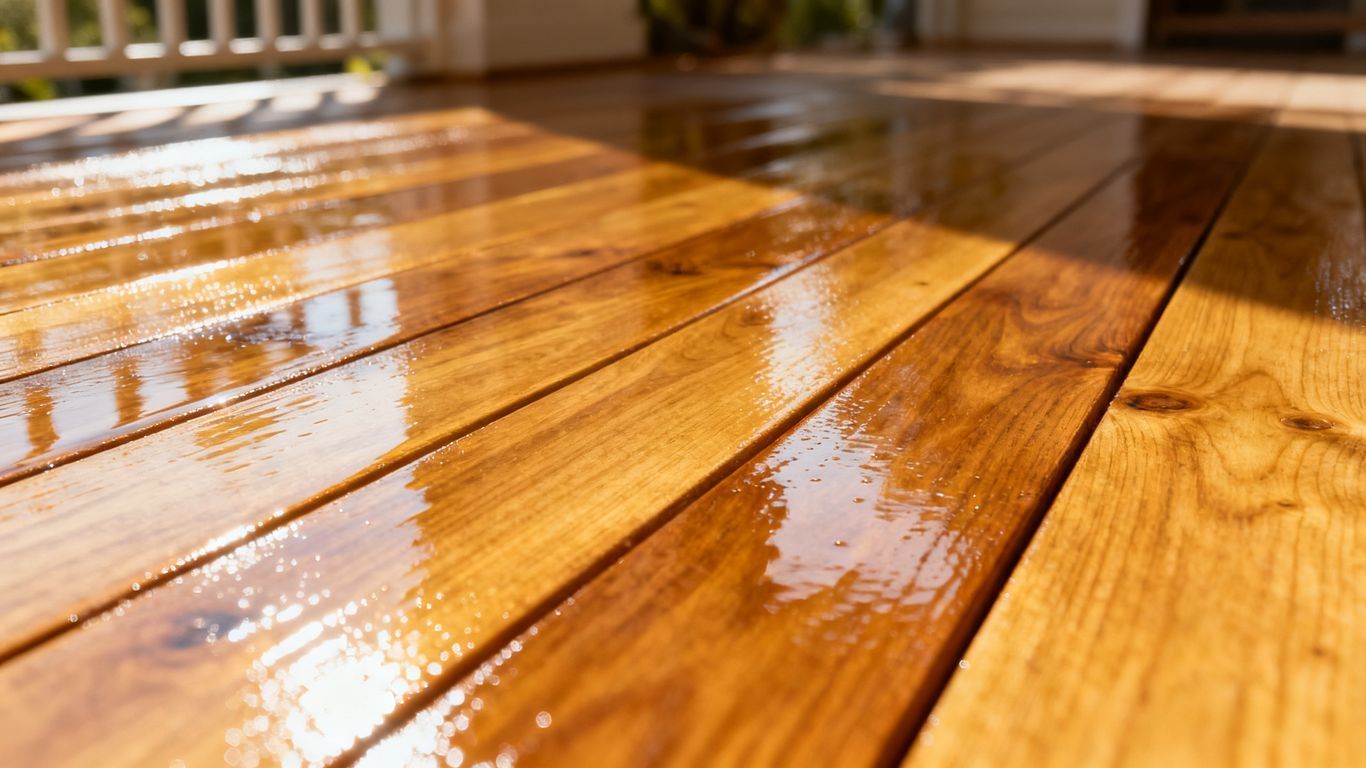
How New Hardwood Floors Improve Indoor Air Quality
Thinking about new floors? You might not realize it, but the type of flooring you choose can really make a difference in the air you breathe at home. We often focus on paint colors or furniture, but the ground beneath our feet plays a big part too. This article looks at how switching to hardwood floors can help clear the air, making your home a healthier place to live. We'll cover what's in the air, why wood is a good choice, and how to keep it that way.
Key Takeaways
- Volatile Organic Compounds (VOCs) from some building materials can affect indoor air quality, potentially causing health issues.
- Natural hardwood floors are often a better choice because they typically release fewer VOCs compared to synthetic flooring.
- Choosing hardwood with low-VOC finishes or opting for unfinished wood can further improve your home's air.
- Regular, gentle cleaning of hardwood floors, avoiding harsh chemicals, helps maintain good indoor air quality.
- Compared to carpets or some vinyl and laminate options, hardwood floors can lead to a healthier living environment by reducing allergens and chemical emissions.
Understanding VOCs and Your Home Environment
What Are Volatile Organic Compounds?
So, what exactly are these Volatile Organic Compounds, or VOCs? Basically, they're a group of chemicals that can easily turn into gases or vapors at room temperature. Think of them like tiny invisible particles floating around in the air. Many common household items release these compounds, and it's something we often don't even notice until it starts affecting us. They can come from all sorts of places, both natural and man-made, and understanding where they originate is the first step to managing them.
Common Sources of VOCs in Homes
It's pretty wild how many things in our homes can be sources of VOCs. You might be surprised by some of them:
- Building Materials: Paints, varnishes, adhesives, and even new furniture can off-gas VOCs as they cure or age.
- Household Products: Cleaning supplies, air fresheners, cosmetics, and hobby supplies often contain these chemicals.
- Combustion Sources: Things like gas stoves, fireplaces, and even smoking indoors release VOCs.
- Personal Care Products: Hairspray, perfumes, and nail polish remover are common culprits.
It's easy to think of VOCs as something only found in industrial settings, but they are very much a part of our everyday domestic lives. The concentration can build up over time, especially in homes that aren't well-ventilated.
The Impact of VOCs on Indoor Air Quality
When VOCs build up inside your home, they can really mess with your indoor air quality. This isn't just about a funny smell; it can have actual health effects. Some people might experience headaches, dizziness, or irritation in their eyes, nose, and throat. For others, especially those with asthma or other respiratory issues, the impact can be more significant. Reducing exposure to these compounds is key to creating a healthier living space. Choosing materials wisely, like opting for low-VOC flooring, can make a big difference over time. It's all about being mindful of what we bring into our homes and how it affects the air we breathe every single day.
The Benefits of Natural Hardwood Floors
When you're thinking about updating your home, flooring is a big one. And if you're concerned about what's floating around in your air, natural hardwood floors really shine. They're not just pretty to look at; they can actually make a difference in your home's environment.
Hardwood Floors as a Low-VOC Option
Lots of flooring materials out there can release Volatile Organic Compounds, or VOCs. These are chemicals that can off-gas into your home, and nobody wants that. Hardwood, especially when sourced and finished responsibly, tends to have a much lower VOC content compared to many synthetic options. This means less of those potentially irritating chemicals getting into the air you breathe every day. It's a simple switch that can have a noticeable impact.
Natural Materials and Reduced Off-Gassing
Think about it: hardwood comes from trees. It's a natural material. Unlike carpets that might have glues and treatments, or vinyl and laminate that are manufactured products, solid wood is pretty straightforward. This natural origin means there's generally less off-gassing happening. You won't find as many complex chemicals trying to escape into your living space. It’s a breath of fresh air, literally.
How Hardwood Floors Contribute to Better Air
So, how does this translate to better air quality? It's a few things:
- Fewer Chemical Emissions: As mentioned, natural wood itself releases very few VOCs. This is a big win right off the bat.
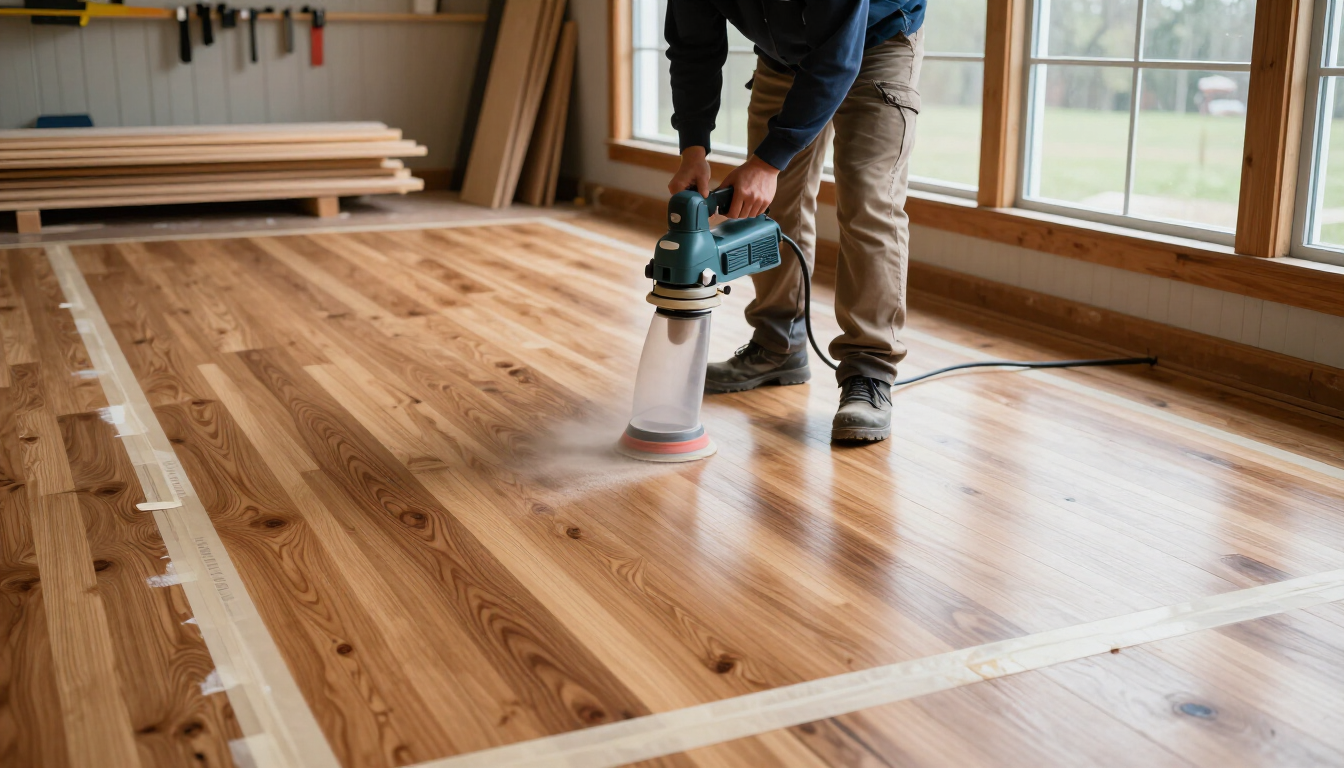
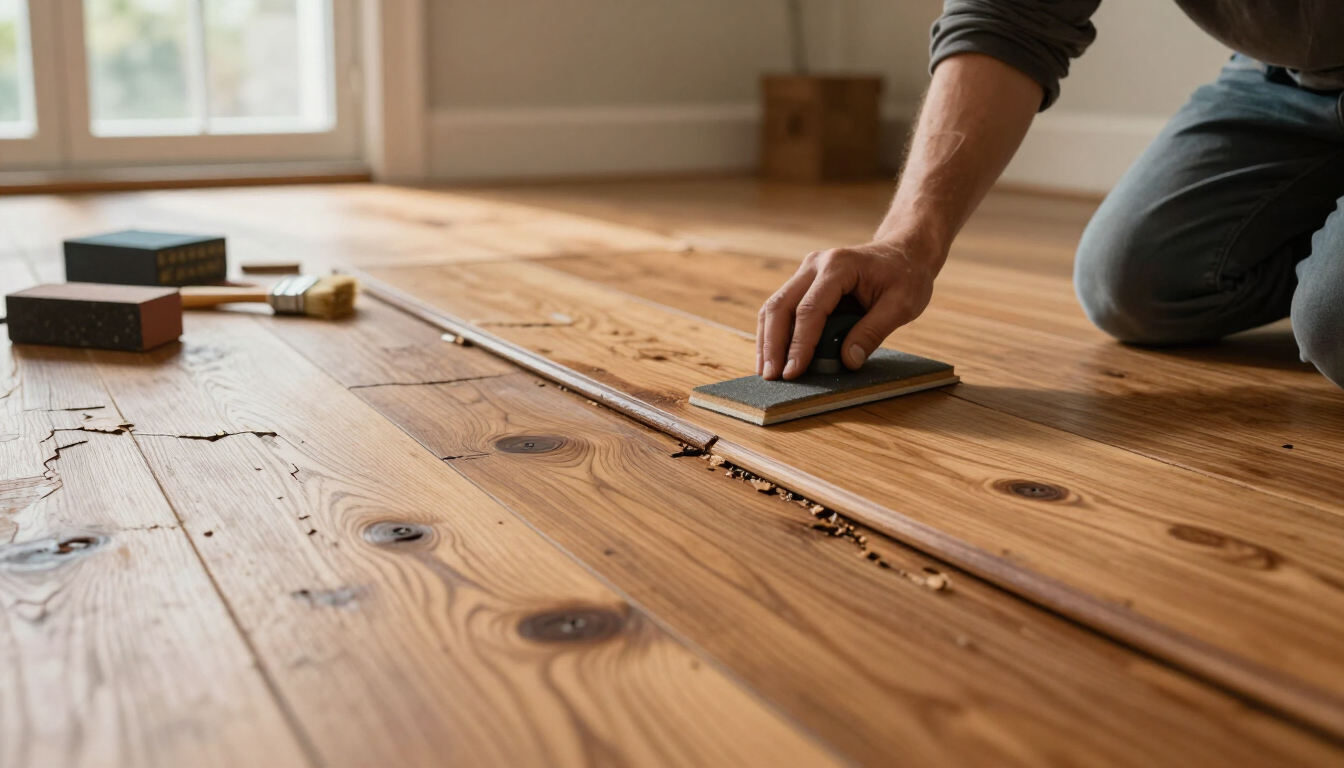
- Durability and Longevity: Hardwood floors last a long time. This means you're not constantly replacing flooring, which often involves new adhesives and finishes that can off-gas. When you need to refresh them, you can look into options like refinishing hardwood floors which can be done with low-VOC products.
- Easy to Clean: A clean floor means fewer dust mites and allergens. Hardwood is simple to sweep and mop, keeping surfaces clear of debris that can get trapped in other flooring types.
Choosing hardwood is often about opting for simplicity and natural materials. This approach naturally leads to fewer manufactured chemicals being introduced into your home's atmosphere. It's a foundational step towards a healthier indoor environment, especially when you consider the long lifespan of the material and the potential for eco-friendly maintenance over the years. It’s a choice that benefits both your home and your well-being.
When you're looking at new flooring, especially if you're considering installation during a time with stable weather like fall, hardwood is definitely worth a close look for its air quality advantages.
Choosing Sustainable Hardwood for Optimal Air
So, you're thinking about hardwood floors, which is great for your home's air. But not all hardwood is created equal when it comes to air quality. We need to talk about how you pick the right stuff, especially the finishes.
Selecting Low-VOC Finishes for Hardwood
When you're looking at hardwood, the finish is a big deal. Think of it like the paint on your walls; some have a lot of chemicals that can make the air in your house not so great. Low-VOC finishes are your best bet for keeping things healthy. VOCs, or volatile organic compounds, are those sneaky chemicals that can off-gas from finishes and other products. Choosing finishes that have minimal VOCs means less of that stuff gets into your air. It's a pretty straightforward way to make a big difference.
The Role of Certifications in Material Choice
How do you know if a finish is actually low-VOC? Look for certifications. These are like seals of approval from groups that test products to make sure they meet certain standards for air quality. It takes some of the guesswork out of it for you. Some common ones to keep an eye out for include:
- GREENGUARD Gold
- FloorScore
- CARB II compliant
These certifications mean the product has been tested and meets strict limits for chemical emissions. It's a good way to be sure you're getting something that's better for your indoor environment. You can often find this information on the product packaging or the manufacturer's website. It's worth the extra look.
Prioritizing Natural and Unfinished Options
If you really want to go the extra mile for air quality, consider unfinished hardwood. This means the wood comes to you without any factory-applied finishes. You can then choose a natural oil-based finish or even a water-based finish that's specifically designed to be low-VOC. This gives you the most control over what goes into your home. Some companies even offer formaldehyde-free flooring options, which is another great step towards better air quality. It might take a little more effort upfront, but the payoff for your home's air is significant.
When you're choosing hardwood, think about the entire lifecycle of the product, from where it's sourced to how it's finished. Sustainable choices often go hand-in-hand with healthier indoor environments. It's about making informed decisions that benefit both your home and the planet.
Maintaining Your Hardwood Floors for Air Purity
So, you've got these beautiful new hardwood floors, and you want to keep them looking good and, more importantly, keep your air clean. It’s not just about sweeping; there’s a bit more to it if you’re serious about indoor air quality. Regular, gentle upkeep is key to preventing dust and allergens from settling in.
Effective Cleaning Strategies for Hardwood
Keeping your floors clean is pretty straightforward, but you need to do it right. Think of it as a gentle routine, not a deep scrub.
- Dust and Debris Removal: Start by getting rid of loose stuff. A soft broom or a vacuum cleaner with a hard floor attachment works well. You want to get rid of anything that could scratch the wood when you start wiping it down. This step is really important before you even think about using any liquid. Removing loose dirt is the first move.
- Damp Mopping: Use a mop that’s just barely damp. Too much water is bad for wood. A microfiber mop is a good choice because it picks up dirt well and doesn't leave a lot of moisture behind.
- Spot Cleaning: If you spill something, clean it up right away. Don't let it sit there and soak in. A soft cloth usually does the trick for most spills.
Avoiding Harsh Chemicals and Aerosols
This is where a lot of people go wrong. Those strong cleaners you might have used on old floors? They’re a big no-no for your new hardwood, especially if you care about air quality.
- No Ammonia or Bleach: These can damage the finish and release fumes that aren't great for breathing.
- Skip the Wax: Most modern hardwood finishes don't need waxing, and it can make floors slippery and dull.
- Watch Out for Aerosols: Spray cleaners can contain propellants and chemicals that get into the air. It’s better to use a spray bottle with your own diluted cleaner.
When you're cleaning, think about what you're putting onto the floor and what's going into the air. Simple is usually best. A little bit of mild soap mixed with water, or a cleaner specifically made for hardwood, is usually all you need. You don't want to introduce new chemicals into your home environment when you're trying to improve it.
The Link Between Floor Maintenance and Air Quality
It might seem like a small thing, but how you clean your floors really does connect to the air you breathe. Dust and dirt aren't just unsightly; they can be carriers for allergens and other particles. When you clean effectively, you're not just making your floors look better, you're actively removing these things from your living space. Proper floor upkeep means less dust circulating. Plus, by avoiding harsh chemicals, you're not adding new pollutants to the air. It’s a win-win for a healthier home environment.
Comparing Hardwood to Other Flooring Types
Carpet and Its Potential Air Quality Issues
When you think about flooring, carpet often comes to mind first. It feels soft underfoot and can make a room feel cozy. But, from an air quality standpoint, it's often the least desirable option. Carpets are like big dust magnets. They trap all sorts of things: dust, pet dander, pollen, and even tiny bugs. For people with allergies or breathing problems, this can be a real issue. The fibers hold onto these particles, and when you walk on the carpet, or when the HVAC system kicks on, all that stuff gets stirred up into the air you breathe. It's a constant battle to keep them truly clean.
The very nature of carpet fibers means they can harbor microscopic irritants, making them a less-than-ideal choice for maintaining a clean indoor environment, especially for sensitive individuals.
Laminate and Vinyl: Understanding Their Emissions
Laminate and vinyl flooring have become popular because they can mimic the look of wood or tile at a lower cost. They're also generally pretty durable and easy to clean. However, the way they're made can sometimes be a problem for air quality. These floors are often made using glues, resins, and plastics. Some of these materials can release volatile organic compounds (VOCs) into your home over time. While many manufacturers are working to reduce these emissions, it's still something to be aware of. The off-gassing might not be as noticeable as with some older materials, but it's still a factor to consider when you're trying to create the healthiest living space possible.
Why Hardwood Floors Offer a Healthier Alternative
So, where does hardwood fit into all this? Compared to carpet, laminate, and vinyl, natural hardwood floors generally have a much better profile for indoor air quality. Because they are made from solid wood, they don't have the same chemical binders or plastic components that can off-gas VOCs. While finishes can introduce some VOCs, choosing low-VOC or natural finishes makes a big difference. Plus, hardwood floors are much easier to keep clean of allergens and dust. A simple sweep or vacuum, followed by a damp mop, removes surface debris without trapping it. This makes them a great choice for anyone looking to improve the air they breathe at home. If you're thinking about new hardwood floors, you're often making a healthier choice from the start.
Long-Term Advantages of Hardwood for Your Health
So, you've got these new hardwood floors, and you're probably thinking about how nice they look right now. But the benefits go way beyond just aesthetics, especially when we talk about your health over the years. These floors can actually make your home a healthier place to live.
Think about it: over time, dust, dander, and other little bits can build up. With some flooring types, these things get trapped, making it harder to keep your air clean. Hardwood, on the other hand, is much simpler to manage.
Here’s how they help out long-term:
- Easier to Keep Clean: Unlike carpet, which can hold onto dust mites and allergens, hardwood surfaces are smooth. This means regular sweeping and mopping can actually get rid of most of the stuff that can make you sneeze or feel stuffy.
- Less Allergen Accumulation: Because they don't trap particles as easily, hardwood floors help reduce the overall amount of allergens floating around your home. This is a big deal if anyone in the family has allergies or asthma.
- Durability Means Less Replacement: Good quality hardwood floors, especially engineered ones that handle moisture well, can last for decades. This means you're not constantly replacing flooring, which often involves new chemicals and off-gassing. It's a smart decision that enhances both the immediate look and the future resale value of your home [e144].
When you choose natural materials like hardwood, you're often choosing fewer synthetic chemicals in your living space. This can lead to a more stable indoor environment, free from the constant release of potentially irritating compounds that can come from other flooring options.
It’s not just about the initial installation; it’s about creating a living space that supports your well-being day in and day out. Investing in hardwood is really an investment in a healthier home for you and your family for years to come.
Choosing hardwood floors offers lasting benefits for your well-being. Unlike carpets that can trap dust and allergens, hardwood surfaces are easier to keep clean, promoting better air quality in your home. This can lead to fewer allergy symptoms and a healthier living space for everyone. Imagine breathing easier every day!
Wrapping It Up
So, when you're thinking about new floors, remember it's not just about looks. Swapping out old carpets or worn-out vinyl for hardwood can really make a difference in the air you breathe every day. It's a solid choice for a healthier home, plain and simple. You get that nice look, plus a little peace of mind knowing you're breathing easier. It might seem like a small change, but over time, it adds up to a much better indoor environment for you and your family. Definitely something to consider for your next home project.
Frequently Asked Questions
What exactly are VOCs and why should I care about them?
VOCs, or Volatile Organic Compounds, are basically tiny particles that can float around in the air. Think of them like invisible fumes that some things release. Many common household items, like paints, cleaning supplies, and even some furniture, can give off these VOCs. When they build up inside your home, they can make the air quality not so great, which isn't good for your health.
Are new hardwood floors really better for the air inside my house?
Yes, they can be! Natural hardwood floors are usually made from wood, which doesn't release as many of those harmful VOCs compared to other flooring options. When you choose wood, especially with finishes that are also low in VOCs, you're helping to keep the air you breathe cleaner.
How do I pick hardwood floors that won't make my air quality worse?
When you're shopping for hardwood, look for options that mention 'low-VOC' finishes or treatments. Sometimes, you can even find unfinished wood and have it treated with natural oils or waxes, which are much better for air quality than strong chemical sealers. Checking for eco-friendly labels can also help guide your choice.
Is cleaning hardwood floors different if I'm worried about air quality?
Definitely. Instead of using strong chemical cleaners or sprays that can release more fumes, it's best to stick to gentle methods. A simple sweep or vacuum with a soft brush attachment, followed by a damp mop with just water or a very mild, natural cleaner, works wonders. This way, you're not adding more stuff to the air.
How do hardwood floors compare to carpets or vinyl when it comes to air quality?
Carpets can trap dust, pet dander, and other allergens, and some are treated with chemicals that can release VOCs. Laminate and vinyl floors, while often cheaper, are made from plastics and glues that can also off-gas harmful compounds. Hardwood, being a natural material with the right finishes, generally has a much smaller impact on indoor air.
Besides air quality, what are the other long-term health benefits of having hardwood floors?
Having hardwood floors means you're creating a cleaner living space overall. They don't hold onto dust mites and allergens the way carpet does, making them great for people with allergies or asthma. It's like giving your home a healthy upgrade that benefits everyone living there for years to come.