Hardwood Floors vs Other Flooring Options for Summer Comfort
Summer's here, and if your floors feel like a hot plate, you're not alone. We all want a cool home when the temperatures climb, but picking the right flooring can be tricky. Today, we're looking at how different floor types handle the heat, especially focusing on hardwood floors and how they stack up against other popular choices like vinyl and tile. Let's figure out what keeps your home feeling comfy when it's sizzling outside.
Key Takeaways
- Hardwood floors naturally stay cooler than many synthetic options, helping your home feel more comfortable during hot summer months.
- When comparing hardwood floors vs vinyl, hardwood offers better breathability, preventing that sticky, hot feeling vinyl can sometimes have.
- In a tile vs hardwood comparison for summer, while tile is cool to the touch, hardwood provides a more comfortable feel underfoot without the extreme cold.
- Other options like carpet tend to hold heat, making the room feel warmer, while natural stone can be cool but might feel too cold for some.
- Proper maintenance, like strategic rug placement and good ventilation, can further improve how cool your hardwood floors feel in the summer.
Cooling Properties Of Hardwood Floors
When summer rolls around and the heat starts to build, you might find yourself looking for ways to keep your home feeling a bit more comfortable. It turns out, the type of flooring you have can play a surprisingly big role in this. Hardwood floors, for instance, have some natural qualities that make them a solid choice for beating the heat.
Natural Temperature Regulation
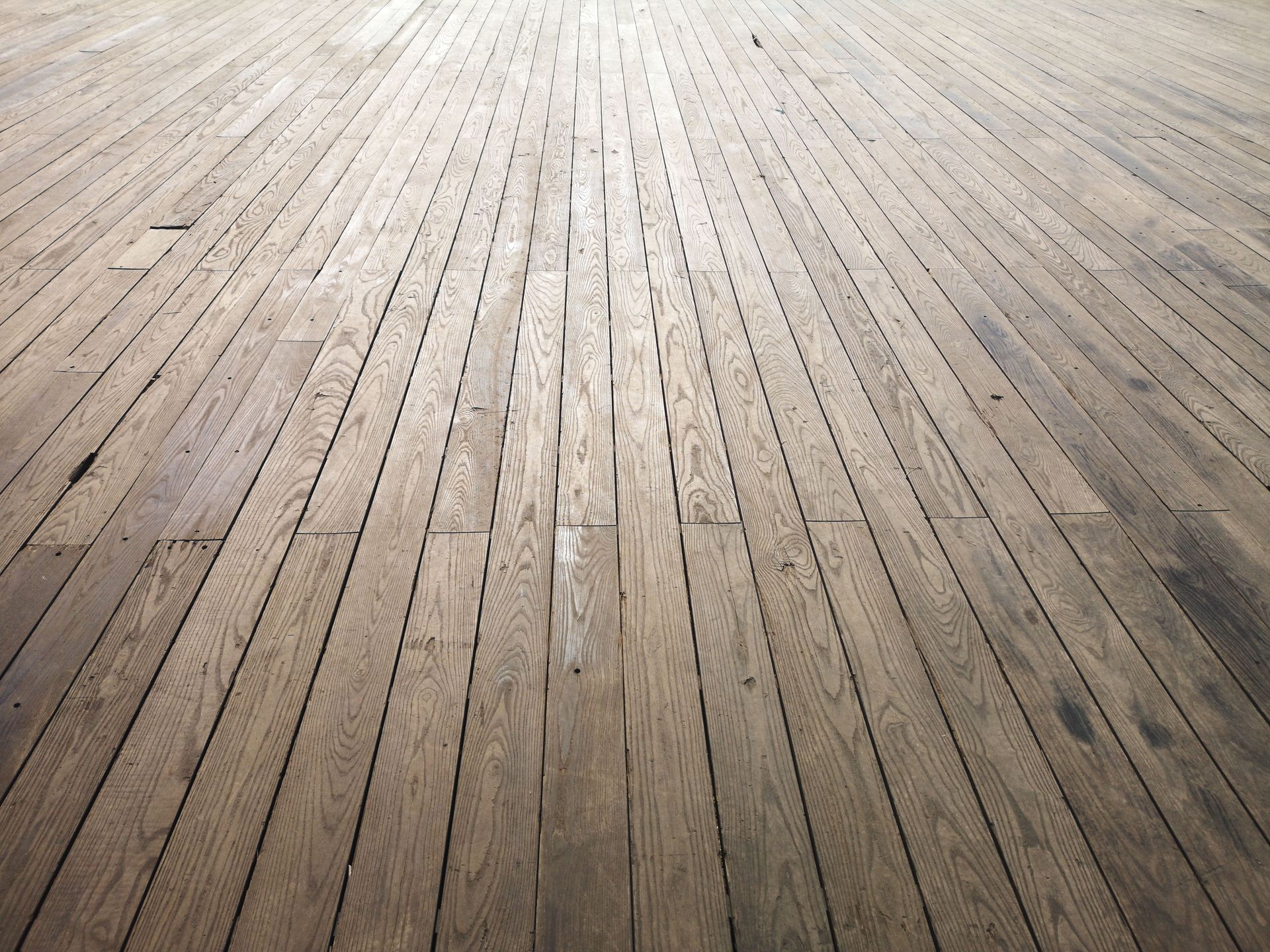
One of the best things about hardwood is how it interacts with the ambient temperature. Unlike some synthetic materials that can absorb and hold onto heat, wood is a more neutral player. It doesn't get scorching hot under direct sunlight the way some other surfaces do. This means that even on a warm day, your hardwood floors are less likely to feel uncomfortably warm when you walk on them barefoot. It's a subtle difference, but it adds up to a more pleasant living environment during the summer months.
Airflow and Ventilation Benefits
Hardwood floors also contribute to better airflow within your home. Because they are solid and don't trap air like carpet can, they allow for more natural circulation. This can help your home feel less stuffy and more open.
- Allows air to move freely across the surface.
- Doesn't hold onto stale air or odors.
- Contributes to a generally fresher feeling in the room.
Proper ventilation is key to managing indoor temperatures, and hardwood floors don't get in the way of that. They work with your home's natural ability to breathe, which is a big plus when you're trying to stay cool.
Think about it: when you open windows for a breeze, the air can move more easily over a hardwood surface. This helps dissipate heat that might otherwise get trapped. It's a simple, natural process that makes a difference. For more on keeping your home comfortable year-round, consider looking into humidity control for wood floors.
Comparing Hardwood Floors vs Vinyl For Summer
When the summer heat rolls in, you start thinking about how your floors feel underfoot. Hardwood has always been a popular choice, but how does it stack up against vinyl, especially when things get warm?
Vinyl's Heat Retention
Vinyl flooring, while budget-friendly and water-resistant, has a tendency to hold onto heat. Unlike natural materials, its synthetic composition means it doesn't breathe. This can make rooms with vinyl floors feel noticeably warmer during hot summer days. If you've ever walked barefoot on a sunny afternoon and felt that sticky, almost clammy warmth, you know what I mean. It's not exactly the cool, refreshing sensation you're looking for when trying to beat the heat.
Hardwood's Breathability Compared to Vinyl
This is where hardwood really shines. Hardwood floors naturally regulate temperature better than vinyl. They don't absorb and radiate heat in the same way. Think of it like this: vinyl is like a dark t-shirt that soaks up the sun, while hardwood is more like a light linen shirt that lets air circulate. This natural breathability means hardwood floors tend to stay cooler to the touch, offering a more comfortable surface even when the outside temperature is soaring. For areas with fluctuating weather, like North Georgia's climate, engineered hardwood can offer a stable alternative that still benefits from this natural cooling property.
Durability in Humid Conditions
Summer often brings humidity along with the heat. While vinyl is generally good with moisture, its heat retention can sometimes lead to issues like expansion or bubbling in extreme conditions, though this is less common with quality products. Hardwood, on the other hand, can be sensitive to high humidity. Solid hardwood might expand, causing gaps or buckling if not properly installed and maintained. However, engineered hardwood, with its layered construction, offers much better stability and resistance to moisture and temperature changes, making it a more forgiving option for humid regions. It's a smart choice for variable climates where humidity is a concern.
Tile vs Hardwood: A Summer Showdown
Tile's Surface Temperature
When summer heat really kicks in, you might find yourself drawn to tile. It's got this natural ability to feel cool under your feet, which is a big plus when the air outside is sweltering. Think about stepping onto a tile floor after being out in the sun – it's an instant relief, right? This is because tile has a high thermal mass, meaning it absorbs heat slowly and then releases it, but it tends to stay cooler for longer periods compared to other materials. It's a solid choice if you're looking for that immediate cooling effect. For many, this makes tile an excellent option for hot climates [4f34].
Hardwood's Comfort Underfoot
Now, hardwood is a different story. While it doesn't have that same instant chill as tile, it offers a different kind of comfort. Hardwood floors tend to be more moderate in temperature. They don't get as scorching hot as some materials, nor do they feel as icy cold as tile can in the winter. This middle-ground temperature makes them pleasant to walk on year-round. It's this natural temperature regulation that makes hardwood a versatile choice for all seasons. You won't be dreading walking barefoot on your floors during a heatwave, but you also won't be reaching for slippers the moment the temperature drops.
Moisture Resistance: Tile Versus Hardwood
Summer often brings humidity along with the heat, and this is where the differences between tile and hardwood become even more apparent. Tile, especially glazed ceramic or porcelain, is generally very resistant to moisture. Spills or high humidity aren't usually a big concern, and they're easy to clean up. Hardwood, on the other hand, can be more sensitive. Prolonged exposure to high humidity can cause it to expand, and in very dry conditions, it can contract. This means that while hardwood offers a certain aesthetic and feel, you do need to be a bit more mindful of moisture levels, particularly in humid summer months. Choosing the right finish for your hardwood can make a big difference in its ability to handle moisture, and it's worth looking into options that offer better protection if you live in a damp climate. When deciding between these two, it's helpful to consider how each performs in different conditions [89cd].
Other Flooring Options And Summer Heat
While hardwood is a fantastic choice for keeping things cool, it's not the only game in town. Let's look at how some other popular flooring materials stack up when the temperatures start to climb.
Laminate Flooring's Performance
Laminate flooring can be a bit of a mixed bag when it comes to summer heat. On the one hand, it doesn't absorb heat like carpet might. However, it also doesn't have the natural cooling properties of wood or tile. It's essentially a photographic layer over a fiberboard core, so its ability to regulate temperature is pretty limited. It tends to feel neutral, neither particularly cool nor warm underfoot. If you're looking for a noticeable cooling effect, laminate might not be your best bet. It's more about a consistent, middle-ground feel.
Carpet's Warmth Factor
Carpet is generally the go-to for warmth, which is great in winter but not so much in summer. Those fibers trap heat and can make a room feel stuffy and even hotter than it is. If you have carpet, especially in bedrooms or living areas, you might find yourself relying more on air conditioning. Lighter colors can help a little by reflecting some light, but the material itself is an insulator. For summer comfort, it's usually the least desirable option.
Natural Stone's Cool Touch
Natural stone, like slate or travertine, can feel wonderfully cool underfoot, similar to tile. This is because stone is dense and has a high thermal mass, meaning it absorbs heat from the air and then slowly releases it. This makes it feel naturally cooler, especially in sunny rooms. However, just like tile, it can also absorb heat from the air if the room gets very warm, so its coolness is most pronounced when the ambient air temperature is moderate. It's a solid choice if you're aiming for a cool sensation, but be aware of its properties in extreme heat.
When considering flooring for summer, think about how the material interacts with heat. Some materials absorb it, some reflect it, and some just sit there. The goal is to find something that doesn't add to the heat load in your home.
Here are a few things to keep in mind:
- Material Density: Denser materials tend to feel cooler because they absorb and dissipate heat more effectively.
- Color: Lighter colors reflect more sunlight and heat, making spaces feel brighter and cooler. Check out lighter shades.
- Airflow: Flooring that allows for better airflow, or doesn't trap heat, will contribute to a more comfortable environment.
Maintaining A Cool Home With Hardwood
So, you've got beautiful hardwood floors, and you want to keep things comfortable when the temperatures start to climb. It's totally doable! Hardwood itself is a pretty good player in the temperature game, but a few smart moves can make a big difference.
Strategic Rug Placement
Think of rugs as your summer allies. While they add coziness in winter, strategically placed rugs can actually help keep your floors feeling cooler in the summer. Lighter colored rugs tend to reflect more sunlight than dark ones, which can help keep the surface temperature down. Plus, they add a nice visual pop to your summer decor.
- Use lighter, natural fiber rugs like jute or sisal in high-traffic areas.
- Consider area rugs that can be easily removed and stored during the hottest months.
- Avoid placing large, dark rugs directly in sunbeams that hit your floors for extended periods.
Ventilation Strategies
Good airflow is key to a cool home, and hardwood floors benefit from it too. When air circulates well, it helps prevent moisture buildup, which is always a good thing for wood. Proper ventilation helps your floors breathe and stay comfortable.
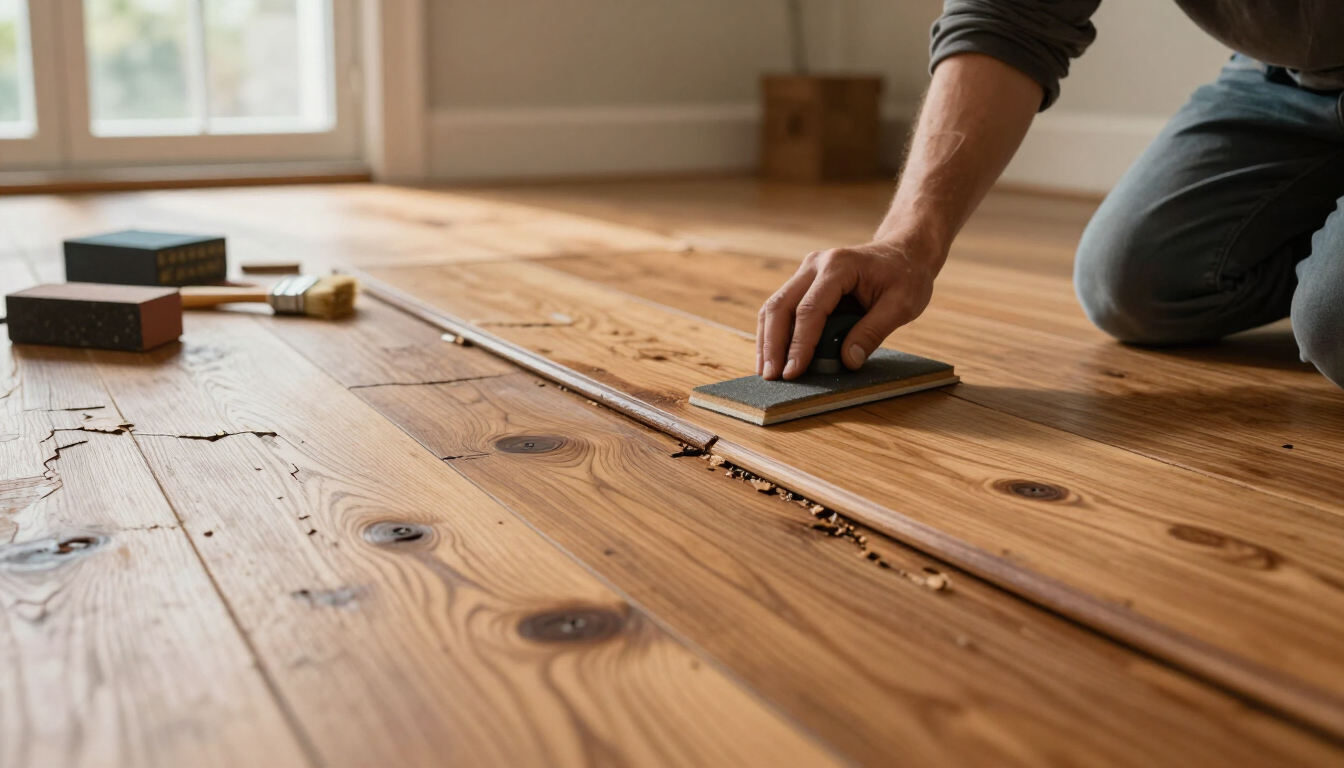
Keeping air moving is more than just comfort; it's about protecting your investment. Stagnant air can lead to uneven temperatures and humidity levels, which can affect the wood over time. Think about opening windows on cooler mornings and evenings, and using fans to create a gentle breeze throughout the house.
Finishing Touches For Temperature Control
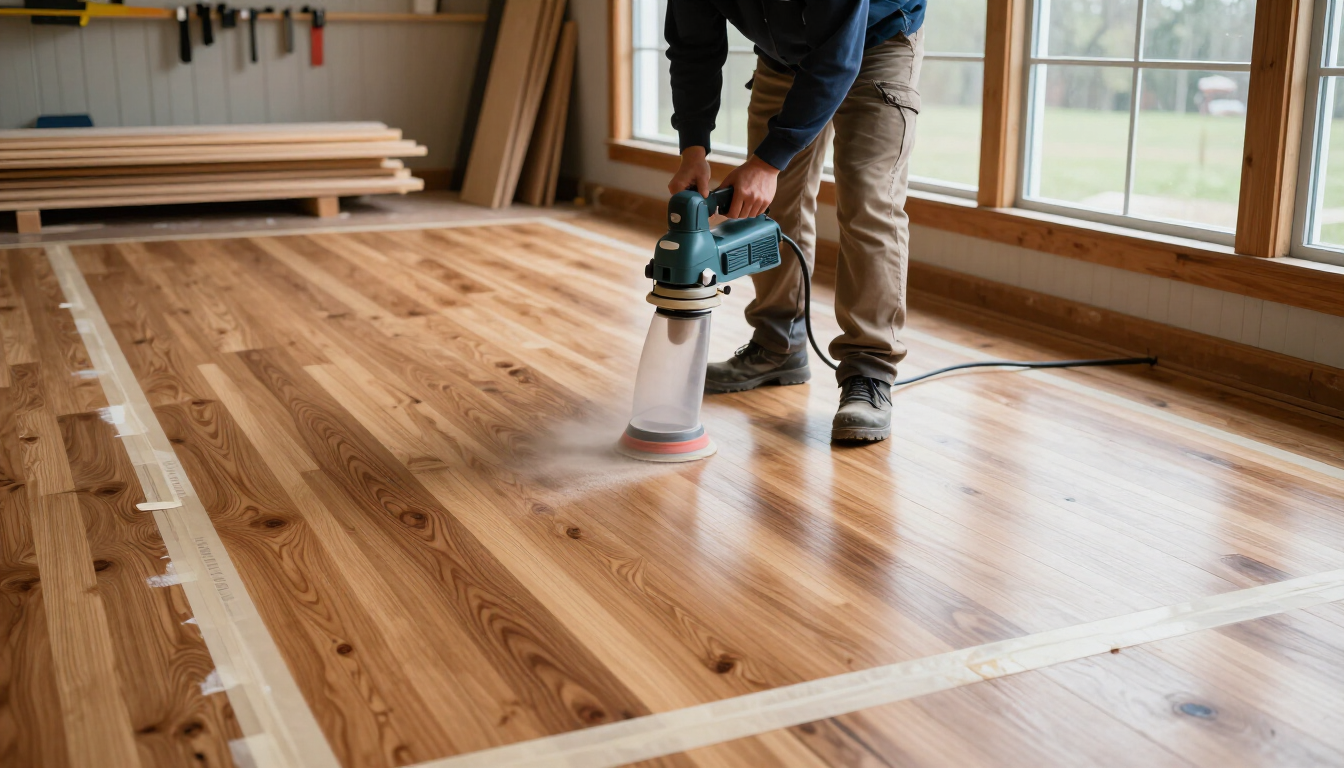
Sometimes, it's the little things that count. The finish on your hardwood floors plays a role in how they interact with heat. A matte or satin finish tends to absorb less light and heat compared to a high-gloss finish, which can reflect more. Also, think about your window treatments. Heavy drapes can block out the sun's heat, keeping your floors and your entire home cooler. For those really hot days, consider using a dehumidifier to manage indoor humidity levels, which is always a good practice for maintaining your hardwood's integrity.
- Opt for lighter-colored finishes if you're refinishing.
- Use blinds or curtains to block direct sunlight during peak heat hours.
- Ensure your HVAC system is set to circulate air, even when not actively cooling.
Aesthetic Appeal And Summer Vibes
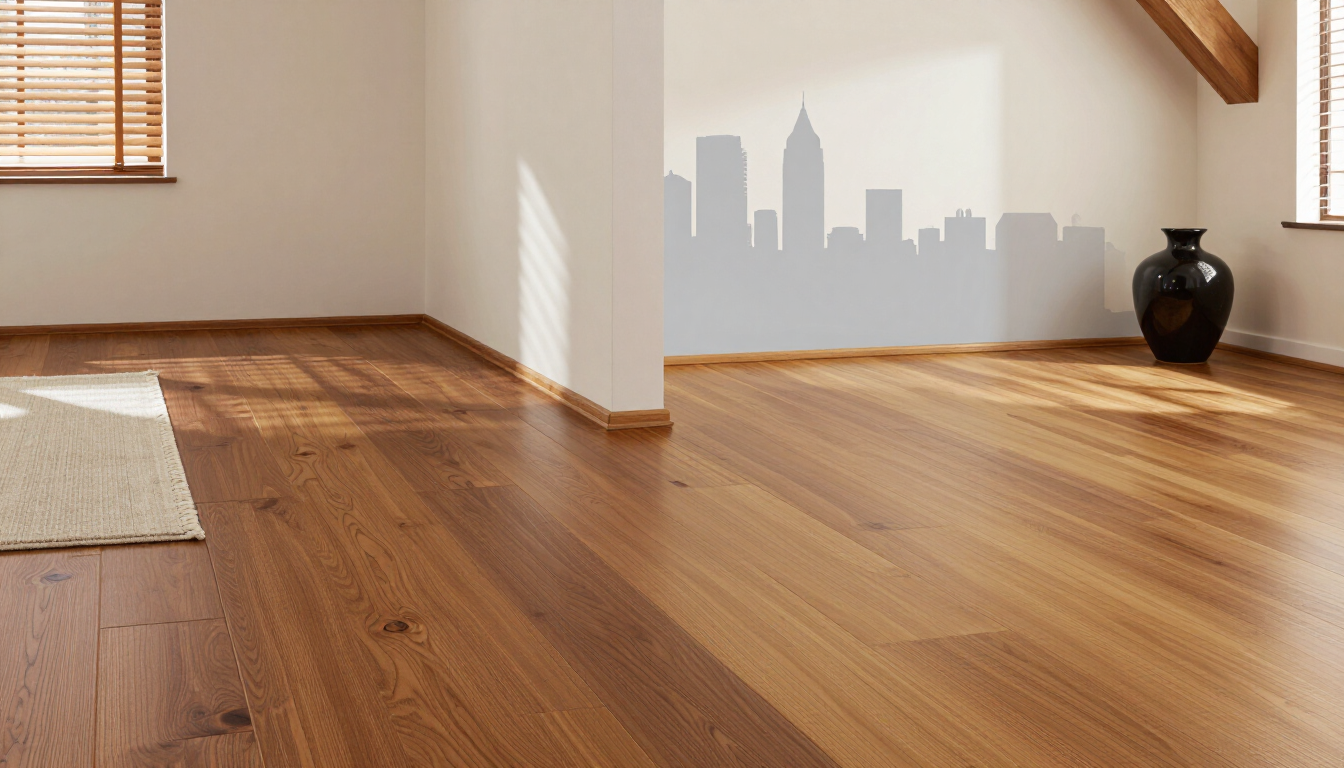
When we think about summer, we often picture bright, airy spaces that feel open and inviting. Hardwood floors really shine here. They have this timeless elegance that just works with almost any decor style, making your home feel put-together without trying too hard. The natural beauty of wood grain adds a layer of texture and warmth that synthetic materials just can't replicate.
Hardwood's Timeless Elegance
Think about it: hardwood has been around forever, and for good reason. It’s not just about looking good; it’s about creating a feeling. In the summer, this translates to a sense of calm and natural beauty. Whether you're going for a modern, minimalist look or something more rustic and cozy, hardwood floors can adapt. They provide a solid, dependable foundation for your summer decorating.
- Light and Airy: Lighter wood tones, like those in maple or ash blonde finishes, can make a room feel much bigger and brighter, perfect for those long summer days. These shades really help bounce light around. See popular wood tones
- Warm and Inviting: Deeper woods, like walnut or rich oak, bring a sense of grounded warmth. Even in summer, these can create a sophisticated, comfortable atmosphere, especially in the evenings.
- Versatile Canvas: The natural color variations in hardwood mean they pair well with vibrant summer textiles, like colorful rugs or cushions, without clashing.
Visualizing Summer Spaces with Different Floors
It's easy to get caught up in the practicalities of flooring, but don't forget how much it impacts the overall feel of your home, especially during the summer months. A cool, smooth tile might feel nice underfoot initially, but it can sometimes make a room feel a bit stark. Carpet, on the other hand, can feel a bit too warm and heavy when the temperatures climb.
Hardwood offers a middle ground. It's not cold like tile, nor is it overly warm like thick carpet. It strikes a balance that feels just right for the season. Plus, the natural variations in the wood itself add visual interest that keeps a space from feeling monotonous.
When you're planning your summer refresh, consider how your floors contribute to the vibe. Hardwood floors, with their natural character and adaptability, are a fantastic choice for creating a home that feels both stylish and comfortable all season long. They really do tie the whole room together, giving it that polished yet relaxed summer feel. For a cozy winter atmosphere, warm wood tones are also a great choice, showing their year-round appeal. Explore wood flooring options
Make your home feel like a summer paradise with our beautiful flooring options. Imagine warm, sunny days and cool, relaxing evenings, all enhanced by the perfect floors. Ready to bring that summer feeling home? Visit our website today to explore our stunning collection and find the look that speaks to you!
So, What's the Verdict?
Alright, so we've looked at a few different flooring ideas for keeping things cool when the summer heat really kicks in. Hardwood floors definitely have their good points, especially how they feel underfoot when it's warm out. They don't hold onto heat like some other materials can. But, if you're on a tight budget or need something super tough for kids and pets, you might lean towards tile or maybe even some of the newer vinyl options. Think about what matters most in your home – is it the cool touch, the look, the price, or how easy it is to clean up spills? No single floor is perfect for everyone, but knowing the pros and cons helps you pick the best fit for your space and your summer comfort.
Frequently Asked Questions
Are hardwood floors good for hot weather?
Yes, hardwood floors can be great for hot weather! Unlike some other materials that soak up heat, wood naturally stays cooler. It doesn't hold onto warmth as much, which can make your home feel more comfortable when it's hot outside.
How do hardwood floors compare to vinyl in the summer?
Vinyl tends to get warmer and can feel sticky in the heat because it traps heat. Hardwood, on the other hand, breathes better and doesn't get as hot under your feet. So, for a cooler summer feel, hardwood usually wins.
Is tile or hardwood better for staying cool in summer?
Tile can feel cool to the touch initially, but it can also absorb heat and radiate it back into the room. Hardwood has a more consistent, comfortable temperature. While tile is very moisture resistant, hardwood is also quite durable, especially with the right finish, and offers a warmer feel underfoot than cold tile.
Do carpeted floors get too hot in summer?
Carpet is generally not ideal for summer comfort. It acts like an insulator, trapping heat and making the room feel warmer. If you're looking for a cool floor during summer, carpet is usually one of the last choices.
Can I make my hardwood floors cooler in summer?
You can definitely help! Using lighter-colored rugs in areas where you walk a lot can reflect heat. Opening windows and doors when it's cooler outside, like in the morning or evening, helps circulate air. Also, making sure your home is well-ventilated is key.
Do hardwood floors look good in summer decor?
Absolutely! Hardwood floors have a timeless beauty that fits perfectly with any season, including summer. Their natural look can make a space feel airy and bright, especially when paired with light colors and natural decor that screams summer vibes.