Choosing the Right Hardwood Floor Color for Spring 2026 Trends
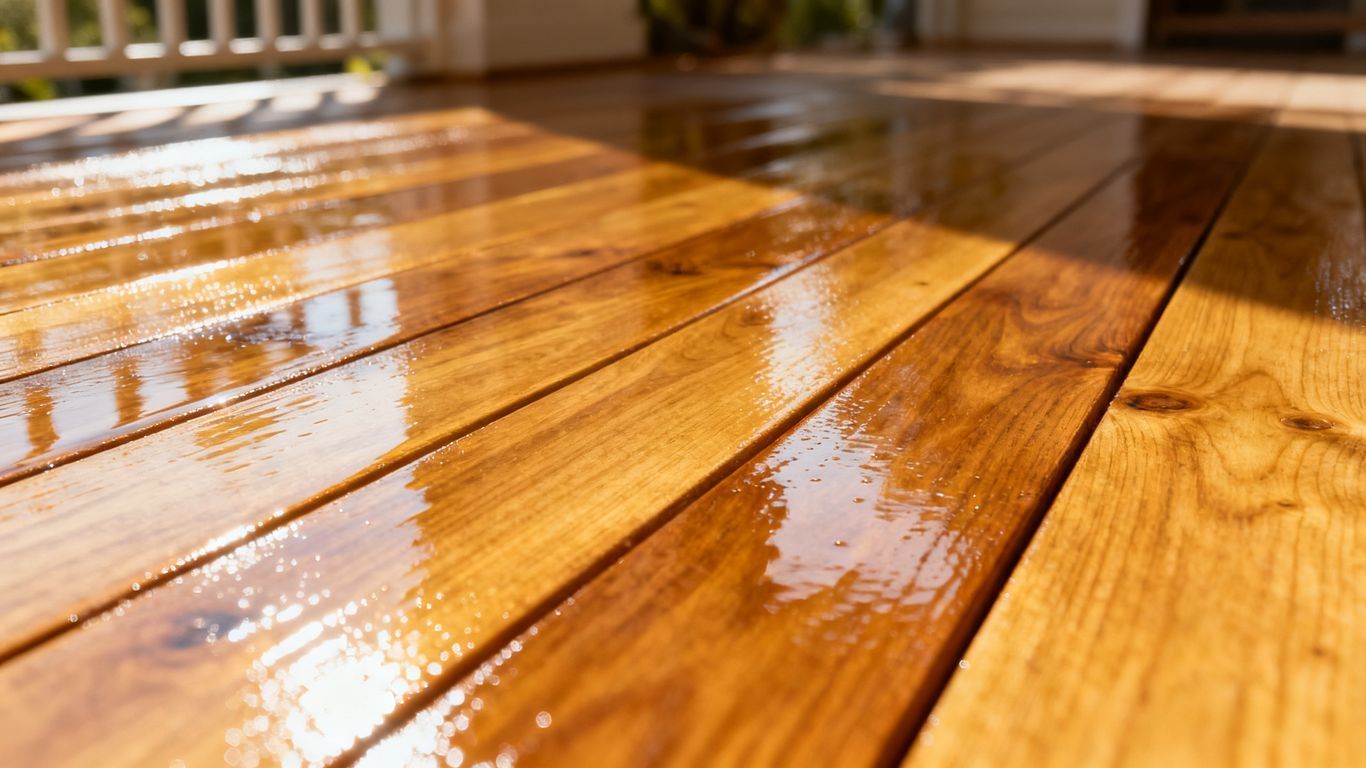
Thinking about new floors for spring 2026? It can be a big decision, and picking the right color for your hardwood floors is a major part of it. We're going to look at the latest hardwood floor color trends that are popping up for next year. It's not just about what looks good now, but also what will still feel right down the road. Let's get into what's making waves in the world of wood flooring.
Key Takeaways
- Nature-inspired earthy tones like warm walnut and rich oak are big for hardwood floor color trends in Spring 2026. Muted greens, blues, and terracotta shades are also making a statement.
- Light and airy neutrals, such as ash blonde, whitewashed finishes, cool greige, and soft beige, are popular for creating a modern and open feel.
- Don't shy away from bolder choices. Deep espresso, charcoal, and even pops of unexpected color can add personality. Distressed and reclaimed looks are also trending.
- Think about how light works in your space. Lighter floors can make rooms feel bigger with natural light, while darker floors can create a cozy vibe. Artificial light matters too.
- The type of wood you choose affects the final color. Maple and birch lend themselves to lighter shades, while hickory and pecan offer natural warmth. Exotic woods bring unique looks to the hardwood floor color trends.
Embracing Nature's Palette: Earthy Tones Lead Hardwood Floor Color Trends
This spring, it feels like everyone's looking to bring a bit of the outdoors in, and that's really showing up in hardwood floor colors. We're seeing a big move towards shades that feel grounded and natural, like you'd find on a hike or by a cozy fireplace. These earthy tones are all about creating a warm, inviting atmosphere in your home.
Warm Walnut and Rich Oak Dominance
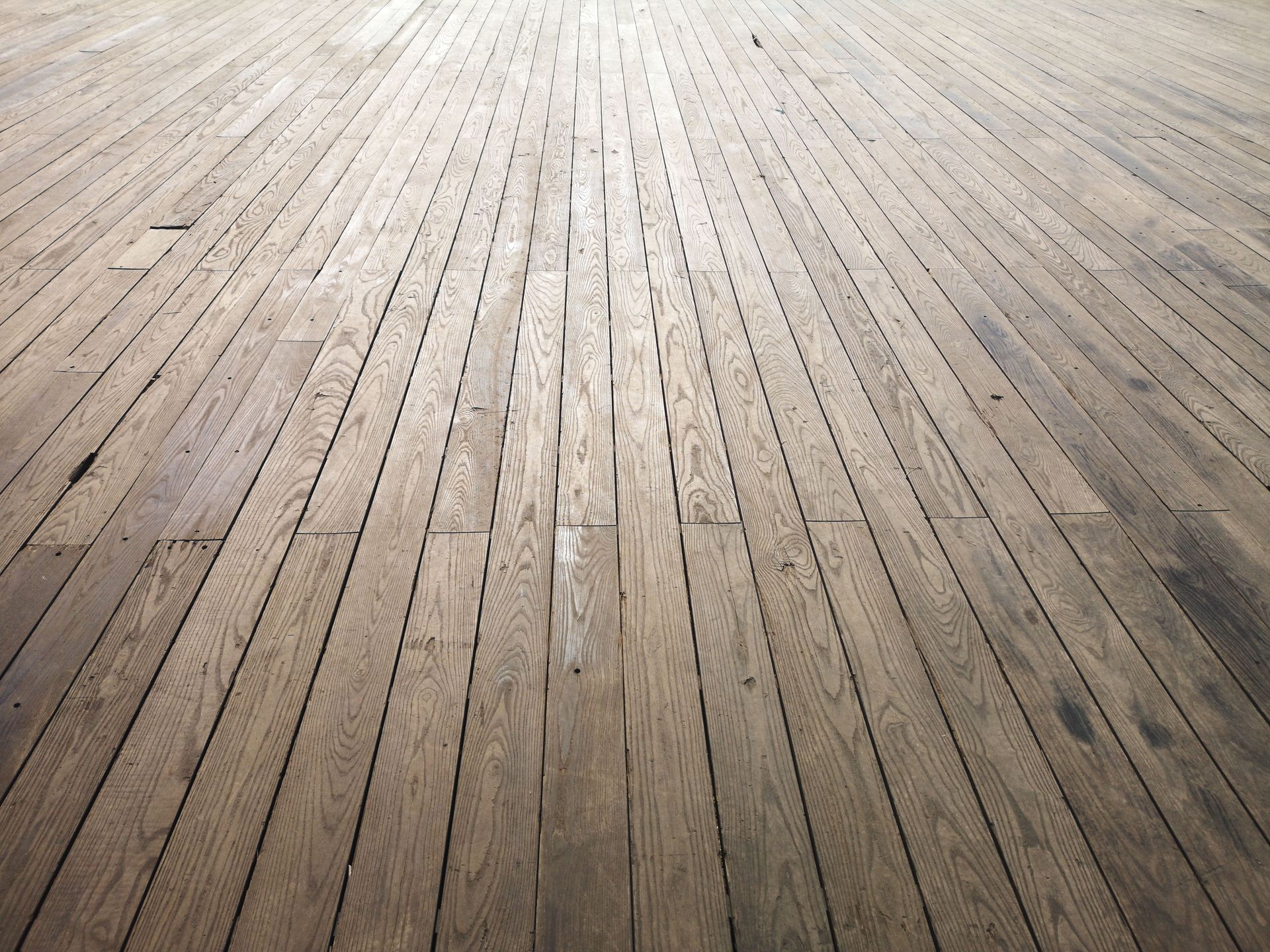
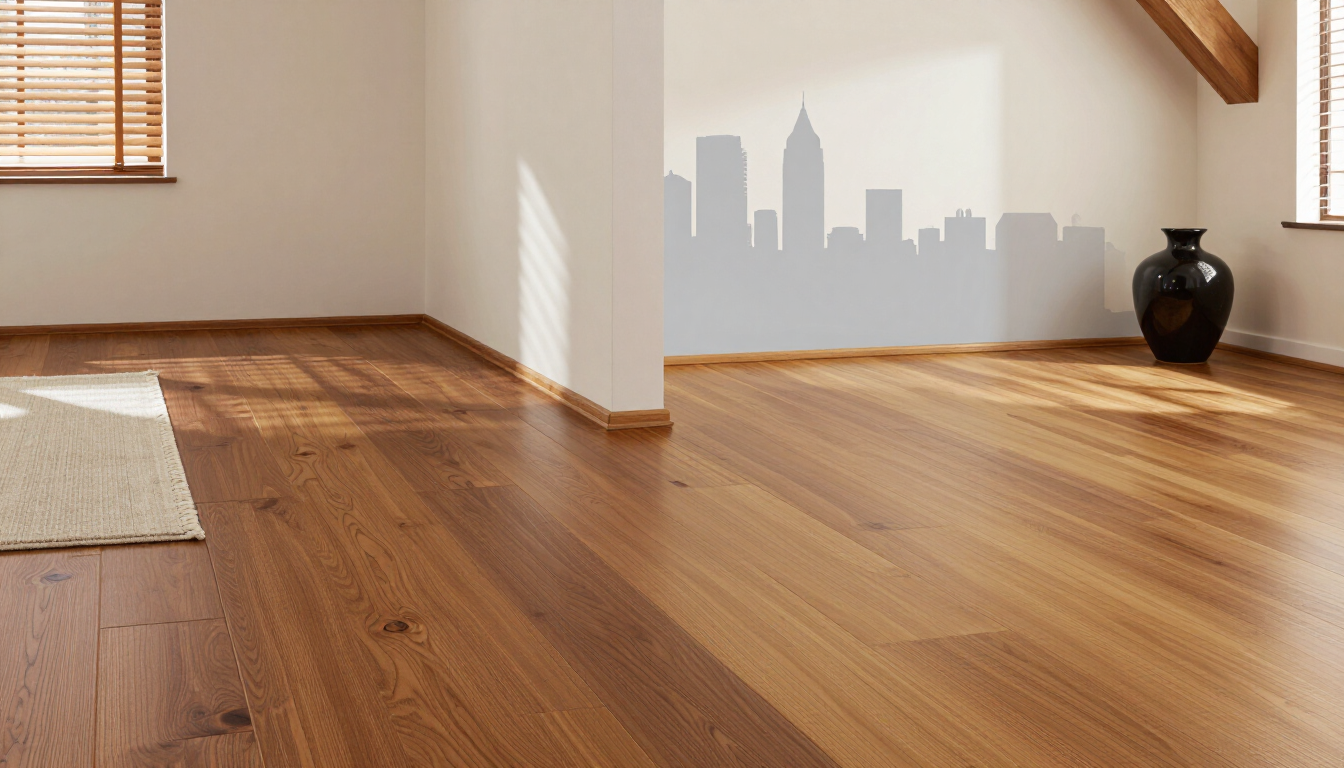
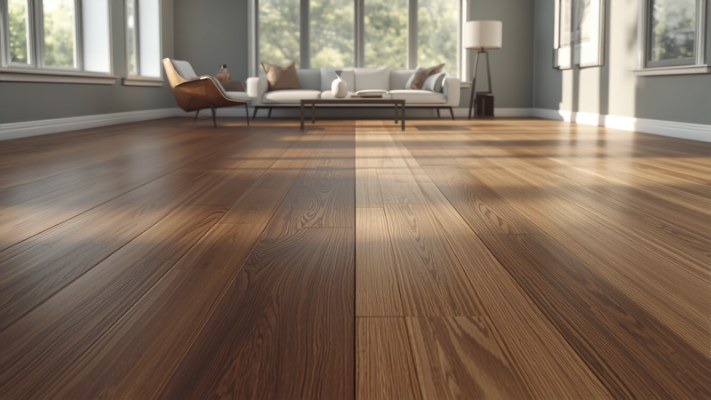
Walnut and oak are making a serious comeback, but not in their super light or super dark forms. Think of the mid-range shades – the ones that have a bit of depth without being overwhelming. Walnut, with its natural variations and slightly reddish undertones, feels really luxurious. Oak, always a classic, is showing up in finishes that highlight its grain, giving it a more organic, less processed look. These aren't just plain brown floors; they have character. They work with so many decor styles, from modern farmhouse to more traditional settings. It’s like they have this built-in warmth that just makes a room feel more lived-in and comfortable.
The Rise of Muted Greens and Blues
Okay, this one might surprise you, but greens and blues are creeping into the hardwood scene, but in a very subtle way. We're not talking about bright, tropical colors here. Instead, think of muted, dusty shades – like a soft sage green or a faded denim blue. These colors are often achieved through staining techniques that still let the wood's natural grain show through. They add a touch of personality without being too loud. It’s a way to get a bit of color into your space without committing to painted walls in those shades. They pair surprisingly well with natural wood tones and even some of the warmer neutrals.
Terracotta and Clay Inspired Hues
This trend is all about warmth and a connection to the earth. Terracotta and clay colors bring a rustic, almost Mediterranean vibe to hardwood floors. These aren't necessarily bright orange-reds, but more subdued, earthy shades with hints of pink, brown, and even a touch of ochre. They can look fantastic in spaces with a lot of natural light, making the room feel sunny and cheerful. They also work well with natural materials like stone, linen, and rattan, really leaning into that organic feel. It's a way to add a unique color statement that still feels very natural and grounded.
When choosing these earthy tones, consider how they'll interact with your existing furniture and decor. The goal is to create a cohesive look, not a jarring one. A good floor color should act as a beautiful backdrop for the rest of your room.
Here are a few things to keep in mind with these natural palettes:
- Versatility: Earthy tones are generally quite versatile and can adapt to various interior design styles.
- Warmth: They naturally bring a sense of coziness and comfort to a space.
- Timelessness: Unlike some trendier colors, these natural shades tend to have a longer lifespan in terms of style.
- Connection to Nature: They help create a calming environment, bringing the outdoors in.
Light and Airy: Soft Neutrals Shaping Spring 2026 Hardwood Floor Color Trends
This year, it feels like everyone's leaning into spaces that feel open and bright, and the hardwood floor colors are totally following suit. Forget those super dark, heavy looks for a minute; Spring 2026 is all about a lighter touch. We're seeing a big move towards soft neutrals that make rooms feel bigger and more welcoming. It’s like bringing the calm of a clear sky or a gentle breeze right into your home.
Ash Blonde and Whitewashed Finishes
Ash blonde is really having a moment. It’s got this cool, almost Scandinavian vibe that’s super clean. It’s not stark white, but it’s definitely light, letting the natural grain of the wood peek through without being too busy. Whitewashed finishes are similar, but they give off an even more relaxed, beachy feel. They’re perfect for making a space feel like a breath of fresh air.
- Ash blonde offers a clean, modern look.
- Whitewashed floors bring a casual, airy atmosphere.
- Both work well with a variety of decor styles.
Cool Greige for a Modern Feel
Greige – that perfect mix of gray and beige – is sticking around, but for 2026, it’s leaning cooler. Think less warm brown, more soft, stony gray with just a hint of beige. This shade is incredibly versatile. It’s neutral enough to go with almost anything, but it still has enough character to feel intentional. It’s a great way to get that contemporary look without feeling cold.
Greige floors provide a sophisticated backdrop that doesn't compete with your furniture or art. They offer a subtle warmth that feels grounded and natural.
Subtle Beige and Sandstone Shades
Beyond greige, we're seeing a lot of subtle beiges and sandstone-inspired colors. These aren't your grandma's honey oak floors; they're much softer and more muted. Imagine the color of dry sand or a light, smooth stone. They add a gentle warmth that feels organic and understated. These shades are fantastic for creating a cozy, yet still light and open, environment. They really make a room feel lived-in and comfortable, without being dark or heavy.
Beyond the Expected: Bold and Unique Hardwood Floor Color Trends
Charcoal and Deep Espresso Statements
Forget the usual suspects; this year, we're seeing a real move towards the dramatic. Darker hardwood floors, like deep espresso or a moody charcoal, are making a serious statement. They bring a sense of sophistication and grounding to a room, which is pretty cool. These deep tones work surprisingly well in both modern and more traditional settings, adding a touch of unexpected luxury. It’s not just about going dark, though; it’s about the richness and depth these colors bring. Think of them as the little black dress of flooring – always in style, always impactful.
Unexpected Pops of Color
Now, this is where things get really interesting. While nature-inspired shades are big, there's also a growing trend for floors that aren't afraid to be a bit different. We're talking about subtle, almost neutral colors with a twist. Imagine a floor that looks like a soft, muted sage green, or perhaps a very pale, dusty blue. These aren't loud or overwhelming, but they add a unique character that you just don't get with standard browns and beiges. It’s a way to inject personality without sacrificing the warmth of wood.
Distressed and Reclaimed Wood Aesthetics
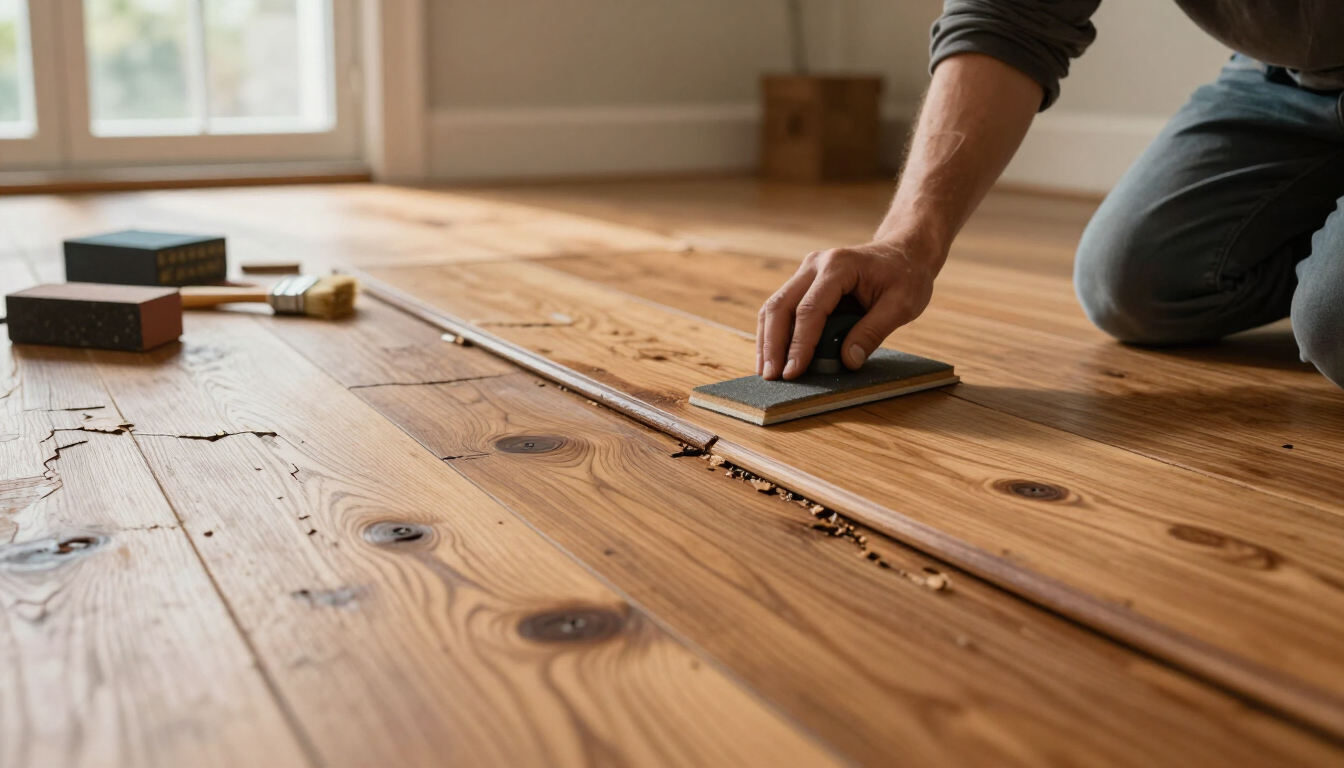
There's a definite charm to floors that look like they have a story to tell. Distressed and reclaimed wood finishes are really catching on. This isn't about looking messy, though. It's about a curated, lived-in feel. Think subtle wire-brushing, hand-scraped textures, or finishes that mimic the look of aged wood. It adds a layer of authenticity and warmth that’s hard to beat. Plus, these finishes are often pretty forgiving when it comes to everyday wear and tear, which is always a bonus.
Choosing a bold or unique floor color is a fantastic way to express your personal style. It’s about moving past what’s expected and embracing something that truly speaks to you and the atmosphere you want to create in your home. Don't be afraid to experiment a little; the right unique floor can completely transform a space.
When considering these bolder options, think about:
- The overall mood you want to set: Do you want cozy and dramatic, or fresh and unexpected?
- How the color will interact with your furniture and decor: A dark floor might make lighter furniture pop, for example.
- The amount of natural light in the room: Very dark floors can make a room feel smaller if it doesn't get much sun.
Considering Your Space: How Light Affects Hardwood Floor Color Trends
You know, the amount of light a room gets can really change how a hardwood floor looks. It’s not just about picking a color you like; you’ve got to think about how that color will play with the light in your actual home. The same floor can look totally different depending on whether it's bathed in sunshine or tucked away in a dimmer corner.
Maximizing Natural Light with Lighter Tones
If your space is blessed with lots of windows, lighter hardwood colors are your best friend. Think about those ash blonde or whitewashed finishes we talked about. They really bounce light around, making a room feel bigger and more open. It’s like giving your space a little extra boost of brightness, especially on those cloudy spring days. This is a great way to make smaller rooms feel more expansive and welcoming. It’s a simple trick that makes a big difference in the overall ambiance of your home.
Creating Ambiance with Darker Shades
Now, if you have a room that gets less natural light, or maybe you just want a cozier vibe, darker floors can be fantastic. A rich walnut or a deep espresso can add a sense of warmth and sophistication. They ground the space, making it feel more intimate and grounded. It’s about creating a mood, a feeling of comfort and settled-in style. Don't shy away from darker tones just because a room isn't super bright; they can actually make it feel more intentional and inviting. You can find some really beautiful dark wood options that fit this bill.
The Impact of Artificial Lighting
Don't forget about your lamps and overhead lights! The type of bulbs you use and where you place your fixtures matters. Warm-toned bulbs can make lighter floors look a bit more golden, while cooler bulbs might bring out more gray undertones. For darker floors, good lighting is key to showing off their depth and preventing the room from feeling too cave-like. Think about:
- Layering your lighting: use a mix of overhead, task, and accent lights.
- Considering bulb temperature: warm white (around 2700K) for cozy, cool white (around 4000K) for brighter spaces.
- Placement: avoid harsh shadows by strategically positioning lamps.
Sometimes, the biggest impact on how your floor color looks comes not from the floor itself, but from the light hitting it. It’s a two-way street, and understanding how your chosen wood will interact with both natural and artificial light sources is key to a successful design choice. Don't just pick a color from a swatch; try to see it in different lighting conditions if possible.
Choosing the right hardwood color is a balancing act. You want something that looks great in your home's unique light conditions, making the most of what you have. It’s all about making your space feel just right.
Material Matters: Wood Species Influencing Hardwood Floor Color Trends
So, you've picked out a color, but have you thought about what kind of wood will actually be that color? It's a big deal, honestly. The species of wood you choose plays a huge role in how the final color looks and even how it ages. It's not just about the stain; the natural undertones of the wood itself really come through.
Maple and Birch for Lighter Looks
If you're leaning towards those super light, airy vibes that are big for Spring 2026, maple and birch are your go-to guys. They have a really fine grain and a naturally pale color. This makes them a fantastic canvas for those whitewashed or ash blonde finishes we're seeing everywhere. They don't have a lot of strong natural color to fight against, so the stain can really do its thing.
- Maple: Known for its smooth, even texture and light cream color. It takes stains very uniformly.
- Birch: Similar to maple, often a bit lighter and can sometimes have subtle reddish or yellowish undertones that add a bit of warmth.
These woods are great for making spaces feel bigger and brighter, especially if you don't have a ton of natural light.
Choosing between maple and birch often comes down to the specific grain pattern you prefer and how much you want the wood's natural character to show through. Both are solid choices for a clean, modern look.
Hickory and Pecan for Natural Warmth
Want something with a bit more personality and natural warmth? Hickory and pecan are excellent choices. They have a more varied grain and often come with natural color variations, from light tans to richer browns. This makes them perfect for those earthy, natural tones that are trending. Even with a lighter stain, you'll get a beautiful depth from the wood itself.
- Hickory: Famous for its strength and striking color contrasts. You'll see everything from creamy whites to dark browns all in one plank.
- Pecan: Offers a warm, reddish-brown hue with a distinct grain pattern that adds a cozy feel.
These woods are great if you want a floor that feels lived-in and authentic, even when it's brand new.
Exotic Woods and Their Unique Colors
Now, if you're feeling adventurous and want something truly unique, there are exotic wood species. These often come with their own built-in color, which can be anything from deep reds to almost black. They can be stunning on their own or used as a base for certain bold trends. Just be aware that some exotics can be pricier and might have different maintenance needs.
- Tigerwood: Known for its dramatic stripes of dark brown and reddish-orange.
- Brazilian Cherry: A classic, with a rich red color that deepens over time.
- Wenge: An extremely dark, almost black wood that makes a serious statement.
The species you pick isn't just about the look; it's about the whole package – durability, grain, and how it interacts with the color you're dreaming of.
Durability Meets Design: Practical Considerations for Hardwood Floor Color Trends
So, you've picked out the perfect shade of warm walnut or maybe a cool ash blonde for your floors. That's awesome! But before you get too carried away with how good it's going to look, let's talk about the stuff that really matters day-to-day. Because, let's be honest, a floor that looks amazing but falls apart isn't much good to anyone.
Scratch and Wear Resistance
This is a big one, especially if you have pets, kids, or just a busy household. Some wood species and finishes handle scuffs and scratches better than others. Lighter colors can sometimes hide minor wear and tear a bit more easily than very dark, glossy finishes, which tend to show every little mark. Think about how your floors will hold up over time.
- Harder woods like hickory or maple generally resist dents and scratches better.
- Matte or satin finishes are often more forgiving than high-gloss ones.
- Consider the wear layer if you're looking at engineered hardwood.
The color you choose can play a role in how visible everyday wear is. A floor that looks great today needs to keep looking good for years to come, so think about the long haul.
Maintenance and Cleaning Factors
Different wood colors and finishes can require different levels of upkeep. Darker floors might show dust and pet hair more readily, while lighter floors might make spills or scuffs more obvious. It's not just about the color, but also the finish.
- Regular sweeping or vacuuming is usually recommended for most wood floors.
- Use a damp mop with a wood-specific cleaner for deeper cleaning.
- Avoid harsh chemicals or excessive water, which can damage the wood.
Long-Term Style Investment
Trends come and go, and while it's fun to be current, you also want your floors to feel right for your home for a good while. Choosing a color that you genuinely love, and that works with your overall decor, is key. Think about how easily the color will adapt if you decide to redecorate.
- Neutral tones often have more staying power.
- Consider how the color will look in different seasons and lighting conditions.
- A timeless color choice means less worry about costly replacements down the line.
Choosing the right color for your hardwood floors is a big decision! It's not just about looks; it's also about how well the floor holds up over time. We'll explore how the latest color trends can work with your lifestyle and home. Ready to find the perfect shade that's both stylish and tough? Visit our website to see our beautiful options and get inspired!
Wrapping Up Your Wood Floor Choice
So, picking the right wood floor color for your place in 2026 doesn't have to be a huge headache. We've looked at some popular shades, from the light and airy to the darker, cozier tones. Remember, it's all about what feels good to you and fits your home's vibe. Don't be afraid to grab some samples and see how they look in your own light. Ultimately, the best color is the one that makes you happy every time you walk into the room. Happy flooring!
Frequently Asked Questions
What wood floor colors are popular for spring 2026?
Get ready for colors inspired by nature! Think warm browns like walnut and oak, along with softer shades of green and blue. Earthy tones like terracotta and clay are also making a big splash, bringing a cozy, natural feel into homes.
Are light wood floors still in style?
Absolutely! Light and airy looks are definitely trending. Think colors like ash blonde and whitewashed finishes that make spaces feel bigger and brighter. Cool greige (a mix of gray and beige) is also a hit for a modern vibe, as are soft, sandy beige shades.
Can I use dark or bold wood floor colors?
Yes, you can! If you want to make a statement, deep colors like charcoal or rich espresso are trending. Sometimes, you'll even see pops of brighter colors or wood with a distressed, or worn-in look, adding unique character to a room.
How does the light in my room affect the floor color choice?
Light is super important! Lots of natural light makes lighter floor colors look even more amazing and can help a room feel more open. Darker floors can create a cozier, more intimate feel, especially in rooms with less natural light. Even the type of lamps you use can change how the floor color looks.
Does the type of wood matter for the color?
Definitely. Different woods naturally have different colors. Maple and birch are great for achieving those light, clean looks. If you like warmer, natural tones, hickory and pecan woods are fantastic choices. Exotic woods can offer really unique and vibrant colors too.
Are trendy wood floor colors easy to take care of?
It depends on the finish and the color. Generally, lighter or medium-toned floors might show scratches less than very dark ones. Always check how durable the wood is and how easy it is to clean before you buy. Picking a color you'll love for a long time is key!