What to Expect During a Professional Hardwood Floor Refinishing Project
Thinking about getting your hardwood floors looking new again? It's a big job, and knowing what to expect during the hardwood floor refinishing process can make a world of difference. You want that beautiful, fresh look back, right? This guide will walk you through what happens, from the first look at your floors to the final coat of protection. It's not just about sanding and staining; there's a bit more to it than you might think. Let's break down the whole thing so you're ready.
Key Takeaways
- The hardwood floor refinishing process starts with checking your floors and getting the room ready.
- Sanding happens in stages, from rough to fine, to get rid of old finishes and smooth out the wood.
- You can pick different stain colors to change how your floors look before they're sealed.
- Protective top coats, usually polyurethane, are put on in layers to keep the floors looking good.
- After refinishing, there's a waiting period before you can walk on the floors normally, and then you need to care for them properly.
Understanding The Hardwood Floor Refinishing Process
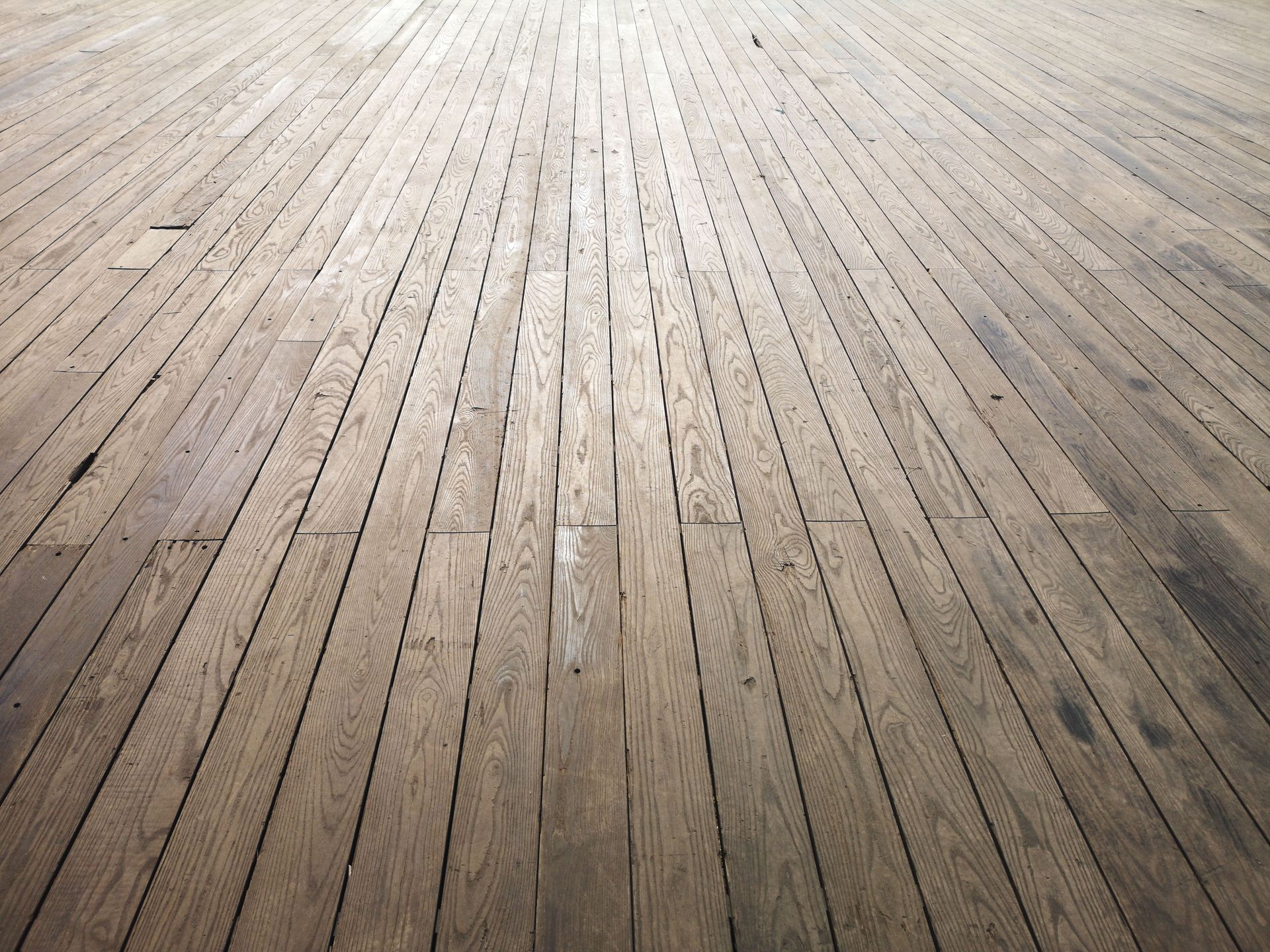
So, you're thinking about giving your old hardwood floors a facelift? It's a pretty involved project, but the results can be amazing. Basically, it's about bringing your floors back to life, making them look almost new again. The whole idea is to remove the old, worn-out finish and any damage, then apply a fresh new look.
It breaks down into a few main parts:
- Initial Assessment And Preparation: Before anyone touches a sander, someone needs to look at your floors. They'll check for any loose boards, deep gouges, or other issues that need fixing. This is also when they'll figure out what kind of wood you have and what finish is currently on it. Then comes the prep work – moving furniture, protecting walls, and making sure the area is ready for some serious dust.
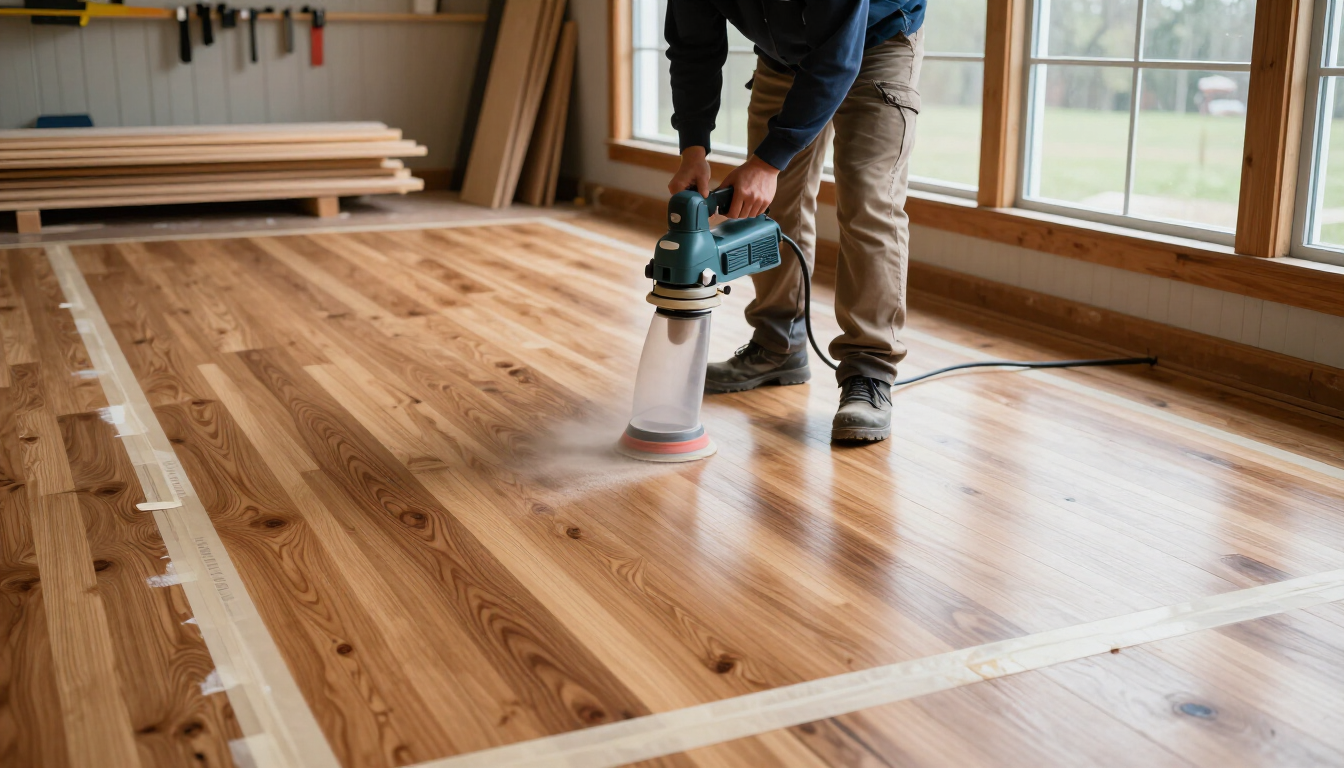
- The Sanding Stages: This is where the magic really happens, but it's also the messiest part. It's not just one quick go-over. They'll use different grits of sandpaper, starting coarse to get rid of the old finish and any deep scratches, then moving to finer grits to smooth everything out. It's a bit like exfoliating your floors, if you think about it.
- Staining And Sealing: Once the floors are smooth and clean, you get to pick a color. Stains come in all sorts of shades, from light natural tones to deep, rich browns. After the stain dries, a protective top coat is applied. This is what keeps your floors looking good and protects them from spills and wear. You'll usually see a few coats of this go on.
This process isn't something you can rush. Each step needs its own time to dry and cure properly. Trying to speed things up can lead to problems down the road, like a finish that peels or a color that doesn't look right. Patience is definitely key here.
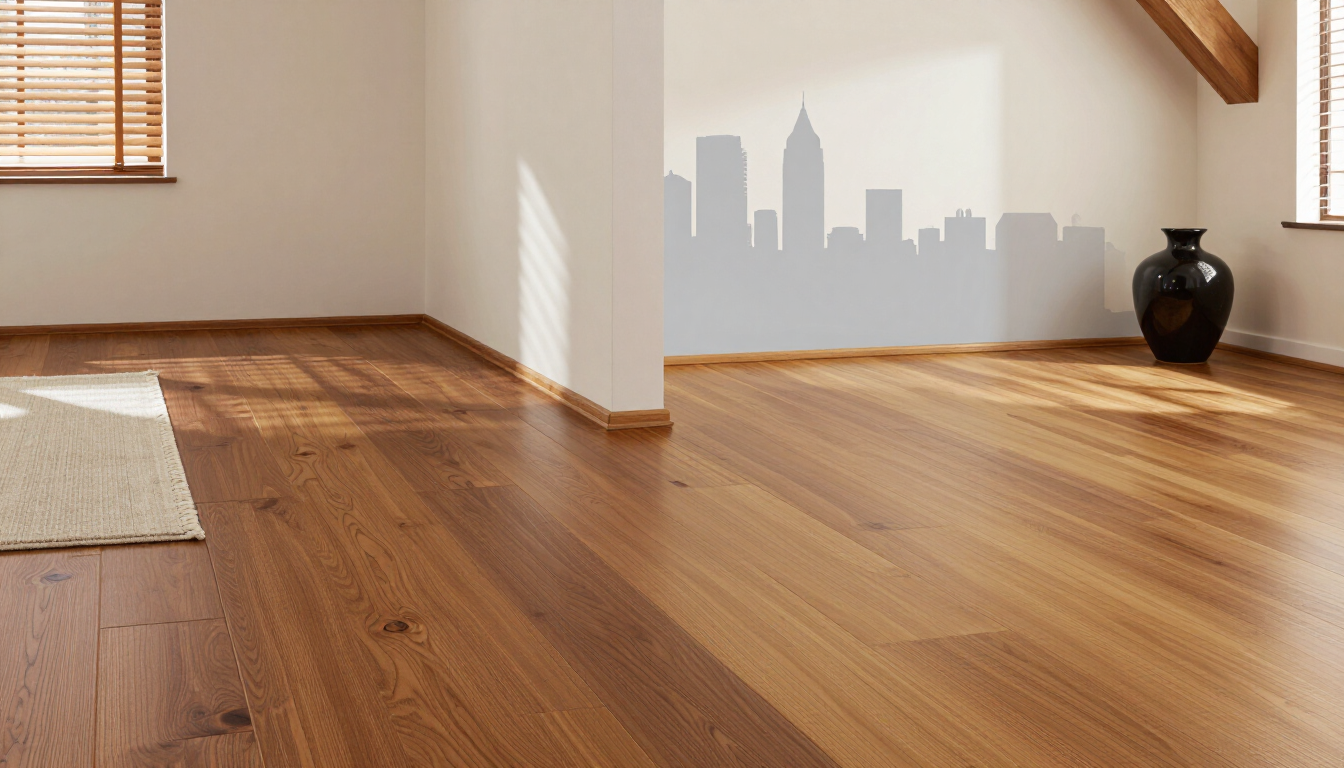
It's a transformation, for sure. You start with floors that might be dull, scratched, or just plain tired, and end up with something that looks fantastic. It's a great way to update your home's look without a full renovation. The sanding is the most labor-intensive part, but it's what makes the rest of the process work so well.
Preparing Your Home For Refinishing
Alright, so you've decided to get those hardwood floors looking spiffy again. That's awesome! But before the sanding machines even roll in, there's a bit of prep work you'll need to do around your house. Think of it like getting ready for a big party – you want everything to go smoothly, right? This preparation phase is super important for a good outcome and to keep your stuff safe.
Clearing The Space
This is probably the biggest task. You've got to get everything out of the rooms where the floors will be refinished. We're talking about all the furniture, obviously. But don't forget the rugs, the curtains, and anything else that might be in the way or could get damaged by dust. It might seem like a lot, but it's way easier to move things out once than to try and protect them in place.
- All furniture (sofas, tables, beds, chairs, etc.)
- Rugs and carpets
- Window treatments (curtains, blinds)
- Any decorative items or clutter on the floor
Protecting Adjacent Areas
Even with the best efforts, sanding creates dust. A lot of dust. You'll want to seal off the rooms being worked on from the rest of your house. This usually involves using plastic sheeting and painter's tape. It's not foolproof, but it helps keep the dust bunnies from taking over your living room or kitchen. Your refinisher might handle some of this, but it's good to know what to expect. You can find good plastic sheeting for dust containment at most hardware stores.
Dust control is a big deal during sanding. While professionals use vacuums attached to their sanders, some fine dust is inevitable. Sealing off doorways and vents is key to minimizing its spread throughout your home.
Addressing Existing Damage
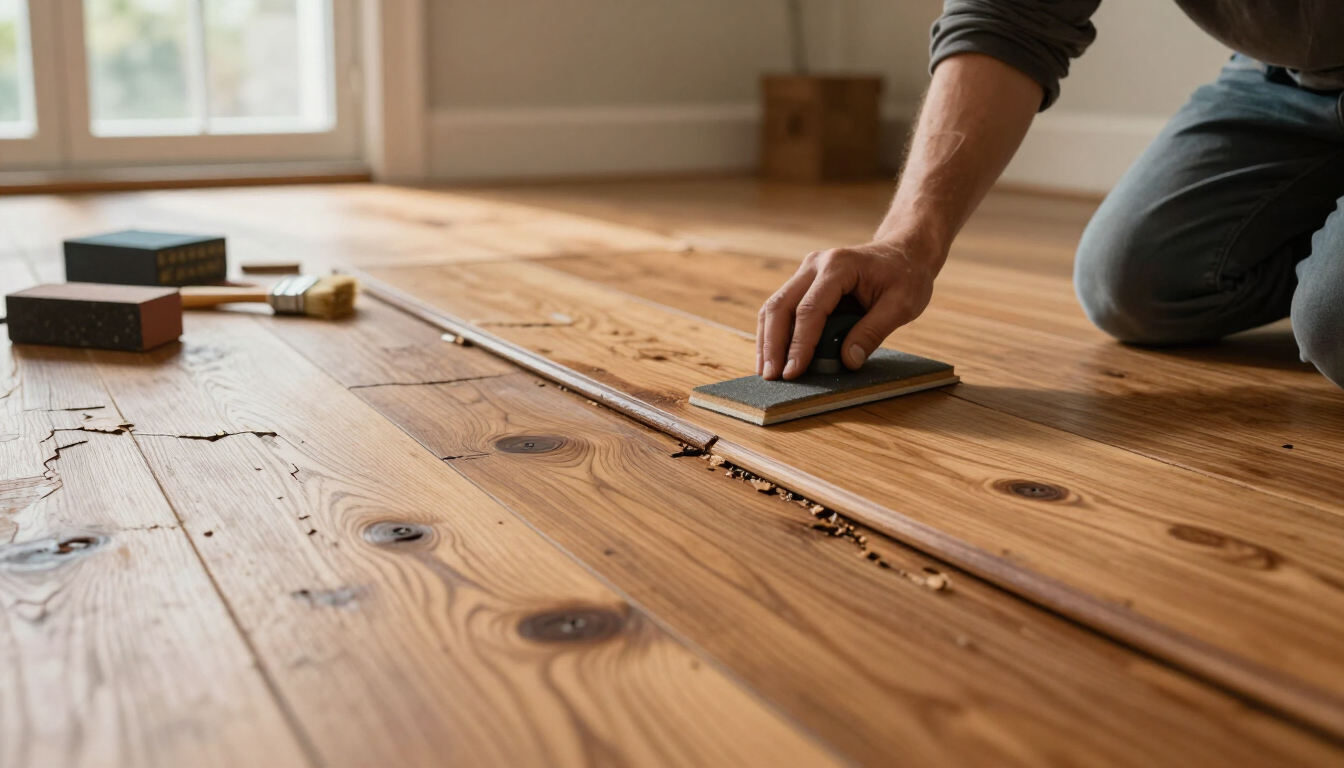
Before the sanding even begins, take a good look at your floors. Are there any loose boards? Any deep gouges or water damage? It's best to point these out to your refinishing crew. They can often fix minor issues, but sometimes, significant damage might need more involved repairs before refinishing can even start. Addressing these upfront means you won't be surprised later, and your finished floors will look their absolute best.
- Identify loose or squeaky floorboards.
- Note any deep scratches, dents, or stains.
- Check for signs of water damage or warping.
Getting your home ready might feel like a chore, but it really sets the stage for a successful floor transformation. It's all part of making sure your floors get that beautiful, refreshed look you're going for. Planning ahead, especially if you're thinking about selling your home, can make a big difference.
The Crucial Sanding Stages
Sanding is where the real magic happens when it comes to refinishing your hardwood floors. It's not just about making things look smooth; it's about stripping away the old, worn-out finish and any damage that's happened over the years. This is the most physically demanding part of the job, and getting it right sets the stage for everything that follows.
Rough Sanding For Deep Scratches
First up, the pros will bring out the big guns – a drum sander. This machine is powerful and uses coarse-grit sandpaper. Its main job is to take off the old finish, like polyurethane or wax, and deal with any serious issues. Think deep scratches, gouges, or uneven boards. This step is all about getting the floor down to bare wood and leveling everything out. It can be a bit dusty, even with dust containment systems, so make sure everything else in the house is well-covered.
Medium Grit For Surface Imperfections
Once the heavy lifting is done, the floor gets a once-over with a buffer and medium-grit sandpaper. This is like a follow-up pass. It smooths out any marks left by the drum sander and tackles smaller imperfections. The goal here is to get the wood surface looking uniform and ready for the next step. It's a bit like exfoliating your skin – getting rid of the rough bits to reveal a smoother layer underneath.
Fine Sanding For A Smooth Finish
Finally, the floor gets its spa treatment with fine-grit sandpaper. This is usually done with an orbital sander or edger, which gets into the corners and edges. This final sanding pass is all about creating that perfectly smooth surface. It's what makes the wood feel silky to the touch and prepares it to accept stain evenly. Without this step, any stain you apply might look blotchy or uneven. It’s a detail-oriented stage that really makes a difference in the final look.
The sanding process is a multi-step approach. Each grit of sandpaper has a specific purpose, from removing significant damage to achieving a surface so smooth it feels like glass. Skipping or rushing any of these stages can lead to a less-than-perfect final result, so patience and precision are key.
After sanding, the floor will be meticulously cleaned to remove all dust. This is super important because any leftover dust can get trapped in the new finish, ruining the look. Professionals often use vacuums and tack cloths for this. You can learn more about the overall hardwood floor refinishing process.
It's important to remember that while DIY kits exist, the power and precision of professional equipment make a big difference. For a truly revitalized floor, consider professional sanding and refinishing.
Achieving Your Desired Look With Stains
So, you've got this beautiful, freshly sanded floor, and now it's time for the fun part: picking a color. This is where you really get to make the space your own. It’s not just about covering up scratches anymore; it’s about setting a mood.
Exploring Stain Color Options
There are a ton of stain colors out there, and it can feel a little overwhelming. You've got everything from light, airy tones that make a room feel bigger, to deep, rich shades that add a cozy, classic vibe. Think about the furniture you have, the wall colors, and the overall style you're going for. Do you want something that blends in, or a color that makes a statement? Looking at samples is a good idea, maybe even on a scrap piece of your actual flooring if your contractor can provide one. This way, you can see how the color looks in your home's lighting. Some people like to see how different stains look on various wood types, which can really change the final appearance. You can find charts online that show this, like this wood stain comparison chart.
The Application Technique
How the stain is applied makes a big difference. Most pros will use a combination of tools. They might use a pad applicator or a brush to get the stain onto the wood evenly. Then, they'll wipe off the excess with rags. This wiping step is super important because it controls how dark the color gets. If you want a lighter look, more stain is wiped off. For a deeper color, less is wiped away. It’s a bit of an art form, really. Some areas might need a little extra attention, like edges or corners.
Understanding Drying Times
After the stain is applied and wiped, it needs time to dry. This isn't like paint drying in an hour. Stain soaks into the wood, and it needs to cure properly before the next step. The drying time can vary depending on the type of stain used and the humidity in your home. Your refinishing team will tell you exactly how long to wait. It's usually at least 24 hours, sometimes longer, before they can put on the protective top coats. Rushing this part can lead to problems later on, like the stain not looking quite right or the finish not adhering properly.
Patience is key during the staining phase. Allowing adequate drying time between coats and before applying the top finish prevents issues like blotchiness or a cloudy appearance. Your contractor will have specific recommendations based on the products they use and your home's environment.
Applying Protective Top Coats
Choosing Between Polyurethane Finishes
After all that sanding and maybe a fresh coat of stain, you've got a beautiful, smooth canvas. Now comes the part that actually protects all your hard work: the top coat. This is what keeps your floors looking good for years to come. The most common choice you'll run into is polyurethane. It's tough and comes in a few main types. You've got oil-based, which is super durable and gives a warm, amber tone to the wood, but it takes longer to dry and has stronger fumes. Then there's water-based, which dries much faster, has less odor, and stays clear, so it won't change the color of your stain. It's generally not quite as hard-wearing as oil-based, but modern water-based finishes are really good.
Multiple Coat Application
Don't skimp on this part! Applying multiple coats of your chosen finish is key to a long-lasting floor. Most professionals will put down at least three coats, sometimes more if the wood is very absorbent or the traffic is expected to be heavy. Each coat adds another layer of defense against spills, scuffs, and everyday wear and tear. The process usually involves applying a thin, even layer, letting it dry completely, and then often doing a light sanding or screening between coats. This might sound like a lot of waiting, but it's what makes the finish really stick and creates that smooth, hard surface. It's like building up layers of protection, and each one counts.
Curing And Drying Periods
It's important to know the difference between drying and curing. A coat of finish might feel dry to the touch within a few hours, meaning you can walk on it very carefully. However, it's not fully hardened yet. This full hardening, or curing, can take anywhere from a few days to a month, depending on the type of finish used. During this curing time, the finish is still vulnerable. You'll want to be extra gentle with your floors. This means avoiding heavy furniture, rugs, and even pet claws if possible. Following the manufacturer's specific recommendations for drying and curing times is really important for the longevity of your new finish. It's a waiting game, but worth it.
The final layers of protection are what really make your floors stand up to daily life. Rushing this stage or not applying enough coats can lead to premature wear, scratches, and dullness, undoing much of the effort put into sanding and staining. Patience here pays off big time in the long run.
Post-Refinishing Care And Maintenance
Initial Curing And Foot Traffic
So, your floors look amazing, right? Now comes the waiting game. It's super important to let that new finish really set up before you start living on it again. Think of it like letting paint dry completely – you don't want to smudge it. For the first 24 to 48 hours, it's best to just walk around in socks or go barefoot. Keep the pets and kids off them if you can, too. Heavy stuff like furniture? That needs to wait even longer, usually about a week. Rushing this part can lead to scuffs and marks that you'll just have to deal with later.
The finish needs time to harden properly. This isn't just about looking good; it's about making sure the protective layer actually protects your floors for years to come. Patience now means a more durable floor later.
Cleaning Recommendations
Once the curing period is over, keeping those floors clean is pretty straightforward. Regular sweeping or vacuuming (with a soft brush attachment, please!) will take care of dust and grit. For a deeper clean, use a damp mop, but make sure it's not soaking wet. You'll want a cleaner specifically made for hardwood floors; these are usually pH-neutral and won't strip the finish. Always wipe up spills right away – water left sitting can cause damage, even on a new finish. Avoid steam mops and harsh chemicals like ammonia or bleach; they can really dull the shine or even damage the protective layer.
Protecting Your Newly Refinished Floors
Think about adding felt pads to the bottom of all your furniture legs. This is a simple step that makes a big difference in preventing scratches and dents. For rugs, wait until the full curing time has passed, which can be up to 30 days for some finishes, before placing them down. Some rugs can trap moisture or cause discoloration. Also, be mindful of high-traffic areas. Using doormats at entrances can help trap dirt and moisture before it gets tracked onto your beautiful floors. Consider adding area rugs in spots that get a lot of wear and tear, like hallways or living room seating areas. This extra layer of protection will help keep your floors looking fresh for a long time.
Keeping your floors looking great after they've been redone is super important. Simple steps can make a big difference in how long they stay beautiful. Regular sweeping and using the right cleaners will help protect your investment. Want to know the best ways to keep your floors shining? Visit our website for all the tips and tricks!
Wrapping Up Your Floor Project
So, that's the lowdown on getting your hardwood floors redone. It's definitely a process, and yeah, it can be a bit messy and take some time. But seeing those old, tired floors transformed into something beautiful again? Totally worth it. Just remember to talk to your contractor, ask questions, and be patient. You'll end up with floors you'll love for years to come, and that's a pretty great feeling.
Frequently Asked Questions
How long does it usually take to refinish hardwood floors?
The time it takes can change depending on the size of your room and how much work the floors need. Usually, it takes a few days to a week. This includes the sanding, staining, and putting on the protective coats. It's important to remember that the floors need time to dry and harden after the final coat.
Will refinishing make a lot of dust?
Modern floor refinishing methods are much cleaner than they used to be. Most pros use special sanders with vacuums attached that catch most of the dust. While there might be a little bit of dust, it's usually not a big mess. Your contractor should also take steps to keep dust from spreading to other parts of your house.
What's the difference between staining and not staining my floors?
Staining your floors changes their color. It lets you pick a shade that matches your furniture or decor. If you don't stain them, they'll keep their natural wood color, but they'll still be protected by the clear top coat. Staining adds a personal touch, while leaving them natural shows off the wood's original beauty.
How do I get my house ready for the floor refinishers?
You'll need to move all furniture, rugs, and anything else off the floors that will be worked on. It's also a good idea to take down any curtains or blinds near the floors. Think about where you'll put your stuff while the work is being done. You might also want to cover up things you can't move, like built-in cabinets.
Can you fix deep scratches or dents in my hardwood floors?
Yes, the sanding process is designed to fix many kinds of damage. The first sanding steps use rougher sandpaper to get rid of deep scratches, old finishes, and uneven spots. If the damage is very severe, like deep gouges, sometimes a professional might need to do some extra repair work before sanding.
How long do I need to stay off the floors after they're refinished?
After the final coat is put on, you usually can't walk on the floors for at least 24 hours. However, this is just to let you walk on them carefully. It takes about 30 days for the finish to fully harden and be completely safe for heavy furniture and rugs. So, be gentle with your floors during that first month!