Preparing Your Home for Hardwood Floor Installation This Spring
Thinking about getting new hardwood floors this spring? That's great! It can really change the look of your home. But before the installers even show up, there's quite a bit of prep work to do. Getting ready for hardwood floor installation prep is key to a smooth process and beautiful results. Let's break down what you need to do to get your house ready.
Key Takeaways
- Clear out rooms completely, moving furniture and personal items to make space for the work.
- Check your subfloor for any issues like damage or uneven spots, and fix them before new floors go down.
- Decide if you're removing old flooring or laying the new hardwood over it.
- Gather the tools and supplies you'll need for the prep stage, and get your new wood flooring.
- Let your new hardwood acclimate to your home's environment for a few days before installation begins.
Clearing The Space For Your Hardwood Floor Installation Prep
Alright, so you're getting ready for new hardwood floors this spring. That's exciting! But before the installers can even think about laying down those beautiful planks, there's a bit of prep work you need to do. Think of it like getting your kitchen ready before a big cooking project – you need clear counters and all your ingredients handy. The first big step is making sure the rooms where the new floors are going are completely clear.
Decluttering Rooms Thoroughly
This might sound obvious, but really go through everything. Don't just shove things into closets or corners. The more open the space, the easier and faster the installation will be. Take a good look at shelves, cabinets, and any storage areas within the rooms. If you have items you don't use often, maybe this is a good time to donate or toss them. Less stuff means less to move, and less risk of something getting damaged.
Relocating Furniture And Belongings
Once you've decluttered, it's time to move the big stuff. All furniture – sofas, tables, beds, dressers – needs to be out of the way. If you have a lot of items, you might need to move them to other rooms, a garage, or even rent a small storage unit for a short time. Don't forget about smaller items too, like lamps, decor, and electronics. It’s best to get everything out of the immediate work area. This is a good time to think about how to prepare your subfloor properly, as a clear space makes inspection much easier.
Protecting Items That Cannot Be Moved
Sometimes, you just can't move everything. Maybe you have built-in cabinets, a large piano, or heavy appliances that are just too difficult or risky to relocate. For these items, you'll want to protect them. Cover them with heavy-duty plastic sheeting or drop cloths. Make sure to tape down the edges so dust doesn't get underneath. You might also want to move smaller, valuable items to a different part of the house or off-site entirely, just to be extra safe.
Remember, the installers need clear access to the entire floor area. Any obstacles can slow down the process and potentially lead to accidental damage to your belongings or the new flooring itself. Planning this move-out phase well in advance will save you a lot of stress on installation day.
Preparing The Subfloor For Hardwood Floor Installation
Alright, so you've cleared out the room, and now it's time to talk about what's underneath. The subfloor is basically the foundation for your new hardwood floors, and if it's not in good shape, your beautiful new wood could end up looking pretty sad down the road. This is not the part to skip, folks.
Inspecting Subfloor Condition
First things first, you gotta check out the subfloor. Is it solid? Are there any soft spots or areas that feel bouncy? You're looking for any signs of damage, rot, or weakness. Sometimes, water damage from a past leak can cause problems you can't see right away. A good inspection means tapping on it, walking on it, and really getting a feel for its integrity. If you've got old flooring that's coming up, take a peek underneath that too. You want to make sure the plywood or OSB is still strong.
Addressing Unevenness And Damage
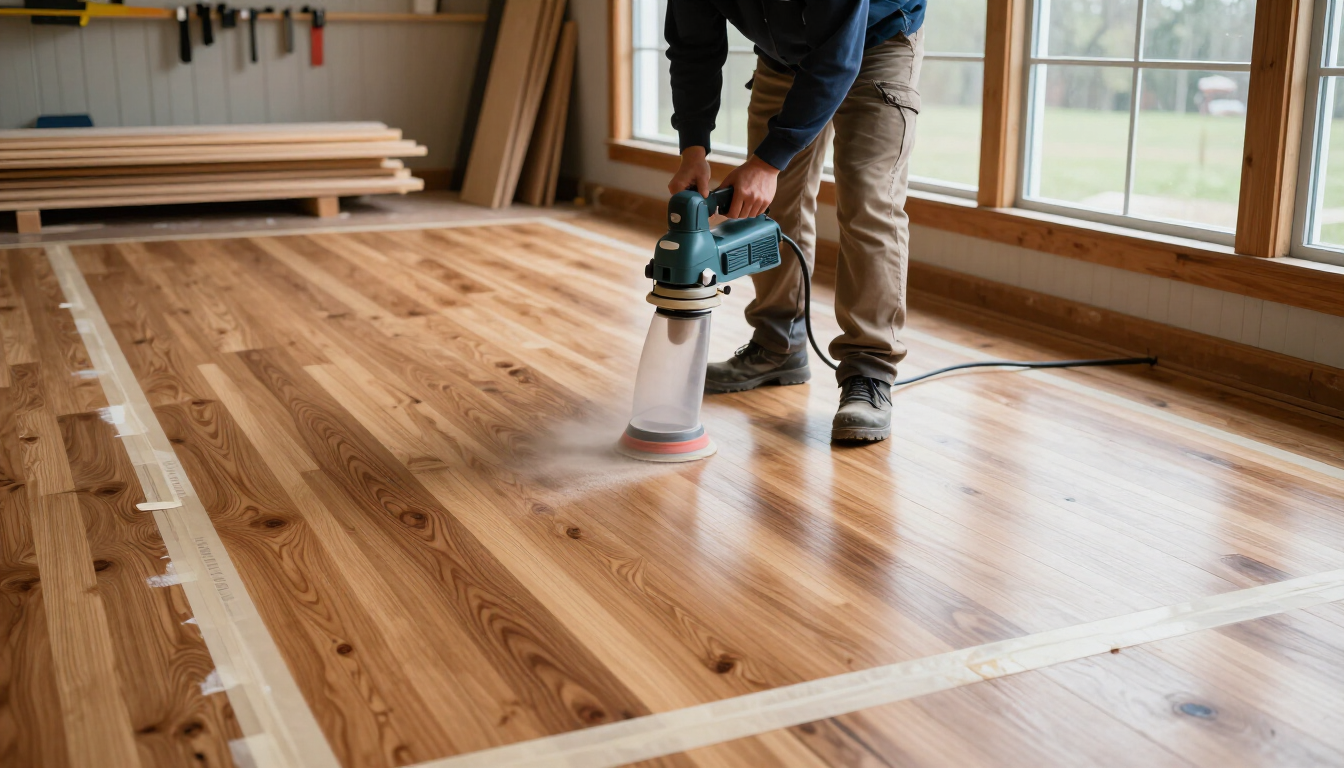
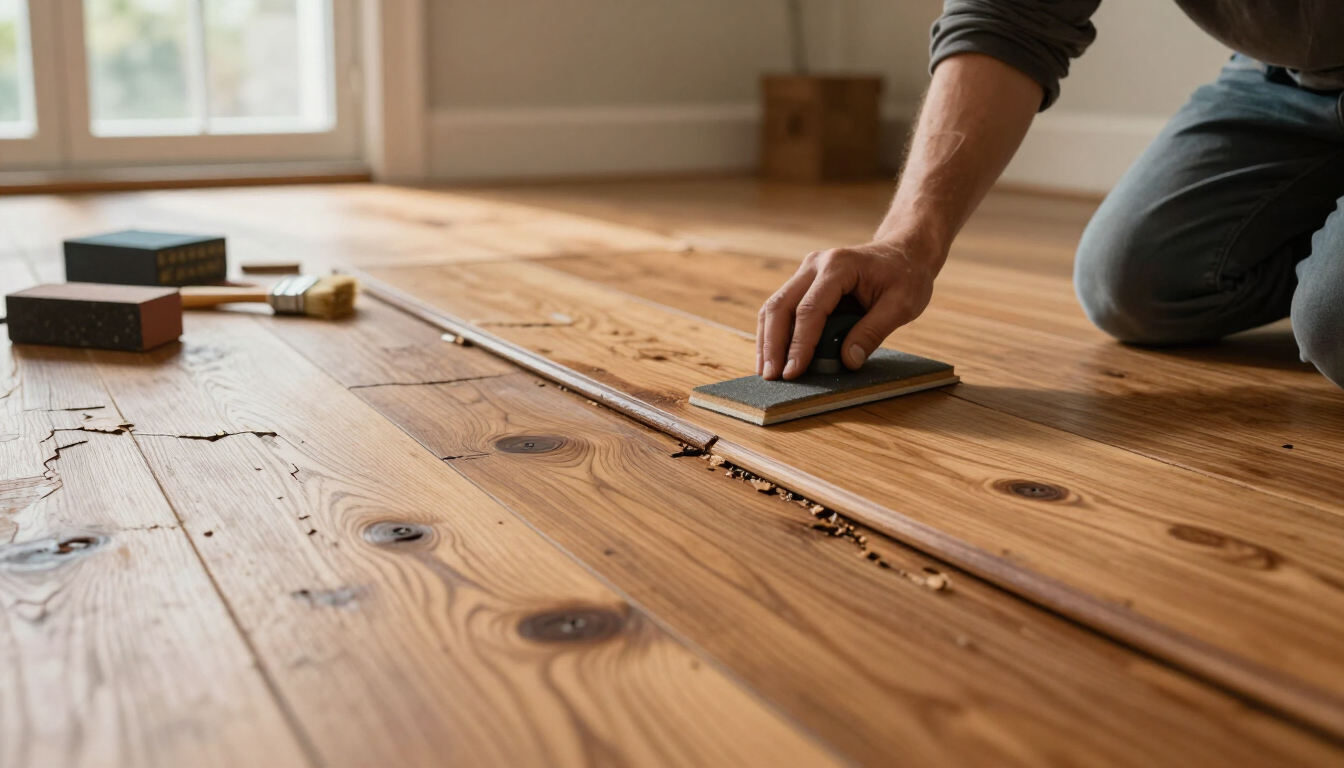
Once you know what you're dealing with, it's time to fix any issues. Unevenness is a big one. If your subfloor isn't flat, your new hardwood planks won't lay right, and you might end up with squeaks or gaps. You might need to use a leveling compound to smooth out low spots or sand down high spots. For any damaged sections, like water-logged plywood, you'll need to cut out the bad bits and replace them with new material. This is where you really want to make sure everything is as flat as a pancake. A good installer will check this with a long, straight edge. Proper subfloor prep is key to a lasting floor.
Ensuring Subfloor Is Clean And Dry
Finally, the subfloor needs to be totally clean and dry. Sweep up all the dust, dirt, and any old nails or staples. Seriously, get it all. Any little bits left behind can cause problems later. And dryness is super important. If there's any moisture lingering, it can cause your new hardwood to warp or swell. You can use a moisture meter to check the levels. If you're worried about moisture from a basement or crawl space, you might need to add a vapor barrier. It’s all about creating a stable, clean base for your beautiful new floors.
Think of it like building a house. You wouldn't put up fancy walls on a shaky foundation, right? The subfloor is your foundation for the wood. Taking the time now saves headaches later.
Managing Existing Flooring For Installation
Before your new hardwood floors can go down, you've got to deal with whatever's currently on your floor. This step is pretty important, and honestly, sometimes it's the part people forget about until the last minute. Getting this right makes the whole installation process smoother.
Removing Old Flooring Materials
If you have old carpet, tile, or vinyl that needs to go, you'll want to tackle that first. For carpet, it's usually a matter of pulling it up and then dealing with the padding underneath. You'll want to get rid of all the staples too, so they don't snag anything later. If you've got tile or linoleum, it can be a bit more work. Sometimes you can score it and peel it up, other times you might need a scraper or even a pry bar. It really depends on how it was installed.
- Pull up carpet and padding.
- Remove all staples from the subfloor.
- Scrape or pry up old vinyl or tile.
Dealing with old flooring can be a messy job, so be prepared for some dust and debris. It’s a good idea to have a plan for disposal before you start ripping things up. You don't want old flooring piling up in your garage for weeks.
Removing old flooring materials properly is key to a good foundation for your new hardwood. Don't rush this part; take your time to get it done right.
Deciding On Overlying Existing Floors
Sometimes, you might wonder if you can just put the new hardwood right over what's already there. Generally, for hardwood, the answer is no. The subfloor needs to be in good shape and completely clear for the new planks to be laid correctly. However, if you have a very thin, smooth layer of existing flooring like certain types of vinyl that are perfectly adhered and flat, some installers might consider it, but it's rare and usually not recommended for hardwood. It's always best to remove the old stuff to give your new floor the best chance to lay flat and last. Check with your installer about specific situations, but plan on removing whatever is currently down. This is especially true if you're looking at engineered hardwood, which has different installation requirements than solid hardwood. Consult your installer for the best approach.
Essential Tools And Materials For Installation Prep
Before the installers even show up, you'll want to make sure you have all your ducks in a row. This means gathering the right stuff so things go smoothly. Having the correct tools and materials ready is half the battle.
Gathering Necessary Tools
Think about what you'll need to get the space ready. You might not be doing the actual installation, but some prep work might fall on you. Here’s a quick rundown of what's generally helpful:
- A good measuring tape for checking dimensions.
- A sturdy broom and dustpan for initial clean-ups.
- Maybe some painter's tape to mark areas or protect edges.
- A utility knife can be handy for opening boxes or trimming things.
Acquiring Installation Supplies
This part is more about what the installers will need, but it's good to be aware. Sometimes, homeowners are expected to provide certain things, or at least know what's being used. You'll want to talk to your installer about their specific needs, but generally, things like spacers, a tapping block, and maybe some underlayment might be involved. It’s always better to ask than to assume.
It's a good idea to have a clear conversation with your flooring professional about what supplies they prefer or require. This avoids last-minute runs to the hardware store and potential delays. They might have specific brands or types of materials they trust for the best results.
Understanding Material Requirements
Beyond the actual flooring planks, there are other materials to consider. This could include things like moisture barriers, transition strips for doorways, and potentially even adhesive or nails, depending on the installation method. Make sure you know what's being used and if you need to purchase any of these items yourself. Getting the right underlayment for hardwood floors can make a big difference in the final feel and sound of your new floors.
Acclimatizing Your New Hardwood Flooring
So, you've picked out your beautiful new hardwood floors. That's great! But before they can even think about being installed, they need some time to get used to their new home. This process is called acclimation, and it's super important. Wood is a natural material, and it reacts to the air around it. If you skip this step, you might end up with floors that warp, gap, or even cup after they're put down.
Understanding Wood's Reaction To Environment
Think of your hardwood planks like they're breathing. When the air in your house is really humid, the wood soaks up that moisture and expands. On the flip side, if the air is super dry, the wood releases moisture and shrinks. This happens all the time, but when you install the floor without letting it adjust, these changes can cause problems. You want the wood to reach a stable moisture content that matches the conditions inside your home before it's installed. This way, it won't be constantly expanding and contracting once it's part of your floor.
Proper Storage During Acclimation
When those boxes of flooring arrive, don't just leave them stacked in the garage or hallway. You need to store them correctly. Keep the boxes flat, just like they came from the factory. Make sure they're not leaning against a wall or anything that could cause them to warp. The best place is usually in the room where they'll be installed, or at least in a similar environment. This helps the wood adjust to the temperature and humidity levels of the actual living space. It's a good idea to keep them off the concrete floor too, maybe on some scrap wood or a tarp, just to prevent any moisture transfer.
Timing The Acclimation Process
So, how long does this take? It really depends on the wood and the conditions in your home. Generally, you'll want to let the flooring sit for at least 7 to 10 days before installation. Some manufacturers might have specific recommendations, so always check their guidelines. The key is to have your home's heating or cooling system running for a few days beforehand. This gets the indoor environment stable. You're basically trying to mimic the conditions the floor will live in day-to-day. Don't rush this part; it's a small investment of time that pays off big in the long run for a beautiful, lasting floor.
Acclimation is all about letting the wood settle into its new environment. It's like letting a guest get comfortable before asking them to do a big job. If the wood is too wet or too dry when it's installed, it's going to try to change once it's fixed in place, and that's where problems start.
Protecting Your Home During Hardwood Floor Installation
Alright, so you've prepped the space and the subfloor is ready. Now comes the part where you shield your house from the actual installation process. It might seem like a lot, but a little bit of planning goes a long way in saving you headaches later.
Shielding Walls And Trim
Think about your baseboards and the lower parts of your walls. Sawdust and scuffs can happen easily when people are moving around with tools and materials. You can use painter's tape to protect the edges of your trim and walls. Just be sure to use a tape that's designed for delicate surfaces so it doesn't pull off paint when you remove it. For really high-traffic areas or if you're worried about dings, you might even consider taping down some cardboard or a drop cloth along the baseboards. It's a bit of extra work, but it keeps those clean lines looking good.
Controlling Dust And Debris
Wood flooring installation, especially the cutting part, creates a good amount of dust. It gets everywhere if you don't manage it. The best approach is to seal off the room where the work is happening. Use plastic sheeting and painter's tape to cover doorways and vents leading to other parts of the house. This contains the mess to the work area. If you have an HVAC system, make sure to cover the vents in the installation room to prevent dust from circulating through your home's air system. You might also want to have a shop vac handy for immediate cleanup of larger debris as it's generated.
Securing Pets And Children
This is super important. The installation area is a construction zone. There will be tools, sharp objects, and people moving around. It's just not safe for little ones or furry friends to be underfoot. Keep pets in a separate, secure area of the house, or even better, with a friend or family member for the duration of the installation. Make sure children understand that the room is off-limits. You don't want any accidents.
Remember, the goal here is to minimize the impact of the installation on the rest of your home. Taking these protective steps means less cleaning and fewer repairs once the new floors are in. It's about being proactive and thinking ahead to avoid common problems that pop up during projects like this. A little bit of effort now saves a lot of trouble later on, especially when it comes to keeping your existing home features looking their best.
For areas prone to moisture, like in front of the kitchen sink, consider placing a protective mat. This is a simple way to guard against spills and splashes that can happen even during a renovation project guard against spills. Keeping your home tidy during the process also helps the installers work more efficiently.
Getting new hardwood floors installed is exciting! To keep your home safe and sound during the process, it's smart to prepare. Think about covering furniture and protecting any areas that won't be worked on. We want your installation to go smoothly and your home to stay clean.
Ready to transform your space with beautiful new floors? Visit our website today to learn more about our services and get a free quote!
Ready for Your New Floors!
So, that's pretty much it. Getting your home ready for new hardwood floors this spring doesn't have to be a huge headache. A little bit of planning and some elbow grease now will make a big difference when the installers show up. Think about clearing out the space, maybe doing a bit of decluttering while you're at it – bonus! And don't forget to talk to your installer about any specific needs they might have. Once everything's prepped, you can just sit back and look forward to enjoying those beautiful new floors. It’s going to look great, and you’ll be glad you took the time to get things sorted beforehand.
Frequently Asked Questions
How much stuff do I really need to move out of the room?
You'll want to get almost everything out of the room where the new floors are going. This means furniture, rugs, and anything on shelves or tables. It's best to have a clear space so the installers can work easily and safely. If you have large items that are hard to move, talk to your installer; sometimes they have solutions or can help.
What if my subfloor isn't perfectly flat?
A bumpy or uneven subfloor can cause problems for your new hardwood. Installers will check it. If it's not flat, they might need to sand down high spots or add a leveling compound to fill in low areas. It's important to fix these issues before laying the new wood so it sits right and doesn't squeak later.
Do I have to remove my old carpet or tile?
Usually, yes. Old flooring like carpet, vinyl, or tile needs to be taken up. The hardwood needs a clean, solid surface to be installed on. Sometimes, if you have a very flat and sturdy layer of old wood flooring, it might be possible to lay new wood over it, but this is less common and depends on the situation. Always confirm with your installer.
How long does the wood need to sit in my house before installation?
Your new hardwood floors need time to get used to the temperature and moisture in your home. This is called 'acclimating.' It typically takes a few days, sometimes up to a week. You should leave the wood in the room where it will be installed, keeping the boxes closed but allowing air to circulate around them.
What's the best way to keep my house clean during the installation?
Hardwood installation can create dust. Installers usually try to control it, but it's a good idea to protect other parts of your house. You can cover doorways with plastic sheeting or use painter's tape to seal off vents. Keeping pets and small children away from the work area is also crucial for their safety.
What tools will I need to get ready for the installers?
You, as the homeowner, usually don't need to gather installation tools. Your flooring installer will bring all the specialized equipment needed for the job. Your main job is to prepare the room by clearing it out and making sure the subfloor is ready, as discussed in the other questions.