How Long Does Hardwood Floor Installation Really Take?
So, you're thinking about getting new hardwood floors? That's exciting! But before you picture yourself walking on that beautiful new wood, you're probably wondering, 'How long is this actually going to take?' It's a common question, and the answer isn't a simple one-size-fits-all. The hardwood floor installation timeline can really swing depending on a bunch of things. We'll break down what goes into it, so you have a better idea of what to expect.
Key Takeaways
- The time it takes for hardwood floor installation varies a lot, from a few days to over a week.
- Getting the room ready, like measuring and fixing the subfloor, takes time before the actual laying of the wood.
- The wood itself needs time to adjust to your home's temperature and humidity before it can be installed.
- Finishing steps like sanding and applying coats of sealant add significant time, especially the drying periods.
- Whether you hire pros or do it yourself, and how complex your room is, will change the overall project length.
Understanding The Hardwood Floor Installation Timeline
So, you're thinking about getting new hardwood floors? That's awesome! But before you get too excited about that beautiful new look, let's talk about how long this whole process actually takes. It’s not usually a weekend project, and knowing the timeline upfront can save you a lot of headaches. The actual time spent installing the floor is often just a fraction of the total project duration.
Factors Influencing Installation Duration
There are a bunch of things that can speed things up or slow them down. It really depends on your specific situation.
- Size of the Area: Obviously, a bigger room takes longer than a small one. Simple math, right?
- Type of Flooring: Some materials are trickier to work with than others.
- Subfloor Condition: If your subfloor is a mess, that adds significant time.
- Room Complexity: Lots of corners, doorways, and closets? That means more cuts and fitting.
It's easy to get caught up in the excitement of new floors, but patience is key. Rushing the process can lead to mistakes that are much harder and more expensive to fix later on.
Typical Timeframes For Different Scenarios
For a standard, single room of average size, you might be looking at anywhere from 1 to 3 days for the actual installation part. If you're doing multiple rooms, or a really large open space, that number goes up. For a whole house, it could easily stretch into a week or more. Remember, this doesn't include all the prep work or the finishing steps, which we'll get into next. It's good to have a realistic idea of the installation process before you start.
For many homes, a typical hardwood floor installation project can take about 3 to 5 days from start to finish, but this is just a general guideline. The specifics of your project, like the square footage and the complexity of the layout, will really determine the final duration.
Preparation Steps And Their Impact On The Schedule
Before you even think about laying down a single plank, there's a bunch of prep work that needs doing. Honestly, this is where a lot of the time gets eaten up, and it's super important not to rush it. Skipping steps here can cause big problems down the road, like floors that don't sit right or even start to warp.
Room Measurement And Material Ordering
First things first, you gotta measure your space accurately. This isn't just about knowing how much flooring to buy; it's about planning the layout. You'll need to figure out the square footage, but also account for waste – usually around 10-15% extra, depending on the complexity of the room and the plank size. Ordering too little means a delay waiting for more, and ordering way too much is just throwing money away. Getting these measurements right is the first big step in setting a realistic timeline.
Subfloor Assessment And Repair
This is a big one. The subfloor is what your new hardwood sits on, so it needs to be solid, level, and dry. If you've got old flooring, it needs to come up. Then, you'll inspect the subfloor for any damage, rot, or uneven spots. Sometimes you might need to add new plywood or repair existing sections. This can take anywhere from a few hours to a couple of days, depending on how much work is needed. A bad subfloor is a recipe for squeaky, uneven floors later on.
Acclimation Of Hardwood Flooring
Wood is a natural material, and it needs time to adjust to the temperature and humidity levels in your home. This process is called acclimation. You'll typically need to let the unopened boxes of flooring sit in the room where they'll be installed for at least 48-72 hours, sometimes longer. This helps prevent issues like gapping or cupping after installation. It's a waiting game, but it's non-negotiable for a good result. You can find more details on proper acclimation techniques.
Skipping these preparation stages is like building a house on a shaky foundation. It might look okay at first, but problems are bound to surface. Taking the time to measure correctly, fix the subfloor, and let the wood adjust will save you headaches and money in the long run, even if it feels like it's slowing things down initially.
The Actual Installation Process: What To Expect
So, you've prepped the room, the wood has had its nap, and now it's time for the main event: putting down those beautiful planks. This is where the floor really starts to take shape, and honestly, it's pretty satisfying to watch.
Layout and Planning The Floor
Before any hammering or gluing begins, there's a bit of strategy involved. The installer will figure out the best direction for the planks to run. This isn't just about looks; it can make the room feel bigger or smaller, and it needs to work with any existing features like doorways or fireplaces. They'll also plan out the first few rows to make sure everything lines up nicely and that you don't end up with a super thin, awkward piece at the far wall. This initial planning is key to a professional-looking finish.
Nailing or Gluing Down Planks
This is the core of the installation. Depending on the type of hardwood and the subfloor, planks are either secured with nails (or staples) driven through the tongue, or they're glued directly to the subfloor. For solid hardwood, nailing is common. Engineered wood often gives you more options, including glue-down or even a floating installation where planks lock together. The installer will work row by row, making sure each plank is snug against the last one. It's a methodical process, and it takes time to get it right.
Cutting and Fitting Around Obstacles
No room is a perfect rectangle, right? You've got doorways, cabinets, vents, maybe even a quirky angled wall. This is where the real skill comes in. Installers have to carefully measure and cut each plank to fit precisely around these obstacles. This involves a lot of detailed work, especially around curved areas or complex shapes. It's not just about straight cuts; it's about making the floor look like it was always meant to be there, flowing around everything in the room.
This part of the process can really add to the overall time. If you have a lot of built-ins, irregular walls, or multiple doorways, expect this stage to take longer than in a simple, square room. Precision here prevents future headaches.
This stage is also where you might see the installer using specialized tools to get those perfect cuts. It's a bit like a puzzle, but with wood and a lot more effort. The goal is a clean, gap-free fit everywhere. You can find more details on the installation process itself here.
Finishing Touches That Extend The Timeline
So, you've got your beautiful new hardwood planks all laid down. That's a huge step, right? But hold on, the job isn't quite done yet. There are a few more things that need to happen before you can actually walk on your new floor, and these can add a good chunk of time to the whole project. It’s not just about putting the wood down; it’s about making it look and feel perfect.
Sanding And Surface Preparation
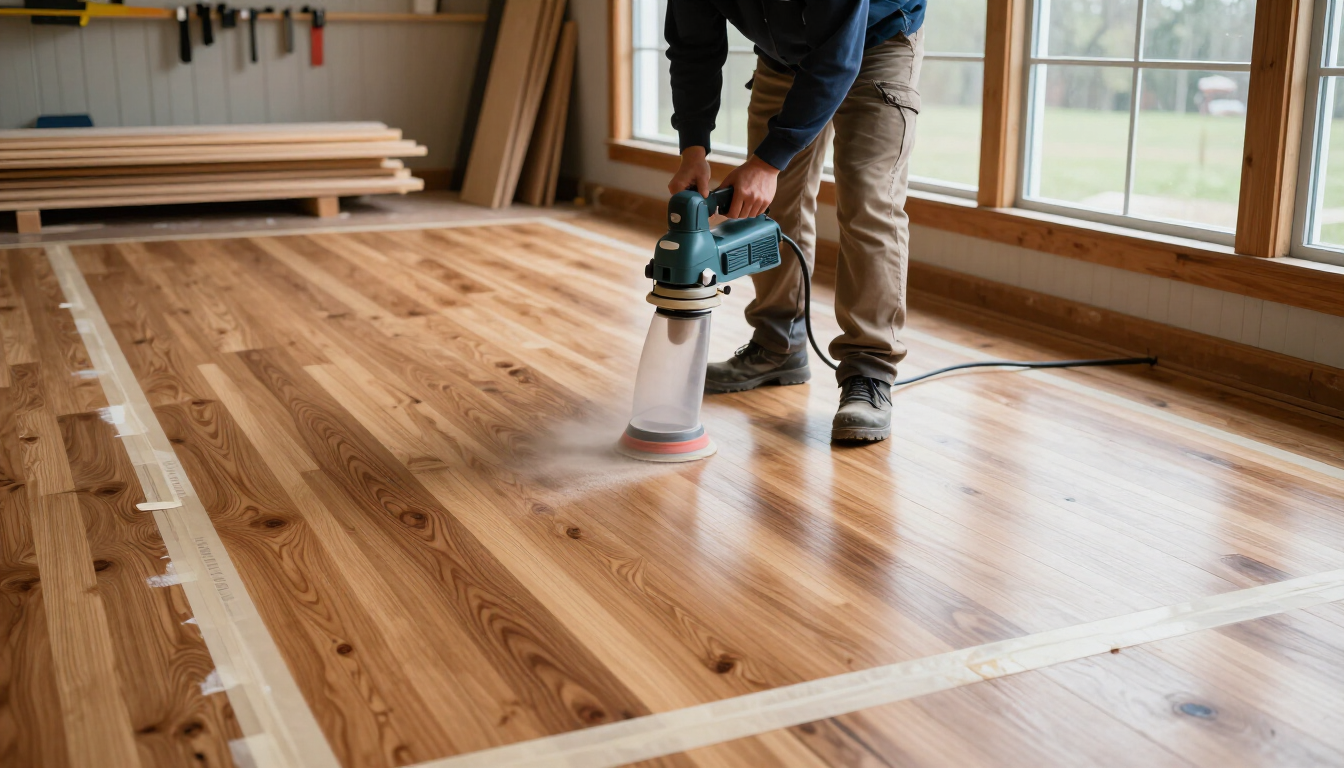
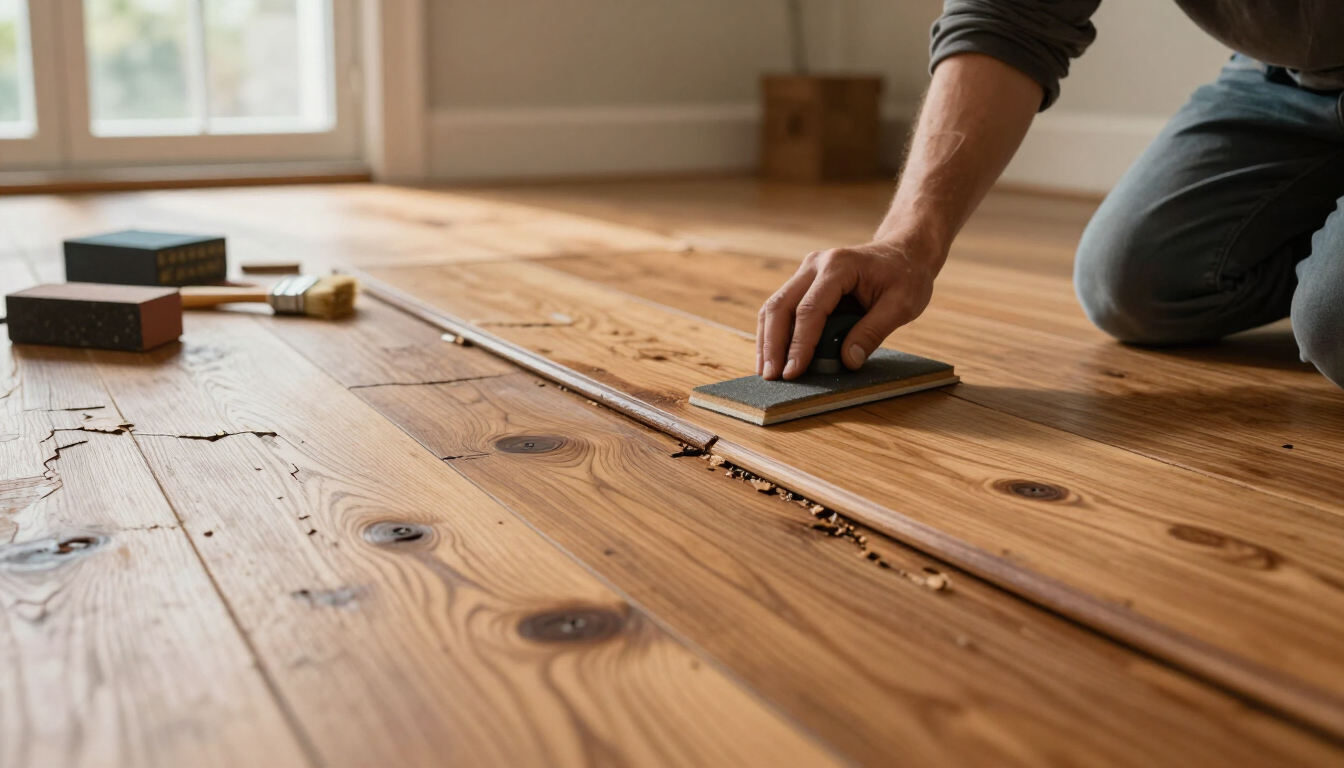
If you went with unfinished hardwood, this is where the real work begins after the planks are down. Sanding is super important for a smooth, even finish. It gets rid of any little imperfections, like high spots where planks might meet or any marks from the installation.
- Initial Rough Sanding: This uses a coarser grit sandpaper to level out the floor.
- Medium Grit Sanding: This refines the surface, removing scratches from the first pass.
- Fine Grit Sanding: The final pass, making the wood feel silky smooth.
This whole sanding process can take a day or two, depending on the room size and the condition of the wood. It’s dusty work, too, so you’ll want good ventilation.
Applying Stain And Sealant
After sanding, you get to the fun part: color and protection. If you're staining, you'll apply that first. Different stains take different amounts of time to dry, and you might need multiple coats.
Then comes the sealant, often called a topcoat or finish. This is what protects your floor from spills, wear, and tear. You'll usually need at least two or three coats of this, and each coat needs to dry properly before the next one goes on. This is where you really see the floor start to shine.
Applying stain and sealant isn't a quick job. Each layer needs adequate drying time, and skipping this can lead to a finish that doesn't last or looks uneven. Patience here really pays off in the long run for the durability and appearance of your new floor.
Curing Time For Finishes
This is probably the most overlooked part of the timeline. Even after the final coat of sealant is dry to the touch, it’s not fully hardened. This 'curing' process can take anywhere from a few days to a couple of weeks, depending on the type of finish used. During this time, the finish is still vulnerable. You'll want to avoid heavy furniture, rugs, and even high-heeled shoes on the floor to prevent damage. So, while the installation might be physically complete, you might have to wait a bit longer before you can fully use and enjoy your beautiful new hardwood floors. For pre-finished hardwood floors, this step is mostly avoided, which is a big time saver [4124]. However, even with pre-finished, it's wise to let them settle for a day or two before heavy use.
Factors That Can Accelerate Or Delay Your Project
So, you're wondering what can speed things up or, more likely, slow down your hardwood floor installation? It's not just about the size of the room, though that's a big part of it. A few key things can really throw a wrench in the works or, conversely, make the whole process smoother.
Professional Versus DIY Installation
This is a pretty obvious one, but it's worth talking about. Hiring professionals means you're paying for speed and efficiency. They've done this a million times, know all the tricks, and have the right tools. They can often get a job done in half the time it would take a beginner. A DIY project, on the other hand, is a learning curve. You'll likely spend more time figuring things out, making mistakes, and correcting them. Plus, you might have to rent tools, which adds to the overall time and cost. It's a trade-off between saving money and saving time (and your sanity).
Complexity Of The Room Layout
Think about the shape of your room. Is it a simple rectangle? Great, that's the easiest. But what if it's got a bunch of nooks, crannies, bay windows, or awkward angles? Every corner, every curve, every doorway means more cutting and fitting. This takes a lot of precision and patience. Installing around cabinets, fireplaces, or built-in furniture also adds significant time. The more cuts and custom pieces you need, the longer the installation will take.
Unexpected Site Conditions
This is where things can really get hairy. You think you're ready to go, and then you discover something unexpected. Maybe the subfloor isn't as level as you thought, or there's some water damage you didn't see before. Dealing with these issues adds time and expense. For instance, if you're installing in winter, you need to be extra careful about humidity and temperature to prevent the wood from shrinking or swelling later on. Maintaining consistent indoor temperatures is key during colder months. Similarly, if you're installing during a particularly humid spell, you might face delays.
Sometimes, the biggest delays aren't even about the flooring itself. It could be waiting for materials to arrive, scheduling conflicts with tradespeople, or even just bad weather holding up deliveries. It's always a good idea to build a little buffer time into your schedule for these kinds of surprises. Don't plan your life around the floor being done on a specific day if you can avoid it.
Here are some common issues that can pop up:
- Subfloor Problems: Unevenness, rot, or old adhesive that's hard to remove.
- Obstacles: Radiators, pipes, or existing fixtures that need careful work around.
- Material Issues: Wood that hasn't acclimated properly or is defective.
- Environmental Factors: High humidity or extreme temperatures can affect wood and drying times, especially if you're applying finishes. Spring's humidity can be a particular challenge for wood acclimation.
Estimating Your Specific Hardwood Floor Installation Timeline
So, you're wondering how long this whole hardwood floor thing will actually take for your place? It's a fair question, and honestly, there's no single answer. It really depends on a few things, but we can break it down.
Calculating Time For Small Rooms
For a smaller space, like a modest bedroom or a small hallway, you might be looking at a quicker turnaround. If everything is prepped and ready to go, a pro could potentially get the planks down in a day or two. This assumes a straightforward layout with minimal tricky cuts. Remember, even small rooms have their challenges, like doorways or built-in closets.
Estimating Time For Larger Areas
Now, if you're thinking about a big living room, an open-plan dining area, or a master suite, you'll need to add more time. Larger square footage means more planks to lay, more cuts to make, and more ground to cover. A professional installer might need anywhere from 3 to 5 days for a substantial area, sometimes longer if the room has a lot of angles or features. It's not just about laying the wood; it's about making sure it all fits together perfectly.
Accounting For Multiple Rooms
When you're doing more than one room, you're not just multiplying the time. You have to factor in moving equipment, setting up in a new space, and potentially dealing with transitions between rooms. If you're tackling several rooms, especially if they're different sizes or have different layouts, you could be looking at a week or more of work. It's always better to overestimate slightly than to be disappointed when the project takes longer than you thought. For a truly stress-free experience and a job done right, consider hiring professional hardwood floor installers.
Keep in mind that these estimates are for the actual installation of the flooring itself. They don't always include the time for subfloor preparation, acclimation of the wood, or the final finishing steps like sanding and sealing, which can add significant time to the overall project.
Figuring out how long it will take to install your new hardwood floors can seem tricky. Many things can change the timeline, like the size of your room and the type of wood you pick. We want to make it easy for you to know what to expect. For a personalized estimate and to learn more about our process, visit our website today!
So, How Long Does It Take?
Alright, so we've talked about all the things that go into putting down new hardwood floors. It's not just a quick weekend job for most people, that's for sure. Depending on the size of your place, the type of wood, and whether you're doing it yourself or hiring someone, you're looking at anywhere from a few days to a couple of weeks. Remember, rushing this kind of project usually leads to mistakes, and nobody wants that. It's better to plan for a bit longer than you think you'll need, get all your ducks in a row beforehand, and then you can just enjoy the process and the beautiful new floors when it's all done. Patience really is key here.
Frequently Asked Questions
How long does it usually take to install hardwood floors?
For a typical room, like a bedroom or living room, professional installation often takes about 1 to 3 days. This includes getting the room ready and putting down the new floors. Bigger jobs or more complicated rooms might take a bit longer, maybe up to a week.
What makes the installation take longer?
Several things can slow things down. If the floor underneath needs fixing, or if the wood needs time to get used to your home's temperature and moisture, that adds time. Also, if the room has lots of corners, doorways, or tricky shapes, it takes more effort and time to cut and fit the wood perfectly.
Do I need to do anything before the installers arrive?
Yes, it's helpful if you can clear the room of furniture and any old flooring. The installers will handle most of the prep work, like checking the floor underneath. It's also important for the new wood to sit in the room for a few days before installation so it can adjust to the environment.
What's the difference in time between DIY and professional installation?
Doing it yourself can take significantly longer, especially if you're new to it. While a pro might finish a room in a day or two, a DIYer could spend a whole weekend or even longer. This is because pros have the experience, tools, and speed that come with doing it often.
How long does the finishing process take after the wood is down?
If your new floors need sanding and sealing (like unfinished wood), that adds extra time. Sanding can take a day or two, and then you have to wait for the sealant or stain to dry properly. This drying time, called curing, can take several days before you can walk on it normally or put furniture back.
Can I speed up the installation process?
You can help speed things up by having the room completely cleared and ready. Also, choosing pre-finished wood, which doesn't need sanding and sealing on-site, cuts down on installation time. Planning ahead and having all your materials on hand also prevents delays.