Are Hardwood Floors a Good Choice for Southern Summers?
Here are the main points to remember if you're thinking about putting hardwood floors in your summer house, especially in a place with warm, sticky summers.
Key Takeaways
- Wood naturally expands when it's humid and shrinks when it's dry. This is normal but needs to be managed.
- Hardwood floors can look great and last a long time, often feeling cooler than tile in hot weather.
- High humidity is the biggest challenge; using a dehumidifier can help a lot.
- Some wood types, like hickory or oak, are tougher and handle moisture better than others.
- Proper installation, including letting the wood get used to your home's air before laying it, is super important.
Understanding Wood's Reaction to Humidity
Wood is a natural material, and like most things from nature, it reacts to its surroundings. The biggest player here, especially in the South, is humidity. Think of wood like a sponge – when the air is damp, it soaks up moisture. When the air gets dry, it lets that moisture go.
Expansion and Contraction Cycles
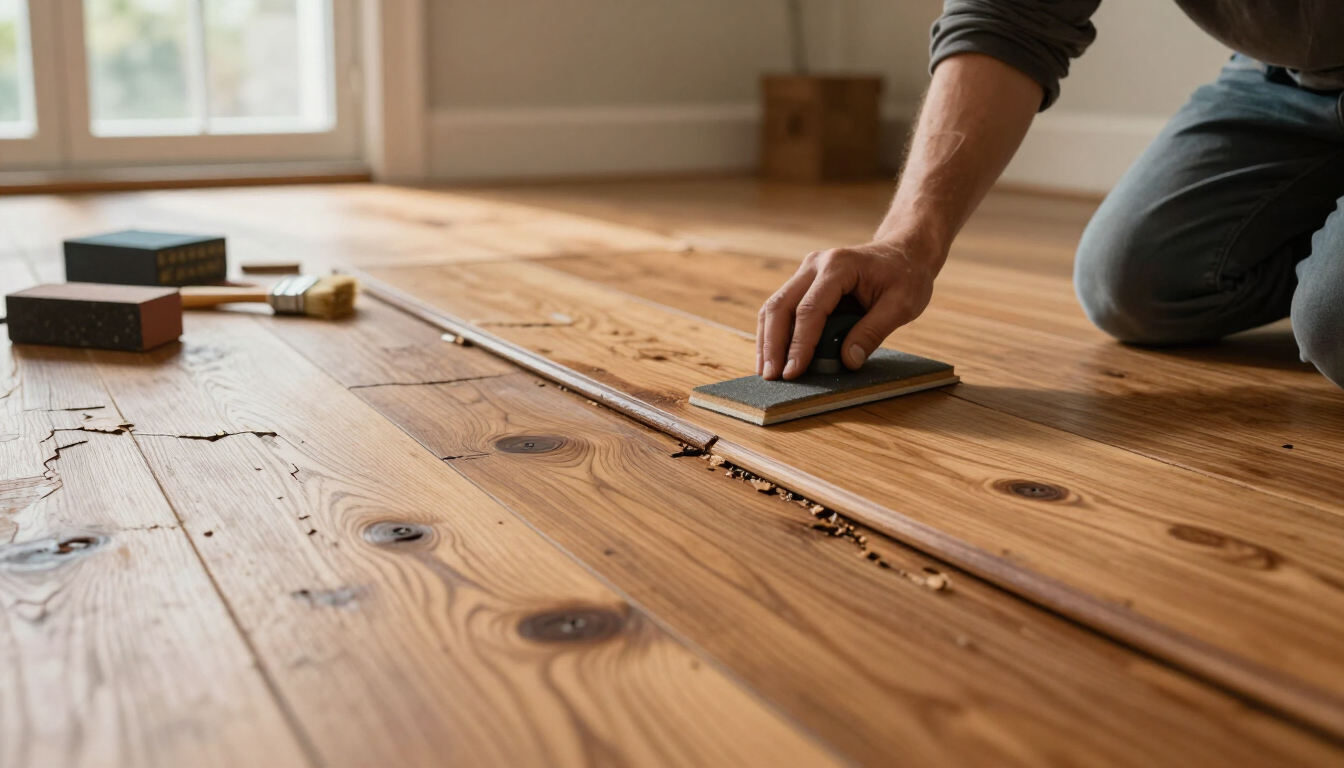
This soaking up and letting go of moisture is what causes wood to expand and contract. In the summer, with all that sticky, humid air, your hardwood floors will likely absorb some of that moisture and swell up a bit. Then, when the air conditioning kicks in and dries things out, or if you head into a drier season, the wood will shrink back down. This constant back-and-forth is totally normal, but it's something you need to be aware of. It's why proper installation and leaving a little wiggle room are so important. If wood doesn't have space to move, it can cause problems down the line, like buckling or gaps.
Moisture Content and Wood Stability
The amount of moisture inside the wood, known as its moisture content, really affects how stable it is. Wood that's been properly dried and conditioned to your local climate will behave much better. If you bring wood into a humid environment without letting it adjust first, it's going to absorb a lot of extra moisture.
The goal is to get the wood's moisture content as close as possible to the average humidity level it will experience in your home. This helps minimize those dramatic expansion and contraction cycles that can stress the floor.
Getting this right from the start makes a big difference. It's not just about the type of wood, but also how it's treated before it even becomes your floor. For more on how wood behaves, you can check out wood movement is a natural process.
Here's a quick rundown of what happens:
- High Humidity: Wood absorbs moisture, causing it to expand. This can make planks swell and potentially push against each other.
- Low Humidity: Wood releases moisture, causing it to contract. This can lead to small gaps appearing between planks.
- Temperature Fluctuations: While humidity is the main driver, temperature changes can also play a role, affecting how much moisture the air can hold.
Benefits of Hardwood Floors in Warm Climates
So, you're thinking about hardwood floors for your place down south, especially with those long, warm summers rolling in. It's a solid choice, and here's why.
Aesthetic Appeal for Summer Homes
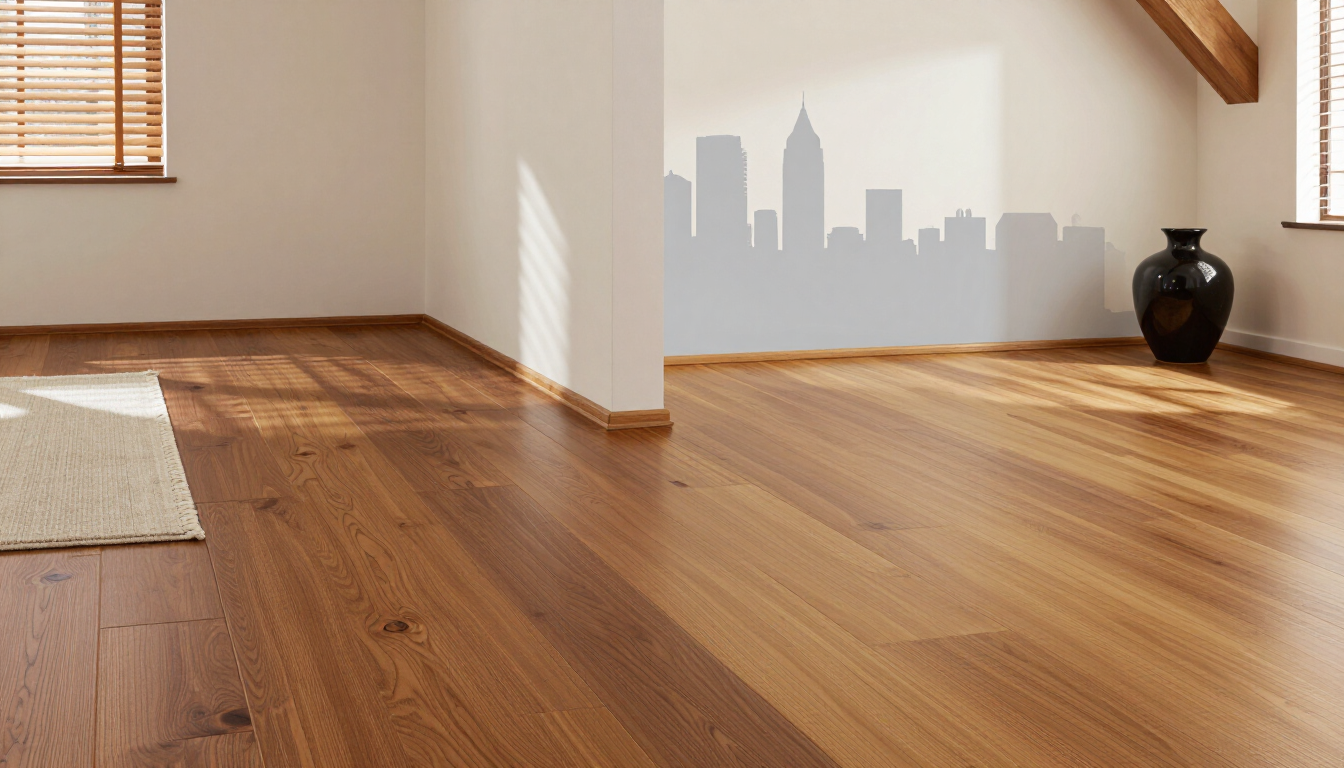
Let's be honest, hardwood just looks good. It brings a certain warmth and classic vibe that tile or carpet can't quite match. For a summer home, this means you get that relaxed, inviting feel right from the moment you walk in. It pairs well with light, airy decor that's popular in warmer regions, making your space feel even more like a getaway. It's a timeless look that never really goes out of style.
Durability and Longevity
When installed and cared for properly, hardwood floors can last for ages. We're talking decades, maybe even a lifetime. Unlike some other flooring options that might show wear and tear more quickly in a busy household, wood can often be refinished to look brand new. This means you're not just buying floors; you're making an investment that pays off over time. For areas with lots of foot traffic, like a beach house or a family cabin, this durability is a big plus. You can find great options for coastal living.
Cooler Surface Temperature Compared to Tile
This might surprise some people, but hardwood can actually feel cooler underfoot than tile during the hot summer months. While tile might seem like the obvious choice for staying cool, it can absorb and retain heat, making it feel uncomfortably warm. Wood, on the other hand, has a more moderate temperature. It doesn't get as scorching hot as tile does when the sun beats down.
Wood flooring has a natural ability to regulate temperature to some extent. While it's not air conditioning, it doesn't radiate heat the way some other hard surfaces do, making it a more comfortable option when the mercury climbs.
Here are a few points to keep in mind:
- Natural Insulation: Wood offers a degree of natural insulation.
- Comfort: It generally feels more comfortable to walk on barefoot compared to hot tile.
- Aesthetics: It maintains its visual appeal without becoming uncomfortably warm.
While solid wood has its place, for particularly humid areas, you might want to look into engineered hardwood as it's built to handle moisture better.
Addressing Potential Summer Challenges
Southern summers bring a unique set of conditions that can test any home's flooring, and hardwood is no exception. The high levels of humidity are the main culprit here. Wood naturally absorbs and releases moisture from the air, and when that air is thick with moisture, the wood starts to swell. This isn't just a minor inconvenience; it can lead to noticeable changes in your floor's appearance and even its structural integrity over time. Understanding how to manage these environmental factors is key to keeping your hardwood looking great.
Managing High Humidity Levels
Dealing with the sticky air of a Southern summer means actively managing the moisture inside your home. It's not enough to just let it be; you need a plan.
- Use a Dehumidifier: Running a dehumidifier, especially in the most humid rooms or during peak humidity periods, can make a big difference. Aim to keep indoor humidity levels between 35% and 55% if possible.
- Proper Ventilation: Ensure good airflow throughout your home. Open windows when the outside air is less humid than inside, and use fans to circulate air.
- Air Conditioning is Your Friend: Your AC unit does more than just cool the air; it also removes moisture. Keeping your AC running, even at a moderate temperature, helps control indoor humidity.
The constant cycle of wood expanding when it's damp and shrinking when it's dry can put stress on the floorboards and the overall installation. Over many seasons, this can lead to issues like gaps between boards or even slight warping.
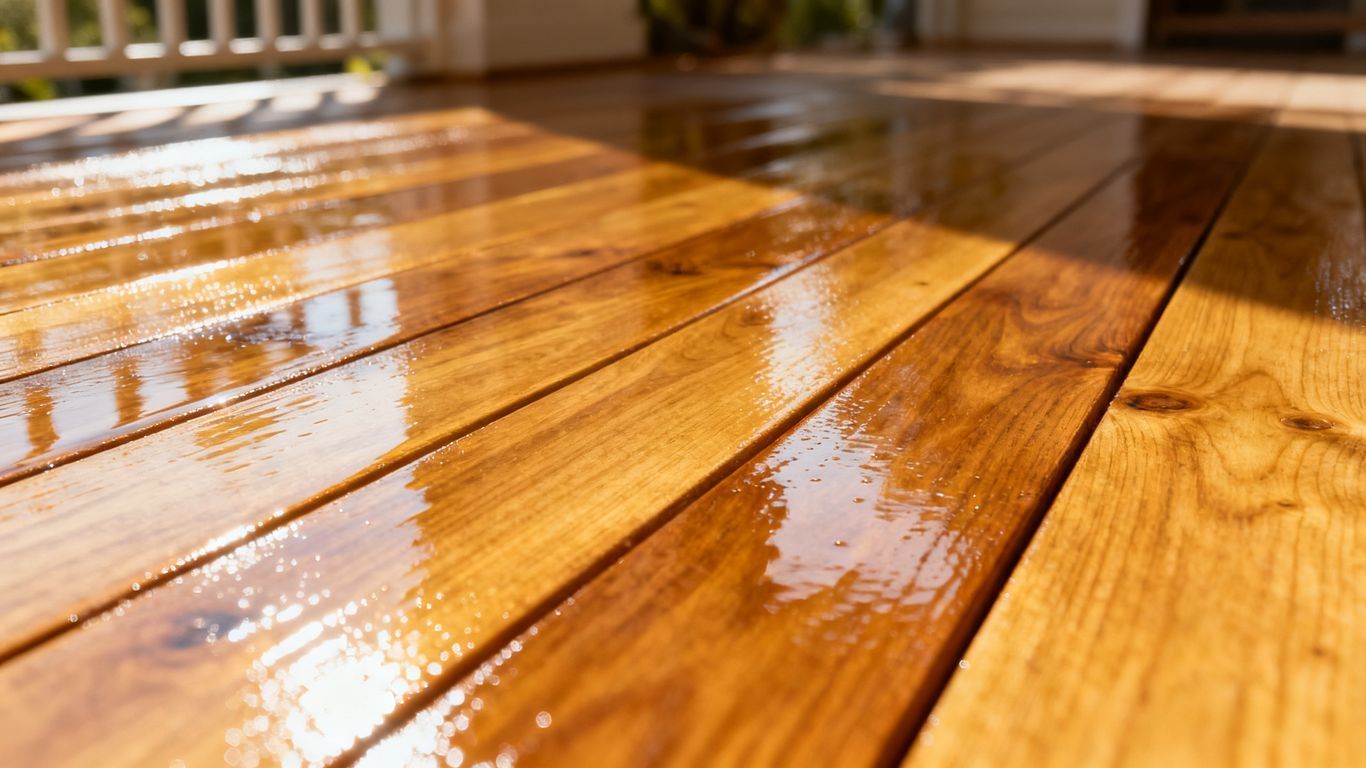
Preventing Water Damage from Spills
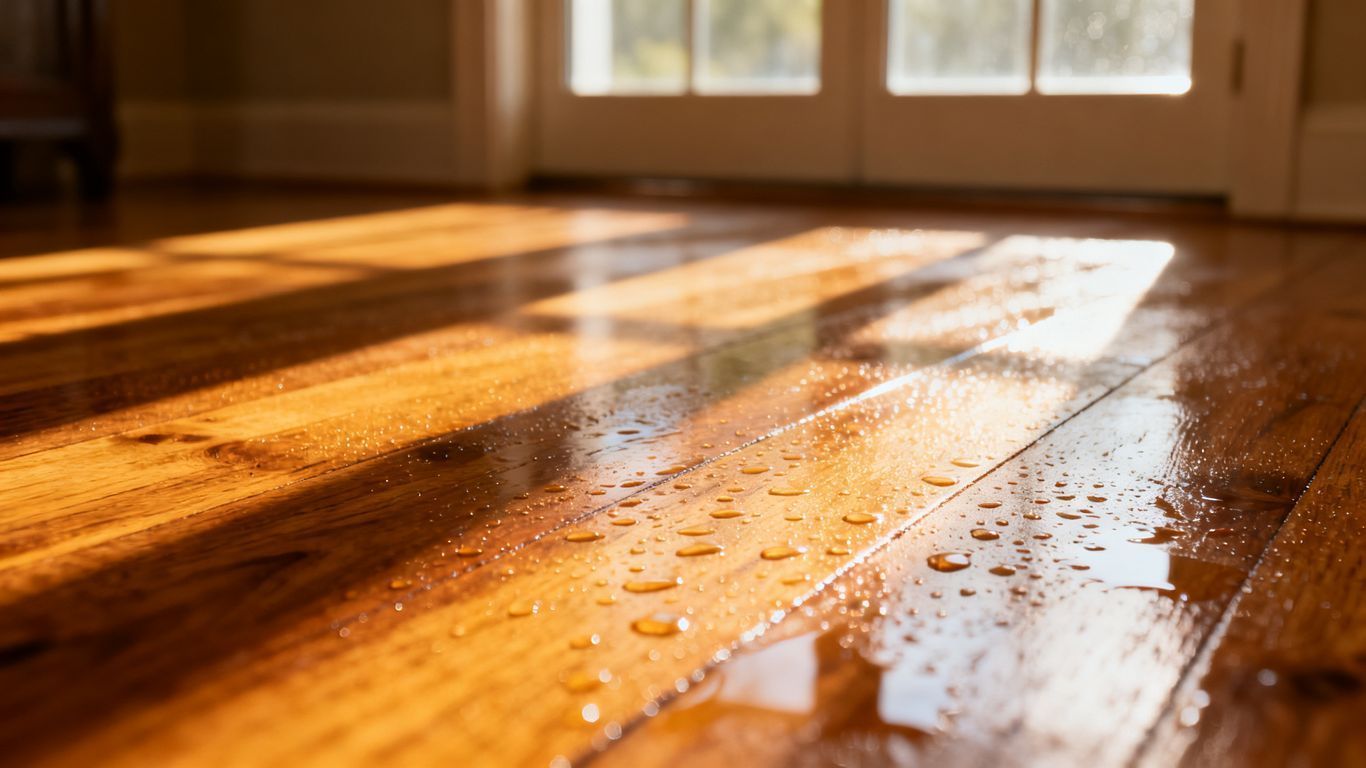
Summer often means more activity, and with more activity comes a higher chance of spills. While hardwood is tough, it's not impervious to water, especially if left to sit.
- Wipe Up Spills Immediately: This is the golden rule. Don't let any liquid sit on the floor, even for a few minutes. A quick wipe with a soft cloth is usually all it takes.
- Be Mindful of Entryways: Place mats both inside and outside doors to catch moisture from wet shoes, especially after a summer rain shower. This helps prevent tracking water onto your floors.
- Protect Furniture: Use coasters under drinks and consider felt pads on the legs of furniture to prevent scratches, which can sometimes trap moisture.
Choosing the Right Wood Species for Summer Homes
When you're thinking about hardwood floors for a place that gets a lot of summer sun and humidity, picking the right kind of wood is a pretty big deal. Not all woods are created equal, especially when it comes to handling moisture.
Hardness and Stability Ratings
Some woods are just naturally tougher and less likely to warp or shrink when the weather changes. You'll want to look at the Janka hardness scale, which tells you how resistant a wood is to denting. But just as important is the wood's stability. A stable wood won't move around as much with humidity swings.
- Red Oak: It's popular, but it can expand and contract quite a bit.
- Maple: Pretty hard, but also sensitive to moisture changes.
- Hickory: Very hard and dense, which helps with stability.
- White Oak: This is often a top pick for humid areas because it's more stable than red oak. It's a great choice for homes in humid climates.
Some woods are naturally more resistant to moisture than others. This natural property can save you a lot of headaches down the road, especially if you live in a region where humidity is a constant factor. It's worth doing a little research before you buy.
Resistance to Moisture and Insects
Beyond just expanding and contracting, some woods are also better at resisting things like mold and mildew that can pop up in damp conditions. Plus, you don't want pests getting into your floors. Certain species have natural oils or densities that make them less appealing to insects.
- Teak: Known for its natural oils that repel water and insects.
- Brazilian Cherry (Jatoba): Very dense and hard, offering good resistance.
- Mahogany: While beautiful, some types are more prone to insect damage, so choose wisely.
Thinking about these factors upfront can make a big difference in how your floors hold up over the years, especially during those sticky Southern summers. Proper floor maintenance also plays a role, but starting with the right material is half the battle.
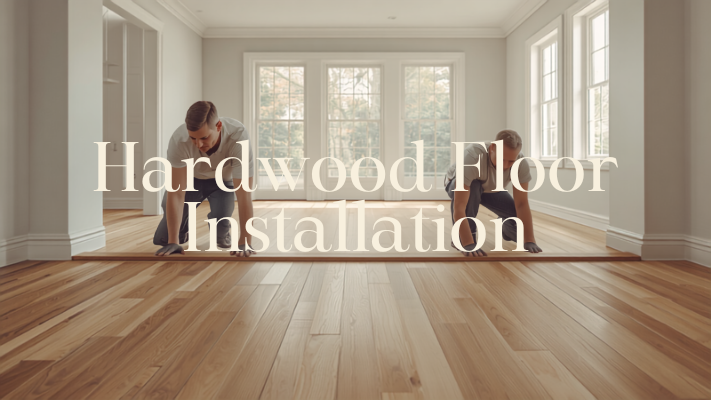
Installation Considerations for Hardwood Floors
Getting your hardwood floors installed right is super important, especially when you're dealing with the sticky summers down South. It's not just about slapping planks down; there's a bit more to it.
Acclimation Process in Humid Environments
This is probably the most overlooked step, but it's a big one. Wood is a natural material, and it breathes, meaning it absorbs and releases moisture from the air. In a humid Southern summer, your new wood planks are going to soak up a lot of that moisture. If you install them right away, they'll be expanded. Then, when the humidity drops (maybe in the winter, or if you run your AC hard), they'll shrink. This constant back-and-forth can lead to gaps, cupping, or even buckling. You need to let the wood adjust to your home's environment before it's installed.
- How long? This usually means letting the boxes of flooring sit in the room where they'll be installed for at least 72 hours, but often longer, depending on how humid it is outside. Your installer should have specific guidance.
- Where to store? Keep them in their original, unopened packaging, stacked flat, and off the floor if possible.
- Why it matters? This process helps the wood reach a stable moisture content that matches your home's typical conditions, minimizing future movement. The National Wood Flooring Association suggests keeping indoor relative humidity between 30% and 55% for the best results [537c].
Proper acclimation is your first line of defense against summer humidity messing with your new floors. Don't skip it, no matter how eager you are to see the finished product.
Proper Subfloor Preparation
Before any wood even touches your subfloor, that base layer needs to be in tip-top shape. A bad subfloor can cause all sorts of problems down the road, no matter how well the wood acclimated.
- Moisture Check: The subfloor itself needs to be dry. If there's any dampness coming up from below (like from a crawl space), it needs to be addressed first. This might involve vapor barriers or improving ventilation.
- Flatness: The subfloor needs to be level. High spots or low spots can translate into squeaks or unevenness in the finished floor.
- Cleanliness: It should be free of debris, old adhesives, or anything else that could prevent the new flooring from adhering properly or cause an uneven surface.
Think of the subfloor as the foundation for your beautiful new floor. If the foundation isn't solid, the whole structure is at risk. A good installer will take the time to check all these boxes, making sure your investment is protected from the start. This attention to detail is key for a long-lasting floor, especially when dealing with the unique challenges of a Southern climate [7f7d].
Maintenance Tips for Hardwood Floors in Summer
Summer in the South can be tough on everything, including your beautiful hardwood floors. The heat and humidity really do a number on wood, making it expand and contract. Keeping up with a good maintenance routine is key to making sure your floors look great for years to come.
Regular Cleaning and Dusting
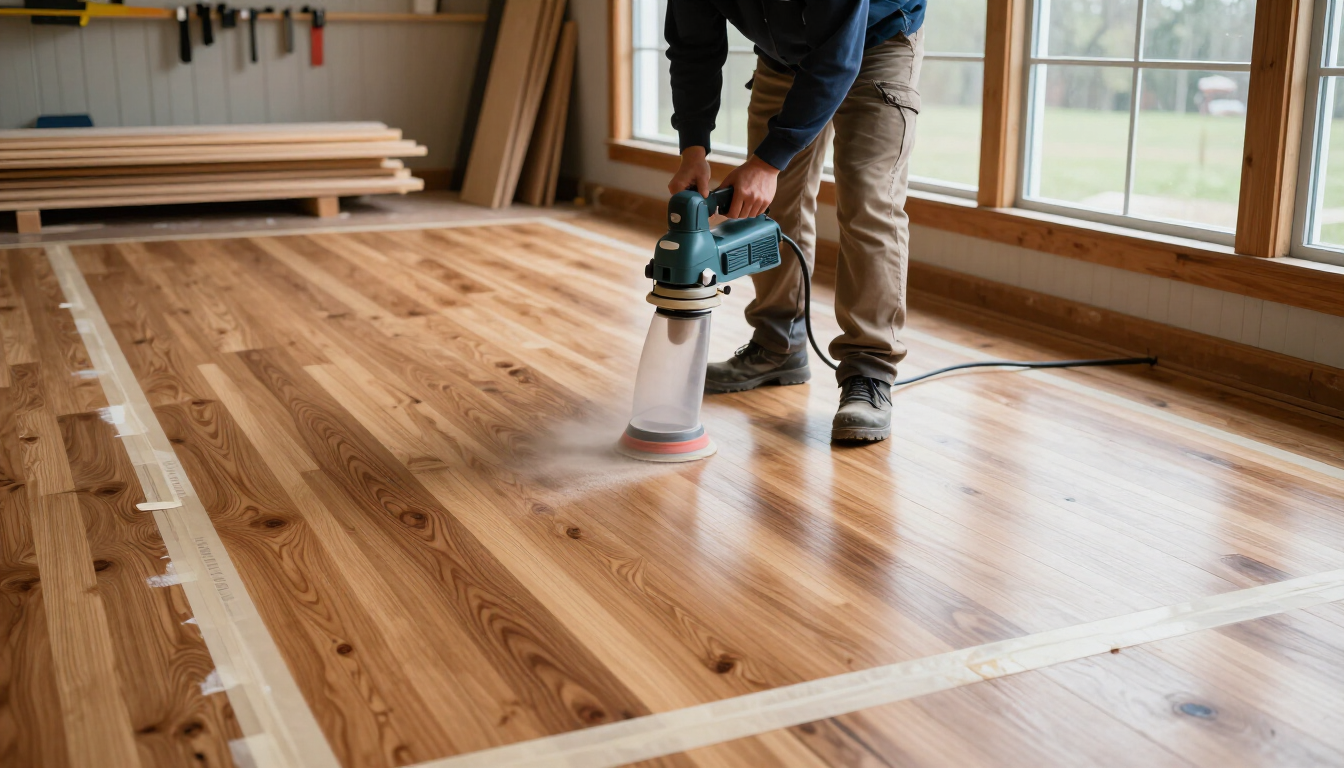
Dust and grit are like tiny little sandpaper particles on your floors, especially when they get tracked in from outside during the summer. You'll want to sweep or vacuum regularly, maybe even daily if you have a lot of foot traffic or pets. Use a soft-bristle broom or a vacuum cleaner with a hard floor attachment – you don't want anything that could scratch the finish. For a deeper clean, use a damp mop, but make sure it's not soaking wet. Excess water is the enemy of hardwood, so wring out that mop really well.
- Sweep or vacuum daily to pick up loose dirt.
- Use a damp mop weekly for a more thorough clean.
- Always use cleaning products specifically made for hardwood floors.
Pay attention to areas near doors and windows where dirt tends to accumulate. A good doormat outside and inside can make a big difference in what gets tracked onto your floors.
Using Appropriate Protective Finishes
The finish on your hardwood floors is their first line of defense against spills and wear. During the summer months, when you might have more people coming and going, or maybe kids are home from school and playing more, that finish can take a beating. Periodically checking the finish and reapplying it when needed can really help protect the wood underneath. Different finishes have different lifespans, so know what you have and when it might need a refresh. This is especially important if you have a home that gets a lot of sun, as UV rays can also degrade the finish over time. Keeping your indoor humidity in check is also a big part of protecting your floors; aiming for a relative humidity between 30 and 55 percent is generally recommended by experts like those at the National Wood Flooring Association.
- Inspect your floor's finish for wear and tear at least twice a year.
- Consider a screen and recoat process if the finish is thinning but the wood is still sound.
- Choose a finish that offers good protection against moisture and UV rays if possible.
Summer heat and humidity can be tough on your beautiful hardwood floors. Keep them looking their best by following a few simple steps. Protecting your floors from moisture and direct sun is key to preventing damage like warping or fading. Want to learn more about keeping your floors in top shape all year round? Visit our website for expert advice and services.
Conclusion
So, can hardwood floors handle a Southern summer? The short answer is yes, with a bit of smart planning. By choosing the right wood, preparing your space well, and keeping up with simple maintenance, you can enjoy the beauty and feel of hardwood floors in your summer home without too much worry. It's all about working with the wood, not against it, to make sure it lasts for years of sunny seasons.
Frequently Asked Questions
Will my hardwood floors get damaged by the summer heat?
The heat itself isn't usually the main problem. It's the moisture that comes with hot weather, like humidity, that can cause wood to swell or shrink. Keeping the humidity steady is key.
Are hardwood floors too hot to walk on in the summer?
Actually, hardwood floors tend to feel cooler underfoot than materials like tile or stone, especially in warm climates. They don't hold onto heat the same way.
What's the biggest issue with hardwood floors in humid places?
The biggest headache is humidity. When the air is really damp, the wood soaks it up and can expand, sometimes causing gaps to appear when it dries out later. It's a cycle.
Can I put hardwood floors in a beach house or a place near water?
Yes, you can, but you need to be extra careful. Choosing a more stable wood type and using a good dehumidifier are really good ideas. Also, clean up spills right away!
How do I stop my hardwood floors from getting ruined by moisture?
Try to keep the humidity in your home steady, maybe between 35-55%. A dehumidifier is your best friend in sticky summer months. Also, wipe up any spills or wet spots immediately.
Which types of wood are best for humid summer areas?
Woods like oak, maple, and hickory are generally good choices. They are pretty tough and don't change size as much with humidity changes compared to softer woods. Always check the wood's stability rating.