If you own hardwood floors in Chattanooga, TN, summer humidity is one of the biggest threats to their beauty and longevity. Tennessee summers bring thick, sticky air, and that moisture doesn't just affect how you feel outside — it affects the wood inside your home too.
At 1st Class Flooring, we've spent more than 20 years helping Chattanooga homeowners protect their hardwood investment through every season. In this guide, we'll explain how humidity impacts hardwood floors, the warning signs to watch for, and the simple steps you can take to keep your floors looking beautiful all summer long.
Why Humidity Is a Big Deal for Chattanooga Homeowners
Chattanooga's climate swings from humid summers to drier winters, and hardwood flooring reacts to those changes more than most homeowners realize. Wood is a natural material, which means it absorbs and releases moisture depending on the air around it.
When humidity rises in the summer months, hardwood floors can:
Absorb excess moisture from the air- Expand slightly at the seams
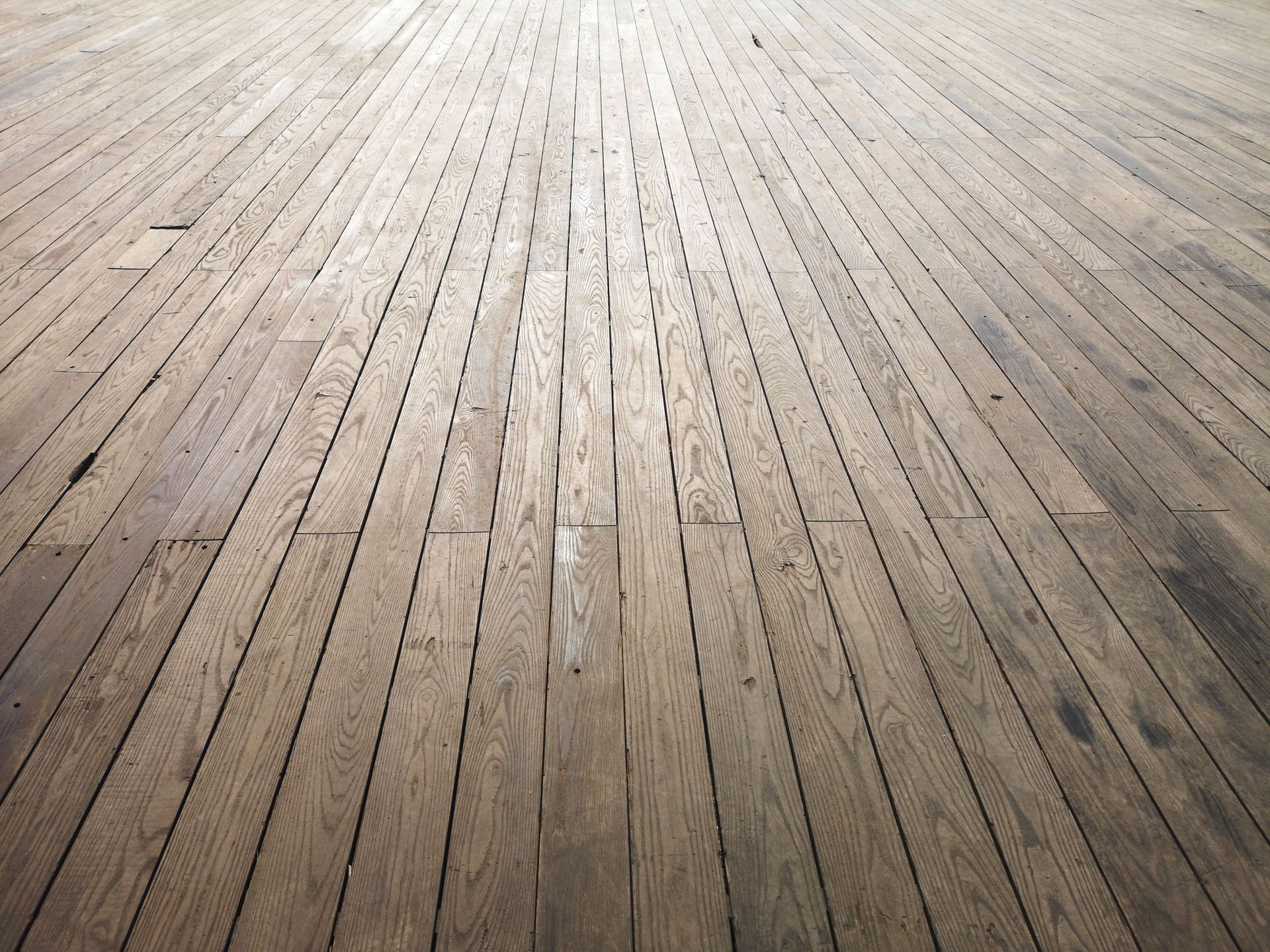
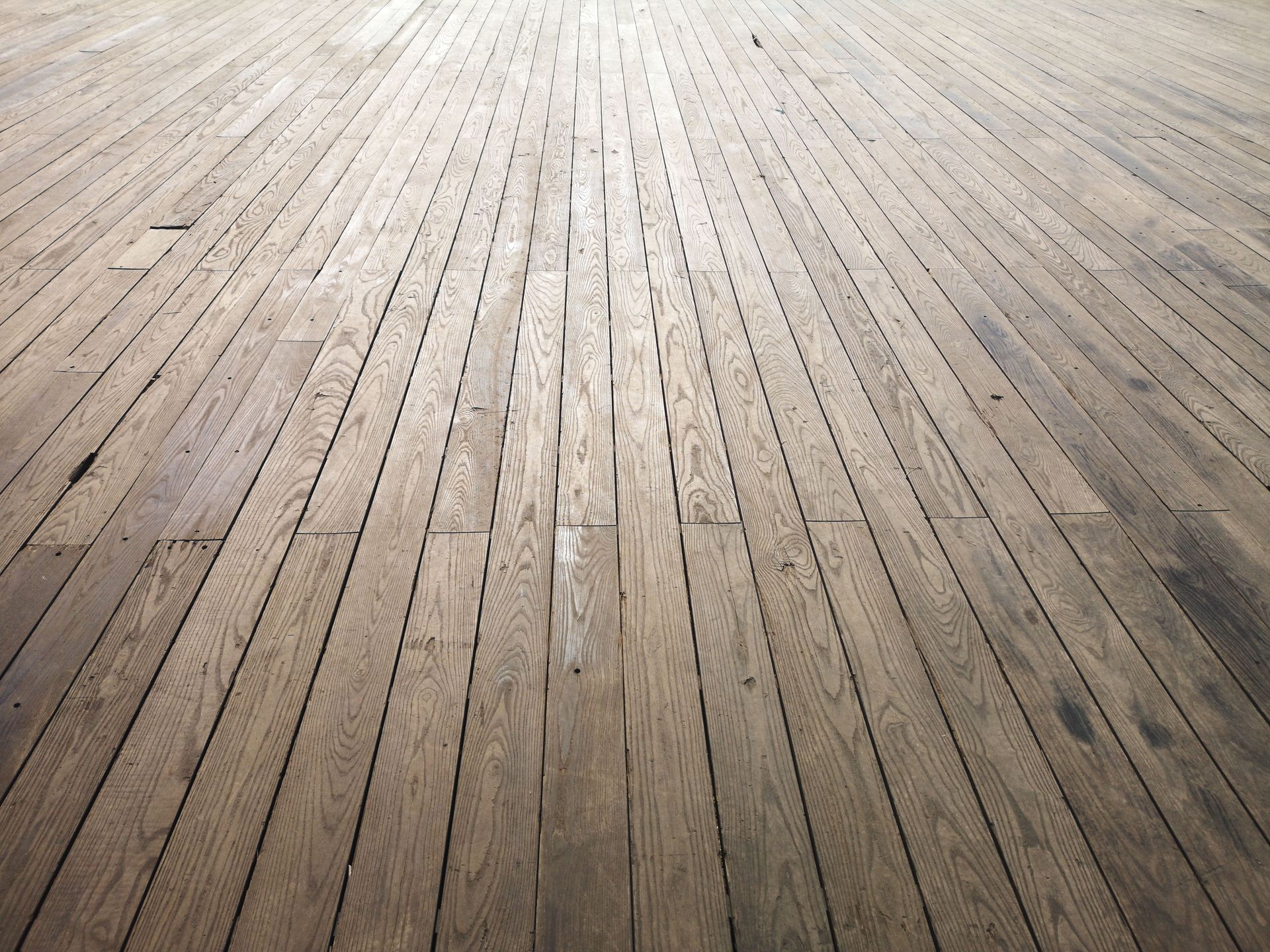
- Develop a subtle "cupping" effect, where the edges of each board sit higher than the center
Understanding this natural behavior is the first step toward protecting your floors and avoiding costly repairs.
Signs Your Hardwood Floors Are Reacting to Humidity
It's not always obvious that humidity is affecting your floors until the damage is already visible. Homeowners in Chattanooga should watch for:
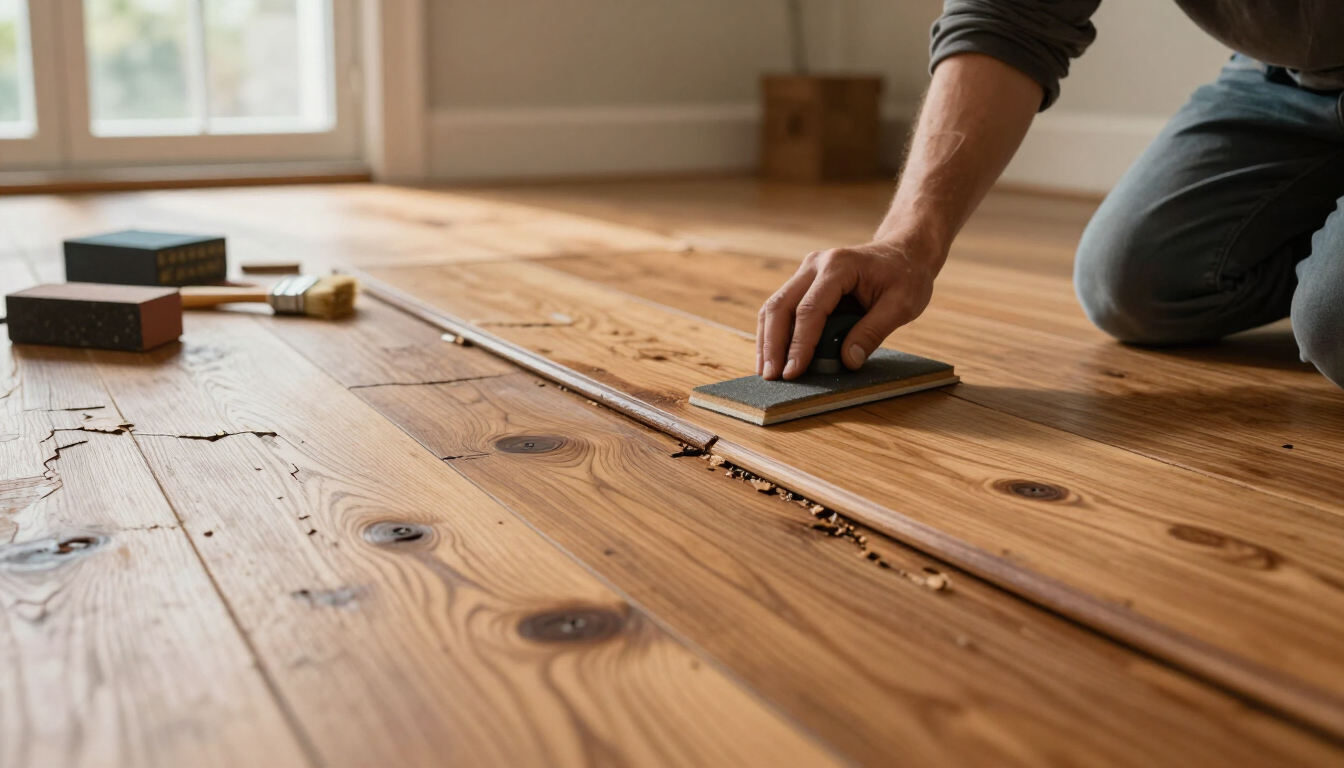
Cupping boards — edges appear raised compared to the center- Gaps between boards — often more visible in winter after summer swelling
- Soft or spongy spots — can indicate excess moisture underneath
- Discoloration — dark spots may signal moisture trapped beneath the finish
- Squeaking floors — can result from boards shifting due to moisture changes
If you're noticing any of these signs, it's worth having a flooring professional take a look before minor issues become expensive repairs.
How to Protect Hardwood Floors From Summer Humidity
The good news is that with a few proactive habits, Chattanooga homeowners can significantly reduce humidity-related wear on their hardwood floors.
Maintain Consistent Indoor Humidity
Most flooring professionals recommend keeping indoor humidity between 35–55%. A hygrometer (an inexpensive humidity gauge) can help you monitor your home's levels year-round.
Use Air Conditioning and Dehumidifiers
Running your AC consistently during Chattanooga's hot months helps regulate both temperature and moisture. In particularly humid rooms — like basements or sunrooms — a standalone dehumidifier can offer extra protection.
Wipe Up Spills Immediately
Standing water and spills are one of the fastest ways to damage hardwood. Clean spills right away with a soft, dry cloth rather than letting moisture sit on the surface.
Avoid Wet Mopping
Many homeowners unintentionally damage their floors by mopping with too much water. Stick to a slightly damp mop or a hardwood-safe cleaning product instead.
Schedule Seasonal Maintenance Checks
A quick seasonal inspection can catch small issues — like early cupping or finish wear — before they require full refinishing.
When Refinishing Becomes Necessary
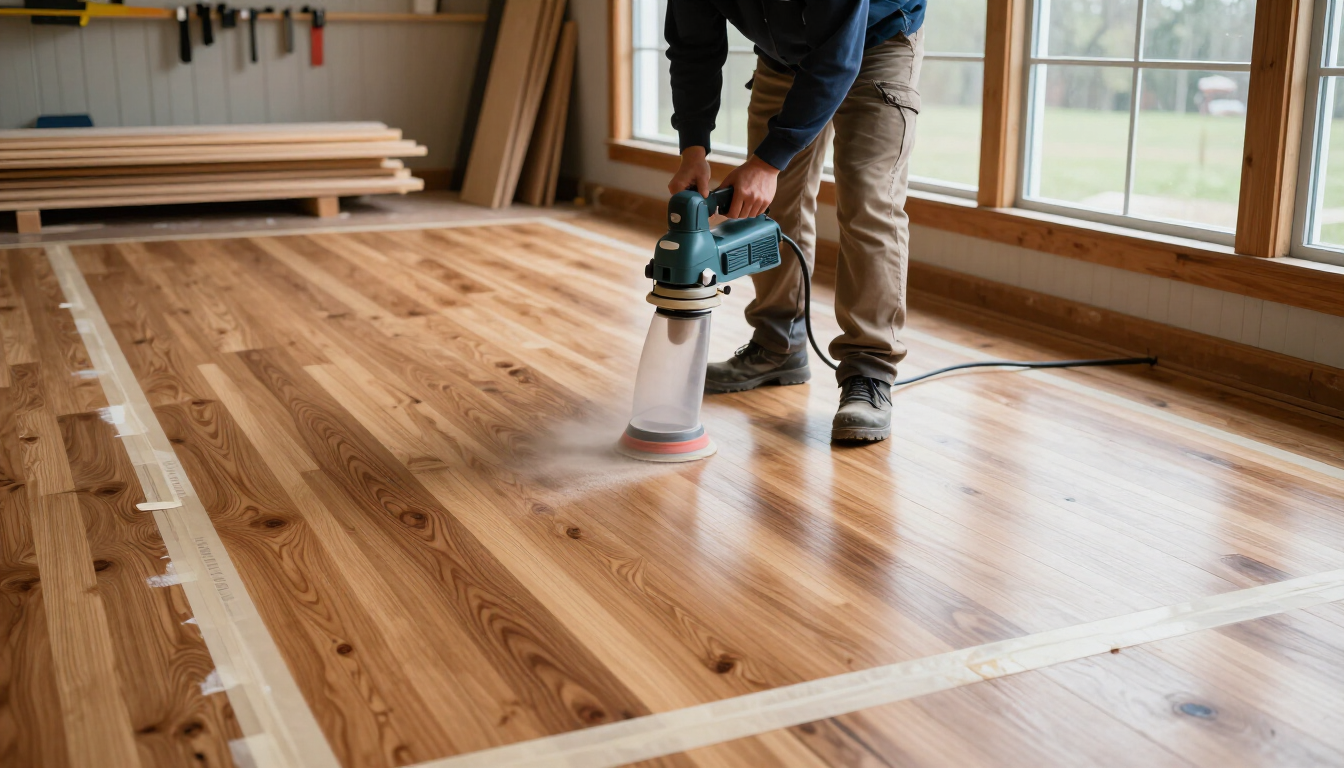
If your hardwood floors in Chattanooga have already experienced humidity damage, refinishing can often restore their original beauty without the cost of full replacement. Our dustless sanding process removes surface damage while minimizing mess in your home, making it an easy way to reverse the effects of seasonal wear.
Frequently Asked Questions
How much humidity is too much for hardwood floors? Indoor humidity above 55% can begin to cause expansion, cupping, or warping in hardwood floors. Keeping levels between 35–55% is ideal for most homes in Chattanooga.
Can humidity damage be reversed? Minor cupping often resolves itself once humidity levels return to normal. More significant damage may require sanding and refinishing to restore the floor's appearance.
Should I run my AC all summer to protect my floors? Yes. Consistent temperature and humidity control is one of the most effective ways to protect hardwood flooring during Chattanooga's humid summer months.
Is engineered hardwood more resistant to humidity than solid hardwood? Engineered hardwood typically handles humidity fluctuations better than solid hardwood due to its layered construction, though both benefit from proper climate control.
How often should hardwood floors be inspected for moisture damage? We recommend a seasonal check, especially at the transition between humid summers and drier winters, to catch early warning signs.
Can I prevent gaps between my hardwood boards? While some seasonal gapping is normal, maintaining consistent indoor humidity significantly reduces the size and frequency of these gaps.
Conclusion
Chattanooga's summer humidity doesn't have to compromise the beauty of your hardwood floors. With consistent climate control, prompt spill cleanup, and seasonal maintenance, your floors can stay protected year after year. And if humidity has already taken a toll, professional refinishing can bring your floors back to life.
Ready to protect your hardwood floors from Chattanooga's humidity? Contact 1st Class Flooring today to schedule your consultation and get expert guidance tailored to your home.