Wide Plank White Oak Floors for Lookout and Signal Mountain Homes
Most wide plank questions we hear on Lookout Mountain and Signal Mountain start the same way. The homeowner has a sample board from a mill, plans for an addition, and a quiet worry underneath it all. Will a nine inch board stay flat through a mountain winter and a Tennessee August? Will the new floor ever truly match the old one, or will there always be a line where the 1930s stopped and the renovation began? The answers depend less on the catalog and more on the wood's cut, its moisture, and the person laying it. Here is how we think it through at 1st Class Flooring.
Why Wide Plank White Oak Is the Default in High-End Chattanooga Homes
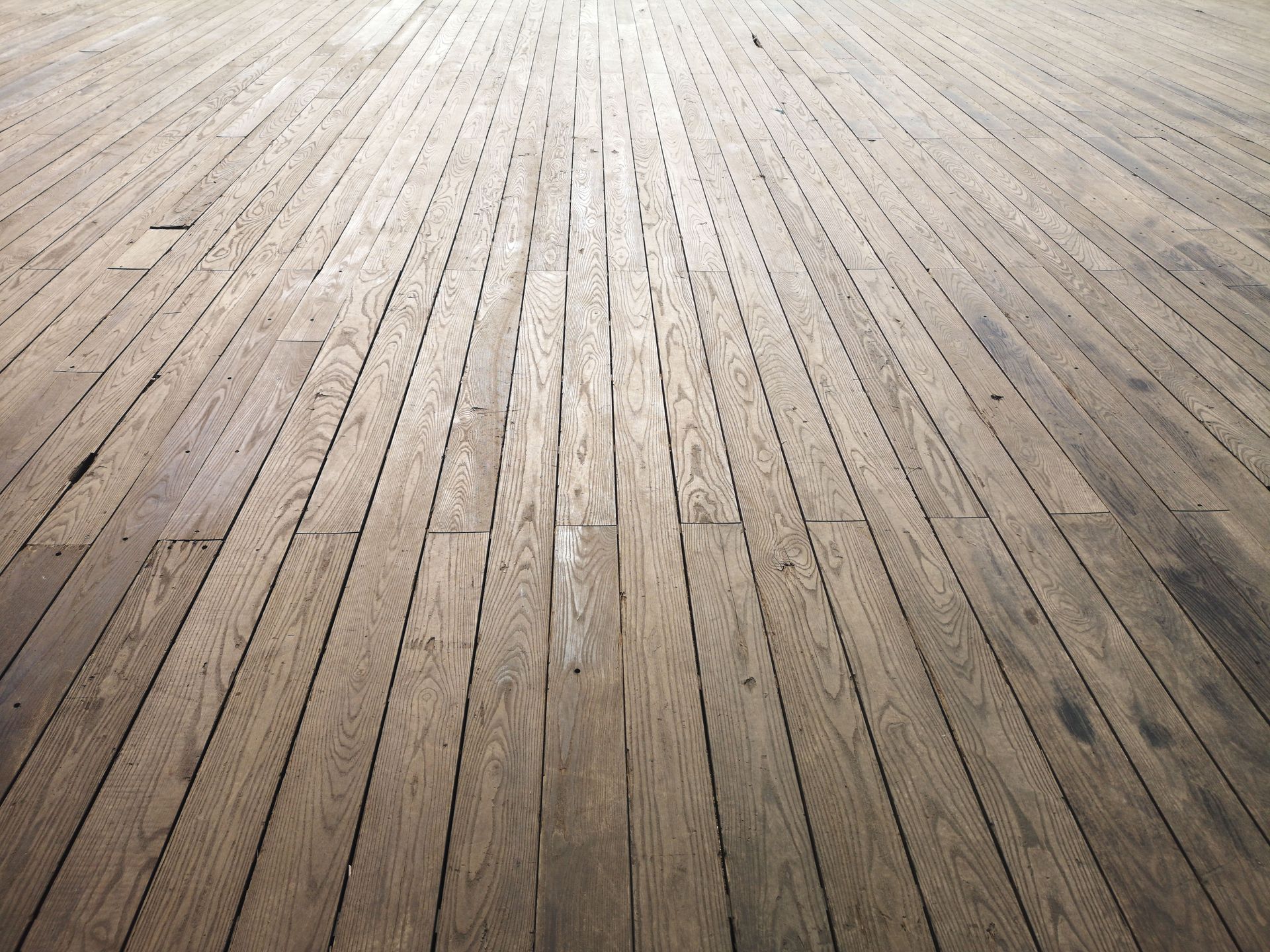
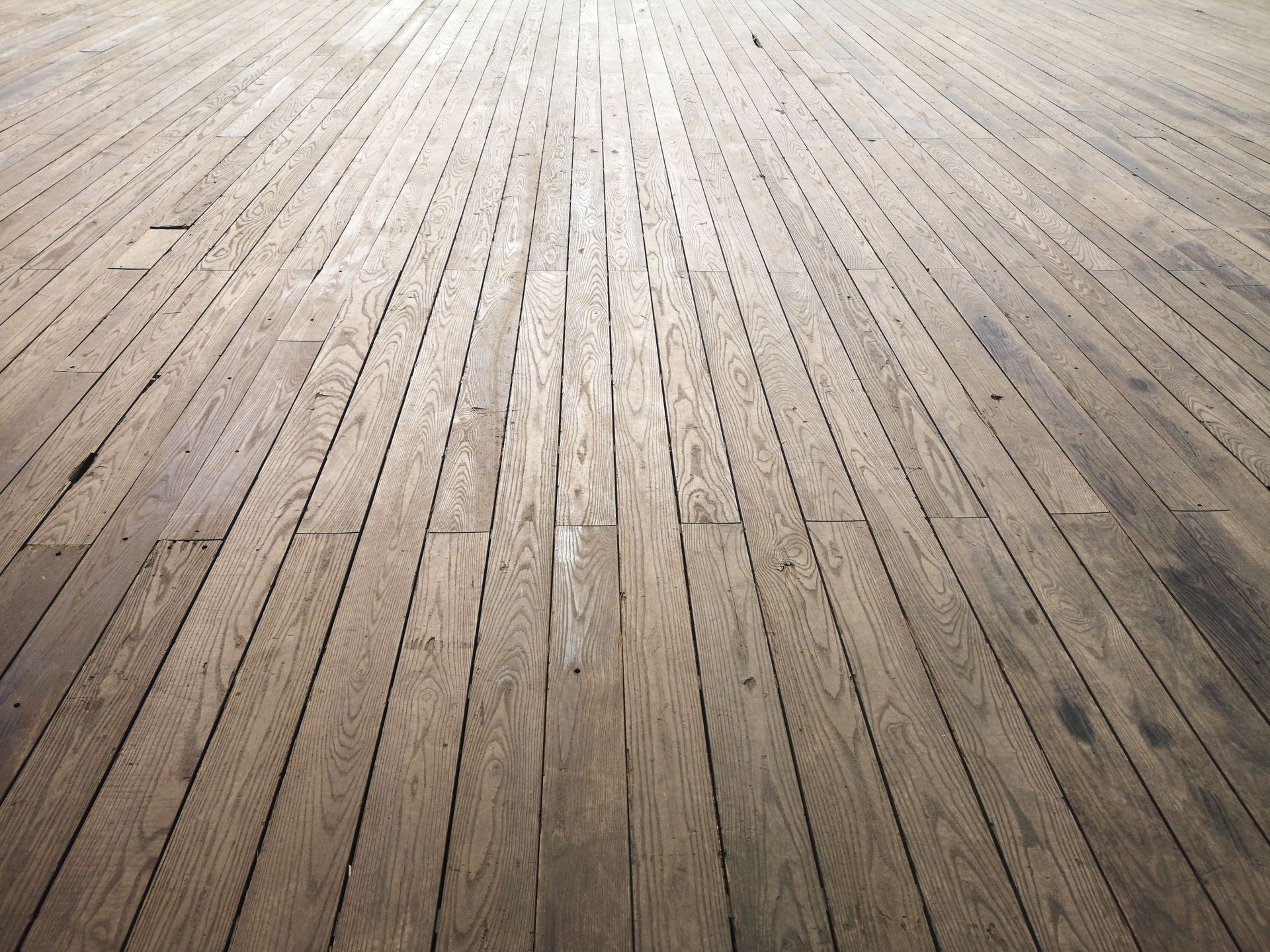
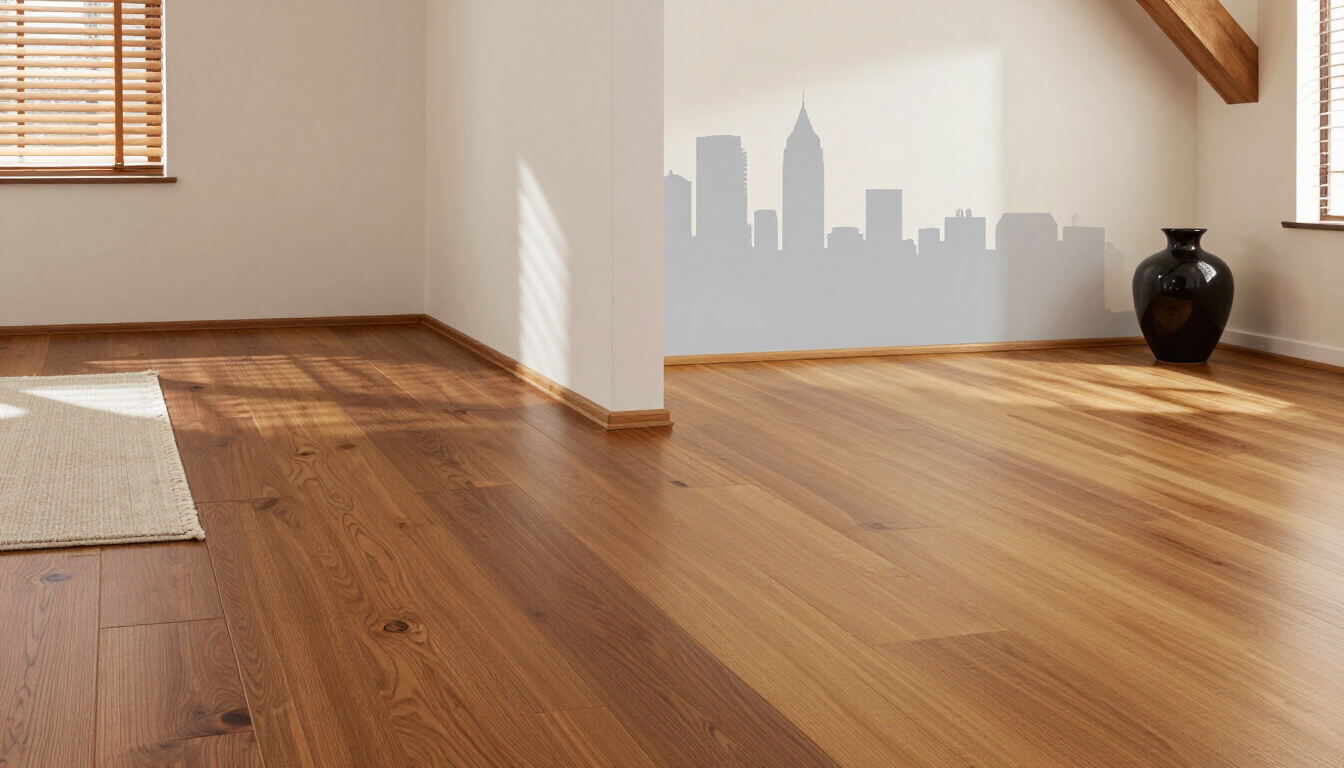
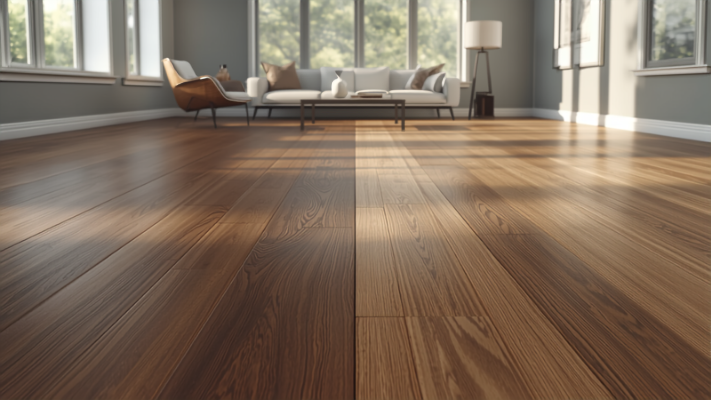
In recent Riverview renovations, McLemore builds, and remodeled Lookout Mountain cottages, the floor is usually white oak in boards seven inches or wider. White oak is hard enough for a busy household, closed grained so it resists moisture better than red oak, and neutral in color, so it takes a natural matte hardwax oil, a pale custom mix, or a deep stain with equal grace.
Narrow strip oak draws many lines across a floor; wide planks have fewer joints and longer lengths, which suits open plans and big mountain windows. The trade-off is that a wider board is a bigger piece of wood responding to the same humidity swings.
European Oak vs American White Oak
European oak runs warmer and more honey toned, with a looser, more varied grain and more mineral streaking. Larger, older trees make very wide boards easier to source, and the more porous wood drinks hardwax oil readily, producing the soft driftwood tones in design magazines.
American white oak is cooler and greyer, with a tighter, more uniform grain. It is domestically milled, more consistently available, and generally more stable across a wide board because of that tighter structure. Neither is better. European oak gives you width and warmth with slightly more movement; American white oak gives you consistency and a calmer surface. We bring finished samples of both, because the difference you see online rarely survives the light in your own living room.
How Wide Is Too Wide on a Mountain: Plain, Rift and Quartered, Live Sawn
The cut matters more than the number, because how much a board moves across its width depends on which way the growth rings run.
- Plain sawn is the most common and economical cut. The rings run roughly parallel to the face, so it moves the most and cups most readily in a wide board.
- Quarter sawn has rings close to perpendicular to the face, which cuts width movement roughly in half and shows white oak's ray fleck.
- Rift sawn gives tight, straight, linear grain. It is the most stable cut and the one we lean on for the widest boards and for radiant heat.
- Live sawn slices straight through the log, so one board carries plain, rift, and quartered grain together. It is the signature European look, with stability between plain and rift.
Solid plain sawn white oak up to about five inches behaves well in a conditioned mountain home. At seven to nine inches we want rift and quartered or live sawn stock, a conditioned house before delivery, and a patient acclimation. Past that, engineered construction becomes the more responsible answer.
Solid vs Engineered Wide Plank
Engineered flooring is not a lesser product when it is built well. A plank with a thick white oak wear layer over a stable core moves far less than solid stock, which is why mills offer ten and twelve inch boards in engineered construction. We covered the broader comparison in our post on hardwood vs engineered in Chattanooga.
Solid wide plank still wins when an addition must be laced into original solid floors and sanded flush, and when a client wants a site-finished floor with no micro-bevels that can be refinished for generations. Our hardwood floor installation process starts with that question rather than ending with it.
Acclimation and Moisture Testing on Lookout and Signal Mountain
Both ridges see more fog, cooler temperatures, and longer stretches of saturated air than the valley, and many homes have crawl spaces that run damp. All of that pushes moisture into and out of a wood floor more aggressively than a sealed slab house ever will.
Before any wood is delivered, we measure. A moisture meter reads the subfloor and, in an addition, the existing floor nearby; a hygrometer reads the humidity the house is actually holding, which needs to be in the range you will live in year round. The flooring is then delivered, stacked for airflow, and metered every few days. For wide solid boards we want wood and subfloor within about two percent of each other, and we install when the readings settle, not when the calendar says a week has passed.
Boards that go in too wet gap in the first winter; boards that go in too dry cup in the first humid summer. Our post on preventing warping and cupping covers the aftermath, but the real protection is built in before the first row. Call (423) 645-1711 if you want us to meter an existing floor before you commit to a design.
Matching an Addition to Original Floors: Lace-In vs Transition
A 1920s or 1930s cottage with original narrow oak or heart pine gets a new kitchen or primary suite, and the owner wants the floor to read as one surface. There are two honest approaches.
A lace-in removes the last several rows of the old floor at a staggered line and interlaces new boards of the same species, width, and grade so there is no straight seam. This only works when we can source matching stock. Original floors were often milled in widths no longer standard, so we measure the old boards and order custom milled stock, and species must match; new white oak laced into old red oak will always show as the finish ages.
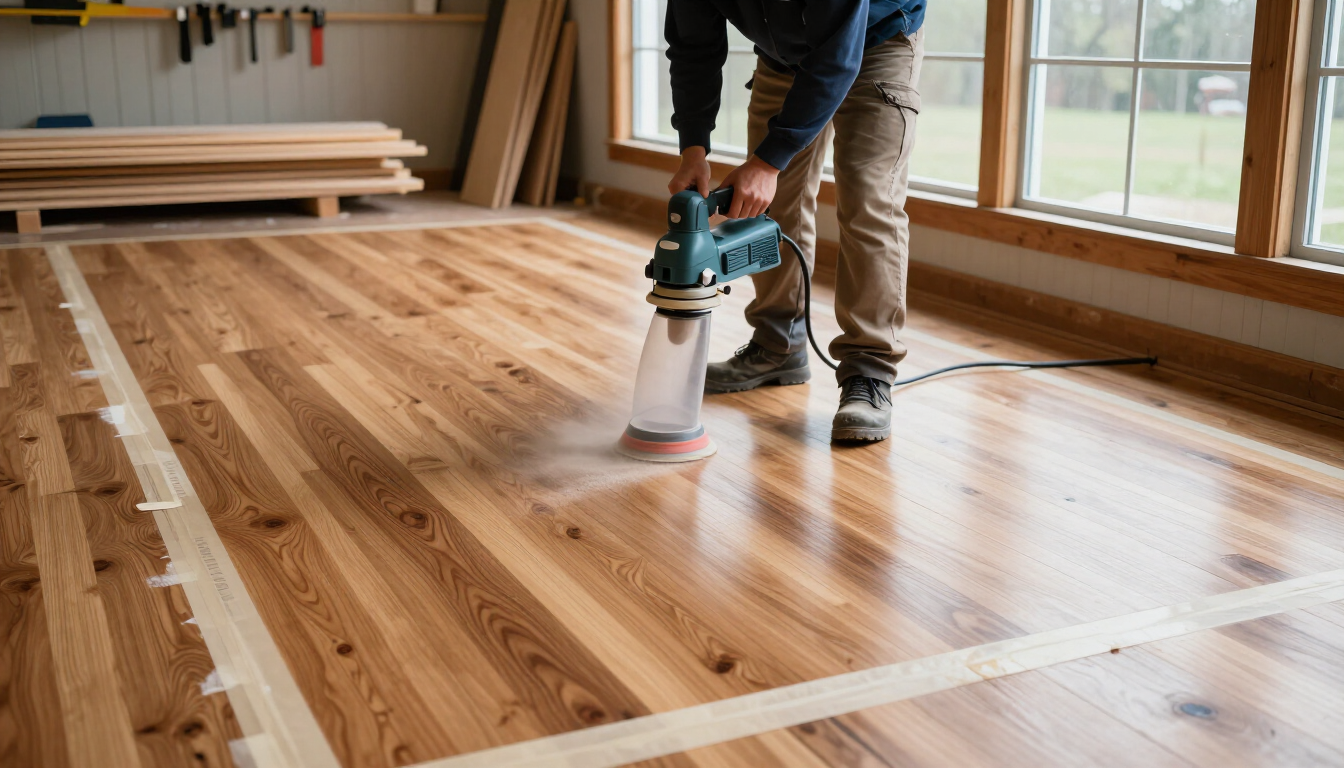
When the client wants wide plank in the addition and the original rooms are narrow strip, a designed transition is the better answer. A flush border board or a change of direction at a doorway lets the two floors meet on purpose. Either way, both areas should be refinished at the same time with the same sanding sequence and finish, so color and sheen agree on day one and age together. New oak will run slightly lighter for a year or two while it catches up to decades of light; a test area shows what to expect. Every matching job is custom milled and finished, so we quote it after seeing the floor. Send us your plans or photos and we will put together a plan for your home.
Radiant Heat Under Wide Plank, and Sequencing With Your Builder
Radiant heat and wide white oak are compatible when three things are controlled. The first is cut: rift and quartered or quality engineered stock, never wide plain sawn solid. The second is width, which we keep conservative because the heat drives moisture out of the board from below. The third is surface temperature, which should stay in the low 80s Fahrenheit or below, with the system run before installation so the subfloor is dry.
Sequencing is where addition projects get into trouble, so we ask to be involved before framing is finished. Subfloor height must be planned so the new floor meets the original without a step, the house needs to be dried in with HVAC running before wood arrives, and wet trades need to stay off acclimating flooring. 1st Class Flooring is based in LaFayette and on job sites across Lookout Mountain, Signal Mountain, and Chattanooga every week.
Frequently Asked Questions
Is European oak better than American white oak?
Different, not better. European oak tends warmer, with looser grain and easier availability in very wide boards. American white oak runs cooler and tighter grained and is generally more stable across a wide board.
How wide can solid planks go in a mountain home?
Wider boards move more, so the cut and the acclimation set the limit. Plain sawn solid oak up to about five inches behaves well; seven to nine inch solid boards call for rift and quartered or live sawn stock and settled readings. Beyond that, engineered is usually the responsible choice.
Can new floors be blended into my original floors so you cannot see the seam?
Often yes. A staggered lace-in with matching species, width, and grade, followed by sanding and finishing both areas together, hides the joint very well. Where a match is not possible, we design a transition that looks intentional. Photos of the existing floor help; send them or call (423) 645-1711 and we will tell you what is realistic.
Can wide plank go over radiant heat?
Yes, with rift and quartered solid stock or a quality engineered plank, a conservative width, and a surface temperature kept in the low 80s or below.
How long should wood acclimate before installation?
Until the flooring and the subfloor read within the target range of each other, not a fixed number of days. In a damp mountain spring that can take longer than the standard advice suggests. We meter rather than guess, and we are glad to explain the readings at (423) 645-1711.
Should I pick the floor before or after the designer picks cabinets?
Before. The floor is the largest surface in the house and sets the undertone for cabinets, stone, and paint. Choosing the oak, cut, and finish first gives your designer a fixed reference and lets us plan acclimation and subfloor height while the schedule is still flexible.
Schedule an In-Home Design Visit
When Tony Vecchio and the 1st Class Flooring crew come out for a design visit, we meter your subfloor and existing floors, check the humidity the house is holding, bring wide plank samples in both European and American white oak in several cuts and finishes, and walk the addition with you to plan exactly how new boards will meet the old.
To set up a visit, contact us online or call (423) 645-1711. We serve Lookout Mountain, Signal Mountain, Chattanooga, McLemore, and the North Georgia valley, and we would rather see the house before we talk numbers.