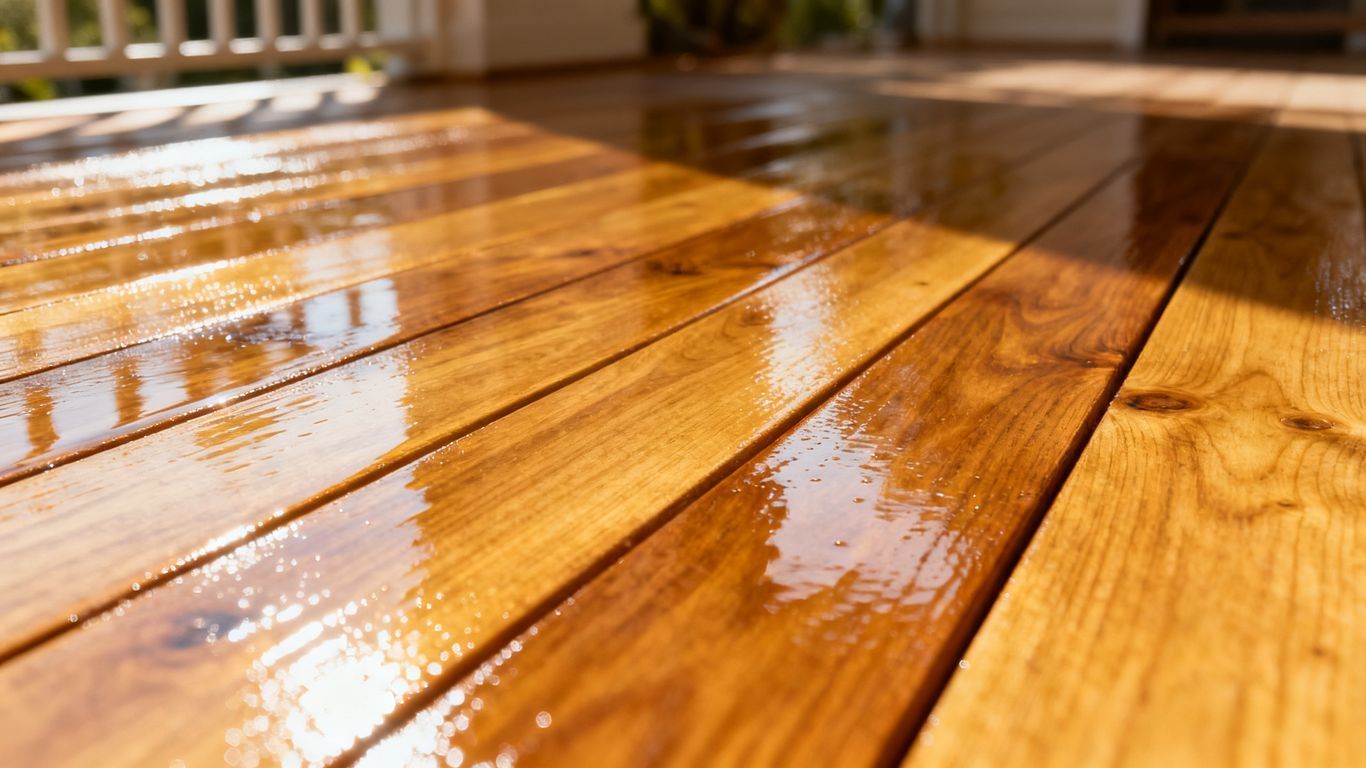
August in North Georgia is beautiful — and brutal on hardwood. By late summer, homeowners in Dalton, GA start noticing things they swear weren't there in April: boards that ride a little high at the edges, a gap that swallowed a quarter, a stubborn dark ring near the back door.
None of it means your floors are finished. Most of it means your floors did exactly what wood is supposed to do. The good news is that nearly all of it is repairable, often without replacing a single square foot more than necessary.
Here's what's actually happening under your feet, and what a professional repair looks like.
Why Dalton, GA Summers Are Hard on Hardwood Floors
Wood is hygroscopic. It absorbs moisture from the air when humidity climbs and releases it when the air dries out. Every board in your home is quietly expanding and contracting with the seasons — that part is normal and expected.
The trouble starts when the swing is extreme or uneven. Through a North Georgia summer, indoor humidity can sit high for weeks, especially in homes where the AC runs intermittently or where a crawlspace vents damp air up into the subfloor. Boards swell, press hard against their neighbors, and have nowhere to go but up at the edges.
Three conditions make Dalton homes especially prone to it:
- Crawlspace construction. A lot of homes in and around Whitfield County sit over vented crawlspaces. Moisture rising from the ground reaches the underside of the flooring before it ever reaches the room.
- Slow summer leaks. A dishwasher seal, an ice maker line, or a condensate drain can weep for weeks before anyone notices a stain.
- Long vacancies. Homes closed up during a family trip, with the thermostat kicked way up to save money, sit in high humidity with no air movement at all.
The
National Wood Flooring Association recommends keeping indoor relative humidity in a fairly narrow band year-round. Most floor damage we repair in August traces back to a home that drifted well outside it.
Common Types of Summer Damage We Repair in Dalton
Cupping and Crowning
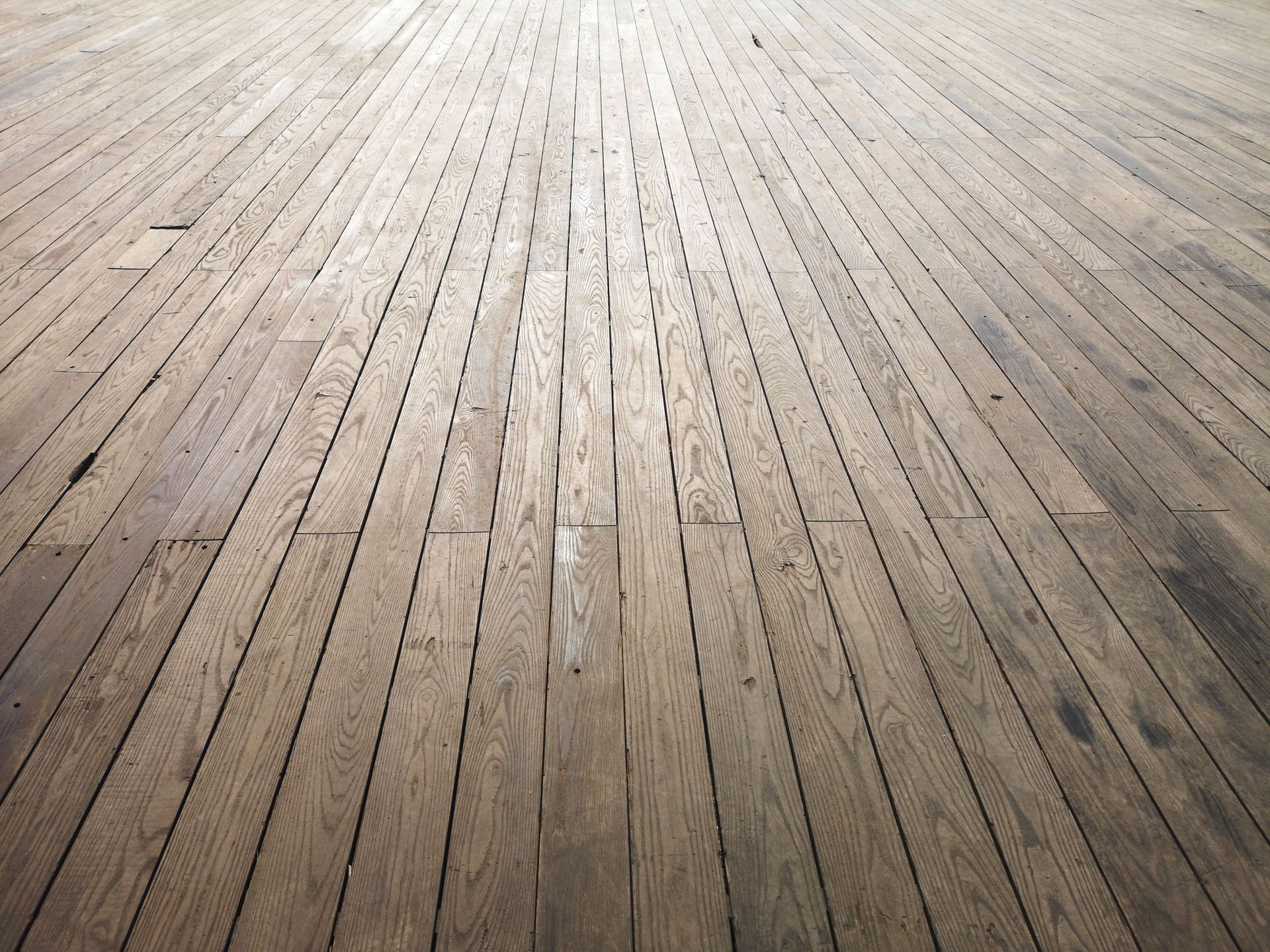
Cupping is when board edges sit higher than the center — the classic sign of moisture reaching the underside of the floor. Crowning is the opposite, with the center riding high, and it often shows up after a cupped floor was sanded flat too early.
This matters: a cupped floor sanded before it dries will crown once the moisture equalizes, and then you've paid for a refinish that made things worse. Proper repair starts with a moisture meter and patience, not a sander.
Water Damage From Leaks and Humidity
Standing water is a different animal from ambient humidity. It stains, it swells boards past their recovery point, and it can compromise the subfloor beneath. Caught early, a water-damaged area is usually a localized repair. Left for a season, it spreads.
Dark, spreading discoloration or a soft spot underfoot means the damage went past the finish and into the wood.
Scratches, Dents, and Pet Damage
Summer means more traffic, more grit tracked in from the yard, and more time indoors for pets when the heat spikes. Surface scratches that only touched the finish can often be addressed without full replacement. Deep gouges and pet stains that soaked into the grain typically call for board replacement and a blended finish.
Gaps Between Boards
Gaps that open in winter and close in summer are seasonal and usually need no intervention. Gaps that stay open year-round, or that widen every year, point to a subfloor or installation issue worth a professional look.
Repair, Refinish, or Replace? What Dalton Homeowners Should Know
This is the question we get most often, and the honest answer is that most floors need less than homeowners fear.
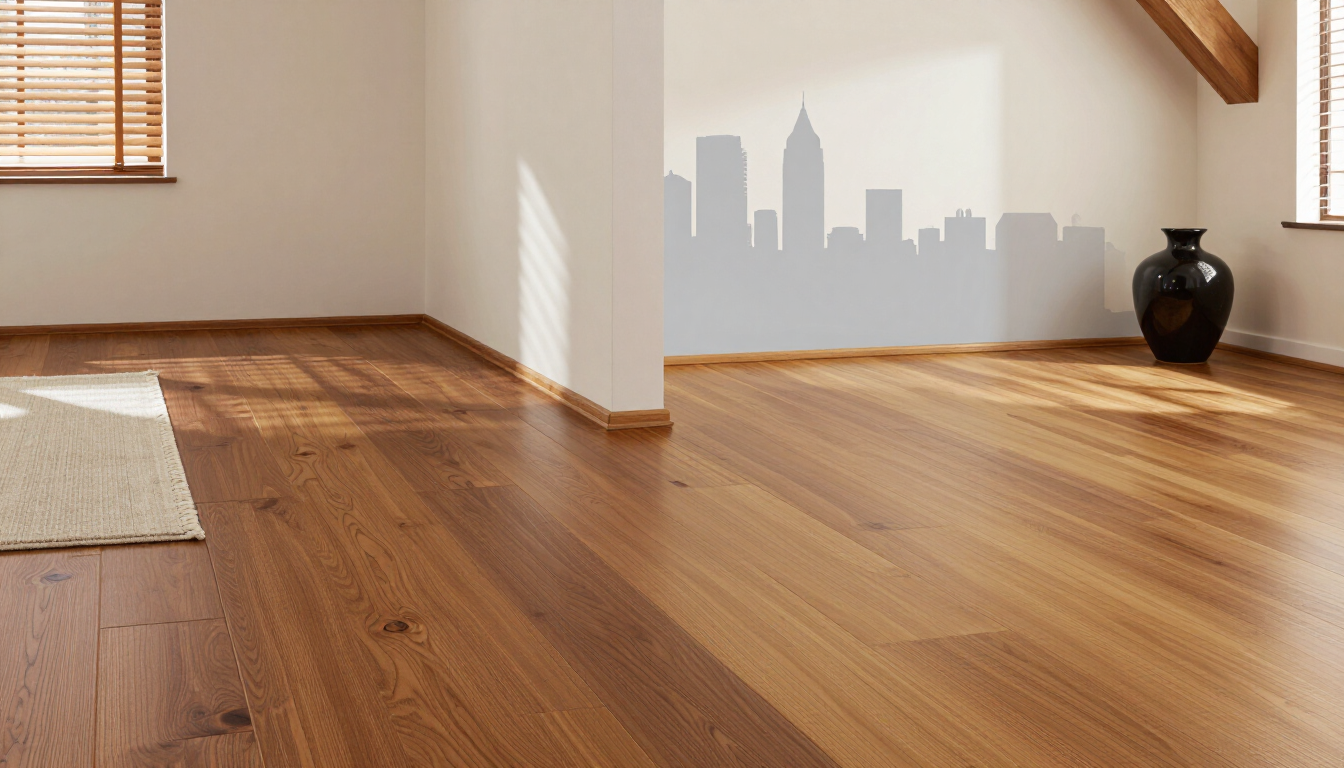
Repair is the right call when damage is localized — a few boards near a leak, a gouged section in a hallway, a patch of pet damage in one room. We source matching material, replace only the affected boards, and blend the finish so the repair disappears into the surrounding floor.
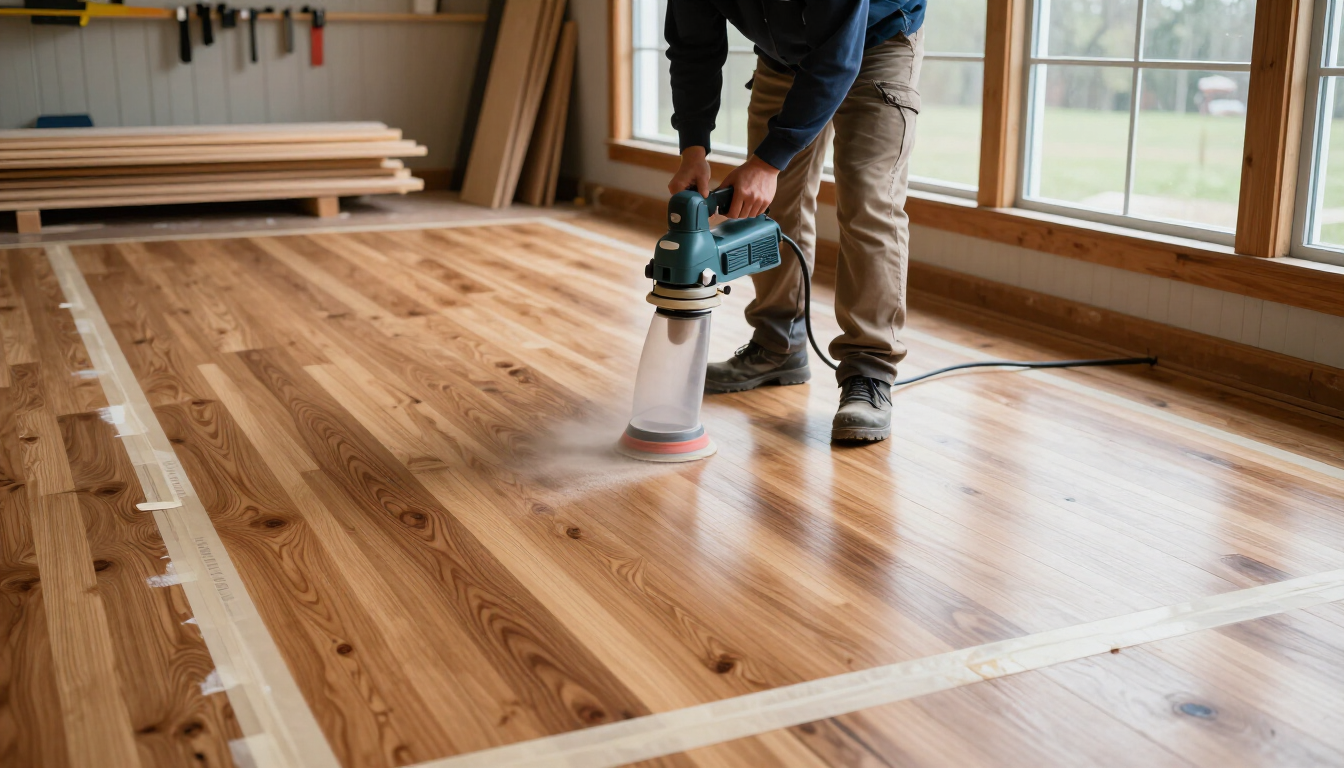
Refinishing makes sense when the wood itself is sound but the surface is worn, dull, or scratched throughout. Solid hardwood can be sanded and refinished multiple times over its life. Our
hardwood floor repair services frequently combine spot repair with a full refinish so the whole floor reads as one continuous surface.
Replacement is genuinely necessary far less often than people assume — typically when the subfloor is compromised, when engineered flooring has worn through its veneer layer, or when damage covers most of the installation.
A professional assessment is worth the visit. We've walked into plenty of Dalton homes where a homeowner had already priced out a full replacement and left with a repair quote for a fraction of it.
How to Protect Your Floors Through the Rest of Summer
A few habits make a real difference between now and fall:
- Run the AC on a consistent schedule. Steady conditioning matters more than a low temperature.
- Add a dehumidifier in basements and lower levels where damp air settles.
- Check the crawlspace. Look for standing water, torn vapor barrier, and blocked vents.
- Wipe spills immediately — water sitting on a finish for even an hour can work into the seams.
- Sweep or vacuum regularly. Summer grit is abrasive and works like sandpaper underfoot.
- Use felt pads under furniture legs, and refresh them; they wear out and collect debris.
- Skip the steam mop. Heat plus moisture is the fastest way to damage a hardwood finish.
Frequently Asked Questions
Can cupped hardwood floors go back to normal on their own?
Often, yes. Once the moisture source is corrected and the wood dries gradually, mild cupping frequently flattens out on its own. We recommend waiting through a full drying period before sanding anything.
How long should I wait before refinishing a floor that got wet?
Until the wood reaches equilibrium with the room — this can take several weeks depending on severity. Sanding too soon is the most common cause of a crowned floor afterward.
Can you repair just one room instead of the whole house?
Yes. Localized repair is standard work for us. The challenge is blending the finish, which is where matching technique matters most.
Will a repaired section match the rest of my floor?
An experienced installer matches species, cut, board width, and finish sheen, then blends the transition. On older floors that have ambered with age, we may recommend refinishing the connected area for a seamless result.
Do you repair pet stains and scratches?
Yes. Surface scratches often respond to refinishing. Urine stains that penetrated the wood usually require board replacement, since the discoloration sits below sandable depth.
How do I know if the damage reached my subfloor?
Soft or spongy spots, movement underfoot, and staining that keeps spreading after drying all suggest subfloor involvement. That needs an in-person inspection.
Do you serve areas outside Dalton?
We serve Dalton and the broader Chattanooga and North Georgia region, including Ringgold, Fort Oglethorpe, Chickamauga, and Trenton.
Don't Wait Until Fall
Summer damage doesn't improve on its own once the moisture source stays in place. A gap gets wider, a stain spreads, a soft spot becomes a subfloor repair. The earlier a floor is assessed, the smaller and less expensive the fix.
With more than 20 years restoring hardwood across North Georgia, we've seen just about every way a floor can go wrong — and repaired most of them without replacement.
Ready to bring your floors back? Learn more about
hardwood flooring in Dalton, GA, then call
1st Class Flooring at (423) 645-1711 or
schedule your consultation online for craftsmanship that lasts for generations.