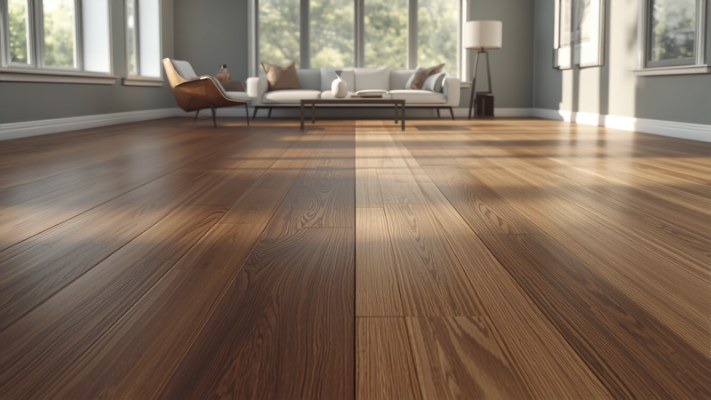
Most homeowners who put off refinishing their hardwood aren't worried about the floors. They're worried about the dust.
The stories are legendary, and mostly earned: fine wood dust settling on every horizontal surface in the house, working into closets two rooms away, showing up on bookshelves for weeks afterward. If you've heard those stories, you've probably decided your Signal Mountain, TN home can live with dull floors a while longer.
Modern dustless sanding changes that calculation. Here's how it actually works, what "dustless" does and doesn't mean, and what to expect if you refinish this fall.
What Dustless Sanding Actually Is
Traditional floor sanders collect some dust in an onboard bag and release the rest into the room. That airborne fraction is the problem — it's fine enough to stay suspended for hours and travel wherever your air moves.
Dustless systems attach the sander directly to a high-powered vacuum containment unit, usually positioned outside the home or in a garage, connected by sealed hoses. Dust is captured at the point of contact and pulled out of the living space before it ever becomes airborne.
The equipment matters, but so does the process:
- Sealed hose connections at every transition point
- Containment barriers at doorways to unaffected rooms
- HVAC vents covered so dust can't circulate through ductwork
- Edging and detail sanders that are also vacuum-connected, not just the big drum
That last point separates a genuine dustless setup from a partial one. Edges and corners are where a lot of dust escapes when only the main sander is connected.
Why Signal Mountain Homeowners Ask About It Most
Signal Mountain has a lot of homes worth being careful in — older properties with original hardwood, custom builds with open floor plans, and houses where the flooring runs continuously from the entry through the main living areas.
Open layouts are exactly where traditional sanding causes the most trouble. Without walls to contain it, dust has a clear path through the entire main level. Containment isn't a luxury in those homes; it's the only practical way to refinish while the family stays put.
There's also the air-quality piece. Wood dust is a respiratory irritant, and homes with young children, older adults, or anyone with asthma have good reason to minimize it. The
EPA's indoor air quality resources outline why particulate control during home renovation is worth taking seriously.
The Honest Answer: "Dustless" Means Nearly, Not Perfectly
We'd rather set the right expectation than oversell.
A well-executed dustless refinish captures the overwhelming majority of sanding dust. It does not produce a job with literally zero particles. A fine film may still settle in the work area, and we clean it thoroughly before finish goes down — because any grit left behind will show up permanently in the cured surface.
What you should expect: no dust cloud, no fog in the air, no residue in rooms outside the work zone, and no weeks of rediscovering dust on the tops of picture frames. What you shouldn't expect: skipping the cleanup step entirely. Any contractor who tells you their process needs no cleanup is telling you something about their finish quality.
What the Refinishing Process Looks Like
A typical whole-floor refinish in a Signal Mountain home runs in this sequence:
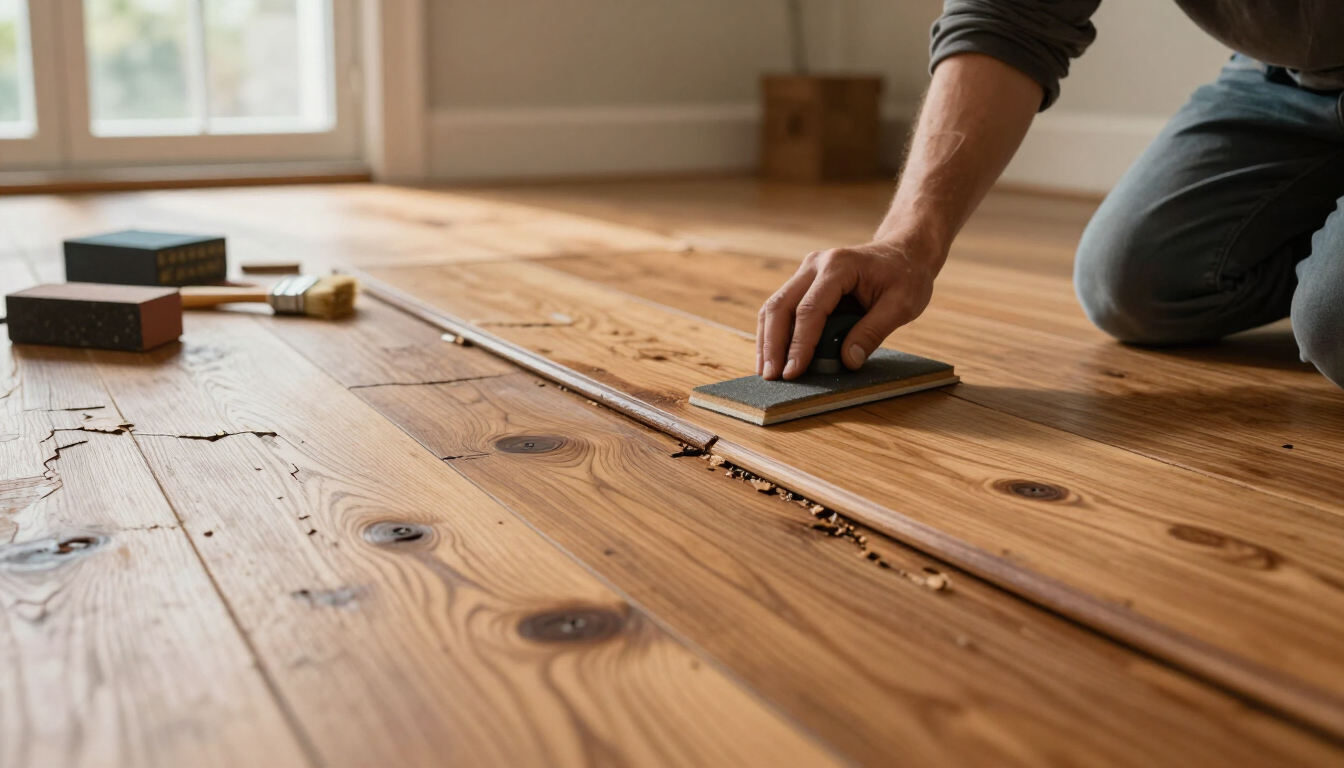
- Assessment. We check board thickness, existing finish type, damage, and whether the floor has enough wear layer left to sand. Solid hardwood can usually be refinished several times; engineered flooring depends entirely on veneer thickness.
- Prep. Furniture out, shoe molding removed as needed, containment barriers and vent covers in place.
- Rough sanding. The first pass removes old finish and levels the surface.
- Intermediate and fine sanding. Progressive grits eliminate scratch patterns from the previous pass. Skipping grits is the single most common shortcut, and it shows once the finish goes on.
- Edge and corner work. Vacuum-connected detail sanders reach what the drum can't.
- Staining, if you're changing color. Applied and allowed to dry fully.
- Finish application. Multiple coats with proper cure time between each.
Most whole-home projects take several days from start to walkable, with full cure taking longer.
We give a realistic timeline up front, including when you can walk on it in socks, when furniture can come back, and when rugs can go down — rugs go last, since finish needs to breathe as it cures.
Our
hardwood floor refinishing services cover the full process, including color changes and repairs to damaged boards before sanding begins.
Choosing a Finish
Two decisions shape how your refinished floor looks and lives.
Finish type. Oil-based polyurethane cures hard, deepens the wood's tone with a warm amber cast, and ambers further over the years. Water-based finishes dry faster, carry less odor during application, and stay closer to the wood's natural color — which matters if you have white oak and want it to stay pale rather than turning golden.
Sheen level. Higher gloss looks dramatic and reflects light beautifully in rooms with big windows. It also shows every scratch, footprint, and dust speck. Matte and satin finishes hide daily wear far better, which is why most families with pets and kids land there.
There's no universally correct answer. There's a right answer for your house, your light, and your household.
Frequently Asked Questions
Is dustless sanding completely dust free?
No, and any contractor promising that is overpromising. A proper dustless system captures the vast majority of dust at the source, so you won't get airborne clouds or dust spreading through the house. A light residue in the work area is normal and is cleaned before finishing.
Can I stay in my home during refinishing?
Usually yes, especially with containment in place and a phased approach that keeps part of the home accessible. Finish odor is the bigger consideration than dust — water-based products are noticeably lower in odor than oil-based.
How many times can hardwood floors be refinished?
Solid hardwood can typically be refinished several times across its lifespan, depending on original thickness and how aggressively past sandings were done. Engineered flooring depends on the veneer layer; some can be refinished once or twice, some not at all.
How long before I can put furniture back?
Light foot traffic in socks comes first, then furniture, then rugs. Each stage has a different waiting period based on the finish used. We give you specific dates for your project rather than a generic rule.
Do my floors need a full sanding, or just a recoat?
If the finish is worn but the wood underneath is undamaged and unstained, a screen-and-recoat may be enough — it's faster and less invasive. Once wear reaches bare wood or there's staining, full sanding is required.
Can you change my floor color during refinishing?
Yes. Once the floor is sanded to bare wood, we can go lighter, darker, or to a different tone entirely. We recommend testing stain samples on your actual floor, since species and age change how color takes.
What's the best time of year to refinish in the Chattanooga area?
Moderate humidity helps finishes cure evenly, making late spring and fall favorable. That said, refinishing works year-round in a climate-controlled home.
Ready for Floors That Look New Again?
The dust objection was always the real barrier. With proper containment, refinishing your Signal Mountain, TN home is far less disruptive than the horror stories suggest — and the results last for decades.
For over 20 years, 1st Class Flooring has refinished hardwood across Signal Mountain, Chattanooga, and North Georgia with the care we'd want in our own homes.
See what we do for
hardwood flooring in Signal Mountain, then call
(423) 645-1711 or
schedule your consultation to get your floors on the calendar.