
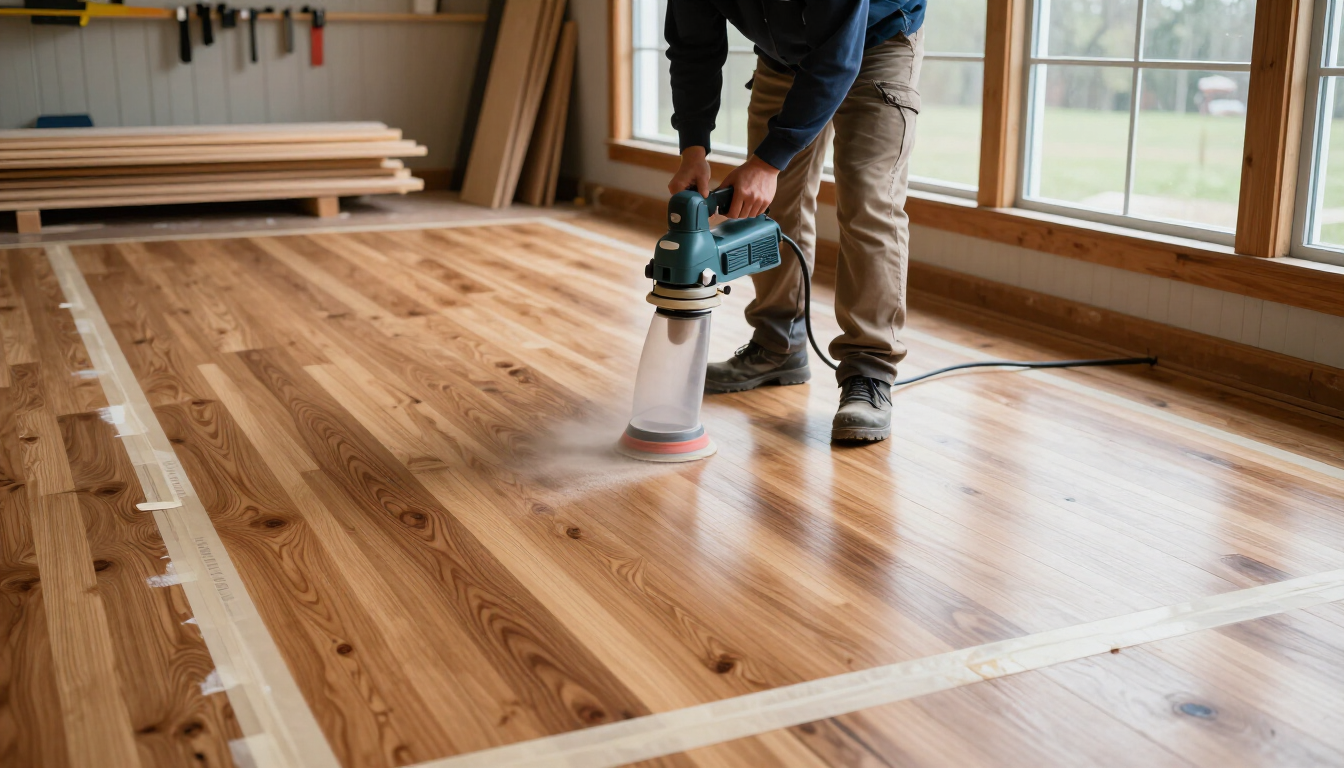
Restoring Heart Pine and Original Hardwood Floors in Chattanooga

If you own a 1920s home in Riverview, a bungalow on Missionary Ridge, a North Chattanooga four-square, or an older Lookout Mountain cottage, the floor under your feet is probably the most irreplaceable material in the house. Old-growth heart pine and tight-grained oak of that quality is not milled anymore, and every pass of a sander takes a little of it away for good. The worry we hear most often is not "can this be refinished" but "will the person I hire ruin it." Plenty of century-old floors here have been sanded flat, stained dark, and buried under thick coats by crews who treated them like new oak. Here is how we approach a historic floor, from what is under the carpet to what we measure before any machine is plugged in, so you know the right questions to ask anyone who bids the job, including us.

What Is Under the Carpet in a 1910s to 1930s Chattanooga Home

Most homes in Riverview, on Missionary Ridge, and in North Chattanooga were built between roughly 1905 and 1935. Formal rooms usually have narrow strip red or white oak, often two and a quarter inches wide, with growth rings far tighter than anything milled today. Bedrooms, halls, and kitchens are frequently heart pine, sometimes doubling as the subfloor, and Lookout Mountain cottages from the same era lean toward pine throughout.

Many of these boards are face-nailed rather than blind-nailed, so nail heads are visible, some set and others sitting proud. You may also find patches where radiators or walls were removed, sometimes in a different species. None of this is a problem in itself; it simply has to be identified before a restoration plan can be honest.

Patina or Bare Wood: How We Decide, and What the Forum Advice Gets Wrong

The most common question on century-home forums is some version of "Can I sand lightly with fine paper and apply polyurethane without destroying the patina?" The answer depends on what is actually on the floor. If the finish is sound and only dull, a screen and recoat can refresh it and leave the wear intact. If it is worn through in traffic lanes, flaking, or sitting on decades of wax, a new coat will not bond, and some sanding is unavoidable.

Here is where the forum advice goes wrong. People assume the warm color lives in the old coating, so they fear sanding will leave pale, new-looking wood. On heart pine and old-growth oak, the color comes from the wood itself; resin oxidizes and darkens over a century, and that color runs well below the surface. A careful sanding removes the damaged finish and a few thousandths of gray fiber, and what comes up is a rich amber that deepens again within months. What you lose is the surface history, the dents and marks, a legitimate choice to weigh with a test area in front of you.

How Much Floor Is Left: Measuring Before Any Sander Touches It

First we need to know how many sandings this floor has already survived. A tongue-and-groove board starts with roughly a quarter inch of wood above the tongue, and each full sanding removes around a thirty-second of an inch, more if a previous crew was aggressive. Once the wear layer gets thin, nail heads surface, the tongue splinters, and boards crack under the machine. A floor that "feels thin when you tap it" should not be touched by anyone guessing.

We measure instead. At a heat register or a removed threshold we can see the board profile and gauge what remains above the tongue, checking several rooms because wear is never even, and we read moisture to confirm the crawl space is not driving movement. Only then do we choose between a full sand, a light abrasion and recoat, or preservation only. To have that assessment done, call 1st Class Flooring at (423) 645-1711.

Heart Pine Specifics: Softness, Resin, and Why Aggressive Drum Sanding Is the Enemy

Heart pine is a contradiction. The dense heartwood of longleaf pine is remarkably hard, yet the earlywood bands between the rings are soft and tear out easily. Run a heavy drum sander with coarse paper across it and the machine digs into the soft bands, leaves a washboard texture called chatter, and gouges wherever the operator hesitates. Those marks are nearly impossible to hide.

Our approach is slower by design. We start with the least aggressive grit that will remove the old finish, often finer than on new oak, and we favor a multi-head machine over a drum because it floats across the grain rather than cutting a single line. Resin loads sandpaper quickly, so we change abrasives far more often than a standard job requires. Resinous dust also hurts finish adhesion, one reason we rely on the system described in our post on dustless sanding in Signal Mountain.

Nails, Gaps, and Repairs: Countersinking, Filling, and Lacing in Salvaged Boards

Face-nailed floors need every nail head set below the final sanding depth. A single exposed head will shred a belt and throw sparks into pine dust, so we walk the floor with a nail set first. Narrow seasonal gaps that open in winter and close in summer are normal in a 100-year-old floor and should be left alone; rigid filler cracks once the boards move again. Wider, uneven gaps are different. Options include:

  • Flexible filler tinted to the wood for small, stable gaps
  • Thin slivers of matching pine or oak glued in and sanded flush
  • Pulling and re-laying a section tight when a whole room has spread
  • Lacing in salvaged boards of the same species and age where damage must disappear

Lacing separates a restoration from a repair: instead of cutting a square patch, we remove boards in a staggered pattern and weave salvaged ones in so the joints land where the eye expects them. Because every repair is specific to your floor, this is the part we cannot price from a description. Send photos through our contact page and we will put together a plan for your home.

Finish Choices for Historic Wood

Three finish families suit an old floor, each with a trade-off. Oil-modified polyurethane ambers for years, which flatters old wood, though it cures slowly and carries more odor. Water-based polyurethane stays closer to the natural color and cures fast, but on pine it can read cool unless the sealer is chosen to warm it. Hardwax oil penetrates the wood, leaves a low sheen that suits a historic house, and allows spot repairs without refinishing the room, at the cost of more routine care. Our hardwood floor refinishing page covers how we sample these on your floor.

What we avoid on old pine is stain. The soft and hard bands absorb pigment at very different rates, so stain goes blotchy in the earlywood and barely takes in the heartwood, which hides the grain people love. Old pine already has more color than any stain can add.

Living in Riverview or on Missionary Ridge During the Work

Historic refinishing is disruptive, and we would rather say so plainly. Repairs come first, then sanding, then finish coats with cure time between them. Our dust containment keeps fine particulate out of the rest of the house and your HVAC, which matters with original plaster, and we sequence rooms so you keep a path to the kitchen and a bedroom whenever the layout allows. We are based in LaFayette and on job sites across Lookout Mountain, Signal Mountain, and Chattanooga every week, so scheduling around your household is simply how 1st Class Flooring works.

Frequently Asked Questions

Can 100-year-old floors be refinished again?

Usually yes, if enough wear layer remains above the tongue. We measure before committing, because a floor sanded three or four times may have one careful pass left or may be better served by a recoat.

Should I keep the patina or sand to bare wood?

It depends on the finish condition and how much damage you are willing to live with. The warm color comes from the aged wood, not the old coating, so sanding does not reset the floor to new. A test area shows both options in your own light.

Is heart pine too soft to refinish?

No. It gouges and chatters under aggressive equipment, so grit sequence, machine choice, and frequent abrasive changes matter far more than on oak. Done carefully, it refinishes beautifully and wears for decades.

Why does my old floor look two different colors?

Prior stain, decades of uneven sunlight, rugs that blocked UV, and the temperature of your light bulbs all shift how old wood reads; heart pine can look orange under warm light and gray under cool light. A finish test viewed at different times of day tells the truth. Call (423) 645-1711 if you want help reading what you are seeing.

Can you fix the gaps between old boards?

Seasonal gaps are normal and best left to move. Larger or uneven gaps can be filled with flexible or wood-sliver fills, or a spread section can be pulled and re-laid tight. We recommend the least invasive option that stays sound.

How long does a historic refinish take?

Longer than a standard refinish, because repairs, nail setting, extra sanding steps, and cure time all add days. We plan the sequence around how you live and give you the schedule before work begins. Call (423) 645-1711 and we can talk through what your floor is likely to need.

Schedule an In-Home Floor Assessment

The right first step for a historic floor is not a quote over the phone. It is a visit where we measure the remaining wear layer, check moisture, assess nails and repairs, and finish a small test area so you can see what your floor will become before anything is sanded. You then get a written restoration plan. Tony Vecchio brings more than 20 years of experience to these floors. 1st Class Flooring works under one promise: "Craftsmanship You Can Trust. Beauty That Lasts for Generations."

To schedule your assessment in Riverview, Missionary Ridge, North Chattanooga, or Lookout Mountain, use our contact page or call (423) 645-1711. Send photos ahead if you can; they help us arrive with the right abrasives and samples. We look forward to seeing your floor.

Dustless Sanding in Signal Mountain, TN
By Rise Design • September 11, 2026
Refinish without the mess. Our dustless sanding in Signal Mountain, TN protects your home while floors are restored. Call (423) 645-1711 today.
Hardwood vs. Engineered in Chattanooga, TN
By Rise Design • September 4, 2026
Hardwood or engineered? Compare cost, durability, and resale value for Chattanooga, TN homes before you choose. Call 1st Class at (423) 645-1711.
hardwood floor repair Ringgold Georgia
By Rise Design • August 31, 2026
Scratches, stains, and worn spots from pets? Expert hardwood floor repair in Ringgold, GA saves your floors. Call (423) 645-1711 to schedule.
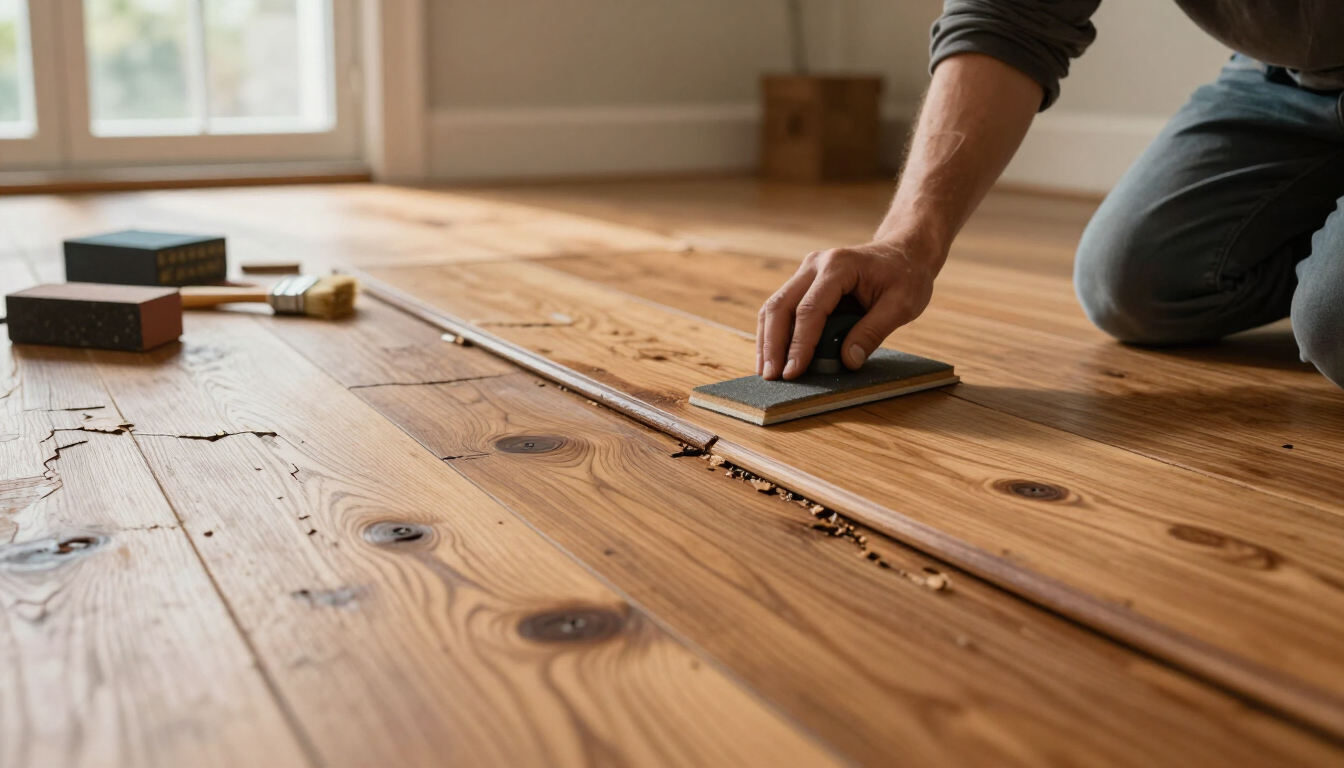
wood floor repair Dalton Georgia
By Rise Design • August 24, 2026
Summer humidity leaves floors cupped and gapped. Expert hardwood floor repair in Dalton, GA restores them beautifully. Call (423) 645-1711 today!
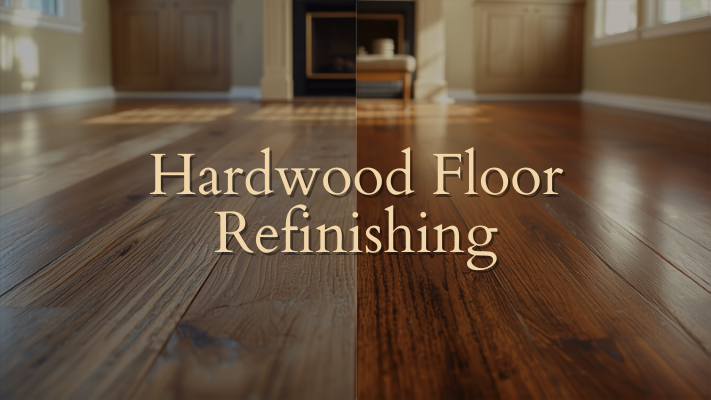
Hardwood floor refinishing before and after in Fort Oglethorpe, GA
By Rise Design • July 22, 2026
See real hardwood floor refinishing results from Fort Oglethorpe, GA homeowners. Discover our dustless process. Schedule your consultation today.
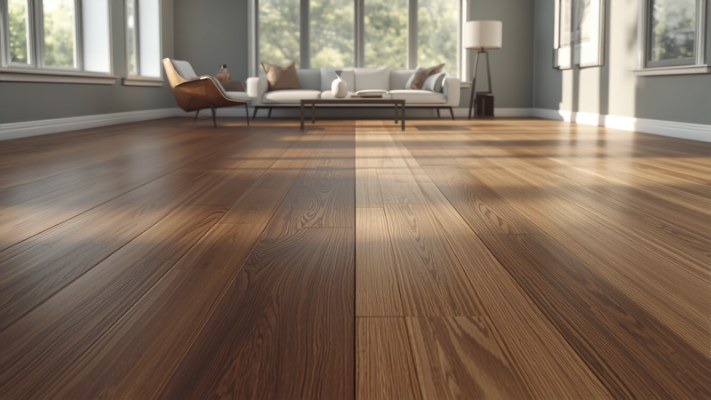
Solid hardwood vs engineered hardwood flooring comparison in Dalton, GA
By Rise Design • July 20, 2026
Comparing solid and engineered hardwood for your Dalton, GA home? Learn the key differences and find the best fit. Schedule a consultation today.
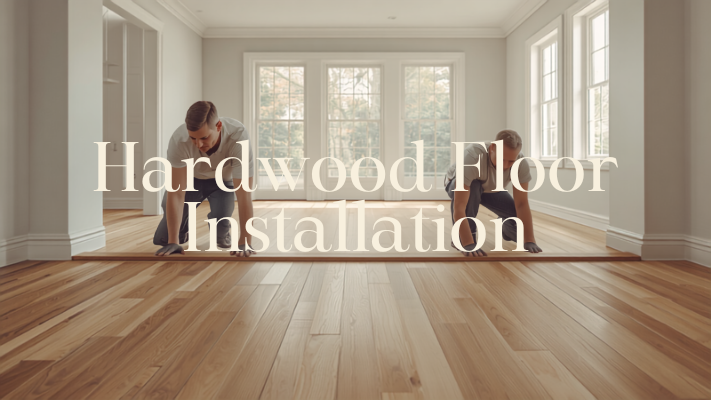
Hardwood floor installation in Ringgold, GA
By Rise Design • July 17, 2026
Planning a remodel in Ringgold, GA? Learn what to expect from professional hardwood floor installation and get a free consultation today.
Hardwood floor humidity protection in Chattanooga, TN
By Rise Design • July 16, 2026
Protect your hardwood floors from Chattanooga's summer humidity. Learn expert care tips from 1st Class Flooring. Schedule your consultation today.
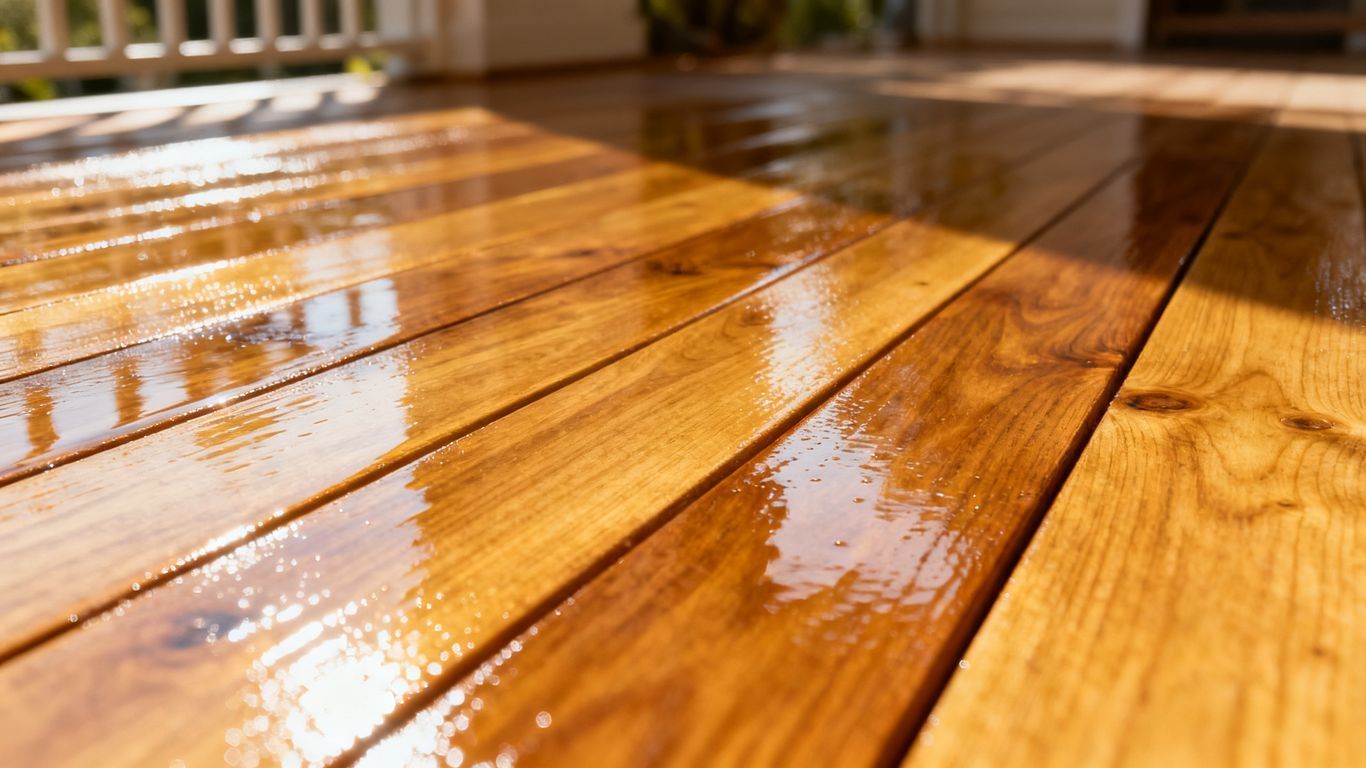
hardwood floor sealing
By Rise Design • June 28, 2026
Learn why hardwood floor sealing before summer is important. Protect your floors from damage and wear.
hardwood floors summer humidity
By Rise Design • June 26, 2026
Learn how hardwood floors summer humidity affects Southern homes. Get tips to protect your floors.
Show More