What Makes Professional Hardwood Floor Installation Worth It?
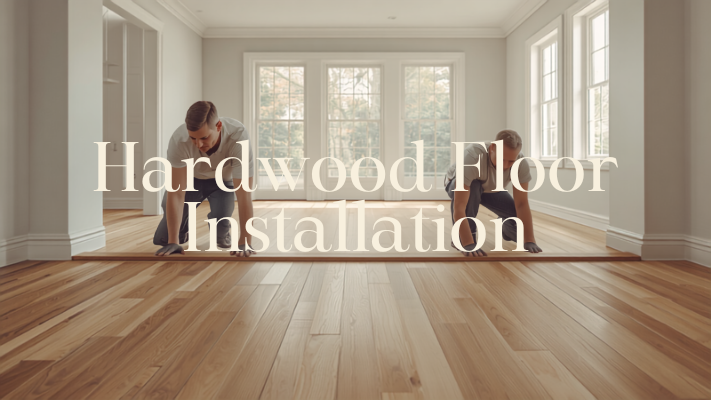
Thinking about getting new hardwood floors? It’s a big decision, and honestly, a lot goes into making them look good and last. You might be tempted to do it yourself to save a buck, but let me tell you, the results from a professional hardwood floor installation are usually way better. There’s a whole lot more to it than just laying down planks. From getting the floor ready to the final touches, there are tricks and tools that make a real difference. Let’s talk about why hiring pros for your professional hardwood floor installation is probably a smart move.
Key Takeaways
- Pros know how to prep your subfloor right, which is super important for how the wood sits.
- They have special tools for cutting and fastening that make the job go smoothly and look neat.
- Good installation means your floors won't warp or have gaps, making them last longer.
- Professional hardwood floor installation gets you that smooth, even look that’s hard to achieve otherwise.
- Hiring experts saves you time, avoids costly mistakes, and gives you peace of mind.
Expertise In Professional Hardwood Floor Installation
When you're looking at getting hardwood floors, it's easy to think it's just about laying down some planks. But honestly, there's a lot more to it than meets the eye. Professionals bring a level of know-how that really makes a difference in how your floor turns out and how long it lasts. It’s not just about having the right tools; it’s about knowing how and when to use them, and understanding the wood itself.
Understanding Subfloor Preparation
This is probably the most important step, and it's often overlooked by DIYers. The subfloor is the foundation for your new hardwood. If it's not right, nothing else will be.
- Checking for Levelness: The subfloor needs to be flat. Any bumps or dips can cause the hardwood to squeak or even warp later on.
- Moisture Control: Professionals know how to check for and deal with moisture issues. Too much dampness can ruin new wood floors.
- Structural Soundness: They'll make sure the subfloor is strong enough to support the weight of the hardwood and won't flex too much.
A solid, well-prepared subfloor is the bedrock of a beautiful and durable hardwood floor. Skipping or rushing this stage is a recipe for future problems, no matter how nice the wood looks initially.
Precise Wood Acclimation Techniques
Wood is a natural material, and it moves. It expands and contracts based on the humidity and temperature in your home. Professionals understand this behavior.
- Controlled Environment: They bring the wood into your home before installation, letting it sit for a specific period. This allows the wood to adjust to your home's typical conditions.
- Duration Matters: The acclimation time isn't random; it depends on the type of wood, the width of the planks, and the climate.
- Monitoring Conditions: They might even use tools to monitor the moisture content of the wood and the air.
Mastering Complex Layouts
Sometimes, you want more than just straight rows. Maybe you're thinking about a herringbone pattern, a custom border, or installing around tricky architectural features. This is where professional skill really shines.
- Pattern Planning: Professionals can visualize and plan intricate patterns, calculating cuts and angles precisely.
- Working with Obstacles: They know how to work around doorways, fireplaces, and other built-in elements without making it look awkward.
- Aesthetic Flow: They consider how the pattern will look as it moves through different rooms, creating a cohesive look.
The Value Of Professional Hardwood Floor Installation Tools
When you see a beautifully installed hardwood floor, it's easy to just admire the finished product. But behind that smooth, perfect surface is a set of tools that make all the difference. These aren't your average DIY store gadgets; they're specialized pieces of equipment that pros rely on. Using the right tools means the job gets done right, the first time.
Specialized Flooring Nailers
Forget about a hammer and nails. Professional installers use specific flooring nailers. These tools drive nails at just the right angle and depth to secure the wood planks firmly to the subfloor without damaging the wood itself. There are different types, like pneumatic and manual, each suited for various wood types and installation scenarios. Getting this right prevents boards from loosening later on.
Precision Cutting Equipment
Cutting hardwood isn't like slicing through butter. You need clean, accurate cuts, especially around doorways, vents, and irregular shapes. Pros use high-quality miter saws and table saws, often with specialized blades, to get those perfect edges. This precision means less gapping and a much cleaner look. It's all about making sure every piece fits like a puzzle piece. You can find some of these trending professional flooring tools here.
Advanced Moisture Meters
Wood is a natural material, and it reacts to its environment. Too much or too little moisture can cause big problems down the road, like warping or cupping. Professional installers use advanced moisture meters to check both the wood planks and the subfloor before installation begins. This step is super important for the floor's long-term health.
This careful measurement helps prevent issues that can pop up months or even years after the floor is laid. It's a behind-the-scenes step that really shows the difference between a quick job and a lasting installation. Skipping this can lead to headaches later.
These tools aren't just about making the job faster; they're about making it better. They allow for a level of accuracy and durability that's hard to achieve with basic equipment. It's an investment in the quality and longevity of your new floor.
Ensuring Longevity With Professional Installation
So, you've picked out some beautiful hardwood floors. That's great! But getting them installed right is a big deal if you want them to last. It’s not just about slapping boards down; there’s a lot more to it than meets the eye. Professionals know the tricks to make your floor stand the test of time.
Proper Expansion Gap Management
Wood moves. It expands when it's humid and shrinks when it's dry. If you don't leave a little wiggle room around the edges of the room, your floor can buckle or crack. It’s like giving the wood space to breathe.
- Why it matters: Prevents buckling, cupping, and lifting.
- How it's done: Installers measure and leave a consistent gap around walls, columns, and cabinets.
- What to look for: The gap is usually hidden by baseboards, but it's there, doing its job.
Secure Fastening Methods
How the boards are attached to the subfloor makes a huge difference. Using the right nails or staples, and putting them in the right spots, keeps everything tight and stable. This is where you really see the difference between a DIY job and a pro job. A well-fastened floor feels solid underfoot and won't develop squeaks later on.
Professionals use specific tools and techniques to make sure every single board is anchored down correctly. This isn't just about making it look good; it's about structural soundness.
Seamless Transitions Between Rooms
When you walk from one room to another, you don't want to trip or feel a jarring change. Professionals pay attention to how different flooring types meet. They install transition strips that are level and secure, making the flow between spaces smooth and safe. This attention to detail really ties the whole house together and makes it feel more polished. It’s a small thing that makes a big impact on the overall feel of your home, and it’s a key part of maximizing your flooring investment.
- What are transitions? Strips that bridge the gap between different flooring materials.
- Why they're important: Safety, aesthetics, and preventing snags.
- Pro tip: They should be installed flush with the surrounding flooring for the best look and feel.
Aesthetic Perfection Through Professional Installation
Look, anyone can slap some wood planks down, but making them look good? That's a whole different ballgame. Professional installers have an eye for detail that most of us just don't possess. They know how to make your new floor look like it was meant to be there from the start, not just an afterthought.
Flawless Board Alignment
This is where you really see the difference. Professionals take the time to make sure every single board is perfectly straight and lined up. No wonky edges, no weird gaps that look like they're about to swallow a dust bunny. They're meticulous about:
- Ensuring straight lines from wall to wall.
- Checking for and correcting any slight imperfections in the boards themselves.
- Maintaining consistent spacing, even in tricky corners.
Consistent Grain Matching
This is a big one for the overall look. You don't want a floor that looks like a random collection of wood scraps. Pros know how to arrange the planks so the wood grain flows naturally. They'll often lay out boards beforehand to plan the pattern, looking for:
- Patterns that repeat pleasingly.
- Avoiding awkward knots or blemishes in high-traffic areas.
- Creating a visual rhythm that makes the floor feel cohesive.
The way the wood grain flows across your floor can dramatically change the feel of a room. A well-matched grain pattern makes the space feel more expansive and polished, while a haphazard arrangement can make it feel busy and unfinished. It’s about creating a visual harmony that complements your home's design.
Expert Edge and Border Work
Finishing touches matter. Whether it's around a fireplace, a doorway, or a custom inlay, professionals handle these details with skill. They know how to cut and fit pieces precisely, making transitions look clean and intentional. This is where you really benefit from professional guidance from an experienced company. They can make even the most complicated designs look simple and elegant.
Avoiding Costly Mistakes With Professional Hardwood Floor Installation
Look, nobody wants to spend money on something and then have it fall apart or look bad, right? That's where hiring pros for your hardwood floors really shines. They know the little things that can turn a good job into a real headache later on. Getting it right the first time saves you a ton of grief and cash.
Preventing Warping and Cupping
This is a big one. Wood is a natural material, and it moves. If it's not handled right, you'll see it. Warping is when the boards twist, and cupping is when they bend upwards at the edges. It usually happens because of moisture issues or not letting the wood get used to your home's temperature and humidity before it's put down. Pros know how to check the moisture content of both the wood and your subfloor. They also understand how to manage the environment during installation. It's not just about slapping boards down; it's about respecting the material.
Minimizing Material Waste
Ever bought something for a DIY project and ended up with half a box left over, or worse, you didn't buy enough? With hardwood, that's expensive. Professionals are good at calculating exactly how much material you need, including a bit extra for cuts and mistakes. They plan out the layout to use the boards efficiently. This means fewer trips to the store and less money spent on wood you won't use. They also know how to make the most out of each piece, even the smaller cuts, sometimes using them in closets or other less visible areas. It's about smart planning and efficient material use.
Guaranteeing Structural Integrity
This ties into everything else. A floor that's installed poorly won't just look bad; it can actually be a structural problem. Think about squeaky floors, loose boards, or even damage to your subfloor. Professionals use the right fasteners, at the right spacing, and make sure the boards are properly secured to the subfloor. They also pay attention to how the floor connects to walls and other flooring types. This attention to detail means your floor will be solid, safe, and last for years. It's about building a foundation that's meant to last.
When you try to cut corners on hardwood installation, you're often just delaying the inevitable problems. Things like improper acclimation, poor subfloor prep, or using the wrong fasteners can lead to issues that are much harder and more expensive to fix down the road. It's like building a house on a shaky foundation – it might stand for a bit, but it's not going to end well.
So, while the upfront cost might seem higher, the long-term savings and the quality of the finished product make professional hardwood floor installation a really smart choice. You avoid the headaches of fixing mistakes and get a beautiful floor that adds real value to your home.
The Peace Of Mind From Professional Hardwood Floor Installation
Look, nobody wants to spend a ton of money on new floors only to have them look wonky or, worse, get damaged down the line. That's where hiring pros really shines. It's not just about getting the job done; it's about knowing it's done right, so you can just relax and enjoy your beautiful new floors.
Warranty Protection
Most reputable installation companies stand behind their work. This means if something goes wrong that's due to their installation (not, like, a flood or something), they'll fix it. It’s a pretty big deal.
- Peace of mind knowing your investment is protected.
- Covers potential installation errors.
- Often transferable if you sell your home.
Time Savings
Let's be real, installing hardwood floors is a big project. It takes time, effort, and a lot of patience. If you've got a busy life, trying to squeeze this in yourself or even managing a DIY crew can be a huge headache. Professionals have the systems in place to get it done efficiently.
Trying to DIY flooring can easily turn into a multi-weekend ordeal, often with unexpected problems popping up. You might think you're saving money, but the time you lose, plus the potential for mistakes, can really add up. It's often more cost-effective in the long run to let the experts handle it.
Reduced Stress
This is a big one. You're trusting someone with a significant part of your home's appearance and structure. When you hire professionals, you're buying into their experience and their process. This means fewer worries about:
- Making mistakes that cost you money.
- Dealing with difficult materials.
- The final look not being what you imagined.
It’s about handing over the hard parts so you can focus on the fun stuff, like picking out furniture to go with your gorgeous new floors.
Getting new hardwood floors installed can feel like a big project. But when you let the pros handle it, you can relax knowing it's done right. Professional installation means your floors will look amazing and last for years, without you having to worry about a thing. It's the best way to get that beautiful, worry-free look for your home. Ready to see how easy it can be? Visit our website today to learn more about our expert installation services!
So, Is It Worth It?
Look, nobody likes spending extra money if they don't have to. But when it comes to your floors, especially hardwood, getting it done right the first time really pays off. You avoid the headaches of DIY mistakes, like uneven boards or damage that costs more to fix later. Plus, a pro job just looks better, and that can make a big difference in how your home feels. Think of it as an investment in your house that you'll see and enjoy every single day. It’s not just about putting down wood; it’s about creating a solid, beautiful foundation that lasts.
Frequently Asked Questions
Why is it important to prepare the floor underneath before putting down hardwood?
Getting the subfloor ready is super important! It needs to be clean, flat, and dry. If it's not, your new wood floors might end up squeaky, uneven, or even start to warp. Pros know how to fix any problems before the wood goes down, making sure your floor looks great and lasts a long time.
How do pros make sure the wood won't get damaged by moisture?
Wood can swell or shrink if the moisture isn't right. Professional installers use special tools to check how wet the wood and the room are. They also let the wood sit in the house for a few days before installing it, so it gets used to the temperature and humidity. This stops it from buckling or cracking later on.
What makes professional installation better for the floor's lifespan?
Professionals know how to leave a little space around the edges of the room, called an expansion gap. This lets the wood expand and contract naturally with changes in the weather without getting damaged. They also use the right nails and techniques to secure the boards firmly, preventing them from coming loose over time.
How do installers make the wood floor look so perfect and neat?
It's all about the details! Pros are really good at making sure the wood boards line up perfectly straight. They also try to match the wood grain so it looks natural and flows nicely. Plus, they do a fantastic job with the edges and any borders, making the whole floor look polished and professional.
Can hiring a pro help me avoid making expensive mistakes?
Absolutely! Mistakes with hardwood floors can be costly. For instance, not leaving enough room for expansion can cause the floor to buckle. Also, pros are skilled at cutting the wood efficiently, which means less wasted material and less money spent. They ensure the floor is installed correctly so it doesn't cause problems with your home's structure.
What kind of peace of mind comes with professional installation?
Hiring experts means you don't have to worry as much. They usually offer a warranty on their work, so if something goes wrong, they'll fix it. They also save you a ton of time and effort. Instead of struggling with tools and tricky steps, you can relax knowing your beautiful new wood floor is being installed by people who know exactly what they're doing.