Hardwood Floor Refinishing vs Replacement: Cost Comparison for Spring
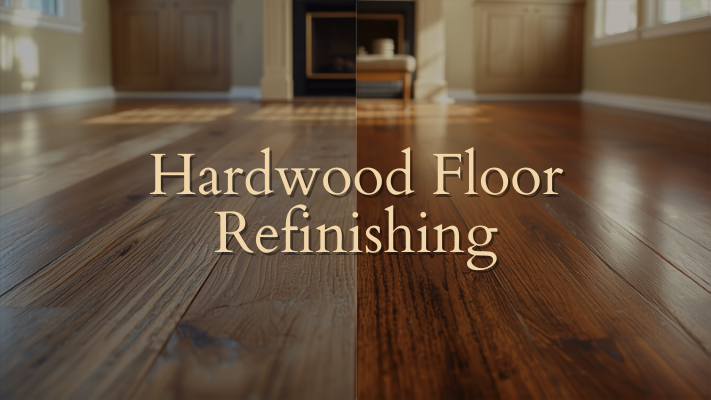
Thinking about giving your hardwood floors a facelift this spring? It's a common question: should you refinish what you have or go for a whole new look with replacement? Both options can make a big difference in your home, but they come with different price tags and involve different amounts of work. We'll break down the hardwood floor refinishing cost versus the replacement cost, so you can figure out what makes the most sense for your wallet and your home.
Key Takeaways
- Refinishing hardwood floors is usually much cheaper than replacing them. The average hardwood floor refinishing cost can be a fraction of the price of installing new floors.
- Factors like the size of the area, the type of wood, and whether you DIY or hire a pro heavily influence the hardwood floor refinishing cost.
- Replacing your floors means buying all new materials and paying for installation, which adds up quickly. Keep an eye out for hidden costs with replacement projects.
- Refinishing is a good choice if your floors are in decent shape, just showing wear, or if you want to keep the original charm of your home. It's often the better financial move for minor issues.
- When floors have severe damage, rot, or are an outdated style you can't fix, replacement might be the only practical, though more expensive, option. Also, be aware that spring can sometimes mean higher prices due to demand.
Understanding Hardwood Floor Refinishing Cost
So, you're thinking about giving your old hardwood floors a facelift? That's great! Refinishing can really bring a room back to life without the huge expense of replacing everything. But before you get too excited, let's talk about what goes into the cost. It's not just a simple paint job; there's more to it than meets the eye.
Factors Influencing Refinishing Expenses
Several things can nudge the price of refinishing your floors up or down. Think about the size of the area, of course, but also the type of wood you have. Some woods are harder to work with, which means more time and effort for the pros. The condition of the floor is a big one too. Are there deep scratches, water stains, or old finishes that are really stubborn?
- Square Footage: The bigger the space, the more materials and labor needed.
- Wood Type: Exotic or very hard woods might cost more to sand and finish.
- Current Floor Condition: Deep damage or multiple old finishes can increase labor.
- Desired Finish: High-end stains or specialized sealants can add to the price.
The complexity of the job really dictates the final bill. If you have a lot of nooks and crannies, or stairs involved, that's going to take longer than a simple rectangular room.
Average Hardwood Floor Refinishing Cost Breakdown
When you get a quote, it's usually broken down per square foot. This helps you get a general idea, but remember it's an average. You might see costs ranging from around $3.50 to $6.50 per square foot, depending on where you live and the factors we just talked about. This typically covers the sanding, staining (if you choose to stain), and sealing process. It's good to know that sometimes, a simple screen and recoat might be all that's needed, which is less expensive than a full sanding. You can find more details on refinishing hardwood floors to see how pricing can vary.
DIY vs. Professional Refinishing: A Cost Perspective
Now, the DIY route might seem tempting to save some cash. You can rent the sanders and buy the supplies yourself. However, it's a lot of work. Renting equipment can add up, and if you make a mistake, you might end up paying more to fix it or hiring a pro anyway. Plus, those big floor sanders are heavy and can easily damage your floor if you're not careful. Professionals have the right tools and the experience to get it done right the first time, often saving you headaches and potential costly errors.
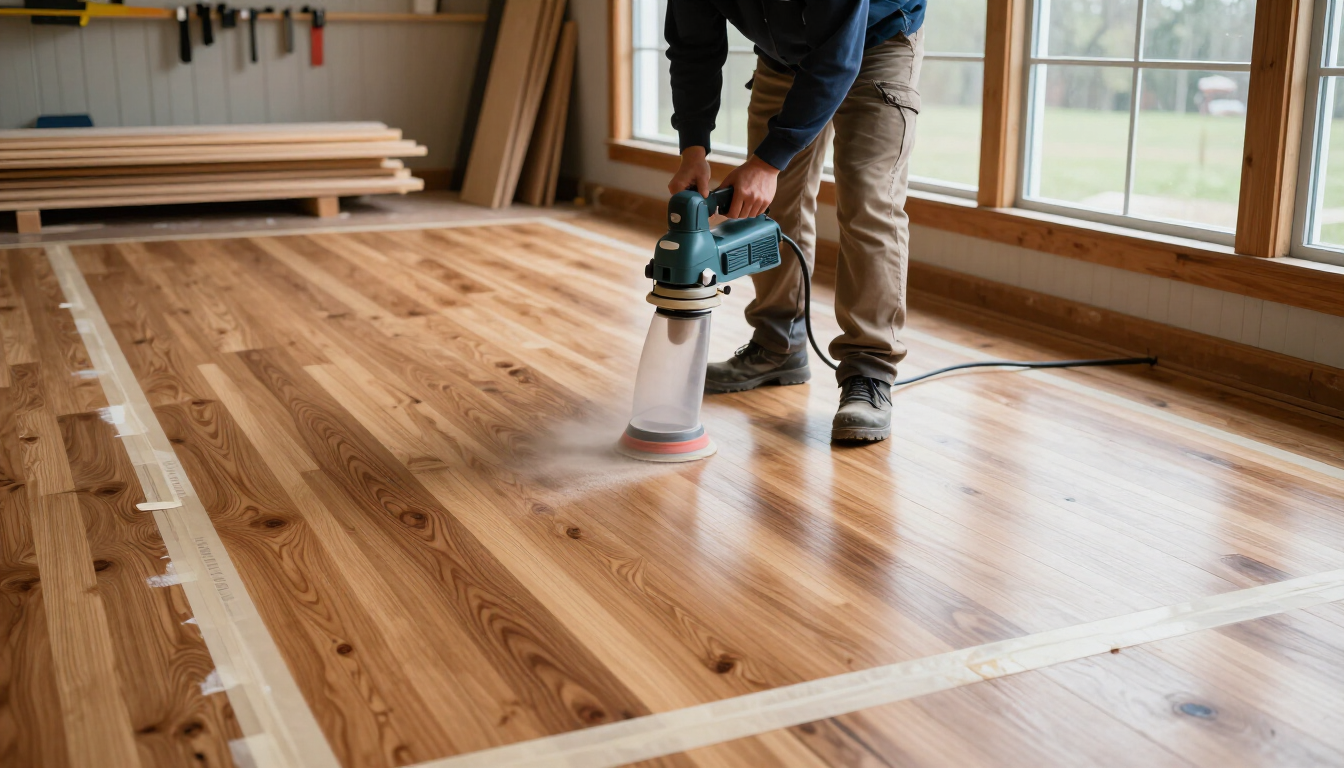
Refinishing involves multiple steps: sanding down the old finish, cleaning thoroughly, applying stain if desired, and then sealing with multiple coats of protective finish. Each step requires specific techniques and drying times, and rushing any part can compromise the final look and durability.
So, while DIY might look cheaper on paper, weigh the cost of materials, equipment rental, your time, and the risk of mistakes against the price of hiring someone who knows what they're doing.
Assessing Hardwood Floor Replacement Cost
So, you're thinking about ditching your old hardwood floors for something brand new? That's a big decision, and honestly, it's usually the pricier route compared to refinishing. When you go for a full replacement, you're not just paying for new wood; there's a whole lot more that goes into the final bill. It's important to get a clear picture of all the costs involved before you commit.
The Price Tag of New Flooring Materials
This is often the biggest chunk of the replacement cost. The type of wood you choose makes a huge difference. Solid hardwood is generally more expensive than engineered hardwood, but both can add up quickly. Then there are other flooring options like luxury vinyl plank (LVP) or laminate, which might be cheaper upfront but have their own pros and cons.
- Solid Hardwood: Can range from $5 to $15+ per square foot, depending on the species (oak, maple, walnut, etc.) and the finish.
- Engineered Hardwood: Typically falls between $4 to $12 per square foot, offering more stability in different humidity levels.
- Other Options (LVP, Laminate): Often start around $2 to $7 per square foot, providing budget-friendly alternatives.
Don't forget about the underlayment, transition strips, and any special treatments needed for your subfloor. These little extras can add up.
Labor Charges for Full Floor Replacement
Beyond the materials, you've got labor. This isn't a quick job. Removing the old flooring, preparing the subfloor, and then installing the new material takes time and skill. The complexity of your room layout, the type of new flooring, and the installer's rates all play a role. Expect labor costs to be a significant portion of the total project expense.
Here's a general idea of what labor might cover:
- Removal of Old Flooring: This includes hauling away the old material.
- Subfloor Preparation: Checking for levelness, making repairs, and cleaning.
- Installation of New Flooring: Laying down the new planks or tiles.
- Finishing Touches: Installing baseboards, quarter-round, and transition pieces.
Hidden Costs Associated with Replacement Projects
Sometimes, the surprises aren't pleasant. You might discover issues with your subfloor once the old flooring is up. Water damage, rot, or unevenness can mean extra repair work, which adds to the bill. You might also need to adjust or replace baseboards if the new flooring has a different thickness. And if you're changing the style of flooring, you might need to consider how it transitions to other rooms or even update doorways.
Replacing your floors can also mean moving furniture out and back in, which might require hiring movers or spending a weekend doing it yourself. Factor in the potential disruption to your daily life, too – you might not be able to use certain rooms for a few days.
Comparing Refinishing vs. Replacement Expenses
So, you're weighing whether to give your hardwood floors a facelift or just go for a whole new look. It's a big decision, and honestly, the cost is usually a major factor. Let's break down what you're really looking at.
Direct Cost Comparison: Refinishing vs. Replacement
When you look at the numbers side-by-side, refinishing almost always comes out cheaper upfront. We're talking about sanding down the old finish, fixing minor dings, and applying a fresh coat. Replacement, on the other hand, involves ripping out the old stuff and installing entirely new flooring. This means paying for new materials, which can add up fast, plus all the labor.
Here's a rough idea of what you might see:
- Refinishing: Typically costs between $1,000 to $3,000 for an average-sized room.
- Replacement: Can range from $3,000 to $7,000 or even more, depending on the type of wood and complexity.
The price difference can be significant, making refinishing a more budget-friendly option for many homeowners.
Long-Term Value: Investment vs. Expense
It's not just about the immediate hit to your wallet. Think about what you're getting for your money. Refinishing can actually add value to your home by restoring the natural beauty of existing hardwood. It's like giving your floors a second life, preserving their character and often their original charm.
Replacement, while giving you a fresh start, might be more of an expense if the existing floors were in decent shape. However, if your current floors are beyond repair or just not your style anymore, replacement is the way to go, and it can definitely boost your home's appeal and market value.
Sometimes, the cheapest option today isn't the best value down the road. It's worth considering how each choice impacts your home's overall appeal and potential resale price. A well-done refinish can look amazing and save you a ton of cash, while a stylish new floor can be a great selling point later on.
When Refinishing Makes Financial Sense
Sometimes, you just don't need to go all out and replace your floors. Refinishing can be a fantastic option, especially when your hardwood still has good bones. It's often the smarter financial move if you're looking to refresh your space without breaking the bank. The key is assessing the actual condition of your existing floors.
Preserving Original Character and Value
Original hardwood floors often add a certain charm and historical feel to a home that new floors just can't replicate. If your floors are original to the house, they might be made of wood species that are no longer readily available or are prohibitively expensive. Refinishing lets you keep that unique character. It's not just about looks, either; original hardwood can be a significant selling point, adding real value to your property.
Refinishing helps maintain this value by:
- Keeping the original wood species and patina.
- Retaining the historical integrity of your home.
- Often being less disruptive than a full replacement.
Refinishing is essentially giving your existing floors a new lease on life. It's about restoration, not just cosmetic changes. Think of it like restoring an antique piece of furniture – you're bringing out its inherent beauty and strength.
Minor Damage and Wear Considerations
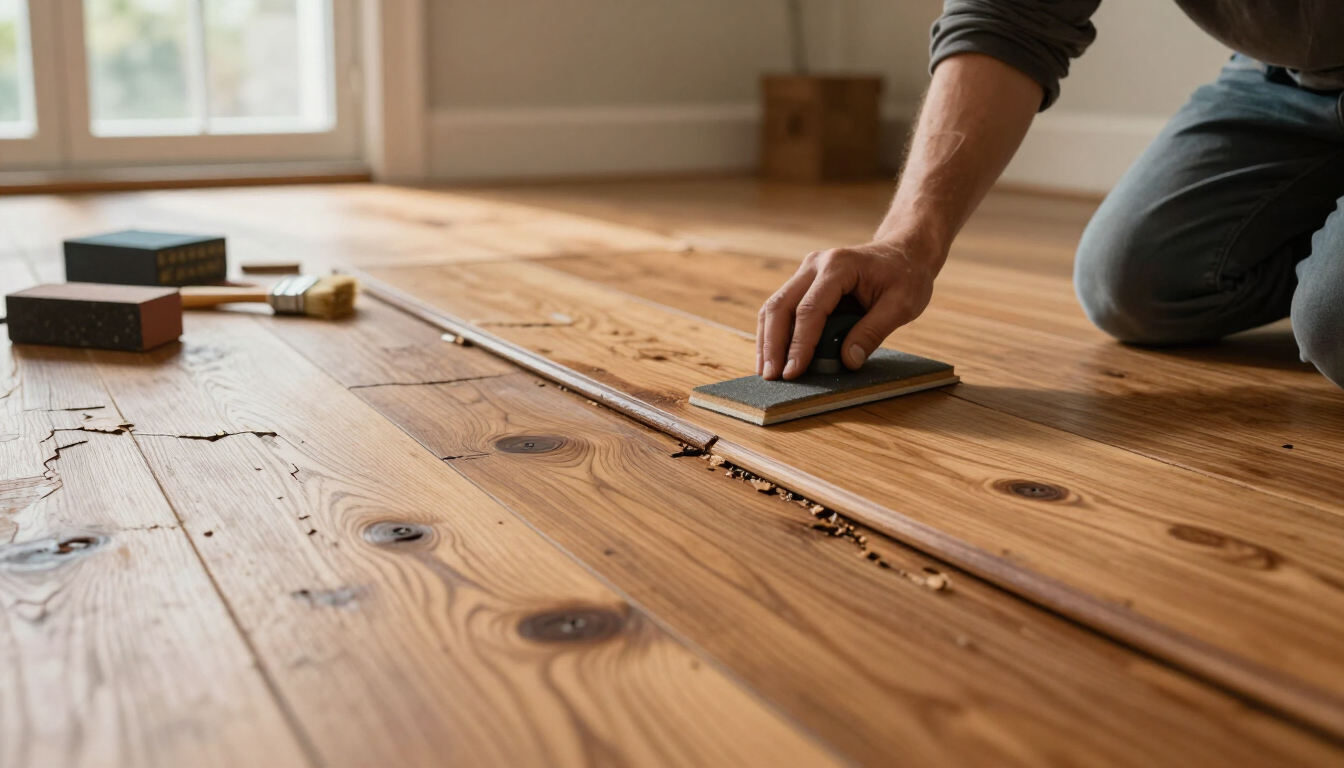
If your floors have surface-level issues like scratches, scuffs, fading, or a dull finish, refinishing is usually the perfect solution. These are common problems that happen with everyday living. A professional refinishing job can sand away these imperfections and apply a fresh protective coat, making your floors look almost new again. It's ideal for floors that haven't suffered from major structural problems like widespread water damage or rot.
Consider refinishing when you notice:
- Surface scratches and scuffs from pets or furniture.
- Fading due to sun exposure.
- A worn-out or dull protective finish.
- Minor discoloration in high-traffic areas.
If the damage is mostly superficial and the wood planks themselves are still solid and sound, refinishing is almost always the more economical and sensible choice compared to a complete tear-out and replacement.
When Replacement Becomes the Prudent Choice
Sometimes, no matter how much you sand and buff, a hardwood floor has just seen better days. It's not always about saving a few bucks; there comes a point where putting more money into old floors just doesn't make sense. If your floors are really beat up, or if they're just not working with your home's style anymore, it might be time to think about starting fresh.
Severe Damage and Structural Issues
When you start seeing more than just surface scratches, it's a sign that refinishing might not cut it. Think about these kinds of problems:
- Warping or Cupping: This happens when the wood planks swell and then shrink unevenly, often due to moisture problems. Refinishing won't fix the underlying issue, and the floor will likely keep looking bad.
- Extensive Water Damage: Big spills or leaks can cause wood to rot or become permanently stained. If the damage goes deep into the wood, sanding might not be enough to get rid of it, and the affected areas could be weak.
- Insect Infestation: Pests like termites or powderpost beetles can do serious damage to the wood's structure. You might see small holes or tunnels. Refinishing won't kill the pests or repair the structural weakness they've caused.
- Deep Gouges and Holes: If you've got large holes or deep cuts from heavy furniture or accidents, these can be hard to fill perfectly. Sometimes, the patched areas just don't look right after refinishing.
If the subfloor beneath your hardwood is also damaged, that's a whole other level of repair that refinishing won't touch. You're looking at a much bigger job than just the surface wood.
Outdated Styles and Unsalvageable Floors
Beyond just damage, sometimes the floor itself is the problem. Maybe the style is just so last century it clashes with everything else in your home. Or perhaps the wood is just too thin to be refinished multiple times.
- Very Thin Wood: Older floors, especially those installed with glue or as veneer over other materials, might be too thin to sand down more than once or twice. If they're already worn, another refinishing could take off too much material, leaving them vulnerable.
- Unpopular or Damaged Wood Species: Some wood types or finishes might have been popular years ago but are now considered dated. If you're trying to update your home's look, a floor that doesn't fit the current style can be a major hurdle.
- Multiple Layers of Old Finishes: Sometimes, floors have been refinished so many times that layers of old paint, varnish, or other finishes are built up. Getting through all of that can be tough and might not yield a good result.
Ultimately, if the cost and effort of trying to fix severely damaged or outdated floors start to outweigh the price of new flooring, replacement is usually the smarter move. It gives you a chance to pick a style you love and start with a fresh, solid foundation.
Springtime Considerations for Flooring Projects
Seasonal Demand and Pricing Fluctuations
Spring is a popular time for home improvement projects, and that includes hardwood floors. As the weather warms up, people start thinking about refreshing their living spaces. This increased demand can sometimes mean longer wait times for contractors and potentially higher prices. It's wise to book your refinishing or replacement project well in advance if you're aiming for a spring completion.
- Contractor Availability: Many flooring pros get booked up quickly in spring.
- Material Stock: While less common for standard hardwoods, specialty items might see temporary shortages.
- Price Adjustments: Some companies might adjust their rates due to higher demand.
Planning ahead is key. If you're set on a spring project, start getting quotes and making arrangements in late winter or early spring to secure your preferred contractor and timeline.
Preparing Your Home for Spring Flooring Work
Regardless of whether you're refinishing or replacing, getting your home ready is important. Spring often brings more open windows and doors, which can be a double-edged sword for flooring work. Dust from refinishing can easily spread, and new flooring needs a stable environment to settle properly.
Here’s a quick checklist to get your home prepped:
- Declutter: Move furniture, rugs, and decor away from the work area. This saves the crew time and protects your belongings.
- Protect Other Areas: Use plastic sheeting and painter's tape to seal off doorways leading to other rooms, especially if you're refinishing. This helps contain dust.
- Ventilation Plan: Think about how you'll manage airflow. Refinishing involves fumes, so good ventilation is a must, but you also need to control dust.
- Pet and Child Safety: Keep pets and young children away from the work area during the project and for the recommended drying/curing times afterward.
Spring is a great time to start new flooring projects. As the weather warms up, it's easier to get work done around the house. Think about giving your home a fresh look with new floors this season. Ready to explore your options? Visit our website to see all the beautiful flooring choices we offer and get inspired for your springtime home makeover!
So, What's the Verdict?
Alright, so we've looked at the numbers for refinishing versus replacing your hardwood floors this spring. For most folks, giving those tired floors a good sanding and a fresh coat of finish is going to be the way to go. It saves a good chunk of change, and honestly, you can get them looking pretty darn good again. Replacement is a bigger job, and yeah, it costs more, but sometimes, if your floors are really beat up or you're set on a totally new look, it might be worth the splurge. Think about what you can afford and what you really want your floors to look like. That'll help you make the right choice for your home.
Frequently Asked Questions
How much does it usually cost to refinish hardwood floors?
The price can change a lot depending on the size of your room and the condition of the wood. Generally, you might expect to pay anywhere from $1,000 to $3,000 for a standard-sized room. Some jobs could be a bit cheaper if you do some work yourself, while really tough jobs might cost more.
What's the difference in price between refinishing and replacing floors?
Replacing your floors is almost always more expensive. Refinishing is like giving your current floors a makeover, costing much less than buying all new wood and installing it. Think of it as a deep clean and polish versus buying a brand-new outfit.
Are there extra costs I should know about for floor replacement?
Yes, sometimes! You might have to pay to remove and haul away the old flooring. Also, if they find problems with the subfloor underneath, that can add to the bill. It's good to ask your contractor about these possibilities upfront.
When is it better to just refinish my floors instead of replacing them?
If your floors are solid wood, even if they have scratches or look dull, refinishing is usually the way to go. It's a great option if you love the look of your current wood and just want to refresh it. It's also much cheaper and quicker than putting in new floors.
What kind of damage means I really need new floors?
If the wood is badly warped, rotted, or has deep gouges that go all the way through, it might be too far gone to fix. Also, if the floors are made of a very thin veneer that can't be sanded down, or if you want a completely different look that refinishing can't achieve, then replacement is probably best.
Does the time of year affect the cost of flooring projects?
Sometimes! Spring and summer can be busier times for home improvement. This means contractors might be in higher demand, and prices could go up a little. Booking your project earlier in the spring or later in the season might help you get better rates.