Solid vs Engineered Hardwood: What Works Best in the South?
Choosing the right hardwood flooring for your home in the South can be a bit tricky. The region's unique climate, with its heat and humidity, plays a big role in how different types of wood will hold up over time. We're going to break down the differences between solid hardwood and engineered hardwood to help you make the best choice for your Southern home. It's all about finding a floor that looks great and lasts.
Key Takeaways
- Solid hardwood is one piece of wood, offering a classic look but sensitive to moisture.
- Engineered hardwood has layers, making it more stable in humid Southern climates.
- Consider how moisture and temperature changes in the South might affect your flooring choice.
- Both types have different installation needs and can be maintained with regular cleaning.
- When comparing solid vs engineered hardwood, engineered often handles Southern weather better, though both can be beautiful and add value.
Understanding Solid Hardwood Flooring
So, you're thinking about hardwood floors, huh? Let's talk about the classic choice: solid hardwood. It's pretty much what it sounds like – planks made from a single piece of wood, all the way through. This is the stuff that gives old houses that certain charm, you know? It's a natural material that brings a unique warmth and character to any room.
What Is Solid Hardwood?
Basically, each plank of solid hardwood flooring is milled from one solid piece of timber. Think oak, maple, cherry – whatever you fancy. Because it's all one piece, it has a certain depth and feel that you just don't get with other types of flooring. It's the traditional way flooring was done for ages, and for good reason. It's a real wood product, through and through.
Pros Of Solid Hardwood
There are some pretty good reasons people still love solid hardwood. For starters, it looks amazing. It adds a real touch of class and can make a home feel more valuable. Plus, since it's solid wood, you can sand it down and refinish it multiple times over its life. This means a good solid hardwood floor can literally last for generations. It's also great for indoor air quality because it doesn't off-gas chemicals like some synthetic flooring options can. And if you're looking to boost your home's resale value, solid hardwood is definitely a winner.
Cons Of Solid Hardwood
Now, it's not all sunshine and roses. Solid hardwood can be more expensive upfront compared to other flooring types. It's also pretty sensitive to changes in humidity and temperature. If the moisture levels in your home swing wildly, the wood can expand and contract, leading to gaps or even warping. This makes it a bit tricky for places like basements or bathrooms where moisture is a bigger concern. Installation can also be a bit more involved, often requiring nailing or stapling the planks down to a subfloor.
When considering solid hardwood, think about the environment where it will be installed. Extreme humidity or drastic temperature shifts can really impact its longevity and appearance. It's a beautiful material, but it does require a stable climate to perform its best.
If you're curious about the different types of wood available, checking out hardwood flooring options can give you a better idea of the variety.
Exploring Engineered Hardwood Flooring
What Is Engineered Hardwood?
Engineered hardwood flooring is a bit of a clever construction. Instead of being one solid piece of wood, it's made of several layers. The top layer, the one you actually see and walk on, is a thin veneer of real hardwood. Beneath that, you've got layers of plywood or high-density fiberboard (HDF) stacked crosswise. This cross-ply construction is what gives engineered hardwood its stability. It's designed to be more forgiving with changes in temperature and humidity compared to its solid counterpart. Think of it like plywood, but with a fancy hardwood top.
Pros Of Engineered Hardwood
There are some good reasons why people choose engineered hardwood. For starters, it's generally more stable. This means it's less likely to warp, expand, or contract with everyday changes in your home's environment. This makes it a solid choice for areas where solid hardwood might struggle, like basements or kitchens. Installation can also be a bit simpler, and it often comes with a more budget-friendly price tag. Plus, you still get that authentic wood look.
- Increased Stability: Resists warping and cupping due to humidity.
- Versatile Installation: Can be installed in more places than solid wood.
- Cost-Effective: Often less expensive than solid hardwood.
- Eco-Friendly Options: Some products use recycled materials or sustainably sourced wood.
Cons Of Engineered Hardwood
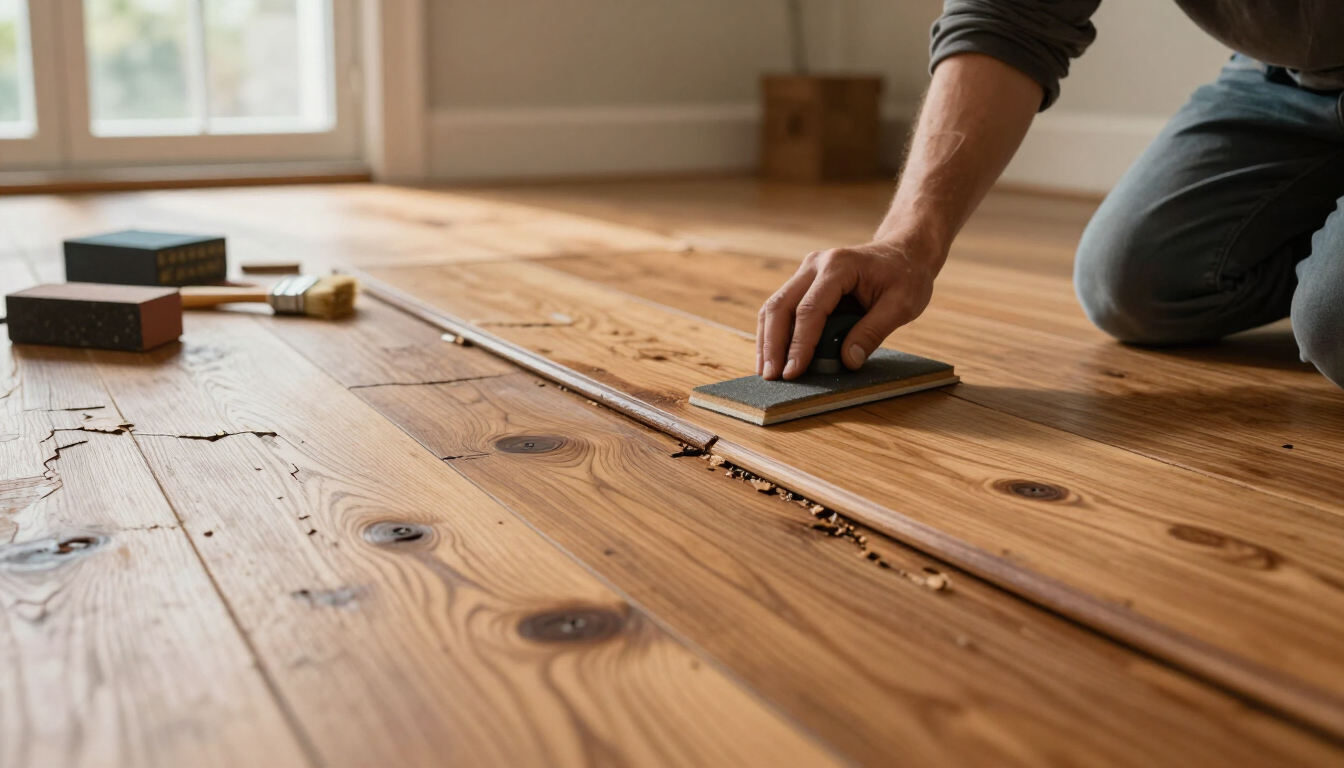
While engineered hardwood has its perks, it's not perfect. The biggest limitation is how many times you can refinish it. Because the top layer is a thin veneer, you can only sand it down a limited number of times. If you have deep scratches or significant wear, you might not be able to restore it to its original glory. Also, not all engineered wood is created equal; the quality of the veneer and the core layers can vary a lot. You need to be mindful of the thickness of that top wear layer.
The lifespan of an engineered hardwood floor is heavily dependent on the thickness of its top wear layer and the quality of its core construction. A thicker wear layer means more potential for sanding and refinishing, extending the floor's life. Cheaper options might have a very thin veneer that can be easily damaged, limiting its longevity.
- Limited refinishing potential.
- Veneer thickness varies greatly by product.
- Can be damaged by excessive moisture if not properly sealed.
Solid Vs Engineered Hardwood: Durability In The South
Moisture And Humidity Concerns
The Southern climate is known for its humidity, and this can be a real challenge for hardwood floors. Solid hardwood, being a natural material, is more susceptible to changes in moisture. It can expand when it's damp and contract when it's dry. This constant movement can lead to cupping, gapping, or even cracking over time, especially if the humidity levels fluctuate a lot. Engineered hardwood, on the other hand, is built differently. Its layered construction, with a real wood veneer on top and a core of plywood or high-density fiberboard underneath, makes it much more stable. This cross-grain construction helps it resist the effects of moisture and humidity better than solid wood. So, if you're in a part of the South that's often damp, engineered might be the smarter choice to avoid those annoying floor issues.
When choosing flooring for the South, think about how the material will react to the weather. It's not just about looks; it's about how long the floor will last without problems.
Temperature Fluctuations
Similar to humidity, temperature swings can also stress hardwood floors. While not as dramatic as in some other regions, the South does experience seasonal changes. Solid hardwood will react to these temperature shifts, potentially leading to the same expansion and contraction issues seen with moisture. Engineered hardwood's layered design provides greater stability against these changes too. The core layers act as a buffer, reducing the impact of temperature variations on the top wood layer. This means less risk of your floor looking warped or damaged due to the weather.
Wear And Tear Resistance
Both solid and engineered hardwood can be quite durable, but their resistance to wear and tear can differ based on the specific product and installation. Solid hardwood, especially if it's a harder wood species like oak or hickory, can stand up well to daily foot traffic. However, a deep scratch can go all the way through the plank. Engineered hardwood's wear layer, the top veneer of real wood, can vary in thickness. A thicker wear layer will offer better resistance to scratches and dents. For high-traffic areas in the South, consider the wear layer thickness of engineered wood or opt for a very hard species of solid wood. Both types can be prone to scratches from pet claws or furniture, so protective measures are always a good idea.
Key takeaway: Engineered wood often has a slight edge in stability, making it a more forgiving option for the variable Southern climate.
Installation Considerations For Southern Homes
Subfloor Requirements
When you're putting in new hardwood floors, the surface underneath, your subfloor, really matters. For both solid and engineered hardwood, a flat, dry, and stable subfloor is key. In the South, where humidity can be a real issue, you'll want to pay extra attention to moisture levels. A good vapor barrier is often a smart move, especially if you're installing over a crawl space or concrete slab. Make sure the subfloor is clean, free of old adhesives or nails, and that any squeaks are fixed before you start laying planks. A solid foundation means your beautiful new floor will last much longer.
Installation Methods
There are a few ways to get your hardwood down. Solid hardwood is typically nailed or stapled down to a wooden subfloor. Engineered hardwood offers more flexibility. It can be glued down, stapled down, or even floated. Floating means the planks are joined together but not attached to the subfloor, which can be a quicker method. The best method often depends on the type of hardwood you choose, your subfloor, and the specific room you're working in. For example, gluing down engineered wood can be a good option for basements or concrete slabs where nailing isn't possible.
DIY Vs Professional Installation
So, can you tackle this yourself? Well, it depends. If you're handy and have the right tools, a DIY installation might save you some money. However, hardwood flooring installation isn't always as simple as it looks. Getting the planks perfectly straight, dealing with tricky cuts around doorways or vents, and making sure everything is properly secured takes practice. In the South, with its unique climate challenges, a professional installer will know how to account for humidity and temperature changes, which can really affect how your floor settles. Getting it wrong can lead to gaps, buckling, or other problems down the road.
Working with hardwood requires patience and precision. It's not a weekend project for the faint of heart. If you're unsure about any step, it's usually better to call in someone who does this for a living. They have the experience to avoid common pitfalls and ensure a beautiful, lasting finish that can handle the Southern climate.
Maintenance And Care For Both Types
Cleaning Solid Hardwood
Keeping solid hardwood floors looking good is pretty straightforward, but you do need to be a bit careful. The main thing is to avoid excess water. Spills should be wiped up right away. For regular cleaning, a dry dust mop or a vacuum cleaner with a soft brush attachment works wonders. If you need to do a damp mop, make sure the mop is barely wet – think damp, not soaked. Use a wood floor cleaner that's specifically made for hardwood. Avoid abrasive cleaners or anything with ammonia, as these can damage the finish over time.
- Sweep or vacuum regularly to remove grit and dust.
- Wipe up spills immediately with a soft cloth.
- Use a damp mop (well wrung out) with a pH-neutral wood floor cleaner for deeper cleaning.
A little bit of regular attention goes a long way in keeping your solid hardwood looking its best for years to come.
Cleaning Engineered Hardwood
Engineered hardwood is generally a bit more forgiving when it comes to cleaning, but the same basic rules apply: less water is better. Because of its layered construction, excessive moisture can seep into the core and cause issues. Just like solid hardwood, dry dusting or vacuuming with a soft brush is your best bet for daily upkeep. For tougher spots, use a cleaner designed for engineered wood floors. Some manufacturers even recommend specific cleaning products, so it's always a good idea to check your warranty or the manufacturer's website.
- Daily dusting with a microfiber mop or vacuum is recommended.
- Address spills promptly to prevent them from soaking in.
- For cleaning, use a wood floor cleaner approved for engineered hardwood.
Refinishing Options
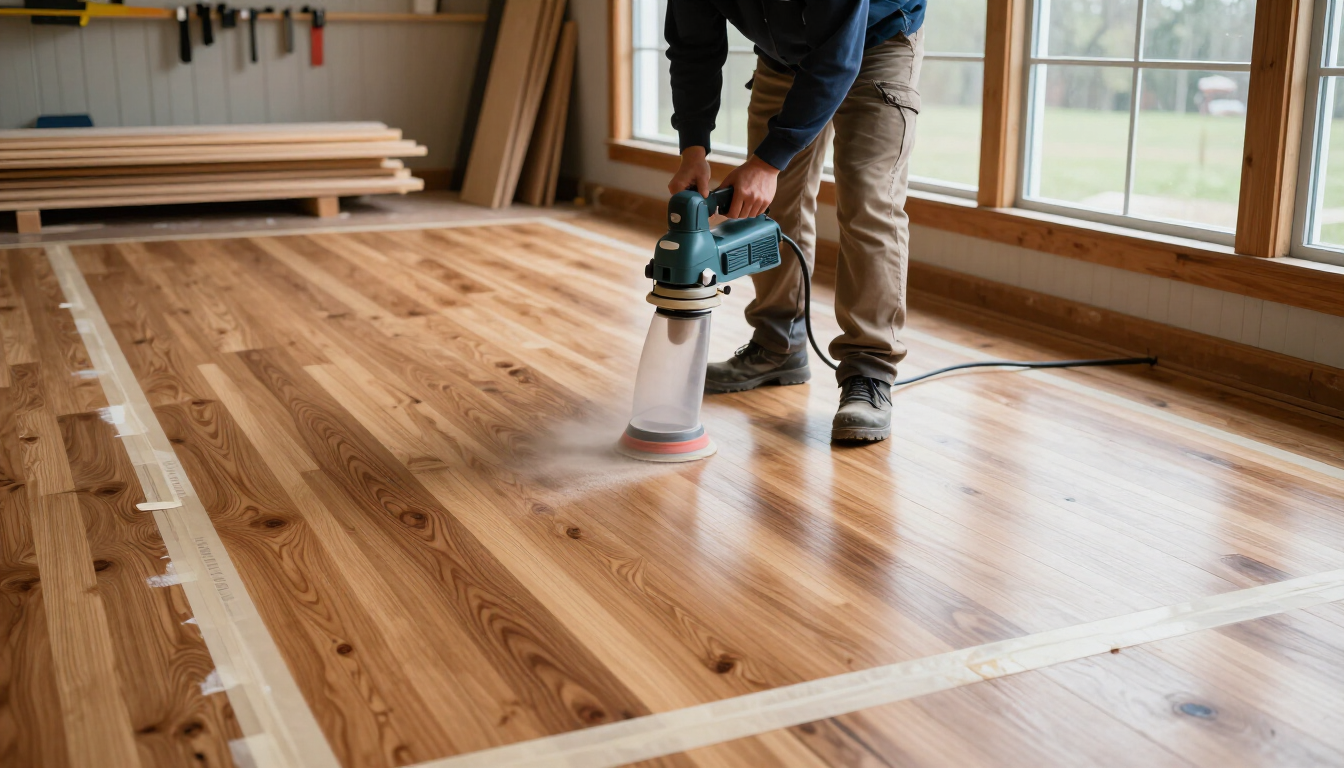
This is where solid and engineered hardwood really differ. Solid hardwood can be sanded down and refinished multiple times throughout its life. This means you can completely change the look of your floor or repair deep scratches and wear. Engineered hardwood, on the other hand, has a limited number of refinishes, if any. The top layer, or veneer, is what you see, and once that's sanded through, you're down to the core layers. So, while you can often do a light screen and recoat on engineered wood to refresh the finish, a full sanding and refinishing is usually not an option or is very limited.
- Solid hardwood can be sanded and refinished many times.
- Engineered hardwood has a limited refinishing capability based on veneer thickness.
- A screen and recoat can refresh the finish on both types without heavy sanding.
Aesthetic Appeal And Value
Design Versatility
When it comes to looks, both solid and engineered hardwood can really make a house feel like a home. Solid hardwood, with its natural grain and character, offers a timeless beauty that many people just love. It comes in a wide range of species, like oak, maple, and cherry, each with its own unique color and pattern. Engineered hardwood, on the other hand, is super versatile. It's made with a real wood veneer on top, so it looks just like solid wood, but the layers underneath give it more stability. This means you can find it in all sorts of finishes, widths, and even colors that might be harder to get with solid wood. Plus, engineered options often come pre-finished, which can save you a lot of time and mess during installation.
Resale Value Impact
Having hardwood floors, whether solid or engineered, is generally a big plus when you decide to sell your home. Buyers often see it as a sign of quality and good upkeep. It's one of those features that can make your place stand out from others on the market. While solid hardwood has traditionally been seen as the premium choice, the quality and realistic look of modern engineered hardwood mean it's also highly regarded by potential buyers. The key is that the flooring looks good and is well-maintained. A worn-out floor, no matter the type, won't add much value.
Cost Comparison
Let's talk money. Generally, solid hardwood flooring tends to be more expensive upfront than engineered hardwood. This is because you're getting a thicker piece of solid wood. Engineered hardwood, with its layered construction, can often be more budget-friendly, especially when you factor in installation. However, the price can vary a lot depending on the species of wood used for the veneer, the quality of the construction, and the brand. It's worth getting quotes for both types in your specific area, as labor costs can also play a big role in the final price. Remember to also consider the long-term value and how many times each type can be refinished, which can affect the overall cost over many years.
When you're weighing your options, think about the total cost of ownership. This includes not just the initial purchase and installation, but also how long the floor is expected to last and what maintenance it will require. A slightly more expensive option upfront might save you money down the line if it lasts longer or requires less upkeep.
Beautiful floors can really make a house feel like a home. They add a special touch that makes your space look amazing and feel more valuable. Imagine walking into a room with stunning hardwood floors – it just feels right, doesn't it? We can help you achieve that look. Visit our website to see how we can enhance your home's beauty and worth.
So, Which Wood Wins in the South?
Alright, so we've looked at solid and engineered hardwood, and honestly, both have their good points, especially when you think about our Southern climate. Solid wood brings that classic, timeless look and can be sanded down many times, which is pretty neat if you want to change things up later. But, engineered wood? It’s built to handle humidity better, which is a big deal down here where things can get pretty damp. It’s also usually a bit easier on the wallet and can go in more places, like basements. For most folks in the South, engineered hardwood might just be the smarter pick because it’s more forgiving with the weather. But if you’re all about that traditional feel and plan to stay put for ages, solid wood is still a solid choice. Think about your own home, your budget, and what you really want the floor to do for you.
Frequently Asked Questions
What exactly is solid hardwood flooring?
Solid hardwood flooring is made from a single, solid piece of wood, like oak or maple. It's thick and has a natural beauty that many people love. Because it's all one piece of wood, it can be sanded down and refinished many times over its lifespan.
How is engineered hardwood different from solid hardwood?
Engineered hardwood is built in layers. The top layer is real wood, but underneath are several layers of plywood or high-density fiberboard glued together. This layered construction makes it a bit more stable and less likely to warp when the weather changes.
Which type of flooring handles moisture better in humid Southern climates?
Engineered hardwood generally handles moisture and humidity better than solid hardwood. Its layered structure helps it resist expanding and contracting as much when the air gets damp, which is common in the South.
Can solid hardwood floors be refinished?
Yes, absolutely! Since solid hardwood is made from a single piece of wood all the way through, you can sand off the old finish and any scratches and apply a new one. This means you can refresh the look of your floors or fix damage multiple times.
Is engineered hardwood flooring as durable as solid hardwood?
Both types can be very durable, but in different ways. Solid hardwood can be refinished many times, giving it a long life. Engineered hardwood is strong because of its layered build and is often more resistant to changes in temperature and humidity, which can be a big plus in the South.
Which flooring type is usually easier to install?
Engineered hardwood is often considered a bit easier to install, especially for DIY projects. Many types can be floated, meaning they don't need to be nailed or glued directly to the subfloor. Solid hardwood usually requires more careful installation, often involving nailing it down.