Spring Cleaning Tips That Protect Your Hardwood Floors
Spring is here, and with it comes the urge to clean. But when it comes to your beautiful hardwood floors, a little extra care goes a long way. This guide will walk you through the best ways to tackle your spring cleaning without damaging your floors, keeping them looking great for years to come. We'll cover everything from dusting and mopping to deeper cleaning and how to prevent future issues. Get ready for a fresh start for your home and your floors!
Key Takeaways
- Clear clutter before you start your hardwood floor cleaning spring routine to make sure you can reach every spot.
- Use gentle dusting tools like microfiber mops and be careful when vacuuming to avoid scratches.
- Choose the right cleaner for your hardwood floors and use a damp mop, not a soaking wet one.
- Tackle tough spots and scuffs carefully, and know when it might be time for professional help.
- Protect your floors with rugs and mats, and keep pet nails trimmed to prevent scratches.
Prepare Your Home For Spring Hardwood Floor Cleaning
Before you even think about grabbing a mop or a spray bottle, let's get your home ready for a proper spring clean of those beautiful hardwood floors. It’s not just about the cleaning itself, but setting yourself up for success.
Clear Clutter To Maximize Access
This is probably the most straightforward step, but it's so important. You can't clean what you can't reach, right? Start by moving smaller items like chairs, side tables, and floor lamps out of the way. For larger furniture, consider shifting it just enough to get to the edges of the room. The goal is to create open space so you can move freely and clean thoroughly. Think about it – you don't want to be awkwardly maneuvering around furniture with a mop, potentially bumping into things and making more of a mess. A clear floor means a faster, more effective clean.
Protect Furniture During Cleaning
While you're moving things, think about protecting your furniture. If you're shifting pieces, especially heavier ones, consider placing a blanket or drop cloth underneath the legs to prevent scratches on your floors. If you're doing a more intensive clean, like a deep scrub, you might want to cover the lower parts of your furniture with plastic sheeting or old sheets. This is especially true if you're worried about any cleaning solutions splashing or dripping. It’s a little extra effort, but it saves you from potential damage.
Gather Essential Hardwood Floor Cleaning Supplies
Having everything you need at hand before you start will make the whole process much smoother. You don't want to be halfway through cleaning and realize you're out of cleaner or don't have the right kind of mop. Here’s a quick list to get you started:
- A good quality microfiber mop (these are great for hardwood).
- A pH-neutral cleaner specifically designed for hardwood floors.
- A vacuum cleaner with a soft brush attachment or a setting for hard floors.
- Soft cloths or towels for spot cleaning and drying.
- A bucket for your cleaning solution.
Having all your tools ready means you can transition from one step to the next without interruption. It turns a chore into a more manageable task.
Taking these preparatory steps will make your actual cleaning process so much easier and more effective. Happy cleaning!
Gentle Dusting Techniques For Spring Hardwood Floor Cleaning
Spring cleaning is a great time to give your hardwood floors some extra attention, and dusting is the first step. You don't want to just push dust around; you want to actually pick it up. Getting rid of loose dirt and grit before you mop is key to preventing scratches.
Microfiber Mop Magic
Microfiber mops are your best friend here. The fibers in these mops are designed to grab and hold onto dust particles. Just a dry sweep across your floors will pick up a surprising amount of debris. It's a simple step, but it makes a big difference in how clean your floors look and feel.
Vacuuming With Care
If you prefer vacuuming, make sure you use the right settings. Most vacuums have a setting for hard floors or can be adjusted to turn off the beater bar. The beater bar can scratch your wood if it's spinning too fast or has hard bristles. Always check your vacuum's manual to be sure. It's better to be safe than sorry when it comes to your floors.
Reaching High Dust Accumulations
Don't forget about those places where dust likes to settle. Think about the tops of baseboards, window sills, and even the edges of your furniture. A soft brush attachment on your vacuum or a long-handled duster can help you reach these spots without having to move heavy items. Keeping these areas clean stops dust from falling onto your freshly cleaned floors later.
Regular dusting prevents abrasive particles from scratching the finish of your hardwood floors. It's a simple habit that protects your investment over time. Think of it as a gentle shield against everyday wear and tear.
Effective Mopping Strategies For Spring Hardwood Floor Cleaning
Choosing The Right Hardwood Floor Cleaner
When it comes to spring cleaning your hardwood floors, picking the right cleaner is half the battle. You don't want something that leaves a sticky residue or dulls the finish. Look for pH-neutral cleaners specifically designed for hardwood. Many brands offer gentle formulas that work well without harsh chemicals. Avoid anything with ammonia or bleach, as these can damage the wood over time. Sometimes, a simple solution of water and a tiny bit of mild dish soap can do the trick, but always test it in an inconspicuous spot first.
The Damp Mop Method
This is where you really get into the nitty-gritty of spring cleaning. The key here is damp, not wet. You want your mop to be barely moist, just enough to pick up dirt and grime without saturating the wood. Start at the farthest corner of the room and work your way backward towards the exit so you don't walk on freshly mopped areas. Rinse your mop frequently in clean water to avoid spreading dirt around.
Here's a simple process to follow:
- Prepare your cleaning solution: Mix your chosen hardwood floor cleaner with water according to the product's instructions.
- Dampen your mop: Dip your mop into the solution and wring it out thoroughly. It should feel almost dry to the touch.
- Mop in sections: Work in small, manageable sections, moving with the grain of the wood.
- Rinse and wring: Rinse your mop in a separate bucket of clean water and wring it out again before dipping back into the cleaning solution.
- Repeat: Continue this process until the entire floor is clean.
Remember, excessive water is the enemy of hardwood floors. It can seep into the seams, causing swelling, warping, and long-term damage. Always err on the side of caution and use as little moisture as possible.
Dealing With Stubborn Spots
Sometimes, regular mopping just won't cut it, especially after a long winter. For those tougher spots, like dried mud or sticky spills, you'll need a slightly more targeted approach. Don't scrub aggressively, as this can scratch the finish. Instead, try applying a small amount of your hardwood cleaner directly to a soft cloth and gently rub the spot. For really persistent marks, a paste made of baking soda and water can sometimes work wonders, but again, use it sparingly and rinse the area thoroughly afterward. Always test any spot-cleaning method in a hidden area first to ensure it doesn't damage your floor's finish.
Deep Cleaning Considerations For Spring Hardwood Floor Care
Addressing Scuff Marks And Stains
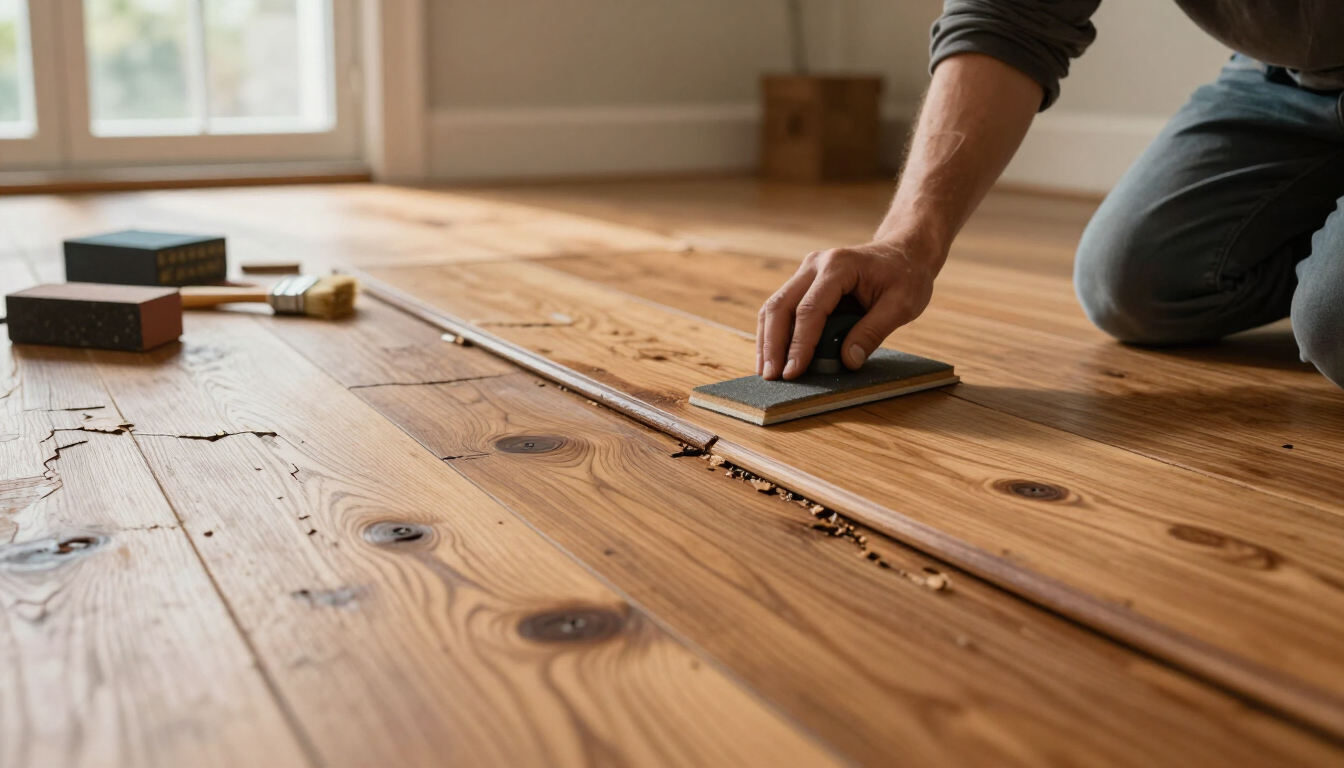
Spring cleaning often uncovers those little marks and spots that have accumulated over the year. For light scuffs, a clean tennis ball can sometimes work wonders – just gently rub the affected area. For tougher stains, like ink or pet accidents, you might need a specialized hardwood floor cleaner. Always test any cleaner in an inconspicuous spot first. If a stain has really set in, you might need to use a very fine grit sandpaper (like 220-grit) very gently on the spot, then reapply a matching finish. It’s a bit of a delicate process, so proceed with caution.
When To Consider Professional Refinishing
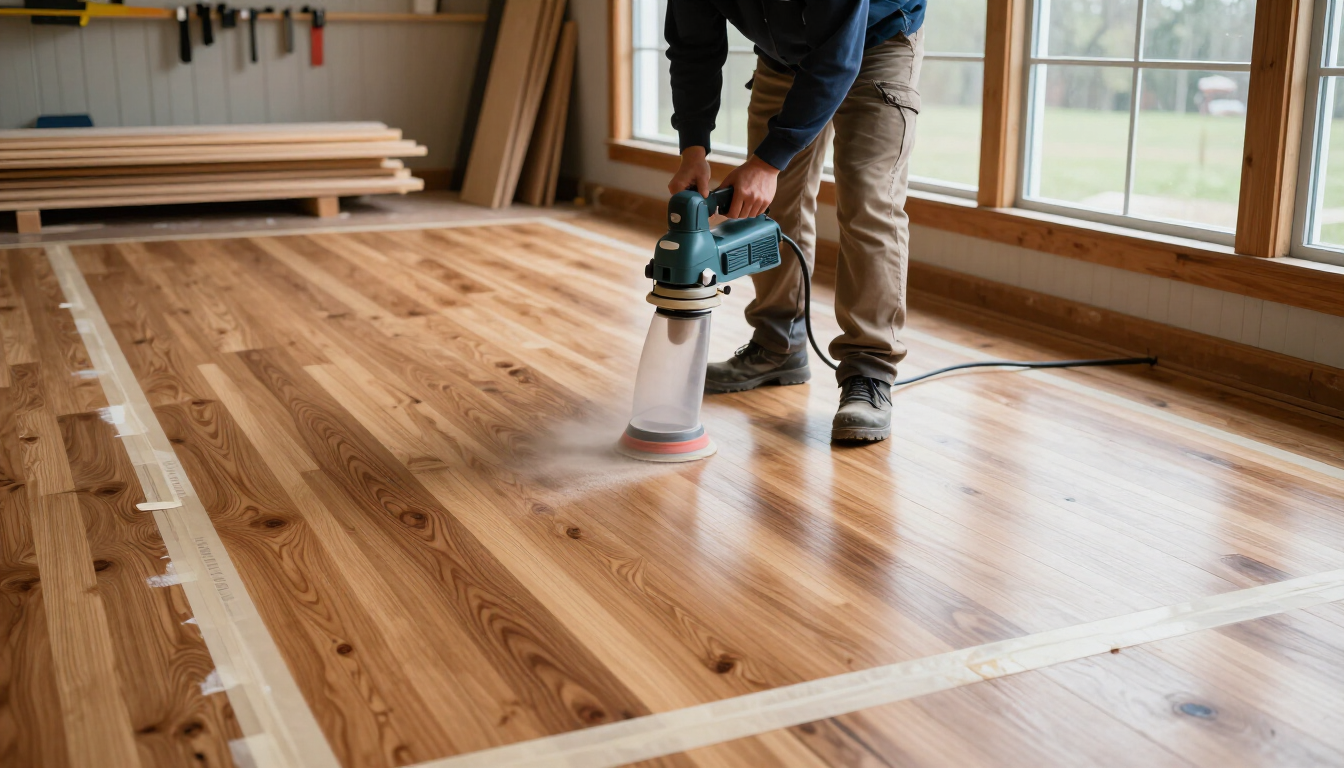
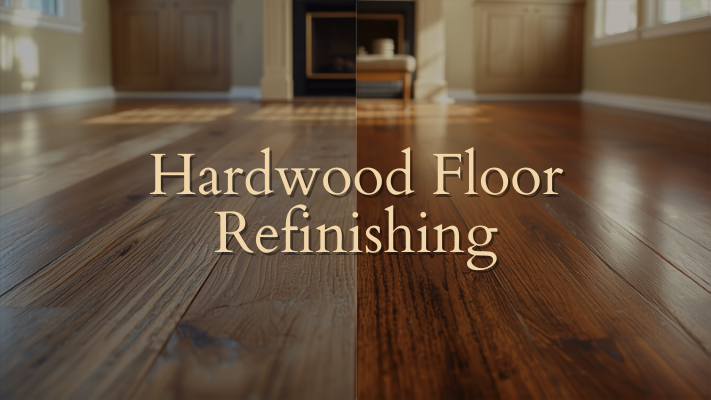
Sometimes, despite your best efforts, your hardwood floors might be showing significant wear and tear. Deep scratches, widespread fading, or areas where the finish has completely worn away are signs that professional refinishing might be in order. This process involves sanding down the entire floor to bare wood and then applying a new protective finish. It’s a bigger job and can be costly, but it can make old floors look brand new again. If you’re seeing a lot of dullness or the wood itself looks damaged, it’s probably time to get a quote from a pro.
Maintaining Your Hardwood Floor's Sheen
Keeping that lovely shine on your hardwood floors after a good clean is all about regular upkeep. Avoid harsh chemicals or abrasive cleaners, as they can dull the finish over time. Stick to pH-neutral cleaners specifically designed for hardwood. Regular dusting and prompt attention to spills are your best defense. For a bit of extra sparkle, some manufacturers offer polishing products that can be used occasionally, but always check your floor's warranty and manufacturer recommendations before using anything extra.
Regular maintenance is key to preserving the beauty and longevity of your hardwood floors. Small, consistent efforts can prevent the need for more intensive repairs down the line.
Preventative Measures For Long-Term Hardwood Floor Health
Using Area Rugs Strategically
Area rugs are your hardwood floors' best friends when it comes to preventing wear and tear. Think of them as little shields. They absorb a lot of the foot traffic that would otherwise grind dirt and grit into your floor's finish. Placement is key here. Focus on high-traffic zones like hallways, living room seating areas, and entryways. When choosing rugs, opt for those with a soft backing or consider adding a rug pad. This prevents the rug from sliding and also adds a layer of protection against scratches from the rug itself. It's a simple step that makes a big difference over time.
Implementing Entryway Mats
This one might seem obvious, but it's worth repeating. Mats at every entrance to your home are non-negotiable for protecting your hardwood. People track in all sorts of things – dirt, sand, salt in the winter, and moisture. These elements are abrasive and can quickly dull your floor's finish.
- Place a durable mat outside each exterior door.
- Follow up with another absorbent mat just inside the door.
- Encourage everyone, including yourself, to wipe their feet thoroughly before stepping onto the hardwood.
Don't underestimate the power of a good mat. It's the first line of defense against the daily onslaught of outdoor debris. A little effort here saves a lot of floor-care headaches later.
Trimming Pet Nails Regularly
If you have furry friends running around, their nails can be a surprising source of scratches and dents. Even small pets can cause damage over time. Regular nail trims are a simple yet effective way to minimize this risk.
- Get your pet used to nail trims from a young age if possible.
- Use sharp, quality nail clippers designed for your pet's size.
- If you're unsure, ask your vet or a groomer to show you the proper technique.
Keeping those claws a bit shorter means less chance of them snagging or scratching the surface of your beautiful hardwood floors. It's a small act of pet care that pays off for your flooring.
Seasonal Hardwood Floor Maintenance Checklist
Keeping your hardwood floors looking great year-round involves a little more than just a spring clean. It's about consistent care tailored to the changing seasons. Think of it like tending a garden; different tasks are needed at different times to keep things healthy and vibrant.
Spring Cleaning Tasks
- Give your floors a thorough cleaning. This is the big one after a winter of being cooped up inside. Start by clearing out any clutter that's accumulated. Then, use a good quality hardwood floor cleaner and a damp mop to remove dirt and grime. Pay attention to corners and edges where dust bunnies love to hide.
- Address any scuff marks or minor scratches that appeared over the winter months. A specialized hardwood floor cleaner or a touch-up kit can often do wonders.
- Check for any moisture issues, especially if you had snow or ice tracked in frequently. Make sure there's no lingering dampness that could harm the wood.
Summer Protection Tips
- Be mindful of moisture. Summer often brings humidity and the possibility of spills from outdoor activities. Wipe up spills immediately and consider using a dehumidifier if your home tends to get muggy.
- Use rugs and mats at entrances to catch dirt and moisture before it gets tracked onto your floors.
- Keep furniture legs protected with felt pads to prevent scratches when rearranging for summer gatherings.
Fall Preparation
- Prepare for the influx of outdoor debris. As leaves start to fall, more dirt and grit will find their way inside. Increase your sweeping or vacuuming frequency.
- Consider applying a protective polish or wax if your floors need an extra layer of defense before winter. This can help repel dirt and moisture.
- Inspect your floors for any damage that might have occurred over the summer, like dents or deep scratches, and address them before the harsh winter weather sets in.
Winter Floor Care
- Manage indoor humidity. Winter heating can dry out the air, which can cause hardwood floors to contract and potentially crack. Using a humidifier can help maintain a stable moisture level.
- Use mats and rugs generously, especially in high-traffic areas and near doorways, to catch snow, salt, and mud.
- Avoid harsh cleaning chemicals. Stick to gentle, pH-neutral cleaners designed for hardwood. Never let water stand on your floors.
Consistent, seasonal maintenance is key to preserving the beauty and longevity of your hardwood floors. It's not just about cleaning; it's about protecting them from the specific challenges each season brings. A little proactive care goes a long way in keeping your floors looking their best for years to come.
Keeping your hardwood floors looking great all year round is simple with our seasonal maintenance guide. From spring cleaning to winter prep, we've got tips to protect your beautiful floors. Want to learn more about keeping your floors in top shape? Visit our website for expert advice and services!
Keep Your Floors Looking Great
So, that's a wrap on spring cleaning for your hardwood floors. It might seem like a lot of work, but taking these simple steps can really make a difference. Your floors will not only look better, but they'll also last longer. Plus, you won't have to worry about scratches or damage from harsh cleaning methods. Happy cleaning!
Frequently Asked Questions
What's the best way to start spring cleaning my hardwood floors?
Before you start any cleaning, it's a good idea to clear out any clutter. This makes it much easier to get to every part of your floor. Also, think about covering up your furniture to keep it safe from any cleaning drips or dust.
What tools do I really need for cleaning hardwood floors?
You'll want a few key things. A microfiber mop is fantastic for grabbing dust without scratching. A vacuum cleaner with a special setting for hard floors is also helpful. Don't forget a good cleaner made specifically for hardwood, and maybe a soft brush for tough spots.
How often should I mop my hardwood floors in the spring?
For regular cleaning, mopping once a week is usually enough. However, if you notice spills or muddy footprints, it's best to clean those up right away. Over-mopping can actually harm your wood, so stick to 'damp,' not 'wet.'
What if I find really tough stains or scuff marks?
For scuff marks, try rubbing them gently with a pencil eraser or a tennis ball. For tougher stains, you might need a special hardwood floor cleaner designed for spot treatment. Always test any cleaner in a hidden spot first to make sure it doesn't damage the finish.
Are there things I can do to stop my floors from getting dirty so quickly?
Yes! Putting down doormats at all entrances is a big help. Also, using area rugs in high-traffic spots like the living room or hallway catches dirt and protects the wood underneath. If you have pets, keeping their nails trimmed can prevent scratches.
When should I think about getting my hardwood floors professionally cleaned or redone?
If your floors have a lot of deep scratches, are looking dull no matter what you do, or have water damage, it might be time for professional help. They can buff out marks or even refinish the floors to make them look new again.