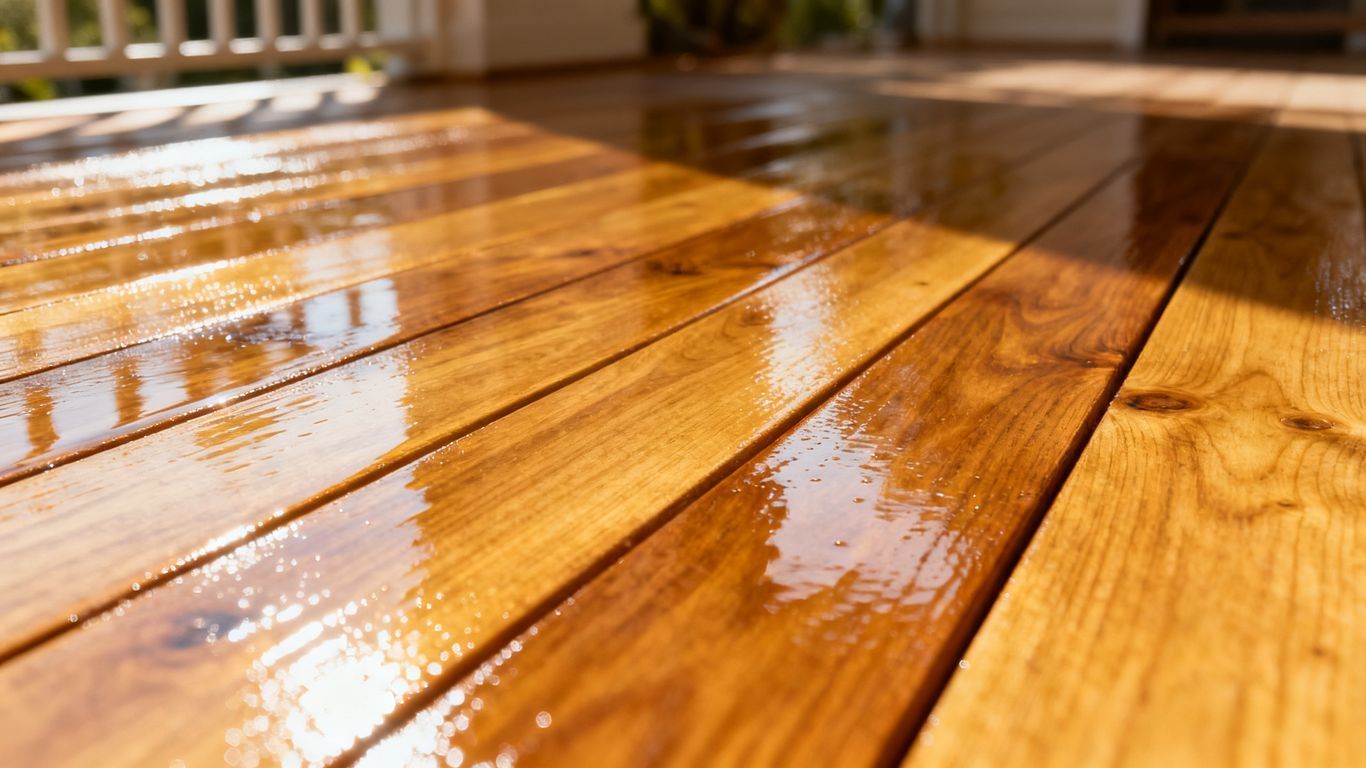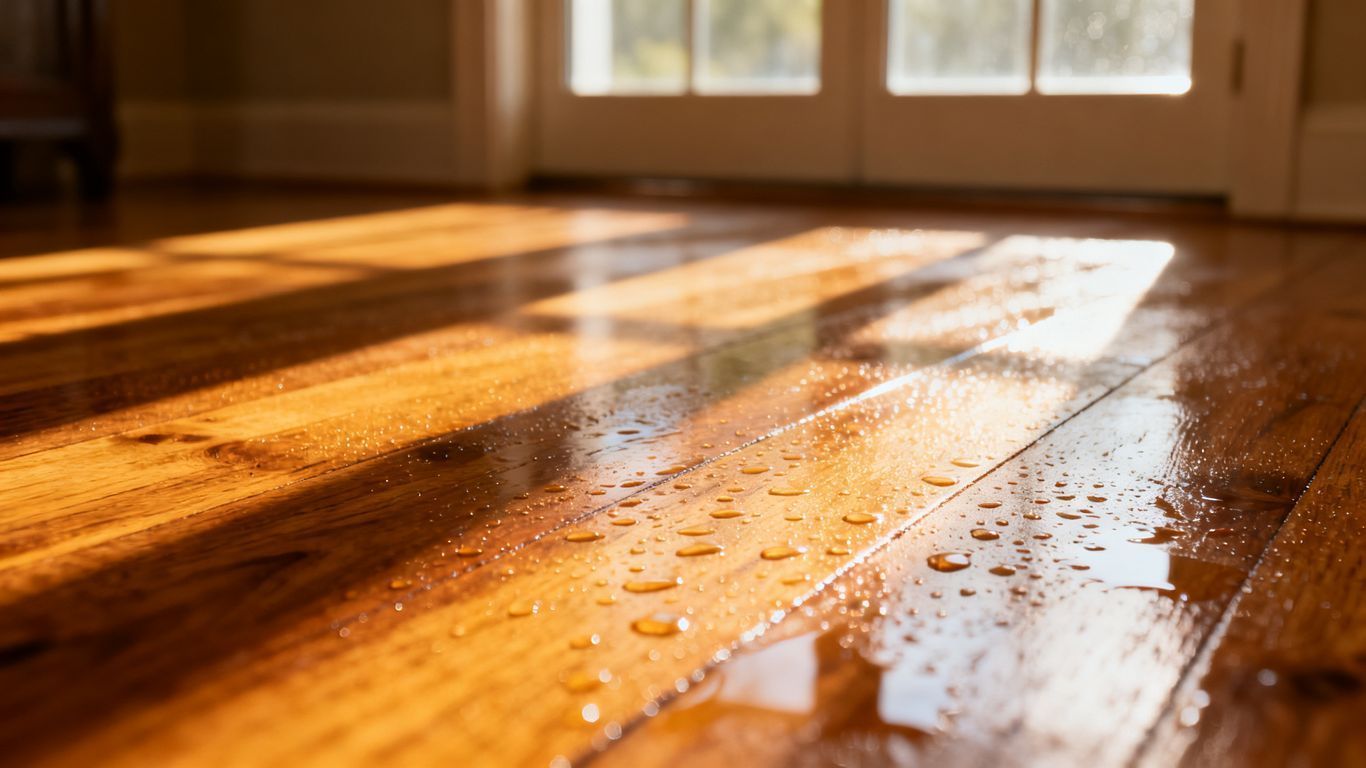
Protecting Your Hardwood Floors From Dry Winter Air in North Georgia Homes

North Georgia winters can be beautiful, but that dry air? It's not so kind to your hardwood floors. When the temperature drops and the heating systems kick on, the moisture in your wood can literally shrink away. This can lead to all sorts of problems, from annoying gaps to more serious damage. But don't worry, keeping your floors looking good through the cold months is totally doable. We'll go over some simple steps you can take to protect your hardwood floors winter brings.

Key Takeaways

  • Dry winter air pulls moisture from wood, causing floors to shrink and potentially crack.
  • Keeping your home's humidity between 35-55% helps protect hardwood floors from winter dryness.
  • Use humidifiers and a hygrometer to manage indoor moisture levels effectively.
  • Clean floors gently with minimal water and use rugs and mats to shield high-traffic areas.
  • Address any existing damage like gaps or cracks promptly to prevent further issues.

Understanding Winter's Impact On Hardwood


Winter in North Georgia can be tough on your beautiful hardwood floors. When the temperatures drop, so does the humidity inside our homes, and wood, being a natural material, reacts to this change. It's not just about aesthetics; it's about the health of your flooring.

The Science Behind Dry Air And Wood

Wood is hygroscopic, meaning it absorbs and releases moisture from the surrounding air. Think of it like a sponge. When the air gets dry, the wood starts to release its own moisture to try and balance things out. This process causes the wood planks to shrink. This shrinking is the primary culprit behind many common winter floor problems. The degree of shrinkage depends on the type of wood, its grain, and how much moisture it loses. It's a natural process, but one we need to manage.

Recognizing Signs Of Dryness In Your Floors

So, how do you know if your floors are suffering from the dry winter air? Keep an eye out for a few tell-tale signs:

  • Gaps between floorboards: As the wood shrinks, the planks pull away from each other, creating visible gaps. These can appear and disappear somewhat with seasonal humidity changes, but persistent gaps are a concern.
  • Cupping or crowning: This is when the edges of the wood planks are higher than the center (cupping) or the center is higher than the edges (crowning). It's a sign of uneven moisture loss or gain within the plank itself.
  • Squeaky floors: Dry wood can rub against itself or the subfloor, leading to those annoying squeaks every time you walk across a room.
  • Cracking or splintering: In severe cases, the wood can become so dry and brittle that small cracks or splinters might appear, especially along the grain.

It's important to remember that wood movement is normal. However, extreme or prolonged dryness can lead to damage that's harder to fix. Paying attention to these signs early can save you a lot of trouble down the line.

Don't let the winter weather wreak havoc on your investment. Understanding how dry air affects your hardwood is the first step to keeping it looking great all year round.

Maintaining Optimal Humidity Levels

Okay, so we've talked about how dry winter air can mess with your beautiful hardwood floors. Now, let's get into what you can actually do about it. The main goal here is to keep the humidity in your home at a steady, comfortable level. This is the single most effective way to prevent your floors from shrinking, cracking, or developing those annoying gaps.

Using Humidifiers To Protect Hardwood Floors

Think of a humidifier as a little helper for your floors. When the air gets too dry, especially from your heating system working overtime, wood loses moisture. A humidifier puts that moisture back into the air. You've got a few options:

  • Portable Humidifiers: These are great for individual rooms. You can move them around where you need them most, like in the living room where your main floor space is.
  • Whole-House Humidifiers: These hook directly into your HVAC system. They're more of an investment, but they keep the humidity consistent throughout your entire home without you having to lift a finger.
  • Steam Humidifiers: These boil water to create steam. They can be really effective but might use more energy.

Strategic Placement Of Humidifiers

Where you put your humidifier matters. You don't want to blast moisture directly onto the wood, as that can cause localized swelling or damage. Instead, aim for:

  • Placing portable units in open areas of rooms, away from direct contact with the floor.
  • Ensuring whole-house systems are properly installed by a professional to distribute air evenly.
  • Avoiding placing them right next to furniture or walls where moisture could get trapped.

The idea is to create a balanced environment. Too much humidity is just as bad as too little, so consistency is key. You're aiming for that sweet spot where the wood feels stable and happy.

Monitoring Humidity With A Hygrometer

How do you know if you're hitting that sweet spot? You need a hygrometer. This is a small, inexpensive device that measures the humidity level in the air. You can get digital ones that are super easy to read. Keep one in the main living area and check it regularly. Most experts recommend keeping indoor humidity levels between 35% and 55% during the winter months. If your hygrometer shows it's dipping too low, it's time to turn up the humidifier. If it goes too high, you might need to adjust your humidifier settings or even open a window for a bit.

Proper Cleaning Techniques For Winter


Winter cleaning for your hardwood floors needs a bit of a gentle touch. The dry air we talked about can make wood more brittle, so we want to avoid anything that could cause damage.

Gentle Cleaning to Protect Hardwood Floors

When it comes to keeping your floors looking good during the colder months, think less is more. Harsh chemicals or too much scrubbing can really wear down the finish, especially when the wood itself is already a bit stressed from the dry air. Stick to cleaning methods that are mild and don't require a lot of elbow grease.

Here’s a good way to approach it:

  • Dust regularly: Use a soft-bristle broom or a microfiber dust mop. This picks up grit and dust before it can scratch the floor.
  • Spot clean spills immediately: Don't let liquids sit. A quick wipe with a slightly damp cloth is usually enough.
  • Use pH-neutral cleaners sparingly: If you need to do a more thorough clean, opt for a cleaner specifically made for hardwood floors. Always dilute it according to the instructions and use it very infrequently.

The biggest mistake people make is thinking that more cleaning means a cleaner floor. With hardwood, especially in winter, it's about the right kind of cleaning, not necessarily the most cleaning.

Avoiding Excessive Moisture During Cleaning

This is probably the most important rule for winter hardwood floor care. Water and wood don't always play nicely together, and during winter, this is even more true. Too much moisture can cause the wood to swell, leading to gaps between boards when it dries out, or even worse, cupping or warping.

So, what does this mean for your cleaning routine?

  1. Damp, not wet: Always wring out your mop or cloth until it's barely damp. You should be able to run your hand over the floor right after mopping and it should feel almost dry.
  2. Work in sections: Clean a small area at a time and dry it immediately with a clean, dry cloth or towel. This prevents water from pooling.
  3. Never let water stand: If you spill something, grab a towel right away. Don't let it soak into the wood.

Sealing And Finishing For Protection

The Role Of Sealants In Winter

Think of sealants and finishes as a protective shield for your hardwood floors, and this shield becomes even more important when the air gets dry. Wood naturally breathes, meaning it expands and contracts with changes in moisture. During the dry winter months, the air pulls moisture out of your wood floors. This can lead to gaps forming between the planks, and in more severe cases, even cracks. A good sealant acts as a barrier, slowing down this moisture loss. It helps keep the wood more stable, reducing those annoying gaps and preventing potential damage. It's like giving your floors a cozy, protective coat for the cold season.

When To Reapply Floor Finishes

Knowing when your floors need a refresh is key. You don't want to wait until you see obvious signs of wear and tear. Regularly inspecting your floor's finish will save you a lot of trouble down the line. Look for these indicators:

  • Dullness: If your floor has lost its sheen and looks generally lackluster, the finish might be wearing thin.
  • Scratches and Scuffs: While some minor marks are normal, if you're seeing a lot of superficial scratches that don't go all the way through the wood, the protective layer is likely compromised.
  • Water Spots: If water or spills are leaving marks that don't wipe away easily, the sealant isn't doing its job effectively anymore.

Reapplying a finish isn't just about looks; it's about maintaining the integrity of your wood. A worn finish leaves the wood vulnerable to moisture, dirt, and everyday wear. Think of it as preventative maintenance for your home's foundation – your floors.

If you notice these signs, it's probably time to consider reapplying a coat of finish. The exact timing depends on the type of finish you have and how much traffic your floors get, but generally, a light recoat every few years can make a big difference. For a full refinish, you might be looking at every 7-10 years, but again, it varies. It's always a good idea to check the manufacturer's recommendations for your specific flooring product.

Protecting Hardwood Floors From Foot Traffic

Even with the best humidity control, what we track onto our floors can cause damage, especially during the dry winter months. Think about it: grit, salt, and moisture from shoes can really wear down your beautiful hardwood.

Using Area Rugs Strategically

Area rugs are your hardwood's best friend in winter. They act as a buffer, catching a lot of the dirt and moisture before it even touches the wood. Placing rugs in high-traffic areas is key.

  • Entryways: This is the first line of defense. A good rug here stops a lot of the outside mess.
  • Hallways: These are often the busiest paths in a home.
  • Living Areas: Where people gather and move around the most.

Consider rugs made from durable materials that can handle a bit of wear and tear themselves. And remember to move them around occasionally to prevent uneven fading or wear on the floor underneath.

The Importance Of Doormats

Don't underestimate the power of a good doormat, both inside and outside your doors. The outside mat scrapes off the bulk of the dirt and snow, while the inside mat catches what's left. It's a simple step that makes a big difference in keeping your floors clean and protected. Think of it as a pre-cleaning step before anyone even steps onto your hardwood. For a more stable option, consider engineered hardwood flooring, which is built to handle daily wear and tear.

Keeping your floors looking good in winter isn't just about the air. It's also about managing what comes in from the outside. Simple habits can prevent a lot of headaches down the road.

Addressing Existing Damage

Even with the best preventative measures, sometimes winter's dry air can cause noticeable issues with your hardwood floors. Don't panic, though. Many common problems can be fixed, and knowing when to tackle them yourself versus when to call in a pro makes all the difference.

Repairing Gaps and Cracks

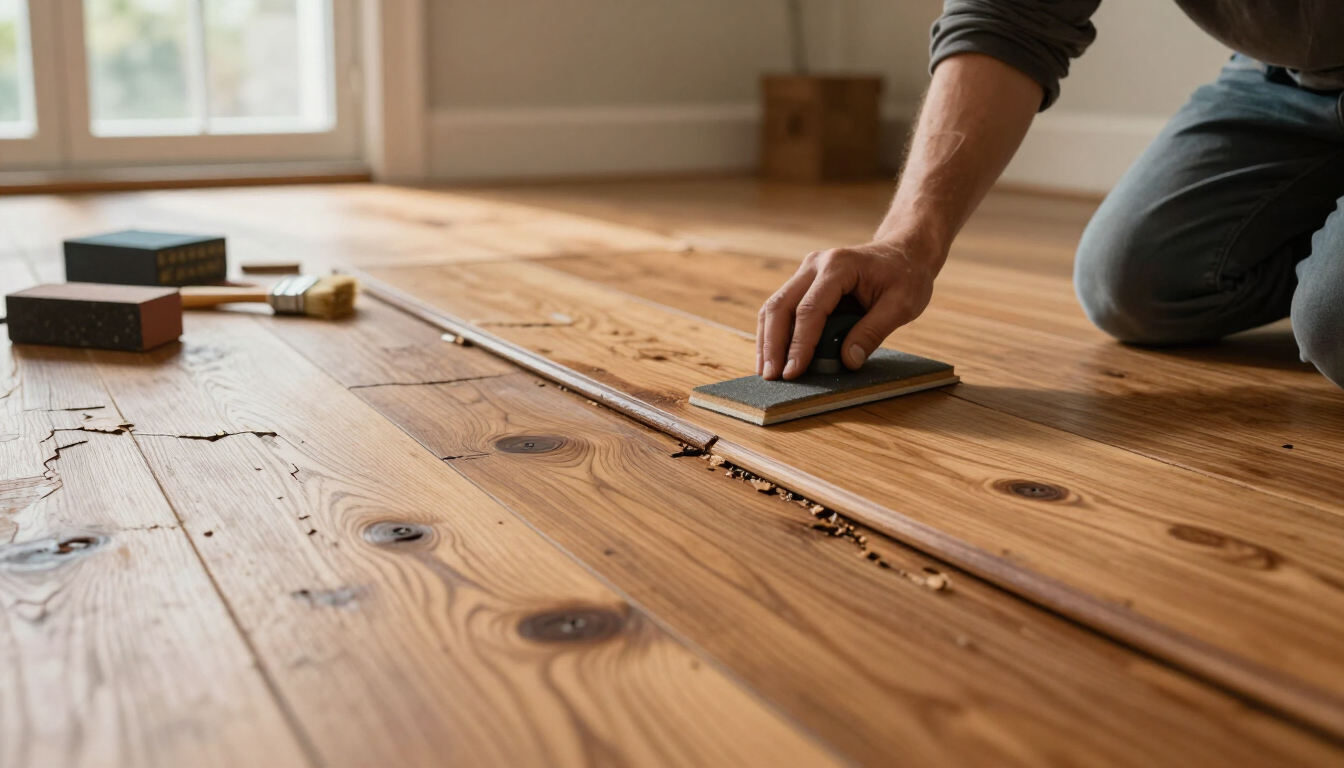
As wood loses moisture, it shrinks. This can lead to small gaps appearing between floorboards, especially in older homes or those with particularly dry winters. You might also notice tiny cracks forming on the surface of the wood itself.

  • For minor gaps: You can often use a wood filler or a specialized gap-filling compound. Choose a color that closely matches your floor. Apply it according to the product's instructions, usually with a putty knife, pressing it firmly into the gap. Let it dry completely, then sand it smooth. A light touch-up with matching stain or finish might be needed.
  • For wider gaps: These can be trickier. Sometimes, a professional might need to re-fit boards or use a more substantial filler. If the gaps are significant, it could indicate a larger issue with the subfloor or installation.
  • Surface cracks: Small, superficial cracks can sometimes be filled with a wood filler designed for this purpose. Deeper cracks might require more involved repair.

It's important to remember that wood is a natural material and will always react to its environment. Some minor shrinking and expanding is normal. The goal is to manage extreme changes that cause visible damage.

When to Call a Professional for Floor Repair

While DIY fixes are great for small issues, some problems are best left to the experts. Don't hesitate to reach out to a flooring professional if you notice:

  1. Widespread or large gaps: If many boards have pulled away significantly, it might be a sign of a bigger problem than just dry air.
  2. Cupping or crowning: This is when the edges of the boards are higher than the center (cupping) or the center is higher than the edges (crowning). It usually points to moisture issues, either too much or too little, and can be complex to fix.
  3. Loose or squeaky boards: While some squeaks are just annoying, a lot of loose boards can indicate problems with the subfloor or fasteners.
  4. Extensive surface damage: If your floors look generally worn, scratched, or have numerous deep cracks across a large area, a professional refinishing might be in order.
  5. Concerns about structural integrity: If you suspect the floor itself is unstable or damaged beyond just the surface, get a pro involved immediately.

Is your floor looking a little rough? Don't let dents, scratches, or worn-out spots ruin your home's look. We can fix those problems and make your floors look great again. We know how to handle all sorts of floor issues. Ready to see the difference? Visit our website to learn more about how we can help restore your floors.

Wrapping Up

So, that's the lowdown on keeping your nice wood floors looking good when the North Georgia air gets dry. It's not rocket science, really. Just a few simple steps can make a big difference. Think of it like taking care of anything you own that you want to last. A little effort now means you won't have to deal with warped or cracked floors later. Plus, who doesn't like walking on smooth, healthy wood? It just feels better. So, get that humidifier out, maybe grab a good wood cleaner, and give your floors some TLC this winter. Your feet, and your home, will thank you.

Frequently Asked Questions

Why does dry winter air hurt my wood floors?

When the air gets really dry in the winter, wood floors can lose moisture. Think of it like a sponge drying out. This can cause the wood planks to shrink, leading to small gaps between them or even cracks.

How can I tell if my floors are too dry?

Look for signs like tiny gaps appearing between the wood boards, or if you notice any squeaking sounds when you walk. Sometimes, the wood might even look a little dull or lighter than usual.

What's the best way to add moisture back into the air?

Using a humidifier is your best bet. You can get portable ones for specific rooms or a whole-house system that keeps the humidity steady throughout your home. It's like giving your floors a drink of water through the air.

How often should I clean my wood floors in winter?

You don't need to clean them more often, but you do need to be extra careful. Stick to dry dusting or using a mop that's only slightly damp. Avoid soaking the floors, as too much water can cause damage.

Do rugs and mats really help protect my floors?

Absolutely! Placing rugs in high-traffic areas, like hallways and entryways, helps protect the wood from scratches and wear. Doormats at entrances catch dirt and moisture before they can get tracked onto your floors.

What if my floors already have gaps or cracks?

Small gaps might close up on their own when humidity levels improve. For bigger issues or if you're unsure, it's best to consult a flooring professional. They can assess the damage and recommend the right repairs to keep your floors looking great.

winter hardwood floor problems
By Rise Design January 30, 2026
Dealing with winter hardwood floor problems in Chattanooga? Learn about common issues like gaps, cupping, squeaks, and more.
hardwood floor winter damage
By Rise Design January 30, 2026
Learn how cold weather causes hardwood floor winter damage in TN & GA. Discover signs, prevention, and repair tips.
hardwood floor installation winter
By Rise Design January 30, 2026
Considering hardwood floor installation in winter? Explore the pros and cons of winter installation, plus tips for success.
refinish hardwood floors vs replace
By Rise Design January 30, 2026
Refinish hardwood floors vs replace? Learn when to restore or replace your floors before spring. Get expert advice for your home.
hardwood floor services Chattanooga
By Rise Design January 30, 2026
Get your hardwood floors ready for spring! Expert services in Chattanooga, TN & GA. Schedule your spring floor service today!
hardwood floor maintenance winter
By Rise Design January 30, 2026
February hardwood floor maintenance tips for winter. Combat moisture, salt, and grime for lasting beauty.
hardwood floor refinishing Chattanooga
By Rise Design January 30, 2026
Thinking about giving your hardwood floors a facelift in Chattanooga? It’s a great idea, and timing can actually make a difference. You don't want to rush into it, but you also don't want to wait until your floors look really worn out. Let's talk about when the best time is to get that hardwood floor refinishing Chattanooga service you've been considering. It’s not just about making things look pretty; it’s about protecting your home and getting the most bang for your buck. We’ll cover what to look for and how to pick the right moment. Key Takeaways The time of year impacts hardwood floor refinishing in Chattanooga, with spring and fall often being good choices due to humidity. Watch for signs like worn spots, faded color, or scratches that show your floors need attention. Getting professionals to do your hardwood floor refinishing Chattanooga work brings back the floor's look and adds value to your house. Plan your refinishing around holidays and your family's schedule to make the process smoother. The refinishing process involves sanding, staining if you want, and then applying a tough top coat to keep floors looking good. Embrace the Seasons for Superior Hardwood Floor Refinishing Chattanooga You know, thinking about when to get your hardwood floors redone can feel a bit overwhelming. But honestly, the weather outside can actually play a pretty big role in how well the job turns out. It's not just about picking a day that works for you; the season itself can make a difference. Timing your refinishing project with the seasons can lead to a much better result for your Chattanooga home. Spring Renewal for Your Floors Spring is often seen as a time for fresh starts, and it's a great season for floor refinishing. The weather is usually mild, which is good for the drying and curing process of the finishes. Plus, with warmer days, you can open up windows for ventilation without the chill of winter. It’s a nice way to shake off the winter dust and bring a new look to your home. Summer's Warmth and Ventilation Summer in Chattanooga brings warmth, and that can be a friend to your refinishing project. Higher temperatures can help the finishes cure faster. And let's be real, you'll want to keep the windows open anyway to air out the fumes. Just make sure it's not too humid, as that can slow things down. Fall's Ideal Humidity Levels Fall might just be the sweet spot for refinishing. The humidity levels tend to be more stable and moderate compared to the sticky heat of summer or the dry air of winter. This consistency is really helpful for the wood itself and for the application of stains and finishes. It means less chance of the wood expanding or contracting too much, which can affect the final look. When you're planning, think about how the temperature and humidity will affect the materials. Different finishes have different needs, and getting it right from the start saves a lot of headaches later on. It’s about creating the best environment for the wood and the products being used on it. Signs Your Chattanooga Hardwood Floors Need Attention Sometimes, you don't realize your hardwood floors are looking a bit tired until you really stop and notice. It's easy to get used to the way things look day-to-day, but a few key indicators can tell you it's time for a refresh. Paying attention to these signs can save you a lot of trouble down the road. Visible Wear and Tear This is probably the most obvious sign. Over time, foot traffic, furniture moving, and just general life can take a toll. You might start seeing areas that look duller than others, especially in high-traffic zones like hallways or in front of the sofa. It's not just about looks, though; this wear can mean the protective layer is gone, leaving the wood itself more open to damage. Fading and Discoloration Has the rich color of your wood floors started to look washed out? Sunlight is a common culprit, beaming through windows and slowly bleaching the wood. Sometimes, spills that weren't cleaned up right away can also leave permanent marks or change the color. If you notice patches that are lighter or darker than they used to be, it's a signal that your floors have seen better days and might need some professional hardwood floor restoration. Scratches and Dents Little nicks and deeper gouges are pretty common, especially if you have pets or kids. Dropped toys, furniture legs that aren't protected, or even high heels can leave their mark. While a few minor scratches might add character, a lot of them can make your floors look messy and unkempt. Deep dents can also be a sign that the wood itself is weakening. It's not just about how your floors look, either. When the finish wears down, your wood is more exposed. This makes it easier for moisture to seep in, which can lead to warping or even mold growth. Addressing these issues early is always better than waiting for a bigger problem to pop up. These signs don't mean your floors are beyond repair. In fact, they're often the perfect cue that it's time to consider refinishing. It's a way to bring back that beautiful look and protect your home's foundation. The Benefits of Professional Hardwood Floor Refinishing You know, sometimes you look at your hardwood floors and they just seem… tired. Maybe they’ve seen better days, or perhaps you’re just ready for a change. That’s where bringing in the pros for a refinishing job really makes a difference. It’s more than just a facelift; it’s a complete revival for your floors. Restoring Original Beauty Think back to when your floors were first installed. Remember that rich color and smooth sheen? Refinishing can bring that back, and sometimes even make them look better than before. The process involves sanding down the old, worn-out top layer, getting rid of all those little scratches and dull spots. It’s like giving your floors a fresh start. Increasing Home Value This is a big one. Beautiful, well-maintained hardwood floors are a huge selling point. When potential buyers see floors that look brand new, it adds a significant amount of perceived value to your home. It shows you’ve taken good care of the place, and that’s always a plus. Protecting Your Investment Hardwood floors are an investment, plain and simple. Refinishing isn't just about looks; it's about protection. The new finish creates a barrier against spills, scuffs, and everyday wear and tear. This keeps your floors looking good for years to come and prevents minor issues from becoming major, costly repairs down the line. When you hire professionals, you're not just paying for labor; you're paying for their knowledge of wood types, finishes, and the right techniques to get the job done without damaging your floors. They know how to handle different wood grains and how to apply finishes evenly for a consistent look. Here’s a quick rundown of what you gain: Aesthetic Upgrade: Say goodbye to dullness and hello to vibrant color and shine. Durability Boost: The new protective layer stands up to daily life. Property Improvement: A tangible increase in your home's appeal and market value. Cost-Effectiveness: Often cheaper than replacing the entire floor, especially if the wood is still solid. Choosing the Right Time for Refinishing in North Georgia So, you've decided to give your hardwood floors a facelift. That's great! But when exactly is the best time to get it done, especially here in North Georgia? It's not just about picking a random Tuesday. Timing can actually make a big difference in how your floors turn out and how long the finish lasts. Thinking ahead can save you headaches and ensure a better result. Avoiding Peak Holiday Rush Nobody wants their floors torn up when guests are about to arrive for Thanksgiving or Christmas. The holidays are busy enough without having to worry about drying times, furniture placement, or keeping kids and pets away from wet finishes. It’s usually best to steer clear of the major holiday seasons. Think about it – you want your home to look its best for visitors, not be in a state of renovation. Considering Family Schedules Life happens, right? If you have young kids, you might want to avoid times when they're home from school for extended breaks, as they can be a bit… enthusiastic. Similarly, if you work from home, you'll need to plan around your workday to minimize disruption. Maybe a quiet week in the summer when the kids are at camp, or a few weeks after the back-to-school rush in the fall, could work better for your household. It's all about finding a window that causes the least amount of stress for everyone involved. Planning Around Home Projects Are you planning any other big home improvements? It often makes sense to group certain projects together. For instance, if you're thinking about painting walls or doing some minor repairs, tackling those before or after floor refinishing can be more efficient. You don't want to refinish your beautiful new floors only to have paint splatters or dust from construction land on them. Coordinating with your contractor about the overall project timeline is a smart move. It’s often recommended to schedule floor sanding during stable indoor conditions, ideally in late spring or early fall. This timing ensures optimal finishing and durability for your floors. stable indoor conditions Refinishing your floors is a significant project. It involves dust, fumes, and a period where you can't use certain areas of your home. Planning this around your family's routine and other home activities will make the whole experience much smoother. Don't rush into it; take the time to pick a period that allows the professionals to do their best work without constant interruptions. Understanding the Hardwood Floor Refinishing Process Refinishing your hardwood floors might sound like a big job, and it is, but it's totally doable and makes a huge difference. It's not just about making them look pretty again; it's a multi-step process that brings your floors back to life. The goal is to remove the old, worn-out top layer and create a fresh surface ready for new protection. Sanding Away Imperfections This is where the magic really starts. The first step involves sanding. We use specialized machines to carefully remove the existing finish, any scratches, dents, and general wear and tear. It's a bit dusty, but it's necessary to get down to the bare wood. Depending on the condition of your floors, we might go through several grits of sandpaper, starting coarse and getting progressively finer. This ensures a smooth, even surface. Staining for Customization Once the floors are sanded smooth, you get to pick the color. Staining is your chance to change the look of your wood entirely or just deepen its natural tone. We have a wide range of stain colors available, from light, natural oaks to rich, dark walnuts and even some more adventurous shades. We can do test patches so you can see how the color looks in your home's lighting before we commit. Applying Protective Finishes After staining, we apply a protective topcoat. This is super important for durability. It shields the wood from spills, scuffs, and everyday foot traffic. You'll usually have a few options for the finish, like matte, satin, or semi-gloss. Each has a different look and feel, and they all provide a tough barrier. This whole process is about more than just aesthetics. It's about restoring the integrity of your flooring and making it last for years to come. Think of it as giving your floors a complete makeover, from the inside out. Here's a quick rundown of what happens: Preparation: Moving furniture and protecting surrounding areas. Sanding: Removing the old finish and smoothing the wood. Cleaning: Thoroughly removing all dust from sanding. Staining (Optional): Applying your chosen color. Drying: Allowing the stain to cure properly. Finishing: Applying multiple coats of protective topcoat. Curing: Giving the finish time to harden before heavy use. Expert Hardwood Floor Refinishing Services in Chattanooga Local Expertise You Can Trust When it comes to your beautiful hardwood floors, you want to know you're in good hands. Choosing a local Chattanooga refinishing service means you're working with people who understand the specific needs of homes in our area. They know the types of wood common here, the climate's effect on floors, and what works best for keeping them looking great year after year. It's about more than just a service; it's about a neighbor helping a neighbor keep their home looking its best. Quality Materials and Craftsmanship What really sets a pro apart is the attention to detail and the materials they use. They don't just slap on any old finish. They select high-quality stains and protective coatings that are built to last, resisting wear and tear from daily life. You'll see the difference in the smooth finish, the even color, and the overall durability. It’s the kind of work that makes you stop and admire your floors again. Tailored Solutions for Your Home Every home and every floor is a little different, right? A good refinishing team knows this. They'll take the time to look at your specific floors, listen to what you want, and then suggest the best approach. Maybe you want a lighter, natural look, or perhaps a darker, richer tone. They can help you pick the perfect stain and finish to match your style and your home's decor. Here's what you can expect: A thorough assessment of your floor's condition. Recommendations for the best finishes and colors. A clean and efficient refinishing process. A final result that breathes new life into your home. Sometimes, trying to DIY a project like floor refinishing can seem like a good idea to save money. But the reality is, it's a complex job that requires specialized tools and a lot of skill. Mistakes can be costly and difficult to fix, often leading to a less-than-perfect finish or even damage to the wood. Hiring professionals ensures the job is done right the first time, saving you stress and potentially more money in the long run. They're not just fixing your floors; they're restoring a key part of your home's character. Is your hardwood floor looking a little worn out? We offer top-notch hardwood floor refinishing services right here in Chattanooga. Let us bring back the shine and beauty to your floors, making them look brand new again. Ready to see the difference? Visit our website to learn more and get a free quote! Ready to Refresh Your Floors? So, if your hardwood floors in Chattanooga or North Georgia are looking a little tired, now really is a good time to think about getting them redone. It's not just about making them look nice, though that's a big part of it. Freshly refinished floors can really change the whole feel of your home. Plus, getting it done before the busy holiday season or the summer heat hits means less disruption for you and your family. Don't wait too long, though; good contractors can get booked up. Reach out to a local pro and see what they can do to bring your floors back to life. You'll be glad you did. Frequently Asked Questions When is the best time of year to refinish my wood floors? The best times are usually spring and fall. Spring offers nice weather for open windows, and fall has less sticky humidity. Summer can work too if you have good airflow. Just try to avoid busy holiday times! How can I tell if my wood floors need refinishing? Look for dull spots, scratches, or areas where the color looks faded. If your floors seem worn out, have lots of little marks, or feel rough in places, they probably need some love. What does 'refinishing' actually mean for my floors? It means we sand off the old, worn-out top layer of your floor. Then, we can add a new color if you want, and finally, we put on a fresh, protective coat to make them look great again. Is it better to do this myself or hire someone? Hiring professionals is usually best. They have the right tools and know-how to do a fantastic job without damaging your floors. Plus, it saves you a lot of hard work and time. Will refinishing make my home more valuable? Absolutely! Beautiful, well-kept wood floors make a house look much nicer and can really boost its selling price. It's a smart way to invest in your home. How long does the whole refinishing process take? It usually takes a few days, depending on the size of your home and how much work is needed. We'll sand, stain (if you choose), and apply the finish, allowing time for each step to dry properly.
hardwood floor installation Dalton Ringgold
By Rise Design December 29, 2025
Expert hardwood floor installation Dalton Ringgold. Upgrade your home with beautiful, durable new floors. Get a free quote today!
hardwood floor maintenance Chattanooga
By Rise Design December 29, 2025
Expert hardwood floor maintenance Chattanooga tips for 2026. Learn deep cleaning, protection, repair, and seasonal care for lasting shine.
oil vs water based floor finish Chattanooga
By Rise Design December 29, 2025
Oil vs water based floor finish Chattanooga: Discover which finish lasts longer through winter. Get expert advice for your home.
Show More