Refinishing vs. Replacing Hardwood Floors: What Makes Sense Before Spring?
Spring is almost here, and for many of us, that means tackling those home projects we've put off all winter. One big question that often comes up is what to do with your hardwood floors. They might be looking a little tired, or maybe you're just ready for a change. Deciding whether to refinish hardwood floors vs replace them can feel like a big decision, and it's easy to get lost in the details. Let's break down what makes sense before the warmer weather really kicks in.
Key Takeaways
- Before deciding on refinish hardwood floors vs replace, check your floor's condition. Look for wear, scratches, and any signs of damage or rot.
- Refinishing hardwood floors can bring back their old shine, often at a lower cost and with less mess than a full replacement.
- Replacing your hardwood floors might be the better option if there's severe damage, like rot or water damage, or if the style is very out of date.
- When comparing costs, refinishing is usually cheaper upfront, but replacing can offer a fresh start with new materials. Think about what you want long-term.
- Consider the environmental side. Refinishing uses fewer resources than tearing out and replacing floors, which is good for the planet.
Assessing Your Hardwood Floor's Condition
Before you even think about refinishing or replacing, you've got to take a good, hard look at what you're working with. It's like a doctor checking your vitals before prescribing treatment, you know? Understanding the current state of your floors is the first, most important step.
Identifying Wear And Tear
Walk around your house, really look at the floors. What do you see?
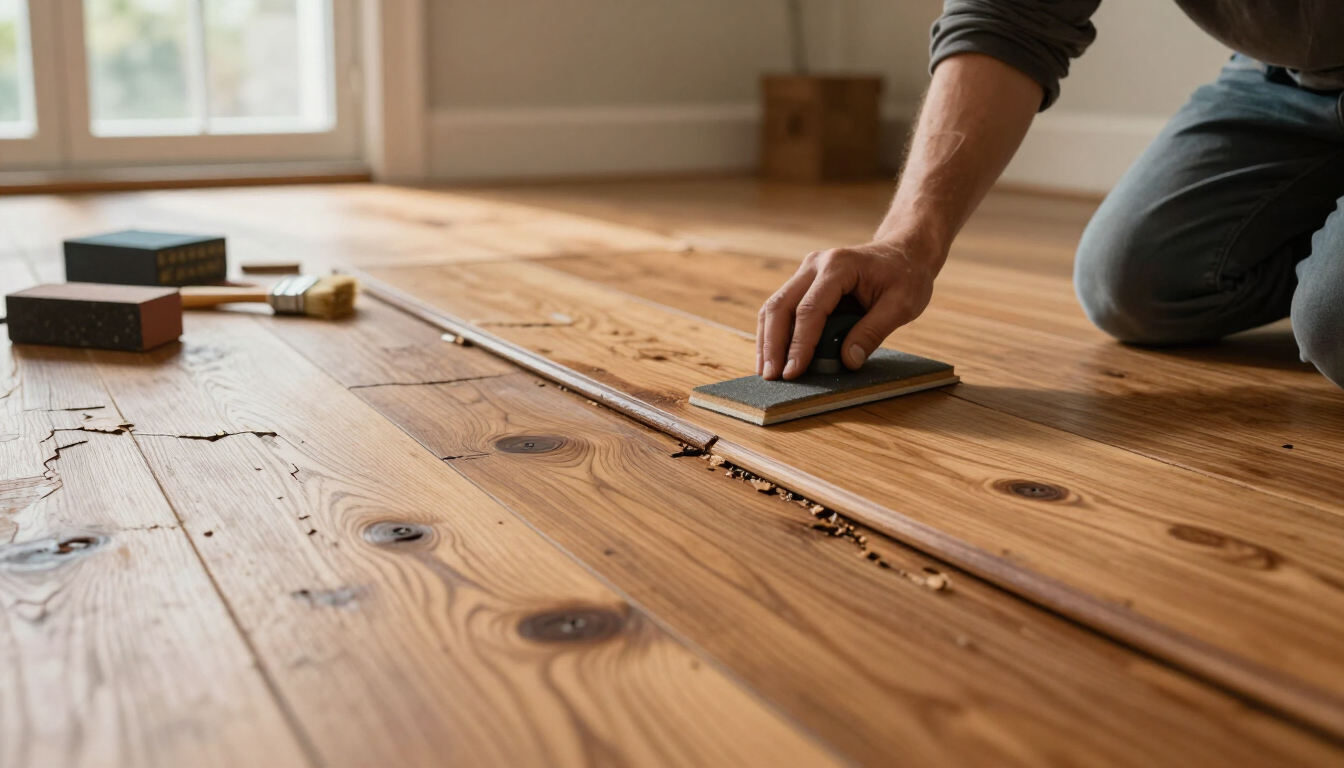
- Scratches: Are they light surface scuffs or deep gouges that go into the wood itself?
- Dents: Do you have little divots from furniture legs or heavier impacts?
- Fading: Has the color dulled in certain areas, especially where sunlight hits?
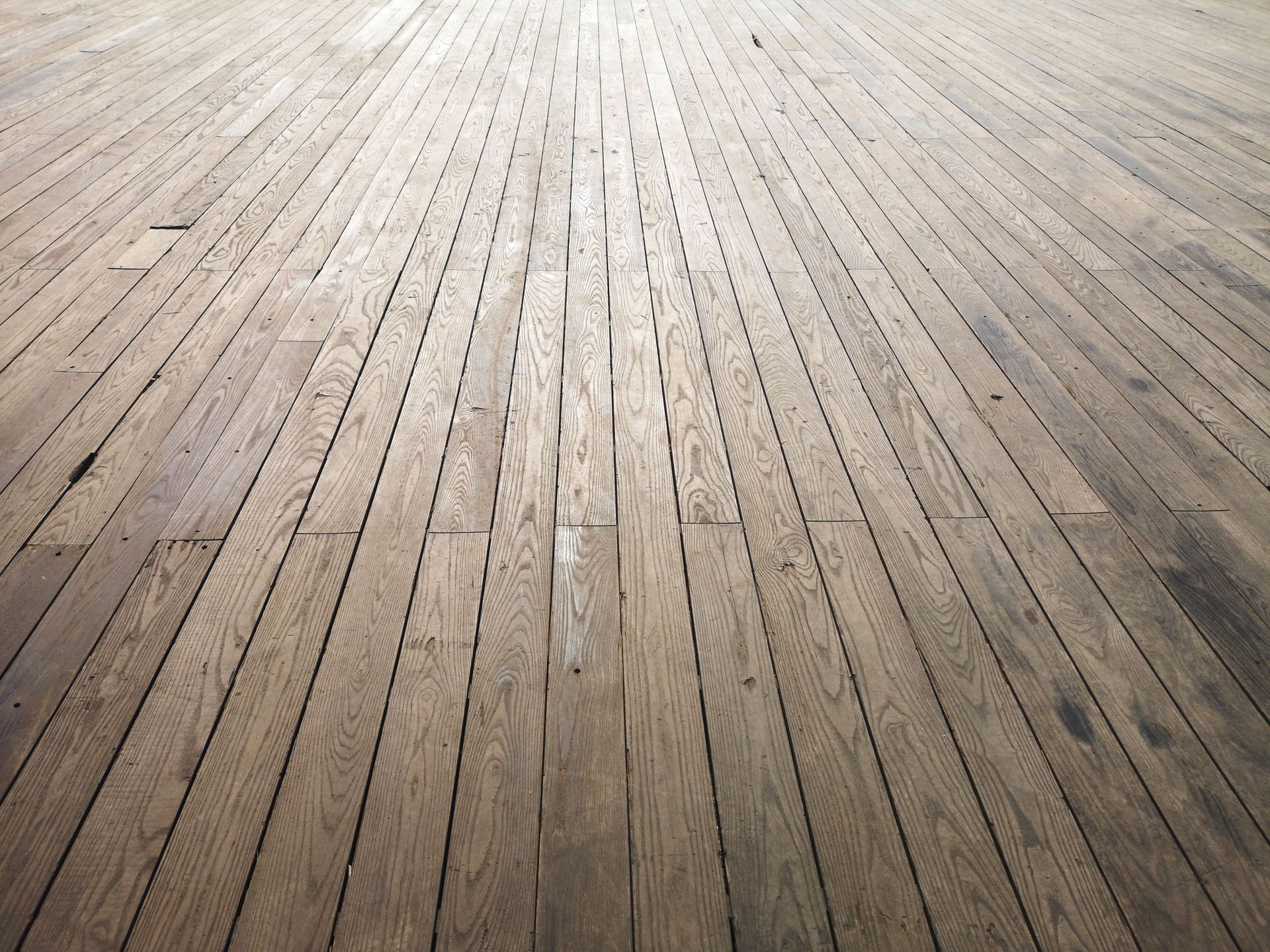
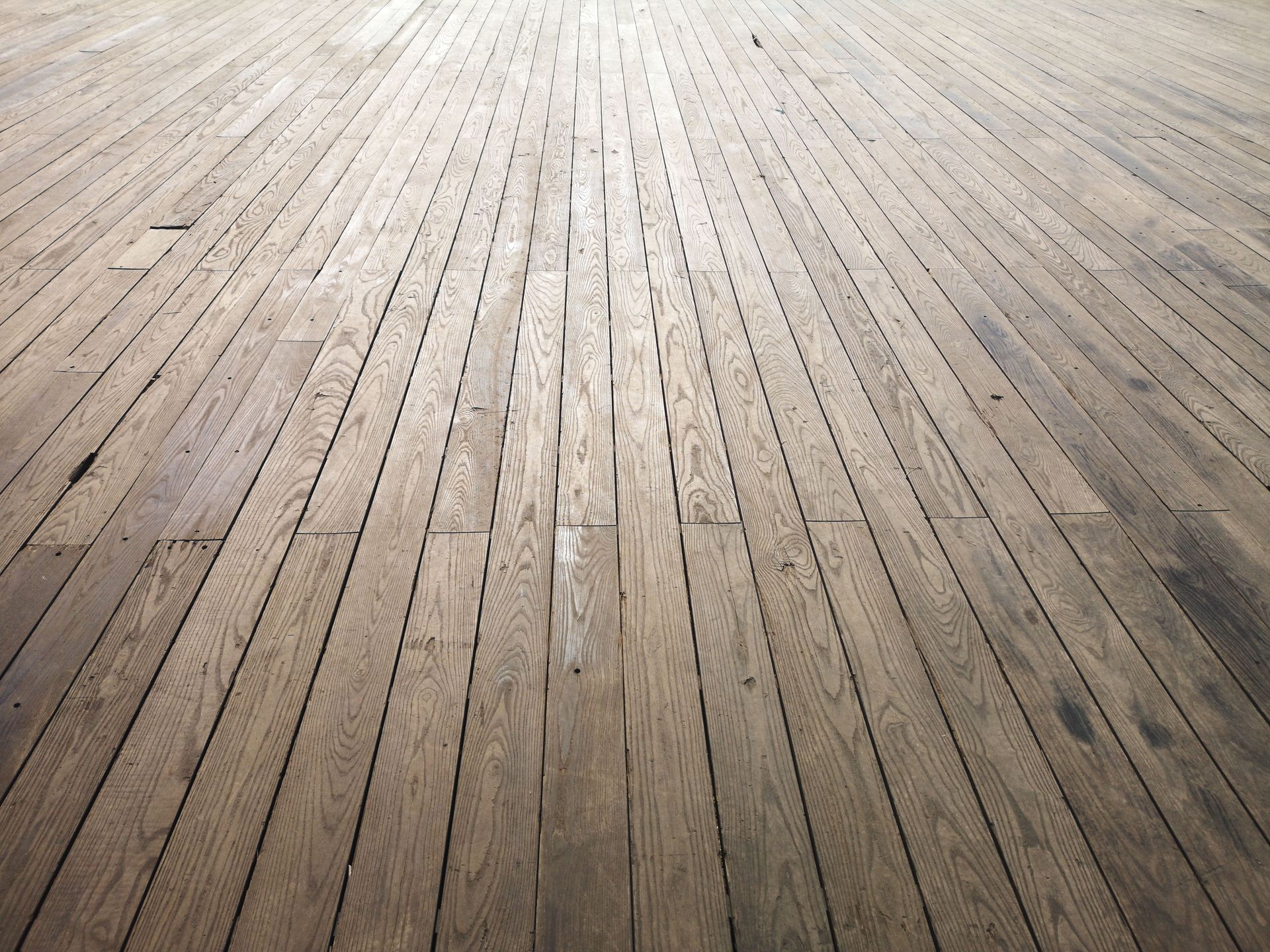
- Worn Areas: Are there spots, usually in high-traffic zones like hallways or in front of the sofa, where the finish looks completely gone, leaving the wood looking dull or even gray?
These are all signs of normal use, but the severity matters. A few minor scratches might be easily fixed, but a floor covered in deep gashes tells a different story.
Understanding Structural Integrity
Beyond just the surface stuff, you need to check if the wood itself is sound. This is where things can get a bit more serious.
- Cupping or Crowning: Does the wood look like it's bowing upwards in the middle (crowning) or dipping down at the edges (cupping)? This often points to moisture issues.
- Loose Boards: Do any boards feel loose when you walk on them? This could mean the subfloor is weak or the boards aren't properly secured.
- Gaps: Are there noticeable gaps between the boards? Some minor gapping can be normal, especially with changes in humidity, but wide, consistent gaps are a red flag.
If you find any of these structural problems, it might mean you're dealing with more than just a cosmetic issue.
Evaluating Existing Finish
What kind of finish is currently on your floors? This can affect how they can be refinished.
- Polyurethane (Oil or Water-Based): This is the most common. It's durable and can usually be sanded down and reapplied.
- Wax or Oil Finish: These are older types of finishes. They often require different methods for refinishing and might not hold up as well over time.
- Paint or Stain: If your floors are painted or heavily stained, the process for refinishing can be more involved.
Look closely at how the finish is holding up. Is it peeling, flaking, or just looking dull and lifeless? Sometimes, the finish itself is the main problem, while other times, it's just protecting wood that's seen better days.
Sometimes, what looks like a simple scratch is actually a sign of a deeper problem, like moisture getting into the wood or the subfloor starting to fail. It's always better to investigate thoroughly than to assume it's just surface-level wear and tear. You don't want to put a fresh coat of paint on a crumbling wall, right?
The Case For Refinishing Hardwood Floors
Sometimes, your hardwood floors just need a little TLC, not a complete overhaul. Refinishing can bring tired, scratched, or dull floors back to life, often for a fraction of the cost and effort of replacing them entirely. It’s a fantastic option when the wood itself is still solid and sound.
Restoring Original Beauty
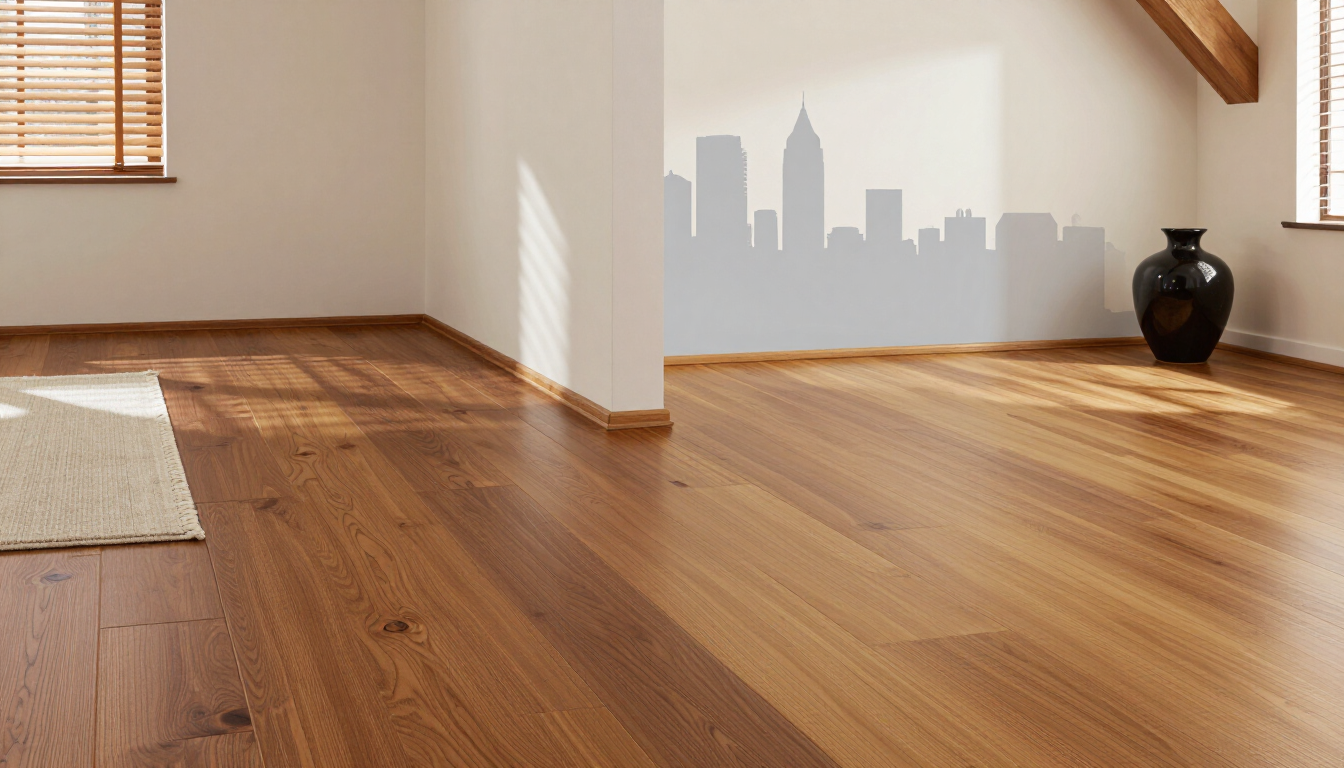
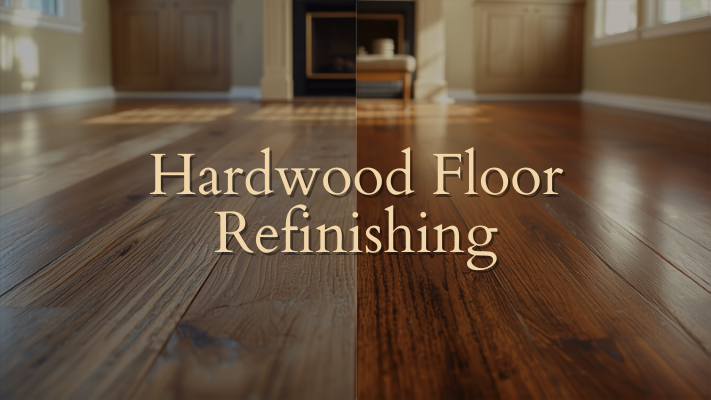
Think of refinishing as a spa day for your floors. Over time, everyday life takes its toll. Scuffs, pet scratches, fading from sunlight, and general wear can make even the most beautiful wood look sad. Refinishing strips away that old, damaged top layer, revealing the fresh, vibrant wood underneath. It’s like uncovering the floor’s original charm.
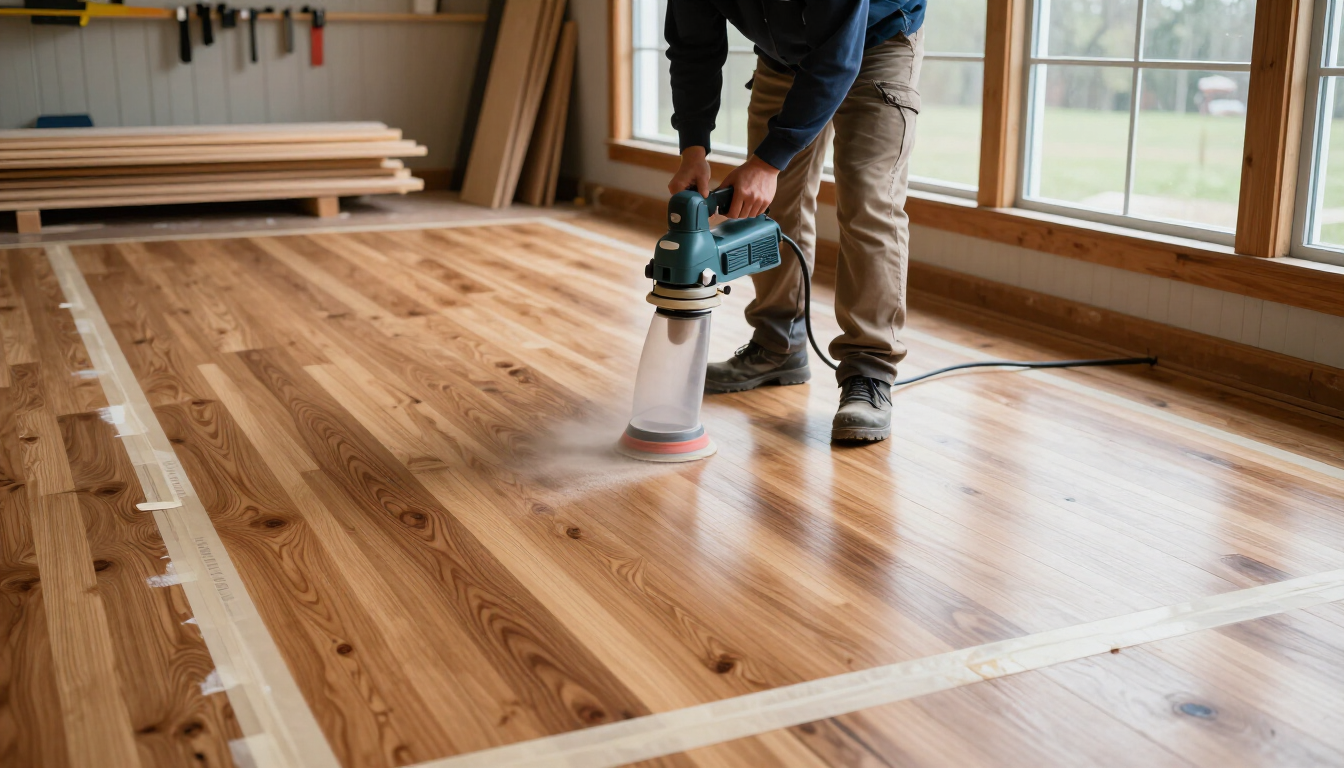
- Sanding: This is the main event, where a machine removes the old finish and a thin layer of wood.
- Staining (Optional): You can choose to keep the wood's natural color or apply a new stain to change the look.
- Sealing: A new protective coat is applied to guard against future wear and tear.
This process can dramatically change the look and feel of a room, making it seem brighter and more welcoming.
Cost-Effectiveness Of Refinishing
Let's talk money. Replacing hardwood floors is a big investment. You're not just paying for the new wood; you're paying for removal of the old, installation, and potentially other associated costs. Refinishing, on the other hand, is generally much more budget-friendly. You're working with the existing material, which cuts down significantly on material and labor costs.
When you compare the price tags, refinishing often comes out as the clear winner for homeowners looking to refresh their space without breaking the bank. It's a smart way to get a 'like new' floor for less.
Minimizing Disruption
Nobody likes a house turned upside down. Replacing floors means a lot of noise, dust, and having to move all your furniture out. Refinishing is disruptive, sure, but usually to a lesser degree. The process typically takes a few days, and while you'll need to vacate the immediate area being worked on, you don't necessarily have to move out of the house entirely. Plus, the mess is often more contained than a full replacement project.
When Replacing Hardwood Floors Is Necessary
Sometimes, no matter how much you sand and buff, a hardwood floor has just seen better days. It's not always about a fresh coat of stain or a bit of patching; there are times when a full replacement is the only sensible route. Ignoring serious issues can lead to bigger problems down the road, costing you more in the long run.
Severe Damage And Rot
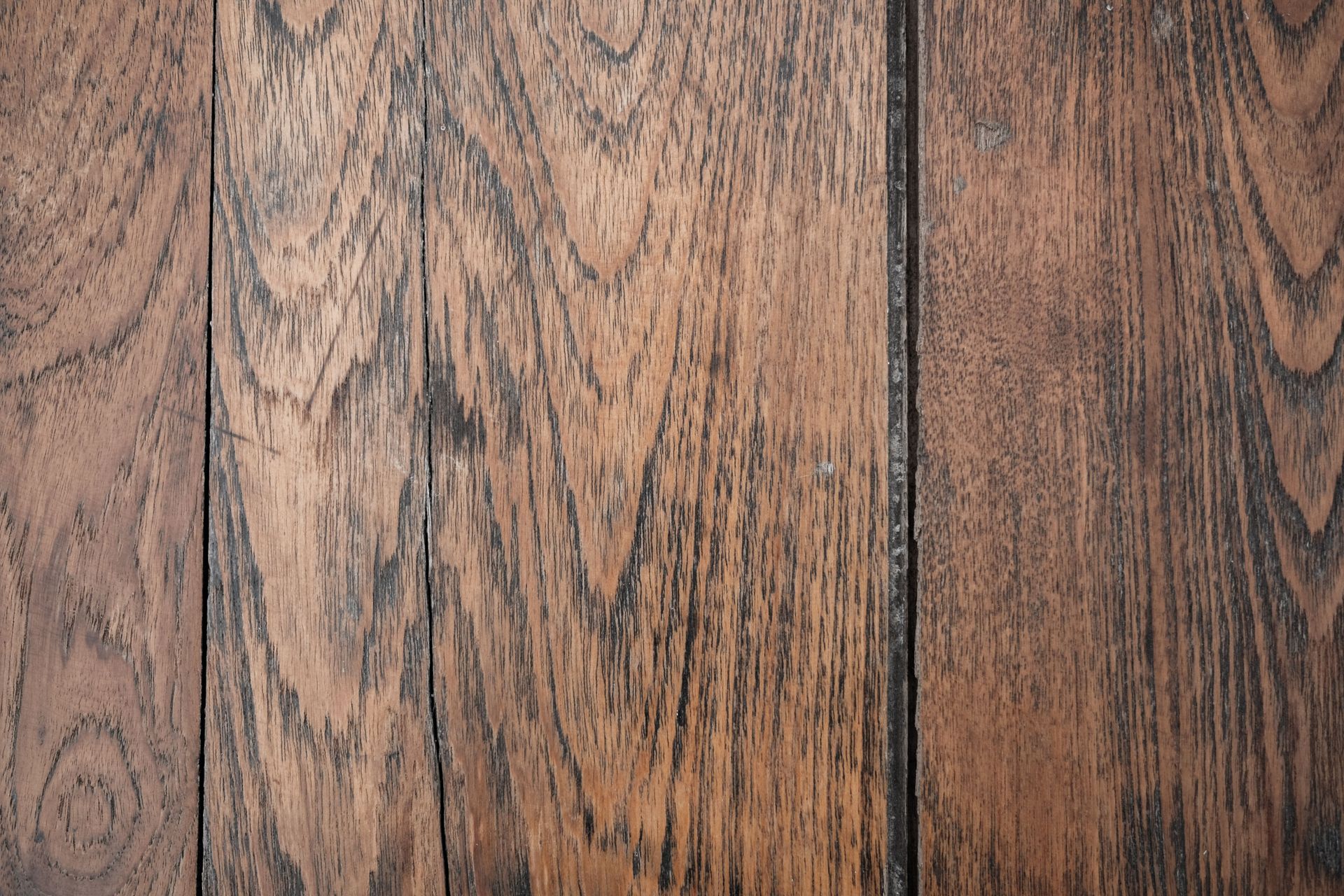
If your floors have sections that are soft, crumbly, or just plain falling apart, it's a clear sign of trouble. This kind of damage often comes from long-term moisture exposure or pest infestations. You might see dark spots, feel spongy areas underfoot, or even notice pieces of wood breaking away. Trying to refinish over this is like putting a band-aid on a broken bone – it won't fix the underlying structural weakness.
Outdated Styles And Materials
Let's be honest, flooring trends change. Maybe your current hardwood is a narrow plank style that feels very '90s, or perhaps the wood species itself is no longer readily available or desirable. If you're looking to update the whole feel of your home and the existing floor just isn't working with your vision, replacement might be the way to go. It's a chance to pick something that really fits your home's current aesthetic.
Significant Water Damage
Water is the enemy of hardwood. A major leak, a burst pipe, or even persistent flooding can warp, buckle, and stain your floors beyond repair. If the water damage is widespread and has affected the subfloor, refinishing won't help. You'll need to pull up the old flooring and address any moisture issues in the foundation before laying down new material.
When you're faced with extensive damage, it's not just about looks. It's about the integrity of your home. Rot can spread, and warped boards can create tripping hazards. Sometimes, the most practical and safe solution is to start fresh.
Here's a quick rundown of when replacement is usually the better bet:
- Widespread rot or insect damage: If multiple areas are affected and the wood is structurally compromised.
- Severe warping or cupping: Especially if it's caused by deep moisture issues that can't be resolved.
- Subfloor damage: If the problem extends below the visible hardwood layer.
- Unfixable historical issues: Like old, lead-based finishes that are too hazardous to sand or finishes that simply won't adhere anymore.
Comparing Refinish Hardwood Floors Vs Replace Costs
Okay, so we've talked about what's wrong with your floors and why you might want to fix them up or just get rid of them. Now, let's get down to the nitty-gritty: money. This is usually the biggest factor, right? Figuring out if you should spend money to make your old floors look new again or if it's time to bite the bullet and put in brand new ones.
Budgeting For Refinishing Projects
Refinishing is often seen as the more budget-friendly option, and for good reason. You're working with what's already there. The main costs usually involve:
- Labor: This is a big one. Skilled professionals charge for their time and know-how.
- Materials: Sandpaper, stain, sealant, and any necessary wood filler.
- Equipment Rental: If you're doing it yourself, you'll need to rent sanders and vacuums.
The overall cost can vary a lot depending on the size of your space and the condition of the wood. A simple screen and recoat might be a few hundred dollars, while a full sanding and restaining could run into the thousands.
Investment In Full Replacement
Replacing your floors is a much bigger financial undertaking. You're not just paying for labor and materials; you're paying for:
- The New Flooring Material: This can range from affordable engineered wood to pricey solid hardwoods.
- Removal and Disposal: Getting rid of the old floor costs money.
- Installation: This is often more labor-intensive than refinishing.
- Potential Subfloor Work: Sometimes, the subfloor needs repairs, adding to the expense.
It's not uncommon for a full replacement to cost two to three times, or even more, than a refinishing job for the same square footage.
Long-Term Value Considerations
When you're thinking about costs, don't just look at the price tag today. Think about what you're getting for your money.
- Refinishing: It can significantly boost your home's appeal and value, making it look fresh and well-maintained. It's like giving your existing floors a really good spa day.
- Replacement: If you're putting in a high-quality, modern flooring material, it can add substantial value and appeal, especially if your old floors were beyond saving or just really out of style.
Sometimes, the 'cheaper' option upfront can end up costing you more down the line if it doesn't hold up or if you're not happy with the result. It's about balancing the immediate financial hit with the lasting impact on your home's look and worth.
The Environmental Impact Of Your Choice
When you're deciding between refinishing and replacing your hardwood floors, it's not just about looks or cost. There's a bigger picture to consider, and that's what happens to our planet. Choosing to refinish your existing floors is almost always the greener option. It's a choice that respects the resources already used and minimizes waste.
Sustainability Of Refinishing
Refinishing is pretty straightforward from an environmental standpoint. You're essentially giving your current floors a facelift. This means:
- Less material use: You're not cutting down new trees or manufacturing new flooring materials. The wood is already there, in your home.
- Reduced energy consumption: The process of sanding, staining, and sealing uses far less energy than producing entirely new flooring.
- Lower carbon footprint: By avoiding the manufacturing and transportation of new materials, you significantly cut down on greenhouse gas emissions.
It's a way to keep what you have and make it new again, which is a smart move for the environment.
Resource Consumption In Replacement
Replacing your floors, on the other hand, involves a lot more. Think about it:
- New material extraction: This often means logging new trees, which impacts forests and wildlife habitats.
- Manufacturing processes: Creating new wood flooring, or even engineered alternatives, requires energy, water, and can produce waste.
- Transportation: New flooring has to be shipped from factories to distributors, then to your home, adding to fuel consumption and emissions.
It's a whole chain of resource use that refinishing bypasses.
Reducing Waste With Restoration
This is where refinishing really shines. When you replace floors, the old ones usually end up in a landfill. That's a lot of material going to waste.
Refinishing takes your existing floor and makes it beautiful again. It's like giving it a second life. This avoids the landfill problem entirely and keeps perfectly good wood out of the trash. It's a simple concept, but it makes a big difference.
So, when you're weighing your options, remember that giving your floors a refresh is a win for your home and a win for the planet. It's a practical way to be more eco-conscious without sacrificing style or quality.
Making The Right Decision For Your Home
Matching Your Goals To The Project
So, you've looked at your floors, weighed the pros and cons, and now it's time to figure out what actually makes sense for your place. It’s not just about what looks good; it’s about what fits your life and your budget. Think about what you really want to achieve. Are you aiming for a quick refresh before hosting guests, or are you planning a long-term renovation? Your ultimate goal should guide whether you refinish or replace. If you're just looking to spruce things up and get rid of those scuff marks, refinishing is probably the way to go. It’s a lot less hassle and, frankly, a lot cheaper than ripping everything out. But if your floors are looking really sad, maybe even damaged, then replacement might be the only real option. It’s a big decision, for sure.
Consulting With Flooring Professionals
Honestly, trying to figure this all out on your own can be a headache. That's where the pros come in. Talking to a flooring contractor is super helpful. They’ve seen it all, from minor scuffs to major water damage, and they can give you a realistic assessment of your floor's condition. They can tell you if refinishing is even possible or if replacement is the only sensible path. Plus, they can give you quotes for both options, which really helps when you're trying to budget. Don't be afraid to get a few opinions; it's your home, after all. They can also talk you through different wood types and finishes if you're leaning towards replacement, or discuss stain colors if you're going the refinishing route. Getting professional advice is a smart move before you commit to anything.
Planning For Springtime Projects
Spring is often the time when people decide to tackle home improvement projects, and your floors are no exception. Whether you're refinishing or replacing, planning is key. Here’s a quick rundown:
- Assess the timeline: How long will the work take? Refinishing is usually quicker than a full replacement.
- Consider the disruption: Both options will mean you can't use the room for a while. Factor this into your schedule.
- Budget carefully: Get detailed quotes and understand what’s included. Remember, refinishing your floors offers significant cost savings compared to replacement, potentially saving thousands of dollars. This process also extends the lifespan of your floors by decades, making it a cost-effective and sustainable choice for home improvement. Refinishing your floors can be a great investment.
- Prepare your space: Clear out furniture and protect adjacent areas from dust.
Making the choice between refinishing and replacing your hardwood floors isn't always straightforward. It requires a careful look at the current state of your floors, your personal preferences, and your financial situation. Sometimes, a simple sanding and sealing can bring old floors back to life, saving you money and hassle. Other times, the damage is too extensive, and a fresh start with new flooring is the only practical solution. Thinking through these factors will help you land on the best outcome for your home.
Ultimately, the best decision is the one that leaves you happy with your floors for years to come, without breaking the bank or causing unnecessary stress. It’s about finding that sweet spot between aesthetics, durability, and cost.
Choosing the perfect flooring for your home can feel like a big puzzle. We're here to help you put all the pieces together to find the best fit for your space and style. Don't guess when it comes to your home's foundation; let us guide you to a beautiful and lasting solution. Visit our website today to explore your options and get started on creating the home of your dreams!
So, What's the Verdict?
Alright, so we've talked about fixing up those tired hardwood floors versus just ripping them out and starting fresh. It really comes down to what you're seeing and what you're willing to spend. If your floors are just looking a little dull or have some minor scratches, refinishing is probably your best bet. It's way cheaper and still makes a huge difference, giving your place that spring-ready glow. But, if you've got floors that are really damaged, maybe with water stains or deep gouges, or if you're just craving a totally new look, then replacing might be the way to go. Think about your budget, how much work you want to do, and what you want the end result to be. Either way, getting your floors sorted before the busy spring season kicks off is a smart move for your home.
Frequently Asked Questions
What's the main difference between refinishing and replacing my wood floors?
Think of refinishing like giving your floors a makeover. We sand off the old, worn-out top layer and put on a fresh coat of finish, making them look new again. Replacing is like tearing out the old floor and putting in a completely new one.
How do I know if my floors can be refinished?
If your floors have scratches, dull spots, or faded color, they can likely be refinished. However, if there's deep damage like rot, warping from water, or the wood is worn down too thin, you might need to replace them.
Is refinishing cheaper than replacing my floors?
Generally, yes! Refinishing usually costs less than buying and installing brand new floors. It's a great way to save money while still getting a beautiful, updated look for your home.
How long does refinishing take?
Refinishing typically takes a few days. It involves sanding, cleaning, and applying new coats of finish, which need time to dry. Replacing can take longer, depending on the size of the area and the type of new flooring.
Will refinishing make my floors look like new?
Yes, refinishing can bring back the original charm and beauty of your hardwood floors. It removes the signs of wear and tear, revealing the natural wood underneath and giving it a fresh, vibrant appearance.
When should I seriously consider replacing my floors instead of refinishing?
If your floors have suffered major water damage, have areas of rot or mold, or if the style is so old-fashioned that it really dates your home, replacement might be the better choice. Also, if the wood is too thin from previous sanding, it can't be refinished anymore.