Preparing Your Hardwood Floors for 2026: Long-Term Care & Maintenance Tips
Getting your hardwood floors ready for the next few years, like leading up to 2026, is all about consistent care. It's not just about making them look good right now, but keeping them that way for a long time. We'll go over how to clean them well, protect them from everyday oopsies, fix small problems, handle different weather, and when it's smart to get some help, especially if you're in the Chattanooga area and need reliable hardwood floor maintenance Chattanooga services. Let's get those floors looking great!
Key Takeaways
- Regular cleaning with the right tools and solutions keeps your floors looking their best.
- Using mats, rugs, and felt pads helps prevent scratches and wear from daily use.
- Address minor scratches with simple DIY fixes before they become bigger issues.
- Controlling humidity levels year-round is important for preventing wood damage.
- For bigger jobs or regular upkeep, finding a good professional for hardwood floor maintenance Chattanooga can save you time and effort.
Deep Cleaning Strategies For Lasting Shine
Keeping your hardwood floors looking their best isn't just about a quick sweep now and then. A good, deep clean can really make a difference, bringing back that natural luster and protecting the wood for years to come. It's about more than just tidiness; it's about preserving the beauty of your home.
Understanding Your Floor's Finish
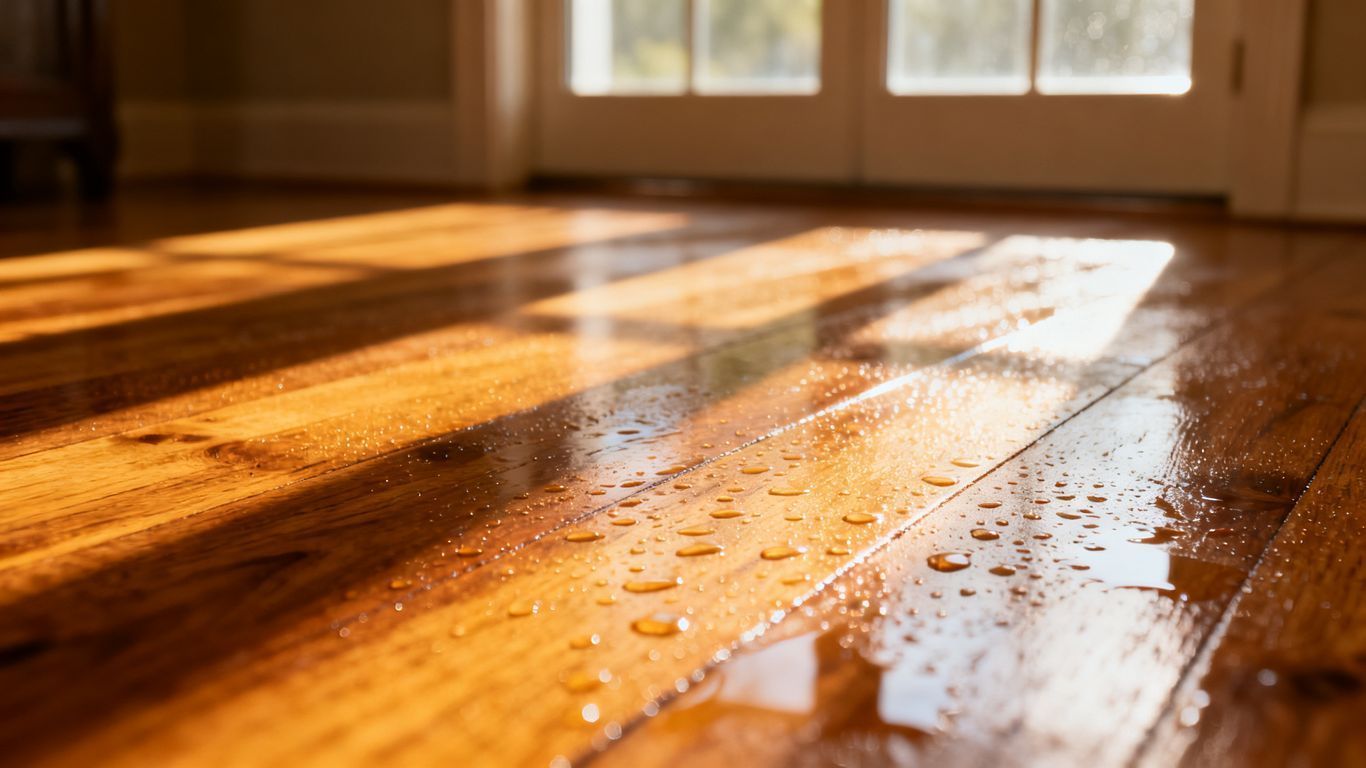
Before you grab any old cleaner, take a moment to figure out what kind of finish your floors have. This is super important because using the wrong stuff can actually damage the wood or the protective coating. Most modern hardwood floors have a polyurethane finish, which is pretty tough. Older homes might have wax or oil finishes, which need a gentler approach. You can usually tell by looking at the sheen – polyurethane tends to be more matte or satin, while wax can be quite glossy. If you're not sure, a quick test in an inconspicuous spot can help. Try a little water; if it beads up, it's likely polyurethane. If it soaks in or leaves a dark spot, it might be an older finish.
The Right Tools For A Thorough Clean
Having the right gear makes all the difference when you're tackling a deep clean. You don't need a whole workshop, but a few key items will make the job easier and more effective.
- Microfiber Mop: These are fantastic because they pick up dirt and dust really well without scratching the floor. Plus, they don't hold too much water, which is good for wood.
- Soft Bristle Broom: For sweeping up loose debris before mopping, a broom with soft bristles is best. You want to avoid anything that could scratch.
- Vacuum Cleaner with a Hard Floor Attachment: If you prefer vacuuming, make sure it has a setting or attachment specifically for hard floors. You don't want those spinning brushes digging into your wood.
- Clean, Lint-Free Cloths: For drying or buffing, good quality cloths are a must.
Effective Cleaning Solutions For Stubborn Grime
When it comes to cleaning solutions, less is often more, especially with hardwood. Over-wetting is the enemy of hardwood floors. For regular deep cleaning, a pH-neutral cleaner specifically designed for hardwood floors is your best bet. You can usually find these at hardware stores or home goods shops. Just follow the dilution instructions on the bottle – don't just pour it straight on the floor!
For tougher spots, like dried mud or sticky spills, you might need a little extra. Sometimes, a damp cloth with a tiny bit of dish soap can work wonders. Just be sure to wipe away any soap residue with a clean, damp cloth afterward. For really persistent marks, a specialized hardwood floor cleaner might be needed, but always test it in a hidden area first.
Always remember to work in the direction of the wood grain when cleaning. This helps to lift dirt more effectively and prevents streaks. After mopping, if your floor doesn't have a high-gloss finish, you might want to buff it with a dry microfiber cloth to bring out a bit more shine. It's a small step that can make a big visual impact.
Protecting Your Investment From Daily Wear
Keeping your hardwood floors looking good long-term isn't just about cleaning; it's also about preventing damage before it happens. Think of it like putting a good coat on before you go out in the rain. A little bit of effort upfront can save you a lot of headaches later.
Implementing Protective Mats And Rugs
This is probably the easiest step you can take. Placing mats and rugs in high-traffic areas makes a huge difference. We're talking about the spots where people walk in and out of the house, hallways, and right in front of sinks or stoves. These areas take the most abuse from dirt, grit, and moisture tracked in from outside.
- Entryways: Use durable mats both outside and inside your main doors. This traps a lot of the dirt before it even gets onto your floors.
- Hallways: Runners are great for long hallways that see constant foot traffic.
- Kitchens and Bathrooms: Place rugs in front of sinks and dishwashers where spills are more likely.
- Living Areas: Area rugs can protect the main seating and walking paths from everyday wear.
The goal is to create a barrier between the harsh elements and your beautiful wood.
Remember that even small particles of dirt and sand can act like sandpaper underfoot, slowly but surely dulling your floor's finish and even scratching the wood itself over time. Mats and rugs are your first line of defense.
The Importance Of Felt Pads On Furniture
This one is super important, especially if you have furniture that gets moved around. Those little nails or hard plastic feet on chair legs, tables, and sofas can be absolute floor destroyers. They can leave deep scratches that are tough to fix. Attaching felt pads to the bottom of all your furniture legs is a simple, cheap fix.
- Check your furniture regularly. Sometimes felt pads can wear out or get dislodged.
- Use the right kind of felt. Thicker, denser felt is better for heavier items.
- Make sure the entire surface of the leg is covered with felt, not just a small patch.
It might seem like a small thing, but it prevents those annoying gouges and scuffs that really detract from the floor's appearance.
Managing Pet Traffic And Accidents
Our furry friends are part of the family, but they can be tough on floors. Pet nails, especially from larger dogs, can scratch the surface. And, well, accidents happen.
- Nail Trims: Keep your pets' nails trimmed regularly. This is a simple way to reduce scratching.
- Clean Up Immediately: If an accident occurs, clean it up right away. Don't let liquids sit on the floor, as they can seep into the wood and cause staining or damage to the finish.
- Designated Areas: Consider using rugs or mats in areas where pets frequently lie down or play.
Dealing with pet messes quickly is key. The longer a liquid sits, the more damage it can do. A quick wipe-up with a damp cloth and a pH-neutral cleaner is usually all that's needed for minor accidents, but promptness is everything.
Addressing Scratches And Minor Damage
Even with the best care, hardwood floors can pick up a few battle scars over time. Little nicks and scratches are bound to happen, especially in high-traffic areas or if you have pets. The good news is, most minor damage isn't the end of the world and can often be fixed without calling in the pros. Knowing how to spot the problem and what you can do yourself makes a big difference.
Identifying The Severity Of Scratches
First things first, you need to figure out what you're dealing with. Not all scratches are created equal, and your approach will depend on how deep they go.
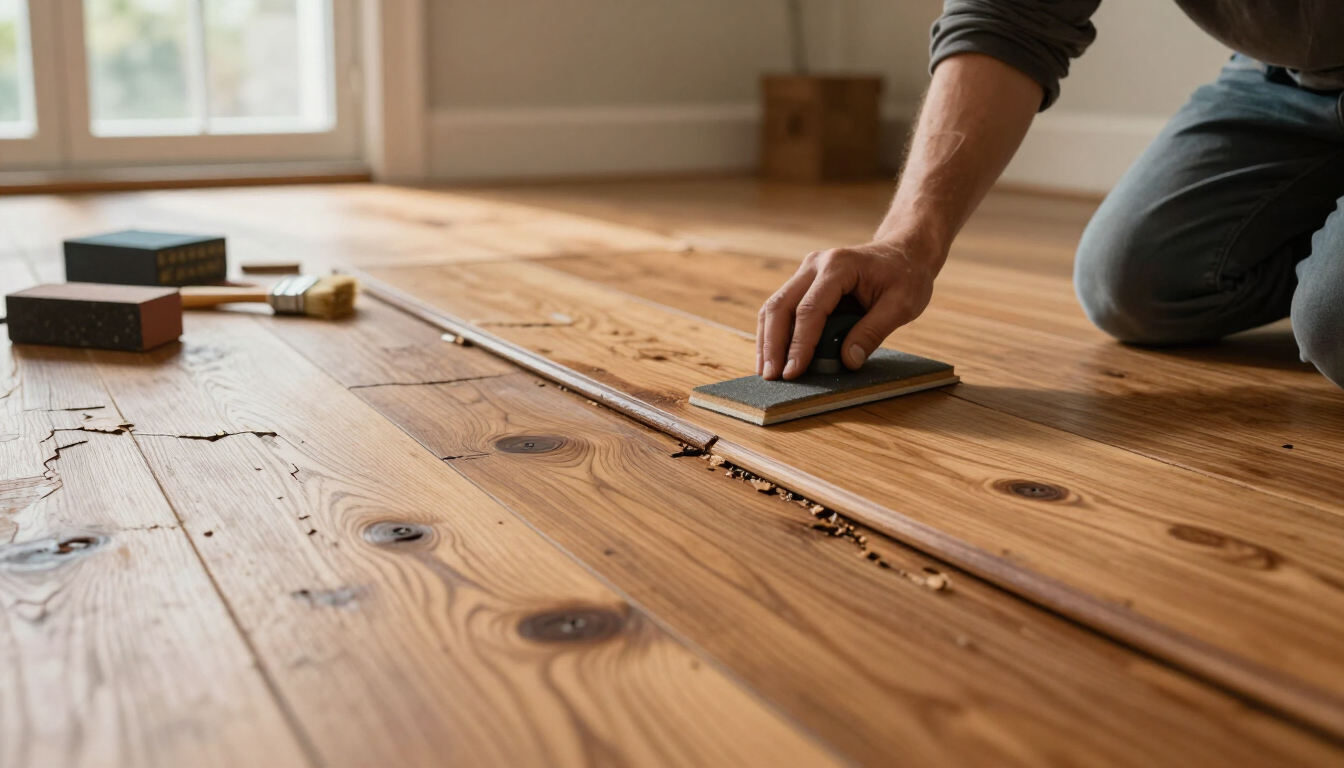
- Surface Scratches: These are the most common. They only affect the top layer of the finish, not the wood itself. You might see them as dull lines or marks that disappear when the floor is wet.
- Deeper Scratches: These go through the finish and into the wood. You'll see the color of the wood change, and they'll feel rough to the touch.
- Gouges: These are the most serious, where wood has actually been removed. They're deep and often have splintered edges.
A quick way to check is to run your fingernail across the scratch. If your nail catches, it's likely deeper than just the finish. If it glides over, it's probably a surface issue.
DIY Scratch Repair Techniques
For those surface-level issues, you've got a few options to try at home. It's usually best to start with the least invasive method.
- Wood Repair Markers or Crayons: These are great for filling in color on deeper scratches. You match the color to your floor and gently rub it into the scratch. Wipe away any excess.
- Vinegar and Oil Mixture: For very light scratches, a simple mix can sometimes help. Try a bit of apple cider vinegar mixed with olive oil. Apply it to the scratch, let it sit for a bit, then wipe it off. This can sometimes help blend minor marks. You can find more details on this method for removing superficial scratches.
- Touch-Up Pens: Similar to markers, these pens can add color back to scratched areas. They're good for small, isolated spots.
When To Call A Professional For Refinishing
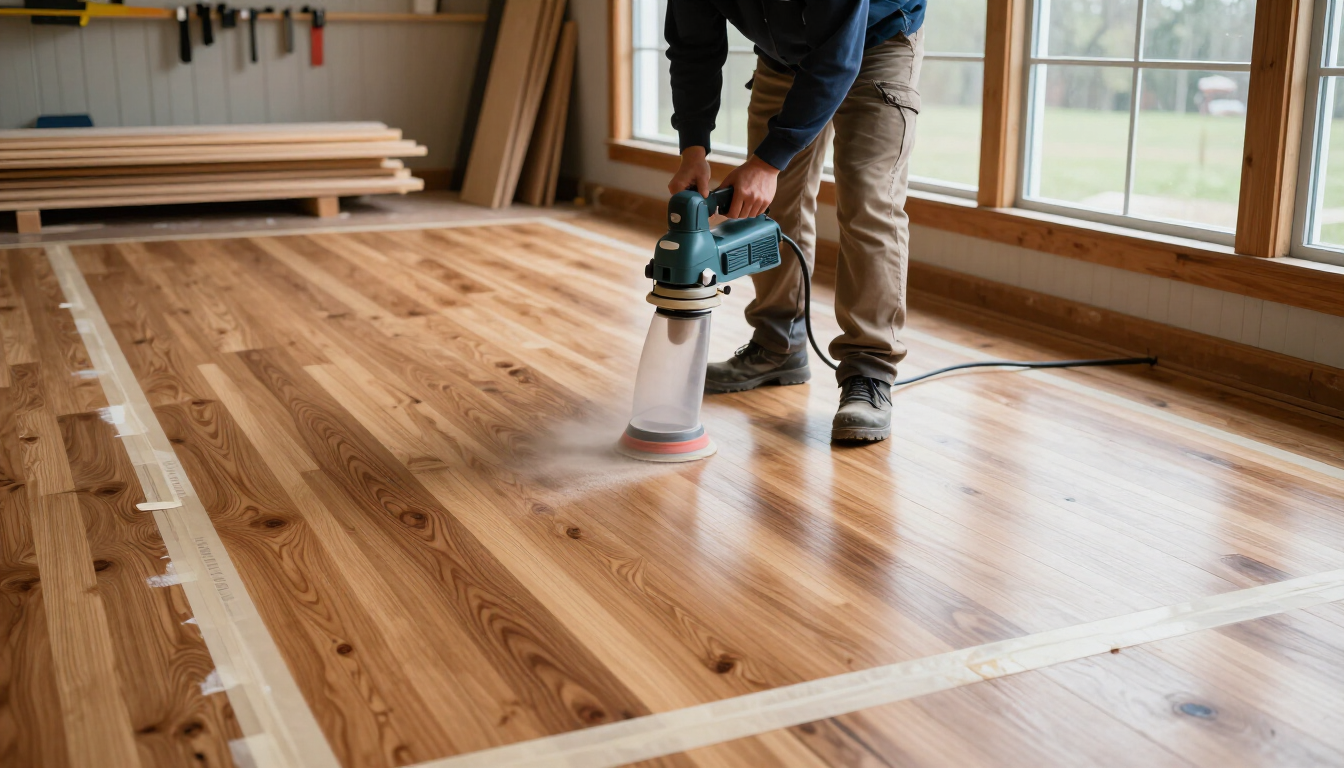
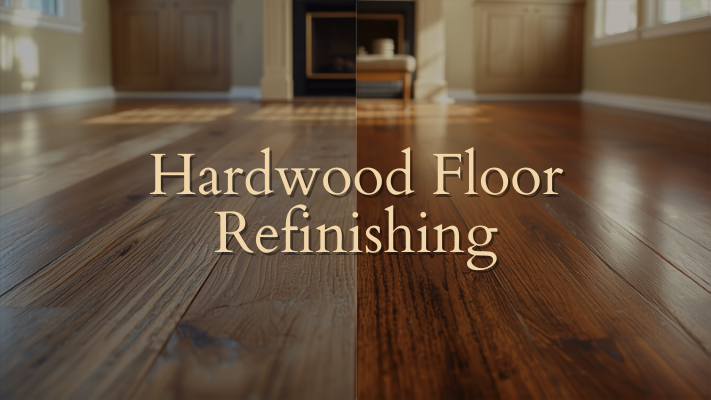
Sometimes, DIY just won't cut it. If your floors have widespread damage, deep gouges, or the finish is completely worn away in large sections, it's time to think about professional help. Refinishing involves sanding down the entire floor to bare wood and then applying a new finish. It's a bigger job, but it can make your floors look brand new again. If you're seeing a lot of wear and tear across the whole floor, or if your DIY attempts aren't working, it might be time to look into professional floor restoration services. They have the tools and experience to handle more significant damage and give your floors a complete makeover.
Seasonal Care For Optimal Preservation
Hardwood floors can really feel the changes from one season to the next. Keeping them looking good year-round means paying a little extra attention when the weather shifts. It's not just about cleaning; it's about protecting them from the elements, both inside and out.
Humidity Control Throughout The Year
Humidity is a big deal for wood. Too much, and it can swell, leading to cupping or buckling. Too little, and it shrinks, which can cause gaps between the boards or even cracks. Maintaining a stable humidity level is key to preventing long-term damage.
- Invest in a hygrometer: This little gadget tells you the exact humidity level in your home. Aim for a range between 35% and 55%.
- Use a humidifier in dry months: Especially during winter when heating systems dry out the air.
- Employ a dehumidifier in humid months: This helps prevent excess moisture from settling into the wood.
- Ensure good ventilation: Proper airflow helps regulate moisture.
Wood is a natural material, and like all natural things, it reacts to its environment. Think of it like a sponge; it absorbs and releases moisture. When that process happens too quickly or too extremely, the wood can get stressed.
Preparing Floors For Winter's Dryness
Winter is often the driest season, thanks to heating systems working overtime. This can really take a toll on your hardwood floors. You might start noticing small gaps appearing between the boards as the wood contracts. It's also when finishes can become brittle and more prone to scratching.
- Turn on your humidifier early: Don't wait until the air is bone dry. Start humidifying as soon as you turn on the heat.
- Wipe up spills immediately: Even small amounts of water can be absorbed and cause issues in dry air.
- Avoid excessive direct sunlight: While sunlight can warm a room, prolonged exposure can dry out and fade wood.
Summer Moisture Management Tips
Summer brings its own set of challenges, mainly increased humidity. Air conditioners can help, but sometimes they aren't enough, especially in coastal or very humid regions. You want to avoid letting moisture sit on the floor.
- Use your dehumidifier: Keep it running during humid spells.
- Check for leaks: Make sure there are no plumbing issues or roof leaks that could be affecting indoor humidity.
- Be mindful of wet shoes: Ask people to remove shoes at the door, especially after walking in the rain.
- Clean up tracked-in water: If shoes get wet, dry them off before walking on the wood.
Professional Hardwood Floor Maintenance In Chattanooga
Even with the best DIY efforts, sometimes your hardwood floors need a little extra help. That's where professional services come in, especially if you're in the Chattanooga area. Getting expert eyes on your floors can make a huge difference in their longevity and appearance.
Choosing A Reputable Chattanooga Service
Finding the right people for the job is key. You don't want just anyone working on your beautiful floors. Look for companies with good reviews and a solid history in the Chattanooga community. Ask friends or neighbors for recommendations – word-of-mouth is often the best way to find reliable pros. Check their websites for before-and-after photos and testimonials. It's also a good idea to get a few quotes to compare pricing and services.
Understanding Refinishing And Restoration Options
Professionals can do more than just a quick clean. They offer services like refinishing and restoration. Refinishing usually involves sanding down the old finish and applying a new one. This can completely change the look of your floors or bring back their original luster. Restoration is a bit more involved, often tackling deeper scratches and wear.
Here are some common services you might find:
- Screen and recoat: This is a lighter option that adds a new protective layer without full sanding.
- Sanding and refinishing: This is the more intensive process for floors with significant wear or damage.
- Color staining: If you want to change the hue of your wood, this is an option during refinishing.
- Board replacement: For severely damaged sections, professionals can replace individual planks.
Sometimes, the wear and tear on your floors tell a story. While you might want to preserve that history, significant damage can eventually compromise the wood itself. Professionals can assess whether a repair is cosmetic or structural.
Scheduling Regular Professional Check-ups
Think of professional check-ups like your car's oil changes. They aren't always strictly necessary for immediate function, but they prevent bigger problems down the road. A professional can spot potential issues like moisture problems or early signs of finish breakdown that you might miss. They can recommend the best course of action to keep your floors looking great for years to come. It's a good idea to have them come out at least every few years, or more often if you have high traffic or pets.
Keeping your hardwood floors looking great in Chattanooga doesn't have to be a chore. We offer top-notch care to make sure your floors stay beautiful for years to come. Want to learn more about how we can help? Visit our website today!
Looking Ahead: Keeping Your Floors Beautiful
So, we've talked about how to keep your hardwood floors looking good for years to come, all the way up to 2026 and beyond. It might seem like a lot, but really, it's just about staying on top of things. A little regular sweeping, a quick wipe-down when something spills, and maybe a deeper clean now and then. Think of it like taking care of anything you own that you like – a bit of attention goes a long way. Your floors are a big part of your home, and with these simple steps, they'll stay looking great, adding warmth and style for a long time. No need for fancy gadgets or complicated routines, just good old-fashioned care. You've got this.
Frequently Asked Questions
How often should I really clean my hardwood floors?
For everyday upkeep, a quick sweep or dust mop a few times a week works wonders. For a deeper clean, aim for once a month, or more if you notice dirt building up. It’s all about keeping that shine looking fresh!
What's the biggest mistake people make when cleaning wood floors?
Using too much water is a big no-no! Wood and water don't mix well, and too much moisture can cause warping or damage. Always use a damp, not soaking wet, mop.
My dog scratched the floor. Can I fix this myself?
For light surface scratches, you might be able to buff them out with a special wood repair kit or even a walnut. Deeper gouges, however, might need a pro's touch to look their best again.
Do I really need rugs and mats?
Absolutely! Rugs and mats act like shields, catching dirt and grit before it can scratch your floors. Think of them as tiny floor guardians, especially in high-traffic spots like entryways.
How does humidity affect my wood floors?
Wood can expand when it's humid and shrink when it's dry. Keeping the humidity steady, usually between 35-55%, helps prevent gaps or buckling. A humidifier or dehumidifier can be a lifesaver.
When is it time to call in the experts for my floors?
If your floors have lost their shine, have deep scratches, or show signs of wear and tear that you can't fix yourself, it's probably time for a professional. They can refinish or restore your floors to look like new.