February Hardwood Floor Maintenance Tips for Chattanooga, Ringgold & Dalton Homeowners
February in Chattanooga, Ringgold, and Dalton can bring a mix of weather, and that means your hardwood floors might be facing some extra challenges. Winter moisture, salt, and general wear and tear can really take a toll. This guide is all about simple hardwood floor maintenance winter tips to keep your floors looking good through the rest of the cold season. We'll cover how to deal with wet shoes, protect your floors from gritty stuff, and give them a little TLC.
Key Takeaways
- Wipe up wetness from snow and rain right away to stop water damage.
- Use mats at entrances to catch dirt and moisture before it tracks onto your floors.
- Keep indoor humidity steady to prevent wood from expanding or shrinking.
- Clean up salt and de-icer residue regularly to avoid floor damage.
- Address small scratches promptly to prevent them from getting worse.
Combatting Winter's Moisture Impact On Your Floors
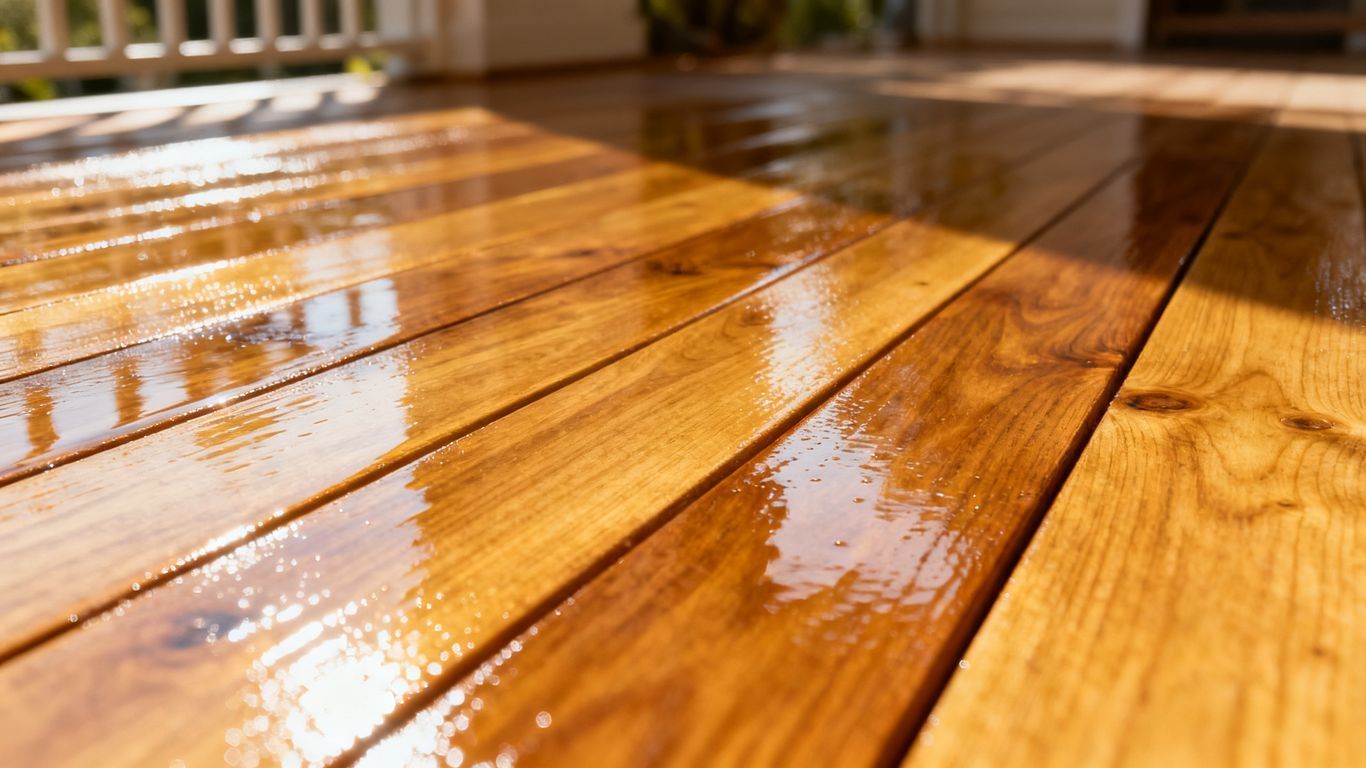
Winter in Chattanooga, Ringgold, and Dalton can bring a lot of wet weather, and that moisture is a real enemy to your hardwood floors. Snow, sleet, and rain can get tracked inside, and if it sits there, it can cause all sorts of problems. We're talking about warping, staining, and even mold if things get bad enough. It's really important to be proactive about keeping your floors dry.
Wipe Up Snow and Rain Immediately
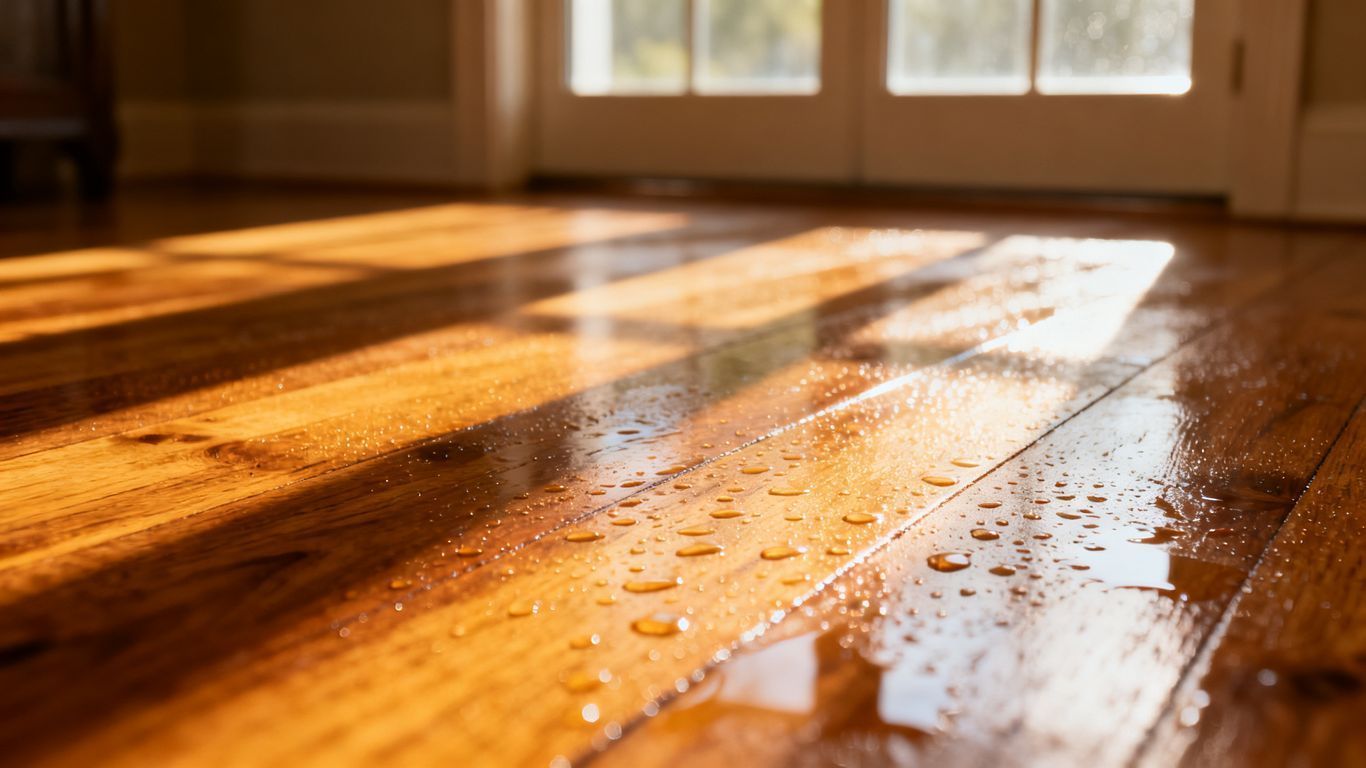
This might sound obvious, but you'd be surprised how often people let wet shoes sit by the door. As soon as you or your family members come inside, especially after being out in the wet, take a moment to wipe your feet thoroughly. Don't just do a quick shuffle; really get the soles of your shoes. If you have kids, make it a habit for them too. A simple towel kept by the door can make a big difference. For bigger messes, like a spilled drink or a puddle from a wet umbrella, grab a cloth or a mop right away. Don't let that water sit and soak in.
Utilize Entryway Mats Effectively
Good mats are your first line of defense. Have a sturdy mat outside your front door to catch the worst of the dirt and moisture before people even step inside. Then, have another absorbent mat just inside the door. This second mat acts like a sponge for any remaining water or slush. Make sure these mats are large enough to cover a good amount of space, so people have room to wipe their feet properly. Regularly clean your mats too; a dirty mat just spreads grime around.
Monitor Humidity Levels Indoors
This is something many homeowners overlook. The air inside your home can get really dry in the winter because of heating systems, or it can get too humid if you're not careful with ventilation. Both extremes aren't great for wood. Too dry, and the wood can shrink and crack. Too humid, and it can expand and warp. A hygrometer is a cheap tool that can help you keep an eye on this. Aim for a humidity level between 35% and 55% if possible. If your air is too dry, a humidifier can help. If it's too humid, opening windows for a bit (when it's not raining!) or using a dehumidifier might be necessary.
Keeping your hardwood floors dry during the winter months is a simple yet effective way to prevent long-term damage. Small, consistent efforts can save you from costly repairs down the line. Think of it as a little bit of effort now for a lot of peace of mind later.
Protecting Wood Floors From Salt and De-icers
Choose Pet-Safe and Floor-Friendly De-icers
Winter weather in Chattanooga means dealing with ice and snow, and that often involves salt or de-icing chemicals. These can be tough on your hardwood floors. When you're buying de-icers for your walkways, think about what's going on your shoes before you step inside. Many common de-icers contain harsh chemicals that can leave behind a gritty residue. This residue can scratch your floors over time, especially if it gets ground in by foot traffic. Look for products that are specifically labeled as safe for wood or concrete, and ideally, pet-friendly. Some products are made with natural ingredients that are less likely to cause damage. It's always a good idea to check the product label carefully before you buy.
Regularly Clean Away Residue
Even with the best de-icers, some residue is bound to make its way inside. It’s important to clean this up regularly. Don't let it sit and build up.
- Wipe down entryways daily: Keep a microfiber cloth or a damp mop handy near your main entrances. A quick wipe after heavy traffic can make a big difference.
- Sweep or vacuum frequently: Use a soft-bristle broom or a vacuum cleaner with a hard floor attachment. This will pick up loose salt crystals and grit before they can scratch your floor.
- Damp mop weekly: Use a damp mop with a wood floor cleaner. Make sure the mop is not soaking wet – you don't want excess water sitting on the wood.
Letting salt and de-icer residue sit on your floors is like sandpaper for your finish. It grinds into the wood with every step, causing dullness and tiny scratches that can eventually wear down the protective coating.
Consider Protective Booties for Footwear
This might sound a little extra, but for some homes, it's a game-changer. If you have a lot of people coming and going, or if you know you'll be tracking in a lot of wetness, think about having some sort of foot covering available.
- Keep a basket of clean slippers or shoe covers by the door. This is especially helpful for guests.
- Designate a "shoe-off" zone right at the entryway.
- Use washable rugs or mats that can be easily cleaned or replaced if they get too worn down by salt.
Deep Cleaning Techniques For February
February can leave your hardwood floors looking a bit sad. All that tracked-in slush, salt, and general winter grime really takes a toll. It’s time for a good clean, but you have to be careful not to do more harm than good. Gentle, consistent cleaning is key to keeping your floors looking great through the rest of winter.
Gentle Cleaning Solutions for Winter Grime
Forget harsh chemicals. They can strip the finish off your floors or leave behind a dulling residue. For everyday dirt and grime, a damp mop with a pH-neutral cleaner specifically made for hardwood floors is your best bet. You can also mix a tiny bit of mild dish soap with water – just a drop or two in a bucket. Always wring out your mop really well so it’s just barely damp. For tougher spots, like dried mud or sticky messes, you might need a bit more attention. Try a soft cloth dampened with your cleaning solution and gently rub the spot. Sometimes, a bit of patience is all it takes.
Avoid Excessive Water Usage
This is probably the most important rule for hardwood floors, especially in winter. Wood and water don't mix well. Too much moisture can cause the wood to swell, warp, or even lead to mold and mildew issues down the line. Think of it like giving your floors a quick bath, not a soak. Your mop should feel almost dry to the touch. If you see puddles or your floors are visibly wet after mopping, you’re using too much water. It’s better to mop more frequently with less water than to do one big, wet clean.
Buffing for Restored Shine
After cleaning and letting your floors dry completely, you might notice they look a little dull. This is where buffing comes in. You can use a soft microfiber cloth or a buffer machine (you can often rent these) to bring back that lovely sheen. For a quick touch-up, just buffing with a dry microfiber cloth can make a surprising difference. If you want a bit more shine, there are hardwood floor polishes available, but make sure they are compatible with your floor’s finish. Always test in an inconspicuous area first.
Winter can be tough on your home's surfaces. The constant in-and-out, the moisture, and the grit all contribute to wear and tear. Taking a little extra time in February to clean and care for your hardwood floors properly will pay off in the long run, preventing bigger issues and keeping them looking their best.
Addressing Scratches and Wear During Colder Months
February can be tough on your hardwood floors. Between the constant foot traffic from wet shoes and the general wear and tear of winter, you might start noticing some scratches and dull spots. Don't worry, though; there are ways to tackle these issues before they become bigger problems.
Minor Scratch Repair Tips
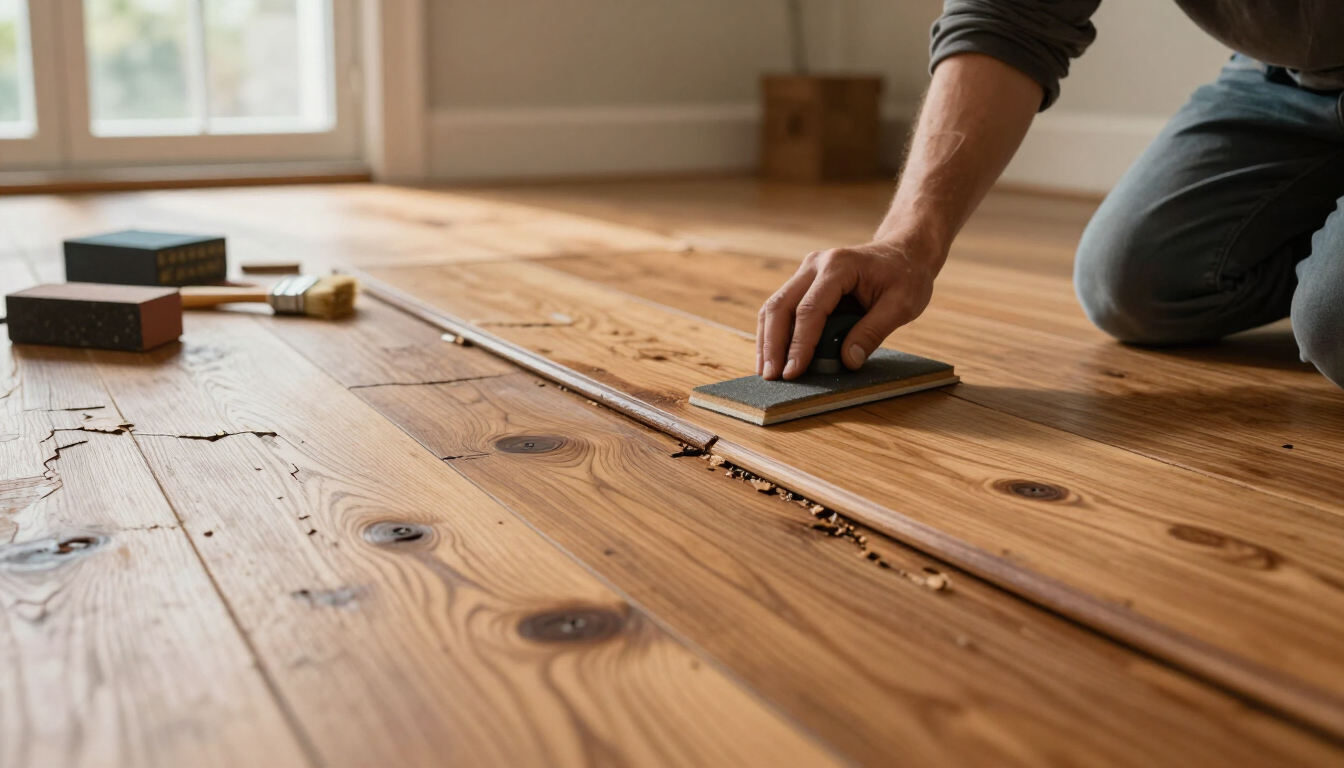
Small nicks and scratches are pretty common, especially during these colder months. The good news is that many of them can be fixed without calling in the pros. Here’s what you can try:
- For light surface scratches: Often, a good buffing can make these disappear. Use a soft cloth and a bit of your floor's recommended polish. Work in the direction of the wood grain.
- For deeper scratches: You might need a wood repair crayon or a touch-up pen that matches your floor's color. Carefully fill the scratch, then wipe away any excess with a clean cloth.
- The walnut trick: For very minor scuffs, try rubbing a walnut (the nut itself!) over the scratch. The natural oils can sometimes fill in and disguise the mark.
Remember, the goal with minor repairs is to blend the damage in, not to make it completely invisible. Overdoing it can sometimes draw more attention to the spot.
When to Call a Professional for Refinishing
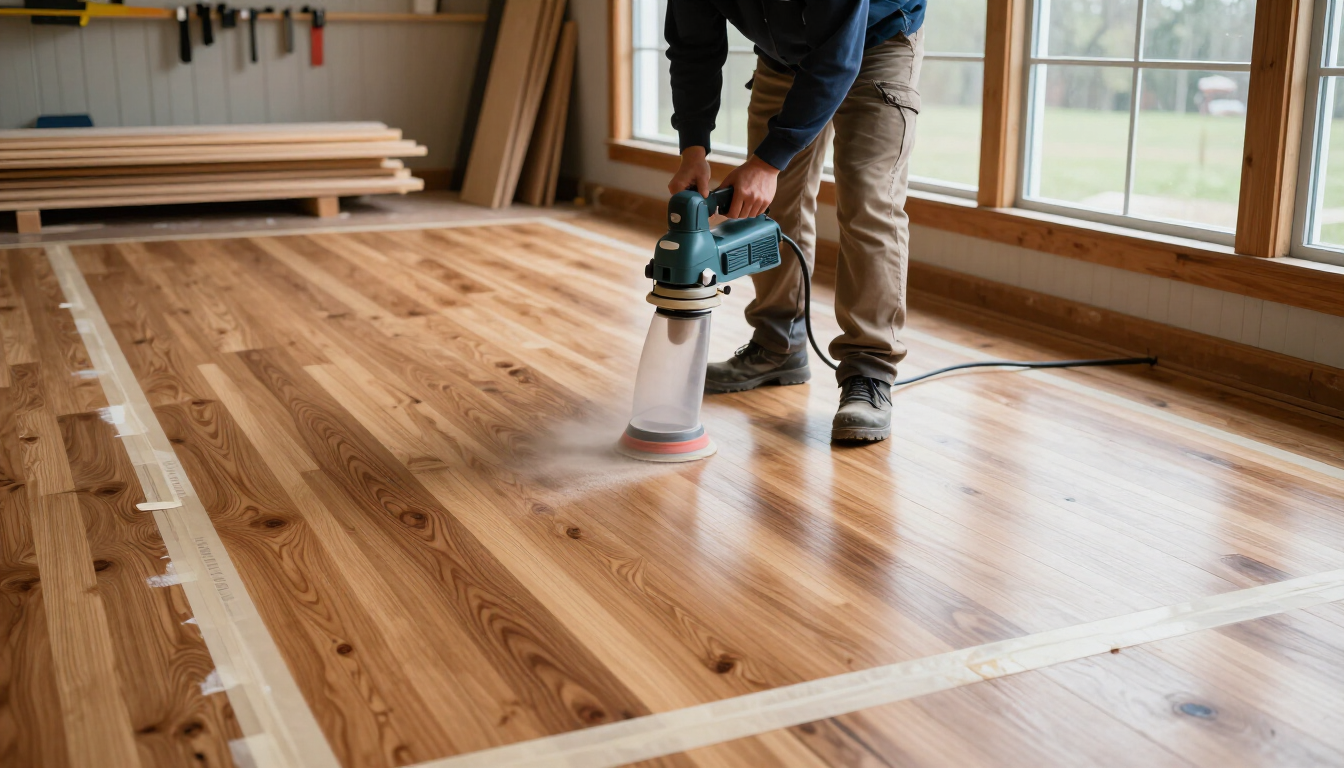
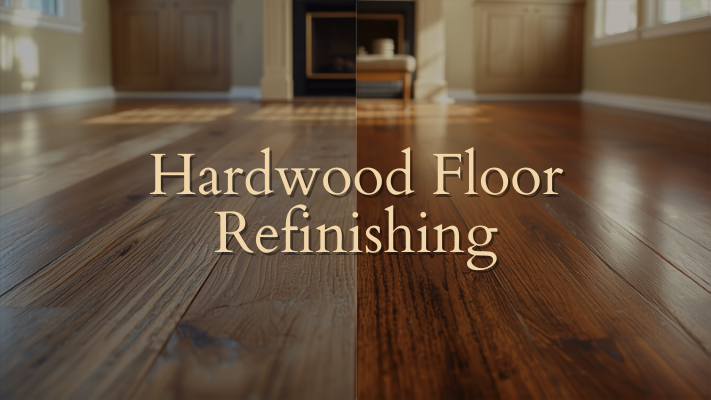
Sometimes, the wear and tear go beyond a simple scratch. If you're seeing a lot of deep gouges, widespread dullness, or if the finish seems to be wearing off in large areas, it might be time to think about a professional refinish. This is a more involved process that can bring your floors back to life, but it's definitely a job for the experts. They have the tools and knowledge to sand down the old finish and apply a new one, making your floors look almost new again. It’s a bigger investment, but for floors that have seen better days, it can be totally worth it.
Preventing Future Winter Damage
Winter can be tough on hardwood floors, but a little foresight goes a long way in keeping them looking good year after year. Thinking ahead now means less worry when the snow starts flying next year.
Strategic Furniture Placement
It might seem obvious, but how you arrange your furniture can make a difference. Heavy items, especially those with sharp or narrow legs, can cause dents and scratches over time, particularly when the wood is more susceptible to damage due to dry indoor air.
- Consider using felt pads on the bottom of all furniture legs. This is a simple fix that prevents most types of scratching.
- When placing heavy pieces, like sofas or pianos, think about distributing the weight. If possible, avoid placing them directly on seams where floorboards meet.
- Rotate furniture occasionally. This helps prevent uneven wear patterns and allows different areas of the floor to breathe, so to speak.
Regular Inspections for Early Detection
Don't wait for a problem to become a big one. A quick check-up now and then can catch small issues before they turn into costly repairs. Catching wear and tear early is key to maintaining your floor's integrity.
- Walk around your home and look for any new scratches, scuffs, or areas where the finish might be wearing thin. Pay close attention to high-traffic zones.
- Check the edges of your floor where it meets the walls. Sometimes moisture can seep in here, causing swelling or discoloration.
- Look at your baseboards too. Any gaps or damage there could indicate bigger issues with the floor structure underneath.
Winter's dry air can make your hardwood floors shrink slightly. This can open up small gaps between boards, which might seem harmless but can trap dirt and moisture. Regular cleaning and keeping an eye on humidity levels helps prevent this. It's all about creating a stable environment for your wood.
Think of these steps as giving your floors a little armor for the colder months, and honestly, for the rest of the year too. It's not a lot of work, but it really does help keep them in top shape.
To keep your floors looking great all year round, it's smart to take steps before winter hits. Simple actions now can save you a lot of trouble later. Want to learn more about how to protect your beautiful floors from the cold season? Visit our website for expert tips and advice.
Wrapping Up Your February Floor Care
So, that's the lowdown on keeping your hardwood floors looking good this February around Chattanooga, Ringgold, and Dalton. It's not rocket science, really. Just a little bit of attention can go a long way in preventing those annoying scuffs and keeping the shine. Remember, a quick sweep or vacuum most days and a damp mop when needed makes a big difference. Don't wait too long to tackle spills either; they can be a real pain to get out later. Taking these simple steps now means you won't have to worry about bigger fixes down the road. Your floors will thank you, and honestly, so will your wallet.
Frequently Asked Questions
Why is it important to clean up wet stuff from my floors right away in February?
Winter weather in places like Chattanooga can bring rain and melting snow. When this wetness sits on your wood floors, it can soak in and cause damage. It might make the wood swell up, warp, or even lead to mold. Wiping it up quickly keeps your floors looking good and prevents these problems.
How can entryway mats help my wood floors?
Mats at your doors are like a first line of defense! They catch a lot of the water, mud, and salt that you track in from outside. This means less wetness and gunk makes it onto your nice wood floors, saving them from potential stains and scratches.
What's the best way to clean up salt and de-icer residue?
Salt and de-icers can be tough on wood. It's best to use a cleaner made specifically for wood floors, or even just a damp (not soaking wet!) mop with a little bit of mild soap. Make sure to rinse the mop often and don't leave puddles. Regular cleaning prevents these chemicals from eating away at your floor's finish.
Should I worry about the air being too dry or too wet inside my house in winter?
Yes, you should! Wood is a natural material that can expand when it's humid and shrink when it's dry. In winter, heating systems can make the air very dry, which can cause wood floors to shrink and even crack. Using a humidifier can help keep the air at a good level, usually between 35-55%, to protect your floors.
What if I notice small scratches on my wood floors?
Little scratches happen, especially with winter foot traffic. For very minor ones, you might be able to use a wood repair marker or crayon that matches your floor color. Gently rub it into the scratch. For deeper scratches or if you're unsure, it's often better to wait and have a pro look at it.
When is it time to call a professional for my wood floors?
If your floors have deep gouges, widespread scratches, or the finish looks dull and worn out all over, it might be time for professional help. A pro can sand down the floors and apply a new protective coat, making them look like new again. It’s better to get this done before the damage gets too bad.