How to Choose the Right Finish in October Weather for Homes in Trenton, Rossville & Chattanooga

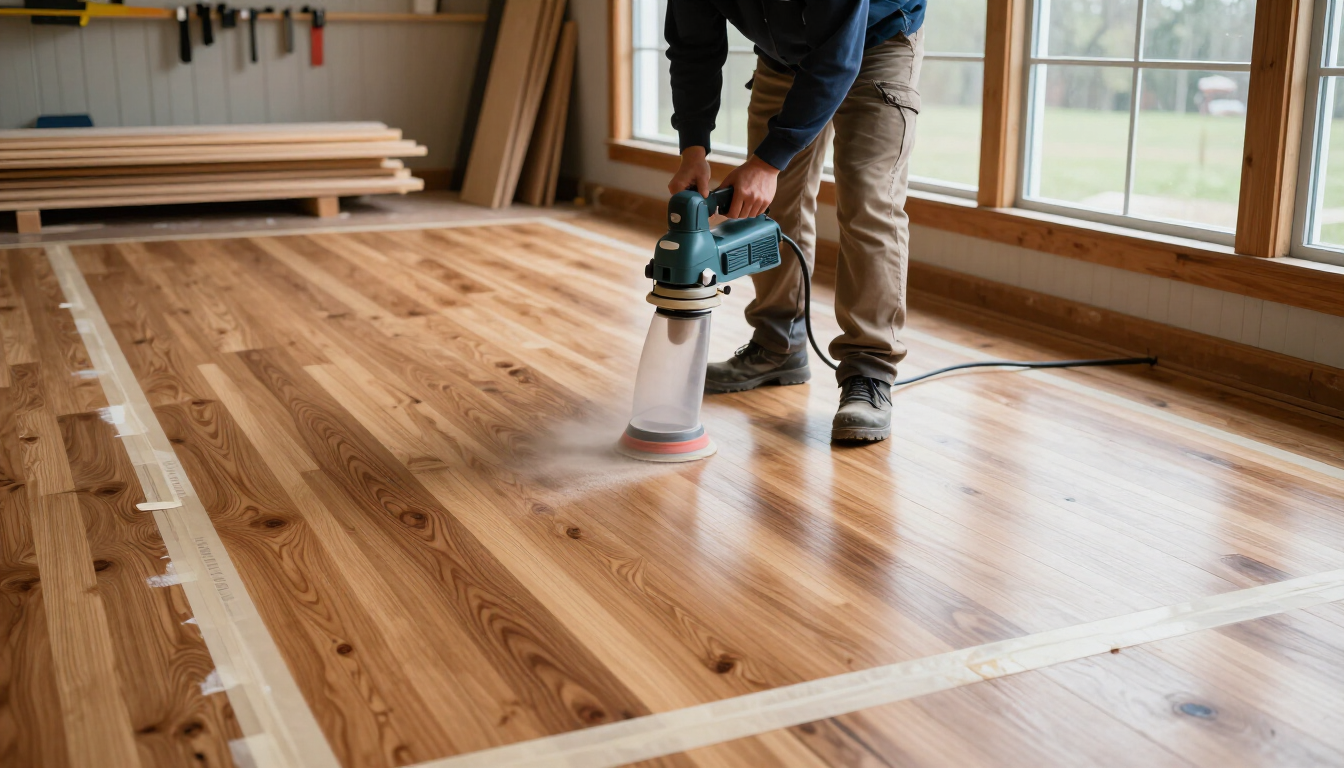
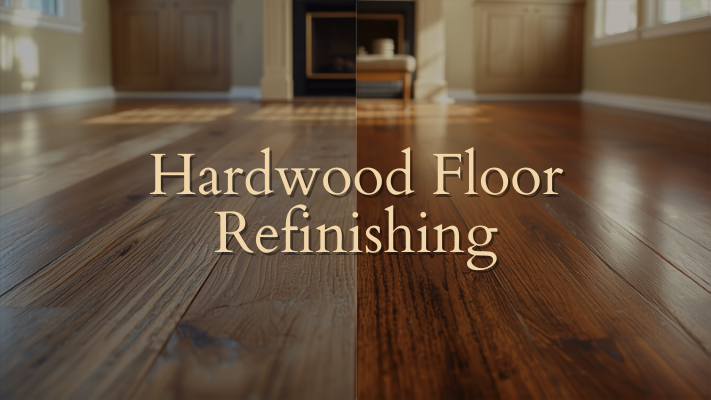
October weather in Chattanooga, Trenton, and Rossville can be unpredictable. One day it feels like summer, and the next you’re searching for your jacket. If you’re thinking about hardwood floor finishing in Chattanooga this month, you’ll want to pay attention to how the weather can mess with your plans. Between temperature swings and humidity, picking the right finish for your floors can feel overwhelming. Let’s break down what you need to know so your floors look great and last longer, no matter what the weather throws your way.

Key Takeaways

  • October weather in Chattanooga and nearby towns means you need to plan for sudden temperature and humidity changes.
  • Water-based and oil-based finishes react differently to fall weather, so choose what fits your home’s needs.
  • Drying and curing times can take longer in October, so patience is important for the best results.
  • Busy homes need tough finishes that can handle a lot of foot traffic and are easy to clean.
  • Hiring a local pro who knows how to work with October weather can save you time, money, and headaches.

Understanding October Weather Challenges in Chattanooga and Surrounding Areas

October in Chattanooga, Trenton, and Rossville comes with its own set of surprises for homeowners—especially for anyone thinking about hardwood floor finishes. The change in weather can make a big difference in how well your floor finish sticks around. If you haven’t thought about these local weather changes, you might end up redoing your floors sooner than you’d hoped.

Temperature Fluctuations and Their Effects on Finishes

October can be all over the place when it comes to temperature. One day it feels like summer all over again, and the next day you need a warm jacket. These swings can be tough on any new finish, sometimes causing:

  • Fast drying on hot days, leaving brush marks or streaks
  • Slow curing on cooler nights, leading to a tacky or soft surface
  • Unexpected gaps or cracks as the wood expands and contracts

A steady indoor temperature helps a lot, but not everyone runs their HVAC nonstop this time of year.

Humidity Considerations for Homeowners

You know that sticky feeling you get some days, even in October? Well, that’s humidity doing its work. High humidity can slow down how quickly your finish dries, and too little can make it dry too fast. Neither is great if you want a smooth, flawless result.

  • Wet air draws out the drying process and raises the risk of surface bubbles.
  • Dry air might shrink boards after finishing, leaving tiny gaps you didn’t expect.
  • Fluctuations can create an uneven look or reduce finish life.
If you can manage humidity with a dehumidifier or by picking your project days carefully, it’ll save you headaches later on.

Weather Patterns Unique to Trenton, Rossville and Chattanooga

These three places sit close together, but the local hills, valleys, and rivers play tricks on the weather. Rain can roll in fast, then disappear just as quickly. Foggy mornings are more common here than you’d think. Plus, wind gusts can bring in a chill out of nowhere.

  • Sudden rain can make it impossible to do any finishing if windows are open for ventilation.
  • River valleys tend to trap moisture, making floors vulnerable to swelling.
  • Dry, gusty spells will kick up more dust, which can settle right into wet finishes.

Think of October in this part of Tennessee and Georgia as unpredictable—plan accordingly, and your new floors will thank you. Keeping an eye on the local forecast is only half the battle; understanding what your house feels like on the inside is just as important.

Popular Hardwood Floor Finishing Choices for Local Homes

Choosing the right finish for your hardwood floors in October around Trenton, Rossville, and Chattanooga can make a big difference in long-term satisfaction and upkeep. The autumn weather affects how products behave and cure, so let's go through some favorites and see which works best for your home.

Water-Based Polyurethane and Its Performance

Water-based polyurethane is probably the go-to finish for a lot of folks in the area. It's popular because it's quick to dry and gives off less odor, making it a fit for families who don't want their space out of commission for long. One standout benefit is that it keeps your wood's natural color without turning it yellow over time.

  • Dries much faster than traditional finishes, which is helpful with unpredictable Chattanooga weather.
  • Less lingering odor — no opening windows for days on end.
  • Cleans up easily with soap and water.
If you have kids or pets running around, a water-based finish lets you get back to normal life faster without the heavy smell.

Oil-Based Finishes for October Applications

When folks in this region want a deeper-looking shine, oil-based polyurethane is a classic choice. It's tougher long-term, but it does come with a longer wait time between coats, especially in cooler, damper months. In October, drying can drag out, so you’ll need a bit more patience.

  • Builds a thicker layer for heavy foot traffic.
  • Adds a warm, amber tone to hardwoods versus a clear finish.
  • Holds up well to regular cleaning and occasional spills.

Recommendation: If your home gets a lot of traffic and you want that traditional rich look, this could be the right finish — just plan for a longer project timeline.

Natural Wax and Penetrating Oil Finishes

Natural wax and penetrating oils give a different vibe compared to polyurethanes. These bring out the wood's beauty in a subtle way and are especially suited for old homes or folks who don’t mind a bit more regular upkeep. They're also often favored by those who want something with fewer chemicals since some products rely on natural ingredients.

  • Allows the wood to feel and look matte and authentic.
  • Easy to touch up small scratches or areas of wear without redoing the entire floor.
  • Needs more frequent reapplication, usually once or twice a year.
For homes with historic character or for those who like doing a little hands-on work now and then, natural wax can be a rewarding option.

If your floors have moisture issues or need extra protection, waterproofing services in the Chattanooga area can help ensure your finish lasts longer and stays looking good despite seasonal changes.

How Climate Impacts Hardwood Floor Finishing in Chattanooga

October weather around Chattanooga brings its own set of problems for anyone working with hardwood floors. From cooler nights to humid midafternoons, you can’t just pick any product off the shelf and hope for the best. The region’s mix of changing weather really affects the way your floor finish dries and lasts.

Drying and Curing Times in Fall Weather

The ups and downs in temperature and humidity during October slow down the drying and curing of many floor finishes. If you aren’t careful, you could end up with:

  • Sticky floors that never seem to fully harden
  • Finish that looks dull or streaky
  • Extra-long waiting times before you can walk on the floors safely

You may find that even a water-based finish, which usually dries fast, can take hours longer thanks to cooler, more humid afternoons. Planning the timing of your project around these conditions makes a big difference for the outcome.


If you’re rushing the process during a cold spell, your floors could stay tacky and trap dust or paw prints from pets.

Indoor Air Quality and Ventilation Strategies

With windows often closed on cool fall days, keeping fresh air moving is tricky. That’s a problem when you’re using finishing products that put off fumes. To help with air quality:

  • Use fans near windows but never point them directly at drying floors
  • Crack a window slightly, even if it’s chilly out
  • Try to schedule finishing during milder, drier days for safer working conditions

These steps not only help clear out odors, but also reduce the risk of lingering fumes settling into the house for weeks.

Moisture Migration Concerns for Finished Floors

Chattanooga’s weather causes wood to shift as humidity rises and falls. Moisture sneaks in from outside and can get trapped under a floor finish. This leads to problems like:

  • Warping or cupping of wood planks
  • Cracking along the edges
  • Cloudy spots or peeling finish

Understanding seasonal humidity changes around Chattanooga is key. Homeowners should talk with pros about which finishes breathe better, or ask for moisture-control options if their home is prone to dampness.


Adapting your floor care to October’s weather saves you a lot of trouble and repair costs down the road.

Selecting the Right Finish for Busy Households

When you're living in a house with plenty of foot traffic—kids running through the hall, pets scratching around, guests dropping by—you have to think about more than just how your hardwood floors look. Choosing the wrong finish can mean more work down the line, so it makes sense to get it right the first time.

Durability Needs for High-Traffic Areas

Durability should be at the top of your checklist when you're picking a hardwood finish for high-traffic spots. Busy entryways, kitchens, and living rooms need something tough. Consider these options:

  • Water-based polyurethane offers solid scratch resistance and dries fast.
  • Oil-based polyurethane is classic and can handle a lot of wear—but takes longer to dry.
  • Low-sheen finishes like satin or pearl are especially good because they don't show scratches as quickly. For more information about these finishes, you might want to check out satin and low-sheen paint finishes.

Maintenance Requirements and Longevity

It’s not just about picking a durable finish; you’ll want something easy to keep up with, too. Some finishes hide dust and dirt better than others, while some need frequent touch-ups which isn't ideal in a busy place.

Here's what to look for in a finish that will stick around:

  1. A surface that cleans up with just a damp mop or gentle cleaner.
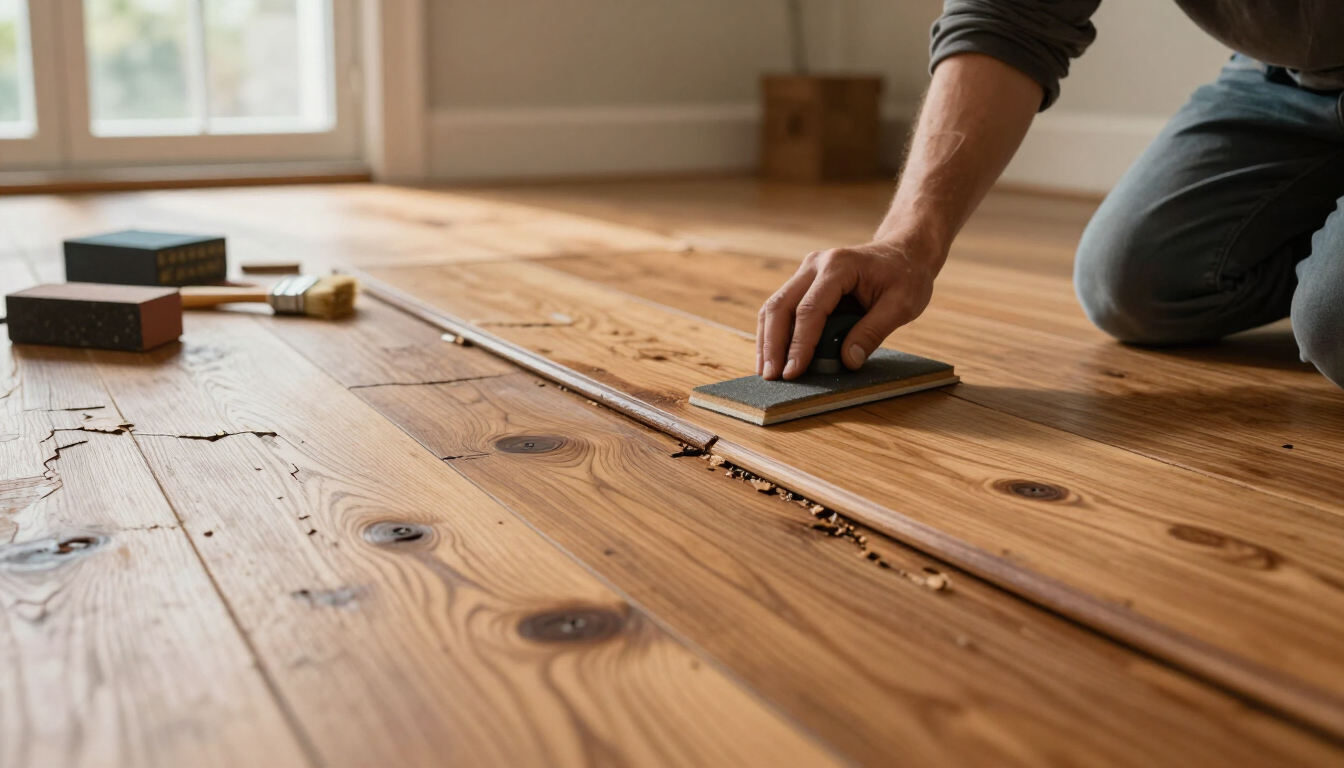
  2. A finish you can spot-repair rather than having to redo the whole floor every time it gets a mark.
  3. Products with built-in stain resistance, so you don’t panic every time someone drops a drink.
A bit of regular upkeep now and then will keep your floors looking good, but the finishing choice really sets the stage for how much effort you'll need long-term.

Aesthetics That Complement Local Architectural Styles

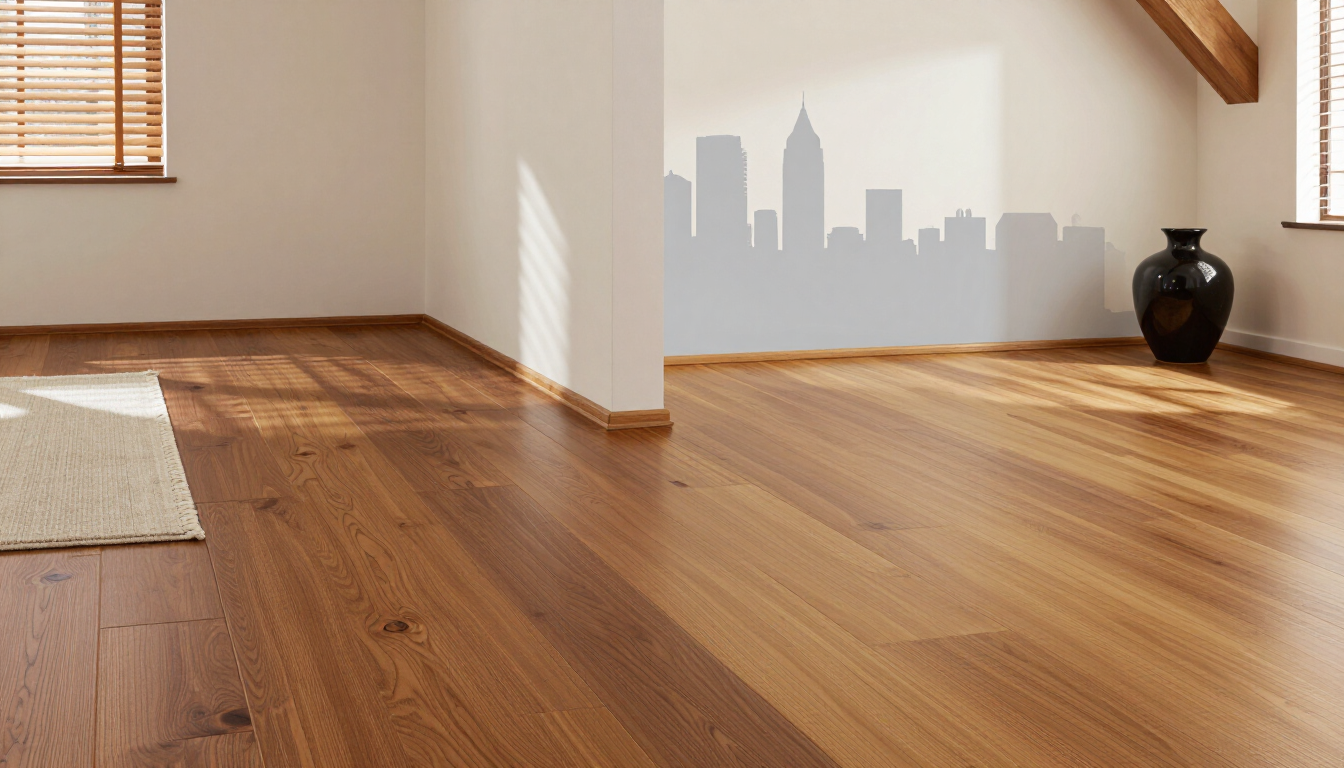
It's easy to get wrapped up in all the technical details, but looks matter, too. Floors should fit the vibe of your home. In the Trenton, Rossville, and Chattanooga areas, there's a blend of classic and modern homes, so picking a finish that works with both is handy.

  • Lighter satin or matte finishes fit right in with airy, updated spaces.
  • Warm, semi-gloss tones highlight traditional details in older homes.
  • Rustic, natural wax looks create a cozy, welcoming feel but will need a bit more hands-on care.

Some households want their floors to blend in quietly; others want that shiny, "notice me" look. Whatever your style, there's a finish out there to match.

Eco-Friendly Floor Finishing Options for October Projects

Choosing a green approach to floor finishing comes with more than just peace of mind—it brings lasting benefits to your household and the environment. As autumn kicks in around Chattanooga, Trenton, and Rossville, eco-friendly options stand out for their safety, freshness, and how well they handle local weather shifts. If you’re planning a floor refinish this October, here’s what to consider.

Low-VOC and Green Finishing Products

Nobody wants lingering fumes indoors while the windows are closed against cool or damp October air. That’s where low-VOC (volatile organic compound) finishes come in. Using these products cuts down on indoor air pollution and makes floors safer, especially for kids and pets. Here’s what homeowners usually like about them:

  • Faster drying and curing, thanks to water-based formulas
  • Reduced harsh chemical smells
  • Less impact on allergy sufferers or anyone sensitive to strong odors
  • Proven protection and resilience against tracked-in debris and fall mud

If you want to check out more advice on eco-friendly flooring and keeping things family-friendly, tips on sustainable and durable options for homes in the region are well-detailed.

Sustainable Sourcing of Hardwood Floor Materials

October is a great time to rethink what’s beneath your feet. Choosing wood that’s harvested from managed forests or reclaimed sources is a practical way to cut down on environmental harm. Some quick tips:

  1. Ask suppliers about certification—look for labels like FSC (Forest Stewardship Council).
  2. Explore reclaimed or salvaged hardwood from deconstructed buildings.
  3. Support regional mills to cut down transport emissions and support local jobs.

Benefits of Environmentally Conscious Choices

There’s more to it than a cleaner conscience. Picking eco-friendly finishes and materials for your floor can:

  • Boost your home’s resale appeal to buyers who care about sustainability
  • Reduce allergy triggers indoors
  • Often make maintenance simpler, since many green finishes are easy to spot-repair
For a lot of families, switching to green finishes just feels right. The air smells fresher, cleanup is a breeze, and everyone—especially the little ones—spends less time worrying about chemicals getting tracked through their home.

With eco-friendly floor finishing, you’re not only making your house safer for October and beyond, you’re also setting a good example for others in your community.

Hiring Professional Hardwood Floor Finishing Contractors in Chattanooga

Evaluating Local Experience With October Finishing

If you're planning a hardwood floor project in October, you really want someone with local know-how. October weather around Chattanooga, Trenton, and Rossville is tough on finishes, so find contractors who’ve seen their share of weird temperature swings and damp spells. Here’s what you should focus on:

  • Ask for examples of floor work completed during past fall seasons — photos, addresses, anything that proves experience.
  • Check if the contractor can talk through how temperature and humidity in October affect their process or product picks.
  • Find out whether they adjust their equipment or schedule for autumn weather shifts, like starting early or running extra fans.
It’s worth checking: contractors who work through local Octobers tend to have good tricks for avoiding sticky finishes or longer drying times.

Key Questions to Ask Before Hiring

Stressing over the right questions? Here are a few you should consider. These are not just standard inquiries—they’ll help weed out anyone who’s not suited to local fall projects. Good questions save time and frustration in the long run.

  1. Do you guarantee finish durability during October?
  2. How do you handle weather delays or unexpected increases in humidity?
  3. What products and brands do you recommend for autumn jobs, and why?
  4. Can you share references of recent fall-season customers?
  5. Are you licensed and insured for this type of work in Tennessee or Georgia?

Ensuring Quality and Warranty Support

It pays off to find out how a contractor stands by their work. Inconsistent weather can ruin a finish, so you want a warranty that means something. When discussing terms:

  • Get the warranty policy in writing, especially coverage for seasonal floor issues.
  • Clarify what happens if you spot problems—will they fix sticky or uneven areas without extra charges?
  • Check if there's a follow-up visit. Some contractors pop back to see how your floor looks after a few weeks.
Taking the time to understand the warranty gives you peace of mind, especially since October’s weather puts finishes to the test.

Protecting Finished Floors During Seasonal Changes

As the weather shifts in October, taking care of your finished hardwood floors can feel like a whole new project. The mix of rain, falling leaves, and colder nights means your floors need some extra attention if you want them looking good all winter long.

Optimal Cleaning Routines for October Weather

When fall hits, sweeping and damp mopping become even more important. Mud, tiny stones, and grit can scratch your floor’s finish much faster during this season. Here’s what helps:

  • Sweep or vacuum every couple of days, especially near entryways
  • Use doormats and remove shoes inside to keep dirt off the floors
  • Mop with a damp (not wet) cloth and a cleaner approved for your wood type
You’re not just cleaning up visible dirt—a regular routine helps you spot water spots or scratches before they lead to something bigger.

Preventing Moisture Damage and Warping

In October, humidity and sudden cold spells create problems for floor finishes. Protect your floors by managing indoor moisture with these habits:

  1. Run a dehumidifier when it’s muggy or after heavy rain
  2. Wipe spills quickly (don’t let water collect near entrances)
  3. Make sure windows and doors are sealed tight so moisture doesn’t sneak in

A little attention to humidity levels goes far—expanding and contracting wood is usually what leads to warping or cracks.

Tips for Maintaining Finish Shine and Luster

A dull finish just makes a room look tired. These steps keep your floors shiny, even as the weather turns:

  • Use furniture pads to prevent chair and table scratches
  • Polish once a month with a product compatible with your specific finish
  • Avoid dragging anything heavy—lift, don’t slide!
A little prevention now will save you from having to refinish the whole floor later on. Just a few smart habits hold off major repairs.

Sudden cold, heat, rain, or dry air can all make your wood floors react in different ways. Protecting your floors is especially important as the seasons change. Don't let moisture or dirt hurt the look of your floor—visit our website now for tips and services to keep your floors in great shape!

Wrapping Things Up

So, picking the right finish for your home in October around Trenton, Rossville, or Chattanooga isn’t as tricky as it sounds. Just keep an eye on the weather, think about how much rain or cold you might get, and don’t rush the job. If you’re not sure what to use, ask someone at your local hardware store—they usually know what works best for the area. At the end of the day, a little planning goes a long way. Your house will look good and hold up better through the season. Good luck, and don’t forget to check the forecast before you start!

Frequently Asked Questions

What kind of floor finish works best in October for homes in Chattanooga, Trenton, and Rossville?

Water-based polyurethane is a popular choice because it dries quickly and handles the cooler, sometimes damp October air well. Oil-based finishes also work but may take longer to dry in cooler weather.

How does October weather affect the drying time of floor finishes?

In October, temperatures can go up and down, and humidity may be higher. This can make finishes take longer to dry and cure, so it’s important to follow the product instructions and allow extra time if needed.

Are there eco-friendly finish options for hardwood floors?

Yes, there are low-VOC (volatile organic compound) and water-based finishes that are better for the environment and safer for your family. These finishes also help keep indoor air cleaner.

What should I ask a contractor before hiring them to finish my floors in October?

Ask if they have experience working with local October weather, what types of finishes they recommend, and if they offer a warranty on their work. It’s also good to ask about their process for keeping your home clean and safe during the job.

How can I protect my finished floors during the fall season?

Keep floors clean by sweeping often, wipe up any spills right away, and use mats at entryways to keep dirt and water off the wood. Try to keep indoor humidity steady to prevent the wood from swelling or shrinking.

Do I need to worry about moisture damaging my floors in October?

Yes, moisture can be a problem, especially if it’s rainy or humid outside. Make sure your home is well-ventilated and use a dehumidifier if needed to keep the air dry and protect your floors.
hardwood floor sealing
By Rise Design June 28, 2026
Learn why hardwood floor sealing before summer is important. Protect your floors from damage and wear.
hardwood floors summer humidity
By Rise Design June 26, 2026
Learn how hardwood floors summer humidity affects Southern homes. Get tips to protect your floors.
protect hardwood floors rugs
By Rise Design June 24, 2026
Find the best protect hardwood floors rugs for summer. Keep your floors safe and stylish.
hardwood floor care summer
By Rise Design June 22, 2026
Master hardwood floor care this summer with tips for high traffic, sand, and moisture. Keep floors looking new!
hardwood floor maintenance summer
By Rise Design June 20, 2026
Summer hardwood floor maintenance tips to protect your floors from moisture, spills, and sun. Keep them looking great!
hardwood floors summer homes
By Rise Design June 18, 2026
Considering hardwood floors for summer homes? Learn how they handle humidity and heat.
hardwood floor refinishing signs
By Rise Design June 16, 2026
Spot hardwood floor refinishing signs before fall. Learn what to look for.
hardwood floor warping, cupping
By Rise Design June 14, 2026
Summer can be tough on your hardwood floors, bringing issues like warping and cupping. Here are the main things to remember to keep your floors in good shape. Key Takeaways Wood expands and contracts with changes in humidity and temperature, which can lead to warping and cupping. Use dehumidifiers and proper ventilation to keep indoor humidity levels steady, ideally between 35-55%. Maintain a consistent indoor temperature, avoiding big swings that stress the wood. Good airflow, especially from your HVAC system, helps prevent moisture buildup. Protect floors with rugs, seal them properly, and clean up spills right away. Understanding Summer's Impact On Your Hardwood Floor Summer. It's usually a time for fun, but for your hardwood floors, it can be a bit of a challenge. Wood is a natural material, and like most things in nature, it reacts to its surroundings. The biggest players in this summer drama are humidity and temperature. Humidity's Role In Wood Expansion Think of wood like a sponge. When the air gets thick with moisture, especially during those sticky summer months, the wood in your floor starts to soak it up. This absorbed moisture causes the wood fibers to swell. It's this expansion that leads to common issues like cupping and crowning. Cupping: This is when the edges of your floorboards are higher than the center, making them look like little canoes. It happens because the bottom of the board is getting more moisture than the top. You can learn more about wood floor cupping occurs. Crowning: This is the opposite of cupping, where the center of the board is higher than the edges. It's less common but still a sign of moisture trouble. Gapping: While less common in summer (more of a winter issue), extreme moisture changes can sometimes cause boards to pull apart if they've previously swollen and then dried out too quickly. Wood doesn't just expand and contract randomly. It's a direct response to the moisture content in the air around it. High humidity means more water molecules getting into the wood, pushing those fibers apart. Temperature Fluctuations And Wood Movement Besides humidity, the heat of summer also plays a part. While wood doesn't expand and contract with temperature as much as it does with moisture, significant temperature swings can still stress your floors. When temperatures rise, the air holds more moisture, compounding the problem. If you're constantly turning the AC on and off, you're creating these swings. Common Signs Of Hardwood Floor Warping So, how do you know if your floors are starting to protest the summer weather? Keep an eye out for these signs: Visible Gaps: You might notice small spaces appearing between your floorboards, especially if they've recently dried out after being exposed to moisture. Uneven Surfaces: Boards that feel soft or spongy underfoot, or ones that are noticeably higher or lower than their neighbors, are a clear indicator. Sound Changes: Sometimes, as wood moves, it can start to creak or groan more than usual. This might be a subtle sign that something's up. If you're seeing these issues, it's a good idea to investigate the cause. Sometimes, it's just a temporary reaction to the weather, but other times, it can point to a more serious problem, like undetected leaks or other hidden water sources that are saturating the wood. Controlling Indoor Humidity To Prevent Hardwood Floor Warping Summer air can be a real challenge for your hardwood floors. That sticky, humid air outside often finds its way inside, and wood, well, it doesn't like that one bit. It soaks up moisture and swells, leading to all sorts of problems like cupping and warping. Keeping your indoor humidity in check is probably the single most important thing you can do to protect your floors during these warmer months. Using Dehumidifiers Effectively If you live in a place where summer means high humidity, a dehumidifier is your best friend. Don't just plug it in and forget about it, though. You need to use it smartly. Placement Matters: Put your dehumidifier in a central location or in areas prone to dampness, like basements or bathrooms. Set It Right: Aim for a humidity level between 35% and 55%. Too low and the wood can shrink, too high and it swells. Empty It Regularly: Make sure to empty the water tank often, or set up a continuous drain if your model allows. A full tank means a useless machine. Over-reliance on air conditioning can sometimes dry out the air too much, especially in less humid climates. It's a balancing act, and sometimes you might even need a humidifier in the winter and a dehumidifier in the summer. Ventilation Strategies For Moisture Management Good airflow is key to preventing moisture buildup. Think about how you can get that humid air moving out and drier air circulating in. Open Windows (When Appropriate): On days when the outside air is less humid than inside, opening windows can help. But be smart about it – don't let more moisture in! Use Fans: Ceiling fans and portable fans help keep the air moving, which discourages moisture from settling. Check Your HVAC: Your home's heating, ventilation, and air conditioning system plays a big role. Make sure it's working efficiently and that the filters are clean. A well-maintained system can help regulate humidity. Monitoring Humidity Levels Year-Round Don't just think about humidity in the summer. Wood floors are affected by moisture changes all year long. You really need to keep an eye on things. Get a Hygrometer: This simple device measures the humidity in your home. They're inexpensive and give you real-time readings. Know Your Wood's Needs: Different types of wood have slightly different ideal moisture content levels. A quick search for your specific flooring type can give you a target range. Learn about wood moisture. Adjust as Needed: Based on your hygrometer readings, you'll know when to run your dehumidifier, humidifier, or just adjust your ventilation. Being proactive means fewer surprises down the road. Illinois homeowners often find this especially helpful during humid summers. Dealing with humidity might seem like a chore, but it's way easier than fixing warped floors. A little effort now can save you a lot of headaches and money later. Maintaining Optimal Temperature For Wood Floor Stability Wood is a natural material, and like most things in nature, it reacts to its surroundings. When it comes to your hardwood floors, temperature plays a big role in how stable they stay. Summer heat, especially when it's combined with fluctuating humidity, can really stress out your wood. Keeping a steady temperature is key to preventing problems like warping and cupping. It's not just about comfort; it's about protecting your investment. Avoiding Extreme Temperature Swings Think about how your house feels on a really hot day versus a cooler evening. That change in temperature causes the wood in your floors to expand and contract. Do this too often, or too drastically, and the wood can start to pull away from itself, leading to those annoying gaps or even buckling. It’s best to avoid those wild temperature swings. Try to keep your indoor climate as consistent as possible, even when you're not home. This helps the wood settle into a more stable state. The Benefits Of Consistent Climate Control When you maintain a steady temperature, you're giving your hardwood floors the best chance to stay flat and look great. It reduces the stress on the wood's fibers. This means fewer worries about gaps appearing between planks or the edges lifting. Consistent climate control also helps finishes last longer and keeps the overall look of your floor looking fresh. It's a simple step that makes a big difference in the long run for your home's flooring. Smart Thermostat Usage For Wood Floors Using a smart thermostat can be a real game-changer for managing your home's temperature, especially for wood floors. You can program it to keep things steady throughout the day and night, avoiding those sharp temperature drops or spikes. Many smart thermostats even learn your habits and adjust automatically. This means you can save energy without sacrificing the stability of your floors. It's a smart way to manage both comfort and floor care, especially when you're thinking about refinishing floors. The goal is to create an environment where your wood floors can thrive, not just survive. This means thinking about temperature as a constant factor in their upkeep, just like cleaning or avoiding water damage. A little attention to temperature control goes a long way in keeping your floors looking their best for years to come. Proper Ventilation And Airflow To Combat Cupping Summer heat and humidity can really do a number on your hardwood floors, sometimes leading to that annoying cupping effect where the edges of the planks lift up. It's like the wood is trying to shrug off the moisture. Good airflow is your best friend here, helping to keep things balanced. Ensuring Good Air Circulation Think of your house like a body; it needs to breathe. When air gets stagnant, moisture can build up in places you don't want it, especially around your floors. Proper circulation helps to distribute air evenly, preventing pockets of high humidity that can cause problems. This means opening windows when the outside air is cooler and less humid, and using fans to keep air moving. Here are a few ways to get that air flowing: Use ceiling fans to create a gentle breeze throughout your rooms. Place portable fans strategically in areas where air seems to get stuck. Make sure furniture isn't blocking vents or radiators, which are part of your home's air system. The Importance Of HVAC System Maintenance Your heating, ventilation, and air conditioning (HVAC) system plays a big role in managing indoor air quality and humidity. If your system isn't running efficiently, it can't do its job properly. Regular check-ups are a good idea, especially before the peak summer season hits. A well-maintained HVAC system can help regulate both temperature and humidity, creating a more stable environment for your wood floors. It's not just about comfort; it's about preservation. This includes changing air filters regularly. Dirty filters make your system work harder and can restrict airflow. If you're noticing uneven temperatures or dampness, it might be time to call in a professional to look at your HVAC system. Addressing Moisture Buildup In Basements And Crawl Spaces These areas are often the hidden culprits behind high indoor humidity. Basements and crawl spaces can trap moisture, which then rises into your living areas and affects your floors. You might not see it, but your wood floors definitely feel it. Check for any signs of leaks or water intrusion in these lower levels. Consider using a dehumidifier specifically for your basement or crawl space. Ensure proper drainage around your home's foundation to prevent water from seeping in. Dealing with moisture in these spots can make a big difference in preventing cupping and other wood floor issues. Sometimes, minor cupping can even resolve itself once humidity levels are brought back into balance, often with the help of fans and dehumidifiers over a few weeks, which can flatten out a good portion of the problem naturally. Protective Measures Against Summer Moisture Summer brings heat, and often, a lot of humidity. This extra moisture in the air can really do a number on your hardwood floors if you're not careful. Think of wood like a sponge; it absorbs moisture and swells up. When it dries out, it shrinks. This constant back-and-forth is what causes all sorts of problems, like warping and cupping. But don't worry, there are definitely things you can do to shield your floors from this summer onslaught. Sealing and Finishing Your Hardwood Floors One of the best lines of defense you have is the finish on your hardwood floors. A good quality sealant acts like a barrier, preventing moisture from soaking directly into the wood. Over time, this finish can wear down, especially in high-traffic areas. Regularly inspecting your floors and reapplying a protective finish can make a big difference. It's not just about looks; it's about keeping your floors healthy. Think of it like putting on sunscreen before a day at the beach – it protects you from the sun's harsh rays, and a good finish protects your floors from moisture. Inspect the finish: Look for dull spots, scratches, or areas where the finish seems thin. Clean thoroughly: Before applying any new finish, make sure the floor is spotless. Apply evenly: Use the right applicator and follow the product instructions for a smooth, consistent coat. Allow proper drying: Give the finish enough time to cure completely before walking on it or placing furniture back. A well-maintained finish is your floor's first line of defense against moisture. Don't underestimate its power. Using Area Rugs Strategically Area rugs aren't just for decoration; they can be a smart tool for managing moisture. Placing rugs in areas prone to spills or high foot traffic, like entryways and kitchens, can help absorb small amounts of moisture before they reach the wood. They also provide a bit of insulation, which can help moderate temperature changes. Just remember to lift and clean under your rugs periodically to prevent moisture from getting trapped underneath. This is especially important if you have rugs that don't breathe well. Learn about floor issues that can arise from moisture. Promptly Addressing Spills and Leaks This might sound obvious, but it's worth repeating: clean up spills immediately. Even a small amount of water left to sit can start to seep into the wood. This applies to more than just drinks; think about water tracked in from outside, pet accidents, or even leaks from potted plants. Having a plan for quick cleanup is key. Keep a dry cloth or paper towels handy in common areas. For bigger issues, like a leaky pipe or appliance, address the source of the leak right away and then focus on drying out the affected floor area. Controlling humidity is also a big part of this. When To Seek Professional Help For Hardwood Floor Warping Sometimes, despite your best efforts, hardwood floors can get pretty messed up. You've tried the dehumidifier, you've watched the humidity levels, but things just aren't getting better. It's okay to admit when a job is bigger than you thought. Knowing when to call in the pros is a sign of smart homeownership, not failure. Identifying Severe Cupping And Warping Not all floor issues are created equal. A little bit of movement is normal, especially with seasonal changes. But when you start seeing some serious problems, it's time to pay attention. Look out for these signs: Pronounced Edges: The edges of your floorboards are noticeably higher than the center, making the floor feel uneven underfoot. Visible Gaps: Significant gaps appear between boards, or boards pull away from walls. Sound Changes: You start hearing creaking or popping sounds more often than usual. Surface Damage: The finish cracks or peels, or the wood itself starts to splinter. If your floor looks like a series of tiny hills and valleys, it's probably beyond simple DIY fixes. You might need to look into repairing damaged hardwood floors. Consulting Flooring Specialists When you're unsure about the extent of the damage or how to fix it, a flooring specialist is your best bet. They have the experience to diagnose the exact cause of the warping and recommend the right course of action. They can tell you if the issue is just cosmetic or if it's affecting the structural integrity of your floor. They'll also know if your specific type of wood, like engineered hardwood, can be salvaged. Sometimes, they can even work magic and bring a badly warped floor back to life. Dealing with warped floors can be a real headache. It's easy to get overwhelmed by the options or the sheer scale of the problem. Remember that professionals have seen it all before and have tools and techniques you likely don't have access to. They can assess the situation accurately and provide a clear plan. Repairing Damaged Hardwood Floors Depending on the severity, a professional might suggest a few different solutions. For minor issues, they might be able to re-dry the wood and apply specific treatments. If the damage is more widespread, they might need to replace individual boards or sections of the floor. In some cases, especially with significant water damage, a full replacement might be the only option to get your home back in shape. Don't hesitate to get a few quotes from different specialists to compare their assessments and costs. If your hardwood floors are starting to bend or curve, it's a sign that something isn't right. Don't wait for the problem to get worse! Addressing warping early can save you a lot of trouble and money down the line. If you notice your floors changing shape, it's time to get expert advice . Visit our website today to learn more about how we can help fix your warped floors and restore their beauty. Conclusion Keeping your hardwood floors looking great through the summer doesn't have to be a huge chore. By paying attention to humidity and temperature, you can prevent common problems like warping and cupping. Simple steps like using a dehumidifier, keeping your home at a steady temperature, and making sure air can move around freely go a long way. Remember to also protect your floors from spills and consider professional help if you notice serious issues. A little bit of care now means beautiful floors for years to come. Frequently Asked Questions Why does my hardwood floor warp in the summer? Wood is like a sponge for moisture. When the air gets really humid in the summer, the wood in your floor soaks up that extra moisture and swells. This swelling can push the boards out of shape, causing them to warp or cup. What is the difference between warping and cupping? Think of 'cupping' like a U-shape, where the edges of the floorboards are higher than the middle. 'Warping' is a more general term for when the wood twists or bends out of its flat shape. Cupping is a type of warping caused by moisture differences. How can I lower the humidity in my house? The easiest way is to use a dehumidifier. You can also use your air conditioner, as it naturally removes moisture from the air. Opening windows can help sometimes, but if it's very humid outside, it might make things worse. Is it okay to have area rugs on my hardwood floors? Yes, area rugs can actually help! They act as a protective layer and can help keep the wood underneath from absorbing too much moisture from the air or getting scratched. Just make sure they don't trap moisture underneath them. How often should I check my floor's condition? It's a good idea to give your floors a quick look every week or so, especially during the humid summer months. Keep an eye out for any boards that look like they're lifting, bending, or changing color. Catching problems early makes them easier to fix. When should I call a professional for floor problems? If you see big gaps between boards, boards that are lifting significantly off the floor, or if the cupping or warping looks really bad and covers a large area, it's time to call a flooring expert. They can figure out what's wrong and how to fix it properly.
hardwood floor installation May
By Rise Design May 7, 2026
Considering hardwood floor installation in May? Discover why this month offers ideal conditions for a beautiful, lasting floor.
hardwood floors vs vinyl, tile vs hardwood
By Rise Design May 7, 2026
Compare hardwood floors vs vinyl and tile vs hardwood for summer comfort. Discover cooling properties and maintenance tips.
Show More