How to Prevent Humidity Damage to Hardwood Floors in Chattanooga & North Georgia this October
October in Chattanooga and North Georgia can be a strange time for hardwood floors. The weather is always changing—some days are dry, others feel muggy, and that can really mess with wood. If you want to keep your floors looking good and stop them from warping or buckling, you’ve got to pay attention to the humidity. I’ve learned the hard way that ignoring moisture can mean expensive repairs. Here’s what you need to know to prevent hardwood floor moisture damage Chattanooga this fall.
Key Takeaways
- Check your floors for cracks or gaps before October hits, and fix any problems you see.
- Keep an eye on humidity in your home with a simple meter—aim for around 30-50%.
- Use dehumidifiers and your HVAC system to keep indoor air steady and dry.
- Don’t let water sit on your floors—wipe up spills fast and don’t mop with too much water.
- Put down rugs at doors and take off shoes to keep wet and dirt off your hardwood.
Understanding October Humidity Risks for Hardwood Floors
How Seasonal Changes Affect Moisture Levels
October can really shake things up for hardwood floors because the weather starts flipping back and forth. It gets cool in the mornings and evenings, but you’ll still have warmer afternoons on some days. This causes the moisture in your home to shift around since hardwood floors will swell or shrink as humidity rises and falls. You might notice more squeaks or even slight warping if the air isn’t balanced.
- Air can feel drier, but sudden rain or heat spells push humidity back up
- Wood soaks up moisture and lets it go, so your floors are always changing just a bit
- Sudden shifts mean the boards push and pull against each other, sometimes resulting in gaps or edges curling up
The constant change in air moisture around October quietly stresses your wood flooring – you might not see the trouble until much later.
Local Weather Patterns in Chattanooga & North Georgia
Fall here doesn’t just mean cooler temperatures. In Chattanooga and North Georgia, the weather swings a lot — a damp morning one day, a dry and sunny afternoon the next. Local rainstorms or misty nights can bring moisture right into your home. Homes closer to rivers or built on hillsides might feel it more.
- Occasional storms bring in moisture that sticks around
- You can usually count on a few foggy mornings each week
- Older houses or those with less insulation might let even more outdoor humidity in
When floors aren’t given regular attention – or if repairs get put off – these conditions jumpstart small problems. For high-quality repairs and personalized help, talking to local flooring specialists can be smart before weather swings get worse.
Why October Can Be Problematic for Wood Floors
Hardwood floors aren’t fond of abrupt change. In October, with doors opening and shutting more often and the heater kicking on at night, your hardwood might start to react. Even careful cleaning can’t completely control humidity’s impact.
- Boards swell if the air is too moist and shrink if it’s bone dry
- Unexpected heat boosts or a cold snap put extra stress on the flooring
- Over time, this can lead to cupping, crowning, or little gaps between boards
If you start noticing cracks or changes in your floorboards, it’s likely related to this bumpy autumn weather. Paying attention now can help avoid bigger, expensive issues during the winter and into spring.
Essential Preparation Before the Humid Season Arrives
Getting your hardwood floors ready before the humid weather sets in can really help you avoid costly repairs down the road. A little effort now can keep your wood floors looking great all season long.
Inspecting and Repairing Existing Floor Issues
Take a slow walk around your home and look closely at your hardwood floors. Look for:
- Cracks, splinters, or warping boards
- Deep scratches or discoloration
- Loose planks or squeaky areas
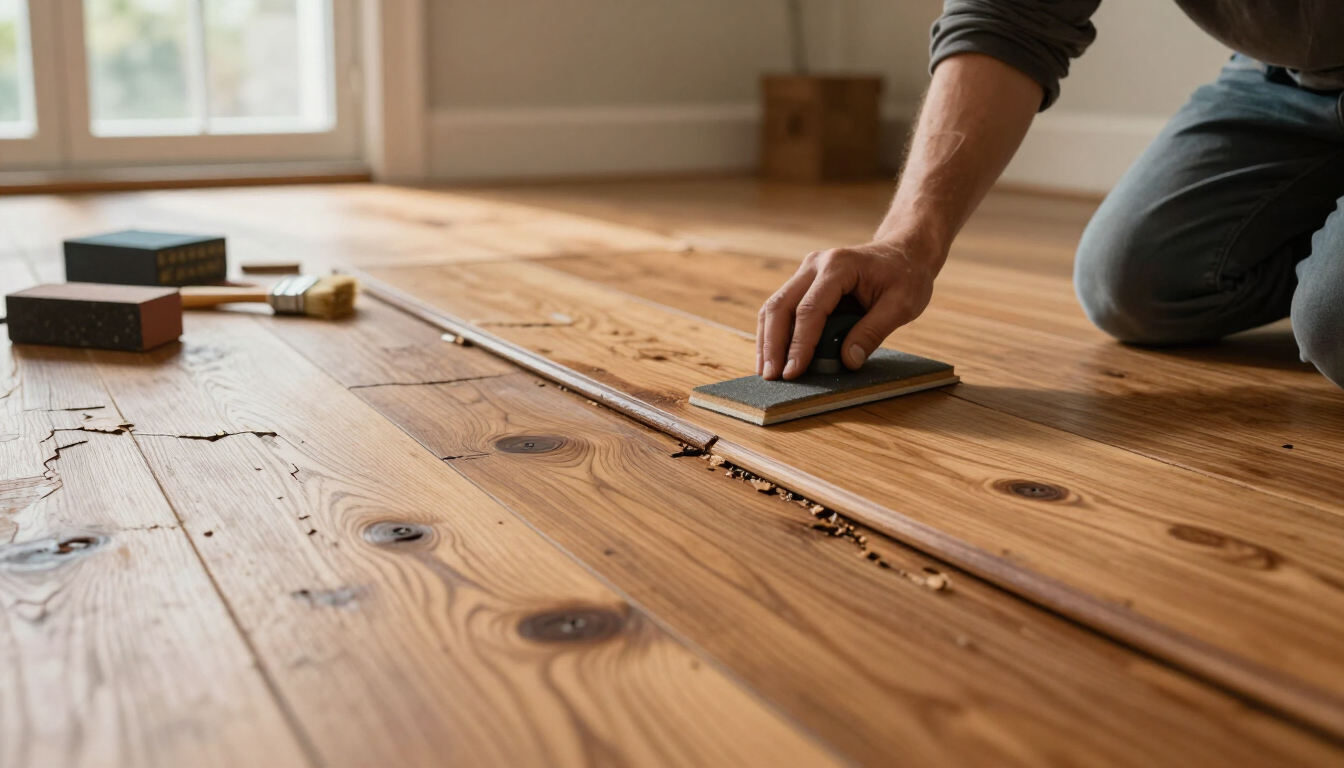
Anything that stands out—big or small—should be addressed. Small gaps and scratches are easy to fix with wood filler or a touch-up pen, while larger issues might need help from a flooring pro. If you’re in areas like Signal Mountain, regular checks and repairs will go a long way, as explained in this detailed Signal Mountain hardwood floor care guide.
Testing Home Humidity and Moisture Levels
Before humidity peaks, it’s smart to check the air and the wood. Pick up a hygrometer to monitor humidity in different rooms. You want to keep your indoor air between 35% and 55% humidity. Many hardware stores sell affordable testers, and they’re surprisingly easy to use. If you see the levels creeping up, plan to run a dehumidifier as needed. Testing can also show you if certain parts of your home (like basements or corners by windows) are trouble spots for moisture.
Keeping an eye on humidity now can save your floors from swelling, cupping, and even mold later this fall.
Ensuring Proper Hardwood Floor Sealing
After repairs and checks, make sure your floors are well-sealed. Old, worn finish means water can slip in, causing long-term damage. Run your hand over the boards—if you feel rough spots, or if a drop of water soaks in rather than beads up, you’ve probably got thinning finish. You might need a touch-up with clear coat or, if the damage is widespread, consider having the floors refinished by professionals for full protection.
A bit of prep each October keeps your home looking sharp even through Chattanooga’s humid season. Your floors will thank you later.
Optimizing Indoor Climate to Prevent Hardwood Floor Moisture Damage Chattanooga
Moisture and hardwood don't mix well, especially in Chattanooga homes as October rolls around. If you want your floors to stay looking good, you have to keep the indoor climate steady—it's as simple as that. It's often the smallest changes in temperature or humidity that set off bigger problems down the line. Balancing things now saves a lot of trouble later.
Using Dehumidifiers and HVAC Systems Efficiently
If your floors feel sticky, or the air seems heavy, a dehumidifier can help. Don't just turn it on and forget it, though—set the humidity to stay between 35–55%. Lower settings can dry your floors too much, while higher ones leave them vulnerable. Your HVAC system is just as important: keep filters clean, and check the vents so air flows right over the wood.
- Adjust your thermostat to avoid sudden temperature swings
- Run your dehumidifier in basements or rooms with less sunlight
- Change HVAC filters monthly in humid months for best results
Moist air is sneaky—it seeps into seams, hides under boards, and takes its time before you notice damage. Consistent indoor air control is your first line of defense.
Managing Windows and Doors for Moisture Control
Every time you open a window on a muggy day or leave a door ajar, you allow outside moisture inside. In October, those breezy afternoons can feel nice, but they bring humidity with them. Make it a habit to:
- Keep windows closed during humid weather spells
- Use weather-stripping to seal up door gaps
- Install door sweeps to reduce drafts and outside air flow
If you have rooms that get steamy when you cook or shower, kitchen and bathroom exhaust fans will help too.
Placement of Houseplants and Their Impact on Humidity
Surprising, but true: your houseplants can make a real difference in humidity levels. In the heart of Chattanooga, a living room packed with greenery looks nice but adds moisture to the air, especially when grouped together. Spread them out, and choose plants that don't need a lot of watering through the fall.
- Space plants apart to keep moisture from building in one area
- Move larger plants away from your wood floors
- Consider using saucers or trays to catch extra water from pots
Paying attention to these small steps helps you keep your floors dry and healthy. If you're struggling with humidity coming from underneath your house, encapsulating crawl spaces can cut moisture before it even reaches your wood floors.
Cleaning Strategies to Reduce Moisture Buildup
Moisture sneaks in everywhere—especially in October, when Chattanooga and North Georgia start getting their first big swings in temperature and humidity. Hardwood floors are the first to show problems. The best way to fight this? Be smart about cleaning. A good cleaning strategy goes a long way toward preventing moisture from settling deep into your wood floors.
Choosing the Right Cleaning Tools and Products
Using harsh or the wrong products can actually trap moisture in your floors. Stick to:
- A microfiber mop, which picks up dust without needing much water
- pH-neutral wood floor cleaners that won’t leave residue
- A dry or slightly damp mop—avoid anything soaking wet
It’s also smart to check with a professional if you’re unsure, like reaching out to a specialized repair team if there’s older damage or tough stains before you start scrubbing.
Avoiding Excess Water During Floor Maintenance
Too much water is never a good thing for hardwood. Instead, keep these habits in rotation:
- Mop in small sections to minimize standing water
- Ring out your mop as much as possible each time
- Skip steam mops—they push moisture into seams
Even if your floors look like they can take a little extra water, they almost never actually can. Always keep the surface as dry as possible, especially near corners and edges.
Cleaning Up Spills Quickly and Effectively
Spills happen, whether it’s a pet mishap or a dropped drink. Quick action matters:
- Blot up spills instantly with a dry, absorbent towel
- Follow up with a lightly dampened cloth to get any stickiness
- Don’t let water sit under rugs—always check underneath
Moisture from everyday cleaning can do almost as much harm as a big leak if you don’t stay on top of it. Small changes in your routine, like faster cleanup and careful tool choices, protect your floors and help them last through every unpredictable October.
Protecting Hardwood Floors in High-Traffic Areas
Everyday life means lots of footsteps, bags, and sometimes even pets racing across your hardwood floors. October can bring in even more moisture, making it extra important to keep these busy spots dry and scratch-free. Here are some practical steps to help your floors last longer, even in Chattanooga’s famously unpredictable weather.
Using Rugs and Mats to Minimize Moisture Transfer
- Place absorbent mats at all entryways.
- Use runners in hallways and other frequently traveled spots.
- Make sure rugs have non-slip backing to keep them from moving around.
Even a simple rug can be a barrier against damp shoes and sudden spills. Over time, this basic step can mean fewer repairs and more peace of mind.
Keeping rugs clean and dry themselves matters just as much—don’t overlook shaking them out on rainy days or tossing them in the wash often.
Best Practices for Shoe Removal and Storage
It honestly helps to set a shoe-free rule near main doors, especially when fall gets wet and muddy. Try these tricks:
- Set up a small bench or seat so folks can sit and remove their shoes as soon as they come in.
- Use shoe trays or shelves nearby to hold wet boots and sneakers.
- Remind kids and guests about the rule with a friendly sign or simple basket for shoes.
When you develop a habit of taking shoes off at the door, your floors stop tracking in outside dampness and grit.
Monitoring Entryways and Mudrooms Closely
Basically, these areas get hit hardest during October when humidity sneaks into the house. Make it a weekly habit to:
- Check for puddles or wet footprints around doors.
- Wipe up any moisture immediately.
- Sweep and mop these zones often with a product safe for hardwood.
If scratches or dull spots are already showing up, consider getting a local hardwood floor refinishing touch-up to keep those busy areas looking new.
Early attention stops small moisture problems from turning into warped planks or long-term damage.
Staying on top of these routines each fall can make all the difference. Your hardwood floors will be ready for whatever the weather brings this October in Chattanooga and North Georgia!
Routine Inspections and Maintenance Tips
Keeping your hardwood floors in top shape through the humid October weeks means watching for small issues before they get big. Ignoring regular checks can turn a tiny problem into an expensive headache. Make inspecting and maintaining your floors a habit, especially as the weather starts to shift.
Checking for Signs of Cupping, Crowning, and Gaps
Walk your floors every couple of weeks and look closely:
- Notice if any edges of your boards are curling up (cupping) or bulging in the middle (crowning).
- Gaps between boards may appear as humidity changes—check if they’re getting wider or staying stable.
- Watch out for new squeaks or soft spots, since these can signal hidden moisture underneath.
If you spot changes, jot them down. Little differences can sometimes mean a lot in a humid place like Chattanooga.
Scheduling Regular Professional Assessments
Even with your own inspections, it helps to set up professional checks annually, or twice a year if you can swing it. Flooring pros can catch moisture-related issues you might miss. Hardwood experts in Chattanooga can also recommend repairs before damage spreads or the boards begin to warp.
Here’s what pros usually check:
- Subfloor moisture content
- The consistency and condition of wood finishes
- Any movement in boards that could worsen over time
Documenting Conditions to Prevent Hardwood Floor Moisture Damage Chattanooga
Keep a log of what you notice during home inspections. Write down things like:
- Date and location of any problem spots
- Temperature and humidity level readings
- Whether you cleaned up any spills recently
Keeping simple records helps you spot problems early and explain them clearly if you ever need a repair visit.
Regular care and attention—plus an occasional pro inspection—can make all the difference when it comes to reducing hardwood floor moisture damage in Chattanooga and North Georgia.
Addressing Local Environmental Factors
Maintaining hardwood floors starts with tackling the environment around your home. Local issues in Chattanooga and North Georgia can play a huge role, sometimes making your floors feel damp or even warped without much warning. When October arrives, it’s the mix of rain, cooler air, and moisture under your house that causes headaches.
Managing Crawl Space and Basement Humidity
Basements and crawl spaces tend to be the dampest parts of the house, and if left alone, that extra moisture can sneak right up to your hardwood.
- Use a good dehumidifier to control basement humidity—especially if you spot any condensation on windows or pipes.
- Check for any cracks, leaks, or standing water in crawl spaces, patching them before trouble starts.
- Insulate pipes and exposed dirt in crawl spaces, as these spots often let excess wetness linger longer than you realize.
Even a little moisture under your floors can end up costing a lot down the line, so it pays to check now rather than later.
Landscaping Tips to Divert Water Away From Foundation
How your yard is set up can push water toward or away from your home. Here’s what actually works before rainy weeks hit:
- Make sure soil slopes away from the house by about six inches for every ten feet.
- Keep gutters clear and point downspouts at least five feet away from the foundation—otherwise you’re just inviting puddles.
- Plant shrubs and garden beds well away from the house. Too close, and the water hangs around the base, which is not what you want under hardwood. For more tips about keeping floors safer during humid times and what else helps them last, see advice on stopping summer floor damage.
Using Vapor Barriers and Proper Home Insulation
Installing vapor barriers in your basement and crawl spaces can really stop extra moisture from creeping into your subfloors. Normal insulation isn’t enough, especially in older homes around Chattanooga and North Georgia. Try these tips:
- Roll out 6-mil plastic sheeting over crawlspace dirt floors, making sure there are no gaps.
- Use rigid foam board or spray foam insulation along basement walls for better humidity control.
- Seal cracks around doors, windows, or floor joists to stop humid air from getting in.
These fixes aren’t glamorous, but ignoring them leads to squeaking boards, musty smells, or worse. A little work here can keep your hardwood looking good all year.
Every area has its own unique environmental factors, and it's important to think about these when choosing the right flooring. At 1st Class Flooring, we understand how local weather, humidity, and style can make a difference in your decision. Want to learn more or need help picking the best floors for your home? Visit our website today to get expert guidance and friendly advice.
Wrapping Up
So, that's pretty much it for keeping your hardwood floors safe from humidity this October in Chattanooga and North Georgia. It might seem like a lot to remember, but just a few simple steps can really help. Keep an eye on your indoor humidity, use rugs in busy spots, and don’t forget to clean up spills right away. If you’re not sure about something, it’s always okay to ask a pro. Hardwood floors can last a long time if you treat them right, and a little effort now can save you a lot of trouble later. Good luck, and here’s to floors that stay looking great all season!
Frequently Asked Questions
Why does humidity in October affect hardwood floors in Chattanooga and North Georgia?
In October, the weather often changes quickly, with cooler nights and warmer days. This can cause more moisture in the air, which hardwood floors can soak up. When wood takes in too much moisture, it can swell, bend, or even crack.
How can I check the humidity in my home?
You can use a small tool called a hygrometer to find out how much moisture is in the air inside your house. These are easy to buy online or at local stores and help you keep track of humidity levels.
What is the best way to keep hardwood floors dry during humid months?
Running a dehumidifier or your air conditioner helps lower the moisture in your home. Make sure to keep windows and doors closed on really humid days, so extra moisture doesn’t get inside.
Should I use water to clean hardwood floors if it’s humid?
It’s better not to use much water when cleaning your hardwood floors, especially when it’s humid. Use a damp, not wet, mop and dry up any spills right away to stop water from soaking into the wood.
How can I protect floors in busy areas like entryways?
Place rugs or mats at doors and in hallways to catch dirt and water from shoes. Ask family and visitors to take off shoes before walking on the wood. This helps keep the floors dry and clean.
What signs show that my hardwood floor has moisture damage?
Look for boards that are bending up or down (called cupping or crowning) or see if there are gaps between the boards. If you notice these problems, it might mean there’s too much moisture, and you should get help from a flooring expert.