Top Flooring Trends for Homes in LaFayette, Ringgold & Dalton, GA
Thinking about updating the floors in your home? It's a big decision, and keeping up with the latest flooring trends in Dalton, GA can help you make the best choice. Whether you're in LaFayette, Ringgold, or right here in Dalton, there are some really popular looks and materials people are choosing. Let's check out what's hot right now.
Key Takeaways
- Luxury Vinyl Plank (LVP) is a top choice for its durability and style.
- Engineered hardwood offers a real wood look with better stability.
- Porcelain and natural stone tiles remain popular for bathrooms and kitchens.
- Waterproof options are increasingly sought after for peace of mind.
- Popular installation patterns include wide planks and herringbone designs.
1. Luxury Vinyl Plank
Luxury Vinyl Plank, or LVP, is really taking off in homes around LaFayette, Ringgold, and Dalton. It’s easy to see why. This flooring option is super popular because it looks great and holds up well to everyday life.
LVP offers a fantastic combination of style, durability, and affordability. It mimics the look of real wood or stone without the high cost or upkeep. Plus, it's much more forgiving if you drop something compared to tile or hardwood.
Here’s what makes LVP a top choice:
- Realistic Designs: Modern LVP comes in so many patterns and colors that it’s hard to tell the difference from the real thing. You can get that rustic wood look or a sleek stone appearance.
- Water Resistance: Many LVP products are waterproof, making them perfect for kitchens, bathrooms, and basements where moisture is a concern. Spills and splashes aren't a big worry.
- Durability: It’s built to last, resisting scratches and dents from pets, kids, and furniture. This makes it a practical choice for busy households.
- Easy Installation: Often, LVP uses a click-lock system, which means homeowners can even tackle installation themselves, saving on labor costs.
One of the best things about LVP is how adaptable it is. Whether your style is modern farmhouse, traditional, or something totally unique, there's an LVP option that will fit right in. It’s a smart way to get a high-end look without breaking the bank, and it holds up really well over time, which is a big plus for homeowners in our area.
2. Engineered Hardwood
Engineered hardwood is really making waves in the flooring world, and for good reason. It's a smart choice for homeowners in our area who want that classic hardwood look without some of the usual headaches.
So, what exactly is it? Basically, it's a sandwich of real wood. You get a top layer of genuine hardwood veneer, which is what you see and feel, glued to multiple layers of plywood or high-density fiberboard underneath. This construction makes it way more stable than solid hardwood, especially with the temperature and humidity swings we sometimes get here in Georgia.
Why consider engineered hardwood?
- Durability: It holds up better to moisture and temperature changes, meaning less chance of warping or cupping.
- Versatility: You can install it in more places than solid wood, including basements and over radiant heating systems.
- Appearance: The top layer is real wood, so you get all the beauty and character of natural timber.
- Installation: It can often be glued or even floated over existing subfloors, which can simplify the installation process.
It's a fantastic option if you love the look of wood but need something a bit more forgiving.
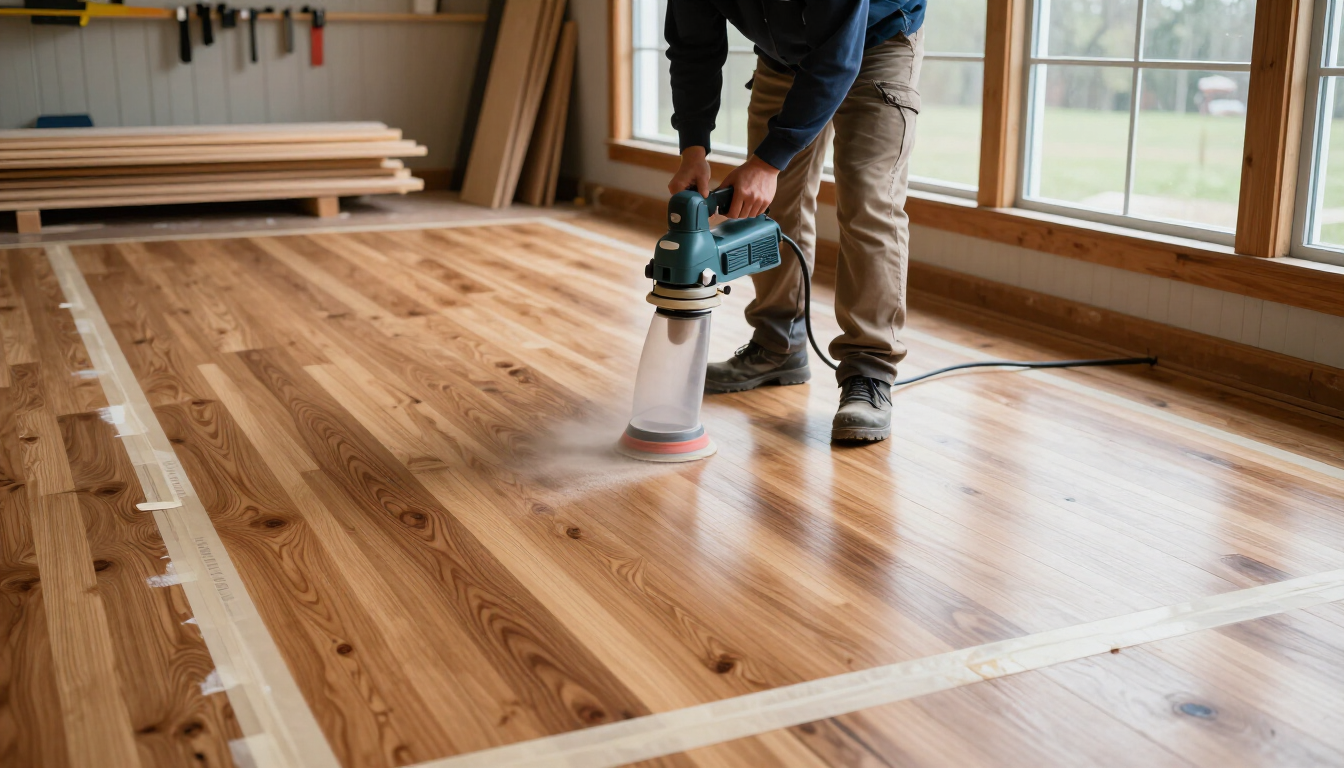
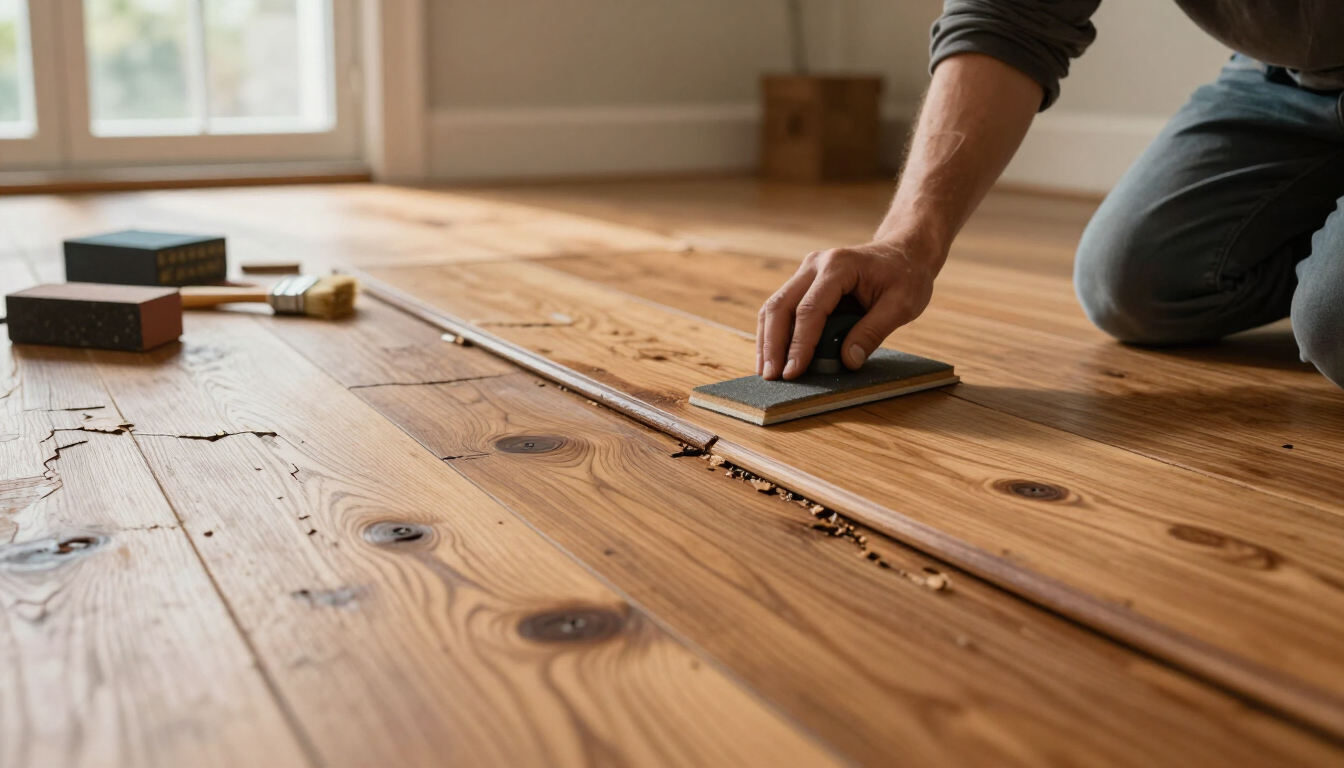
When you're picking out engineered hardwood, pay attention to the thickness of the top veneer layer. A thicker veneer means you can refinish the floor more times if needed down the road, giving you more longevity from your investment. It's a small detail, but it can make a big difference over the years.
3. Porcelain Tile
Porcelain tile is really making a name for itself in home design, and for good reason. It’s a fantastic option if you want something that looks great but can also handle a lot of daily wear and tear. Unlike some other materials, porcelain is fired at a much higher temperature, which makes it incredibly dense and less porous. This means it’s super resistant to moisture and stains, making it a top pick for kitchens and bathrooms.
What makes porcelain tile so popular?
- Durability: It’s one of the hardest and most durable flooring materials out there. You don't have to worry too much about scratches or chips.
- Water Resistance: Because it’s so dense, it absorbs very little water, which is a huge plus in wet areas.
- Design Versatility: You can find porcelain tile that mimics almost any look you can imagine, from natural stone and wood to concrete and even fabric textures. This gives you a lot of freedom to match your home's style.
- Low Maintenance: Cleaning is usually a breeze – a quick sweep and mop will keep it looking good.
When you're thinking about updating your floors, especially in high-traffic or wet areas, porcelain tile is definitely worth a close look. It’s a solid choice that offers both beauty and long-lasting performance. Many homeowners find it to be a smart investment for their property, adding both aesthetic appeal and practical benefits. If you're in the market for new flooring, consider checking out options from places like 1st Class Flooring to see what's available.
Porcelain tile is a great material for busy households. Its tough surface means it can stand up to kids, pets, and everyday spills without much fuss. Plus, the variety of styles available means you can achieve a high-end look without the high-end price tag of some natural materials.
4. Natural Stone Tile
Natural stone tile brings a touch of timeless elegance and unique character to any home. Each piece is one-of-a-kind, meaning your floors will have a distinct look that simply can't be replicated with manufactured materials. Think about the beautiful variations in color and pattern you get with materials like marble, granite, slate, or travertine. It’s a choice that adds significant visual interest and can really make a space feel more grounded and luxurious.
When considering natural stone, it's good to know what you're getting into. Here are a few things to keep in mind:
- Durability: Many natural stones are incredibly hard-wearing and can last for decades, even centuries, with proper care. They stand up well to foot traffic.
- Maintenance: While durable, some stones can be porous and require sealing to prevent staining. Regular cleaning with pH-neutral cleaners is usually recommended.
- Cost: Natural stone is generally a premium option, both for the material itself and for installation, due to its weight and the skill required.
- Versatility: It works well in various rooms, from bathrooms and kitchens to living areas and entryways, adding a sophisticated feel.
The natural beauty and inherent strength of stone make it a fantastic long-term investment for your home. It’s a material that ages gracefully, often developing a richer patina over time. If you're looking for flooring that offers both stunning aesthetics and lasting performance, natural stone tile is definitely worth a closer look. Many homeowners find that the unique look and feel are well worth the investment, especially when working with professionals who understand how to properly install and maintain these beautiful materials. For expert advice on stone flooring options in the area, consider looking into local providers like 1st Class Flooring.
Choosing natural stone means you're bringing a piece of the earth into your home. It’s a material that has been used for building and decoration for thousands of years, and for good reason. Its natural variations mean no two installations are ever exactly alike, offering a truly custom look that manufactured materials struggle to match. This uniqueness, combined with its inherent durability, makes it a popular choice for those seeking both beauty and longevity in their home's flooring.
5. Laminate Flooring
Laminate flooring has really come a long way, and it's a solid choice for many homes around LaFayette, Ringgold, and Dalton. It’s known for being tough and can look a lot like real wood or stone without the big price tag. This makes it a super popular option for busy households. Think about it – kids, pets, maybe even a clumsy moment or two; laminate can handle it. It’s also pretty straightforward to install, which can save on labor costs if you're doing a DIY project. You'll find it comes in planks or tiles, mimicking the look of natural materials really well these days.
When you're picking out laminate, keep these things in mind:
- Durability: Look at the AC rating (Abrasion Criteria). Higher numbers mean it'll resist scratches and wear better. For most homes, an AC3 or AC4 rating is usually plenty.
- Style: The designs have gotten so good. You can get everything from rustic oak looks to sleek, modern stone patterns. It’s easy to match your existing decor.
- Maintenance: Cleaning is usually a breeze. A quick sweep or a damp mop is typically all it takes. No need for special polishes or waxes.
One of the best parts about laminate is how it can transform a space without breaking the bank. It’s a practical way to get that high-end look you want, whether you're updating a kitchen or looking for something durable for a high-traffic hallway. It’s a smart way to get that beautiful wood look, similar to what you might find in a place like this charming home in La Fayette, GA La Fayette, GA.
Laminate is constructed in layers, with a photographic image layer under a clear protective topcoat. This layered construction is what gives it its strength and allows for such a wide variety of realistic designs. It’s a manufactured product, which means consistency in appearance and performance across the entire floor.
6. Waterproof Flooring
Let's talk about waterproof flooring. It's a big deal these days, especially with how busy life can get. You know, spills happen, pets have accidents, and sometimes, you just want peace of mind knowing your floors can handle a little (or a lot of) moisture.
This type of flooring is designed to resist water damage, making it perfect for kitchens, bathrooms, laundry rooms, and even basements. It's not just about spills, either. Think about humidity and potential leaks. Having a floor that won't warp, swell, or get ruined by water is a game-changer.
When you're looking at waterproof options, you'll find a few main players:
- Luxury Vinyl Plank (LVP): This is super popular. It looks like real wood or stone but is completely waterproof. It's durable and comes in tons of styles.
- Waterproof Laminate: Traditional laminate isn't great with water, but newer versions have a special core and a sealed surface that makes them waterproof.
- Tile (Porcelain & Ceramic): These are naturally waterproof, especially porcelain. The grout can be a weak spot, so sealing it is important.
- Sheet Vinyl: A classic for a reason, sheet vinyl offers a continuous waterproof surface.
The main benefit here is the protection it offers. You don't have to stress about water seeping into the subfloor or causing mold and mildew. It really simplifies cleaning and maintenance, especially in high-traffic or high-moisture areas of your home. Plus, many of these options are quite budget-friendly.
When choosing, consider the durability you need and the look you're going for. Some waterproof materials are softer and can scratch more easily than others, while some are incredibly tough. It's all about finding the right fit for your lifestyle and your home in LaFayette, Ringgold, or Dalton.
7. Sustainable Flooring Options
More and more homeowners are thinking about the planet when they pick out new floors. It's not just about looks anymore; people want materials that are good for the environment. This means looking at where the materials come from and how they're made.
When we talk about sustainable flooring, we're often looking at a few key types:
- Bamboo: This fast-growing grass is a really popular choice. It's strong, looks great, and grows back quickly after harvesting.
- Cork: Harvested from the bark of cork oak trees without harming the tree itself, cork is a renewable resource. It's also naturally antimicrobial and provides good insulation.
- Reclaimed Wood: Using wood salvaged from old buildings or structures gives it a new life and reduces the need for new timber.
- Recycled Materials: Flooring made from recycled plastics, rubber, or even glass is another way to go green. It diverts waste from landfills.
Choosing sustainable flooring is a smart move for both your home and the environment. It often means the materials are healthier for your indoor air quality too, as they tend to have fewer volatile organic compounds (VOCs). Plus, many of these options are surprisingly durable and can add a unique character to your living space.
It's worth checking out the certifications for flooring. Look for things like FSC (Forest Stewardship Council) for wood products, or GREENGUARD for low chemical emissions. These labels can help you make informed choices about what's truly better for your home and the planet.
8. Large Format Tiles
You've probably seen them around – those big, impressive tiles that seem to make a room feel so much bigger. Large format tiles are definitely having a moment in home design, and it's easy to see why. They really change the whole look and feel of a space.
What exactly counts as 'large format'? Generally, we're talking about tiles that are 15 inches by 30 inches or bigger, though some might consider anything over 12x12 to be in this category. The beauty of these tiles lies in their ability to create a more unified and expansive look. With fewer grout lines, the eye isn't interrupted as much, giving the illusion of more space. This is especially great for smaller rooms or areas where you want a clean, modern aesthetic.
When you're choosing large format tiles, think about the room's size and layout. They can work wonders in living areas, kitchens, and bathrooms. Plus, they're often made from durable materials like porcelain, which means they can handle a lot of foot traffic. It's a practical choice that also looks really stylish. Many homeowners are opting for these for their durability and ease of maintenance, especially in high-traffic zones.
Consider these points when thinking about large format tiles:
- Visual Impact: They create a sleek, modern appearance with minimal grout lines.
- Space Perception: They can make smaller rooms feel larger and more open.
- Installation: While they cover more area, proper installation is key to avoid issues like lippage (uneven edges).
- Material Options: Available in porcelain, ceramic, and even some natural stones, offering a range of looks and durability.
The fewer grout lines you have, the less cleaning you'll need to do, which is a big win for busy households. It also means fewer places for dirt and grime to get stuck.
If you're looking for a way to update your floors and give your home a fresh, contemporary feel, large format tiles are definitely worth considering. They offer a sophisticated look that's both on-trend and practical. Companies like Shaw Industries are even expanding their production of similar products, showing just how popular this trend is becoming, with a significant investment in their Ringgold, Georgia facility for luxury vinyl tile production, which often comes in larger formats Shaw Industries Group.
They can really transform a space, making it feel more cohesive and grand. It's a simple change that makes a big difference.
9. Wide Plank Flooring
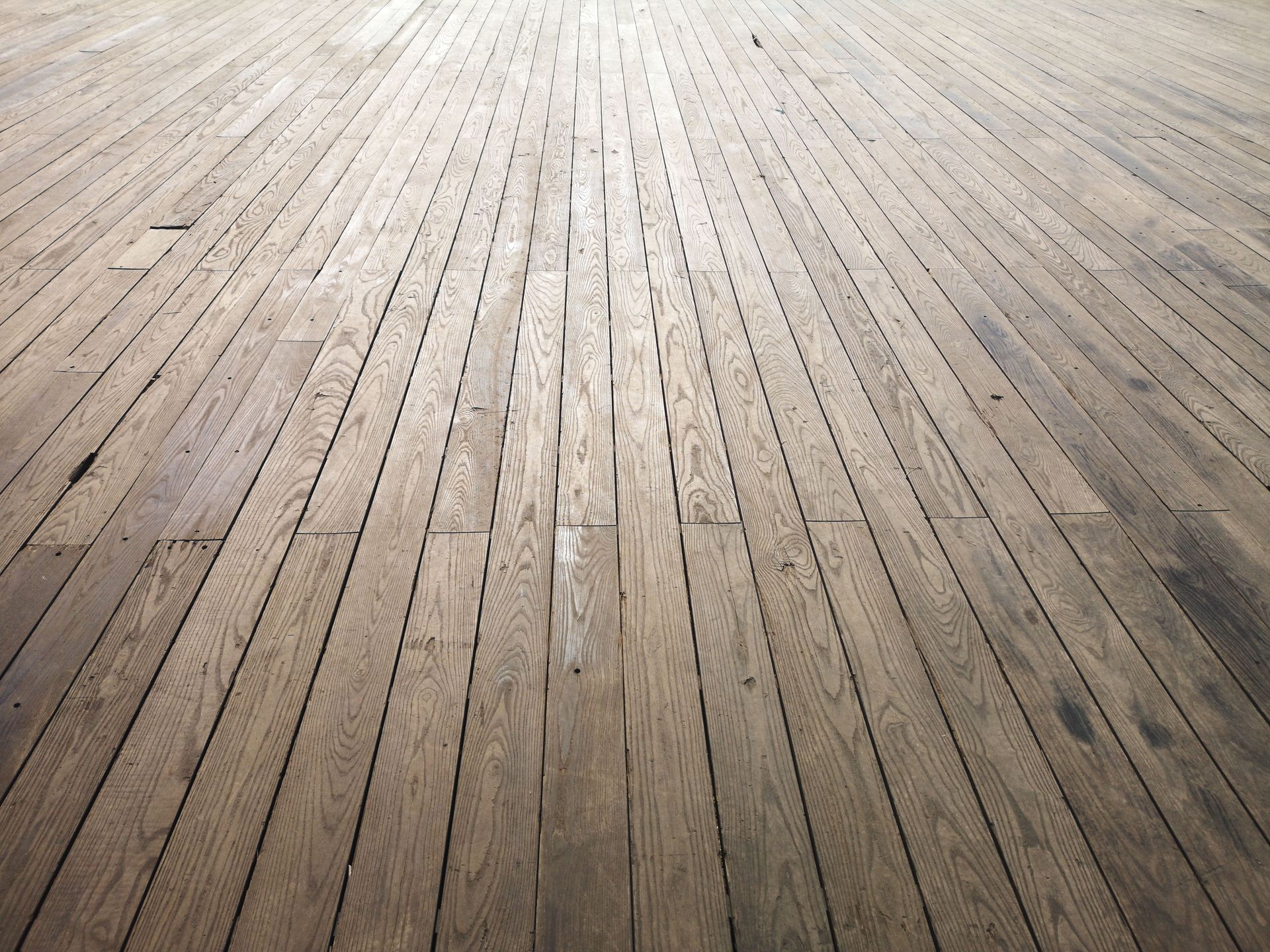
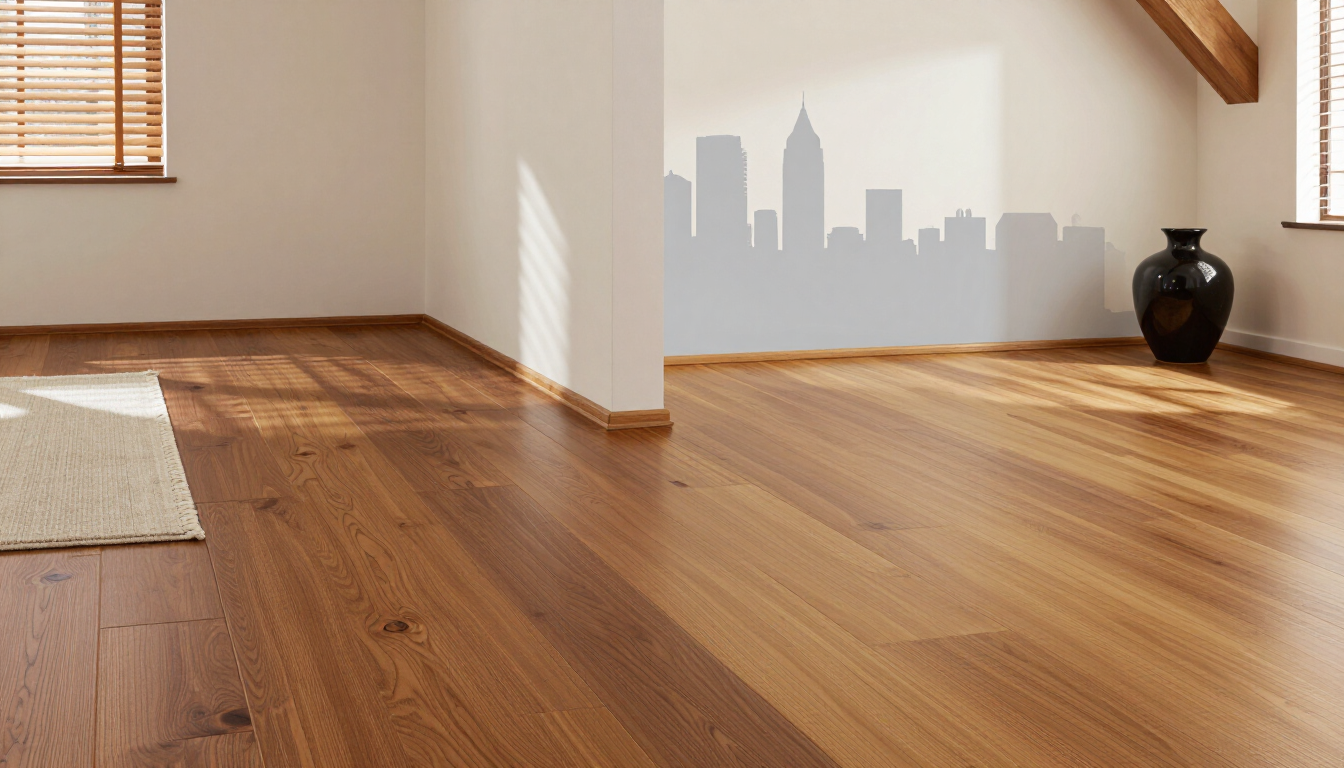
You know, sometimes the simplest changes make the biggest difference in a room. That’s definitely true for flooring, and wide plank flooring is a perfect example. Instead of the narrower strips you might see in older homes, wide planks are, well, wider. We’re talking boards that are typically 5 inches or more across, sometimes even 7 or 8 inches. This makes a big impact on how a space feels.
It really opens up a room, making it feel larger and more airy. It’s a look that’s been gaining a lot of traction lately, and for good reason. It gives off a more modern, yet still natural, vibe. Plus, fewer seams mean less visual clutter, which is always a win in my book.
When you’re thinking about wide planks, consider these points:
- Material Options: You can find wide planks in various materials, including solid hardwood, engineered hardwood, and even luxury vinyl plank (LVP). This means you can get the look you want no matter your budget or the room's needs.
- Installation: While they can be installed similarly to narrower planks, the larger size means fewer pieces are needed to cover the same area. This can sometimes speed up the installation process.
- Aesthetic Impact: The visual effect is dramatic. It can make even smaller rooms feel more expansive and grand. It’s a great way to add a touch of elegance without being over the top.
One of the best things about wide plank flooring is its versatility. It works well in almost any setting, from a cozy cabin to a sleek, modern apartment. It really lets the natural beauty of the wood grain shine through, creating a warm and inviting atmosphere. Many homeowners in the Dalton area are choosing this style to update their homes.
If you're looking to give your home a fresh, updated look, wide plank flooring is definitely worth considering. It’s a trend that’s not just about looks; it’s about creating a more spacious and inviting feel in your living areas. You can find great options for your Dalton homes that fit this style perfectly.
10. Herringbone Pattern Flooring
You know, that classic zig-zag look? That's herringbone, and it's really making a comeback in homes around LaFayette, Ringgold, and Dalton. It's not just for fancy old houses anymore; people are putting it in all sorts of places, from entryways to living rooms. It adds a real sense of movement and sophistication to a space.
What makes herringbone so popular? Well, for starters, it's visually interesting. The way the planks meet at angles creates a dynamic pattern that can make a room feel bigger or more grand, depending on how it's laid out. It works really well with both luxury vinyl plank and engineered hardwood, giving you options for different budgets and styles.
Here’s why it’s a good choice:
- Timeless Appeal: It’s a pattern that’s been around for ages, so it doesn’t really go out of style.
- Versatility: It looks good with many different types of wood and even some tile patterns.
- Adds Character: It can make even a simple room feel more special and put-together.
Laying it out can be a bit more involved than a straight plank installation, so you'll want to make sure you have someone who knows what they're doing. It’s a bit more labor-intensive, which can affect the overall cost, but most people feel it’s worth it for the unique look.
The diagonal lines of a herringbone pattern can trick the eye, making hallways seem longer and rooms appear wider. It’s a smart way to play with the perception of space in your home.
The herringbone pattern is a classic choice for floors, creating a beautiful V-shaped design that adds a touch of elegance to any room. It's a popular style that brings a unique look to your home. Want to see more beautiful flooring options? Visit our website today to explore our full range of styles and get a quote!
Wrapping Up Your Flooring Choices
So, there you have it – a look at some of the flooring styles that are popular right now for homes around LaFayette, Ringgold, and Dalton. Whether you're leaning towards the natural look of wood-look tile, the comfort of plush carpet, or the durability of luxury vinyl, there's a lot to consider. Picking the right floors can really change how your home feels. It’s worth taking your time to find something that fits your lifestyle and looks good too. Happy decorating!
Frequently Asked Questions
What's the most popular flooring right now in our area?
Right now, Luxury Vinyl Plank (LVP) is a huge hit! It looks like real wood or stone but is super tough and great for busy homes. It's easy to clean and can handle spills, which is perfect for families.
Is engineered hardwood a good choice for Georgia homes?
Definitely! Engineered hardwood is real wood on top, but it's built in layers underneath. This makes it more stable and less likely to warp or crack with our Georgia weather changes. It gives you that beautiful wood look without as many worries.
Why is porcelain tile so popular for kitchens and bathrooms?
Porcelain tile is incredibly strong and doesn't soak up water easily. This means it's great for places where spills happen a lot, like kitchens, or in steamy bathrooms. Plus, it comes in so many cool designs that can mimic wood or stone.
What does 'waterproof flooring' really mean?
Waterproof flooring means it won't get ruined if water sits on it. Materials like LVP and some types of laminate are made so water can't seep through and damage the layers underneath. This is a big plus for basements or rooms prone to leaks.
Are there eco-friendly flooring options available?
Yes, there are! You can find flooring made from bamboo, cork, or reclaimed wood. These are good choices if you care about the environment. Some companies also use recycled materials in their products.
What's the deal with large format tiles?
Large format tiles are bigger pieces of tile, like 24x24 inches or even larger. They make a room feel more open because there are fewer grout lines. They also give a more modern and clean look to spaces.