Why Dustless Sanding Is Perfect for Busy Homes This Season

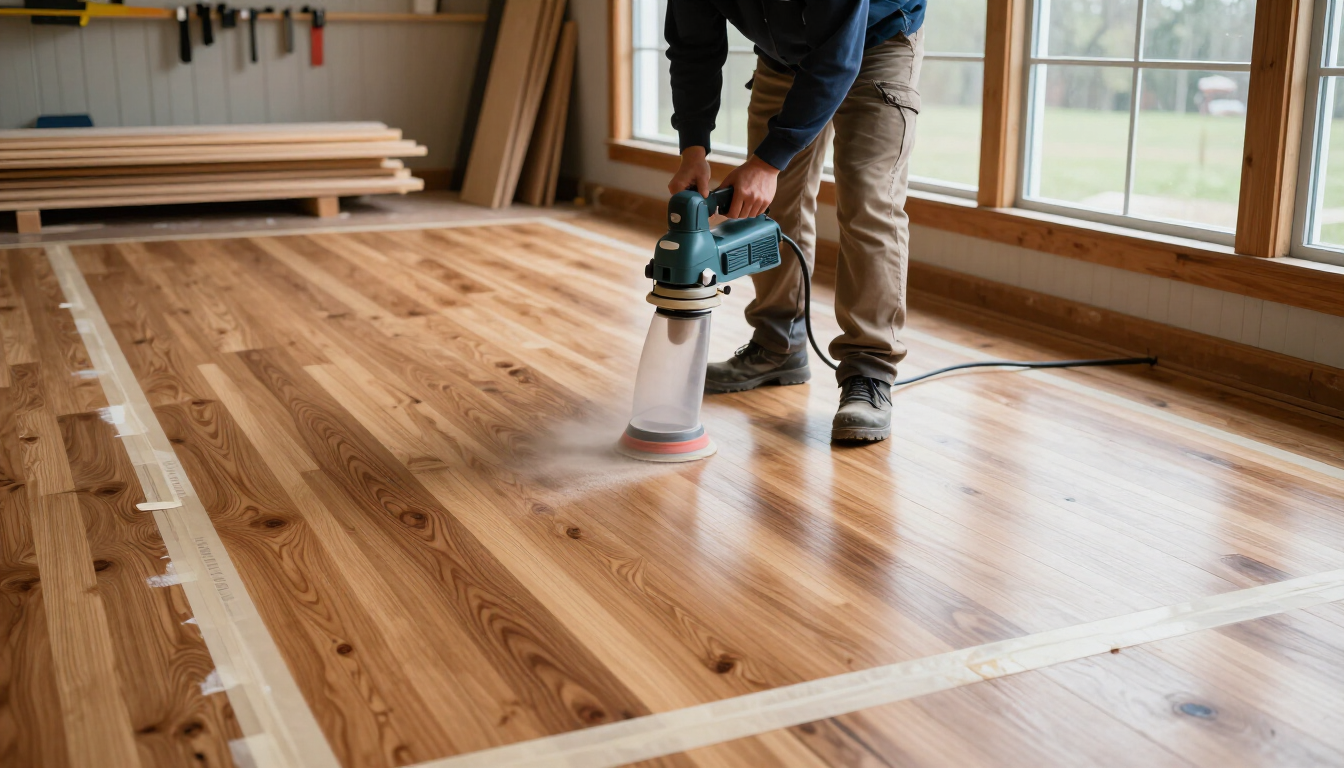
Thinking about refreshing your home this season but worried about the mess? If your hardwood floors have seen better days, traditional sanding can feel like more trouble than it’s worth—dust everywhere, days of cleanup, and a home that feels like a construction zone. Fortunately, there’s a better option. Dustless hardwood floor sanding in Chattanooga gives you beautiful, refinished floors without turning your house upside down.

First Class Wood Floors offers dustless hardwood floor sanding in Chattanooga as part of our hardwood flooring services in North Georgia and Chattanooga , designed especially for busy households with kids, pets, and full schedules.

Key Takeaways

  • Traditional sanding creates large amounts of dust that are difficult to clean and can impact indoor air quality.
  • Dustless hardwood floor sanding captures dust at the source, keeping your home much cleaner and more livable during refinishing.
  • This method helps protect your wood floors and supports a stronger, smoother finish that lasts longer.
  • Choosing local Chattanooga pros means efficient, professional work tailored to our climate and home styles.
  • Dustless sanding is faster, cleaner, and less disruptive—perfect for busy families who can’t afford to put life on hold.

1. Embrace a Cleaner Home Renovation

Home projects are exciting, but the mess? Not so much. Traditional sanding can leave a fine layer of dust on everything—furniture, décor, electronics, even inside closets. For many homeowners around Chattanooga, the cleanup alone is enough to delay much-needed floor refinishing.

The Messy Reality of Traditional Sanding

With old-school sanding, clouds of dust fill the air while the machines run. Even with plastic sheeting and tarps, dust finds its way into adjoining rooms, HVAC systems, and every open surface. It can take days of wiping, vacuuming, and dusting to feel like your home is “back to normal.”

  • Fine dust settles on furniture, walls, and décor.
  • Particles can be tracked throughout the house on shoes and socks.
  • Living in the home during the project can feel uncomfortable and stressful.

Introducing the Dustless Sanding Solution

Dustless sanding changes the experience completely. Instead of letting dust escape into the room, the sanding equipment is connected to a powerful vacuum system that captures dust as it’s created.

  • Dust is collected at the sanding head—right where it’s generated.
  • Specialized hoses and filters keep particles contained.
  • Rooms stay dramatically cleaner before, during, and after the project.

The result is a smoother process with far less disruption to your home and routine.

Benefits for Families with Children and Pets

For busy homes with kids and pets, dustless sanding is especially beneficial:

  • Fewer airborne particles mean a cleaner, healthier environment.
  • Less dust on floors, surfaces, and toys makes cleanup much easier.
  • You’re less likely to worry about little ones or pets tracking dust through the house.

Instead of feeling like you need to move out for a week, you can often stay in the home more comfortably while the work is done.

2. Superior Results for Your Floors

Cleaner doesn’t just mean less dust—it also means better results. Dustless systems are designed for precision, helping your floors look their best and last longer after refinishing.

Achieving a Flawless Finish

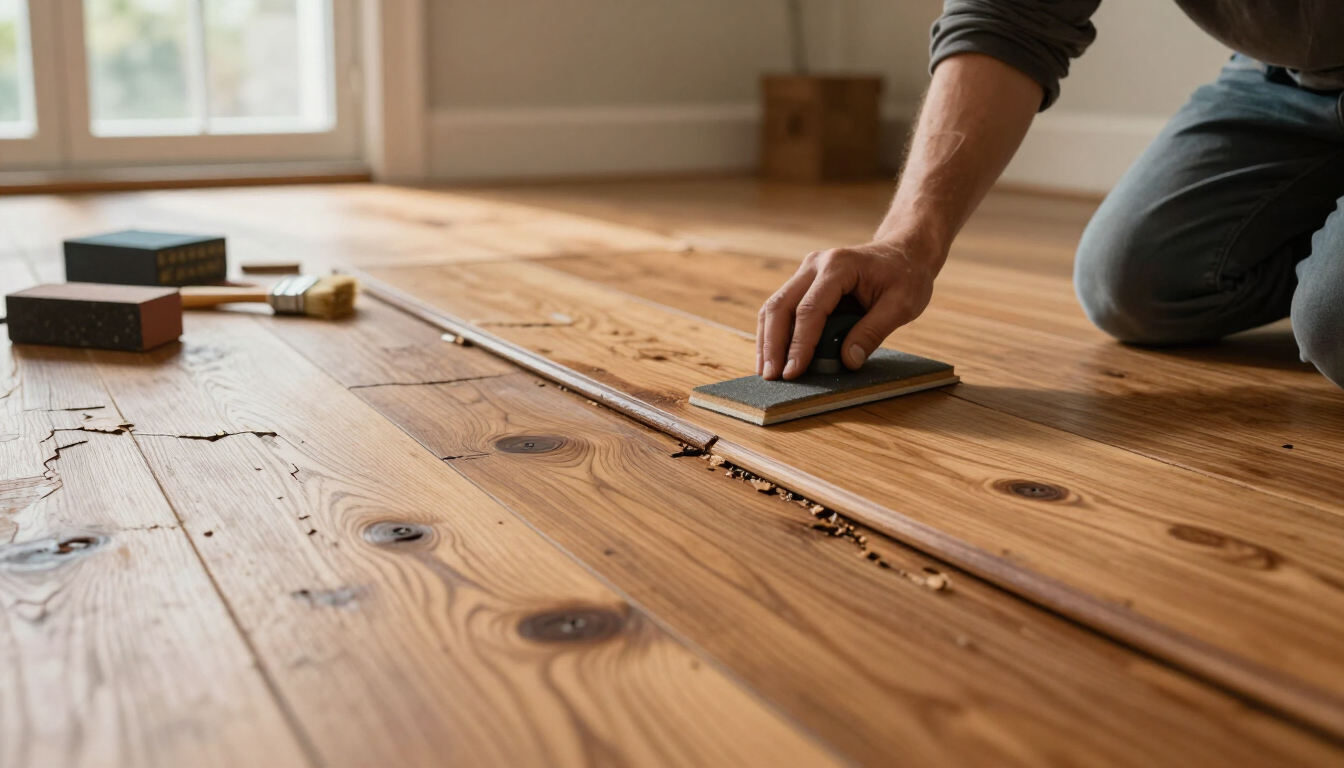
Dustless sanding equipment provides a more controlled, even sanding process. Because dust is continuously removed, the sanding pads make consistent contact with the wood surface:

  • Old finishes and surface imperfections are removed more uniformly.
  • The floor is left smooth and ready to accept stain and finish.
  • There’s less risk of stray dust particles getting trapped in the new finish.

A clean surface is essential for a beautiful, professional-looking result. Dustless sanding helps create that ideal foundation.

Preserving the Integrity of Your Wood

Because dustless sanding systems are efficient and precise, they often remove only as much material as necessary. That’s important for the long-term health of your hardwood:

  • Boards keep more of their original thickness and strength.
  • Floors can be refinished multiple times over the life of the home.
  • You protect your investment in quality hardwood flooring.

Long-Lasting Beauty and Durability

When your floors are properly sanded and refinished, you’re not just getting a short-term upgrade—you’re extending the life of your flooring.

  • A smooth surface allows finishes to bond more effectively.
  • High-quality finishes create a durable barrier against daily wear.
  • You enjoy a rich, even appearance that holds up to busy family life.

With professional hardwood floor refinishing using dustless sanding, you get both beauty and durability in one project.

3. Why Choose Dustless Hardwood Floor Sanding in Chattanooga

Chattanooga homes have a wide range of hardwood styles—from classic oak and pine in older homes to modern species in newer builds. Choosing a local refinishing company that understands these floors and our regional climate makes a real difference.

Local Expertise for Your Flooring Needs

A team that regularly works with hardwood flooring in Chattanooga and the surrounding area understands how seasonal humidity, older subfloors, and local building styles affect your floors. That local experience helps guide:

  • Which sanding approach and grits to use for your specific flooring.
  • How to handle older or previously refinished floors.
  • Which finishes perform best in our regional conditions.

Efficient and Professional Service

Professional dustless sanding is about more than just equipment—it’s about the overall experience:

  • Clear communication: You’ll know what to expect, how long it will take, and which areas will be affected.
  • Minimal disruption: With dust under control, you don’t have to pack up your entire home or clean for days.
  • Skilled technicians: Experienced crews know how to safely operate dustless systems and achieve a consistent, high-quality finish.

At First Class Wood Floors , we focus on delivering a smooth process and exceptional results, so refinishing feels like an upgrade—not a burden.

Transforming Homes Across the Region

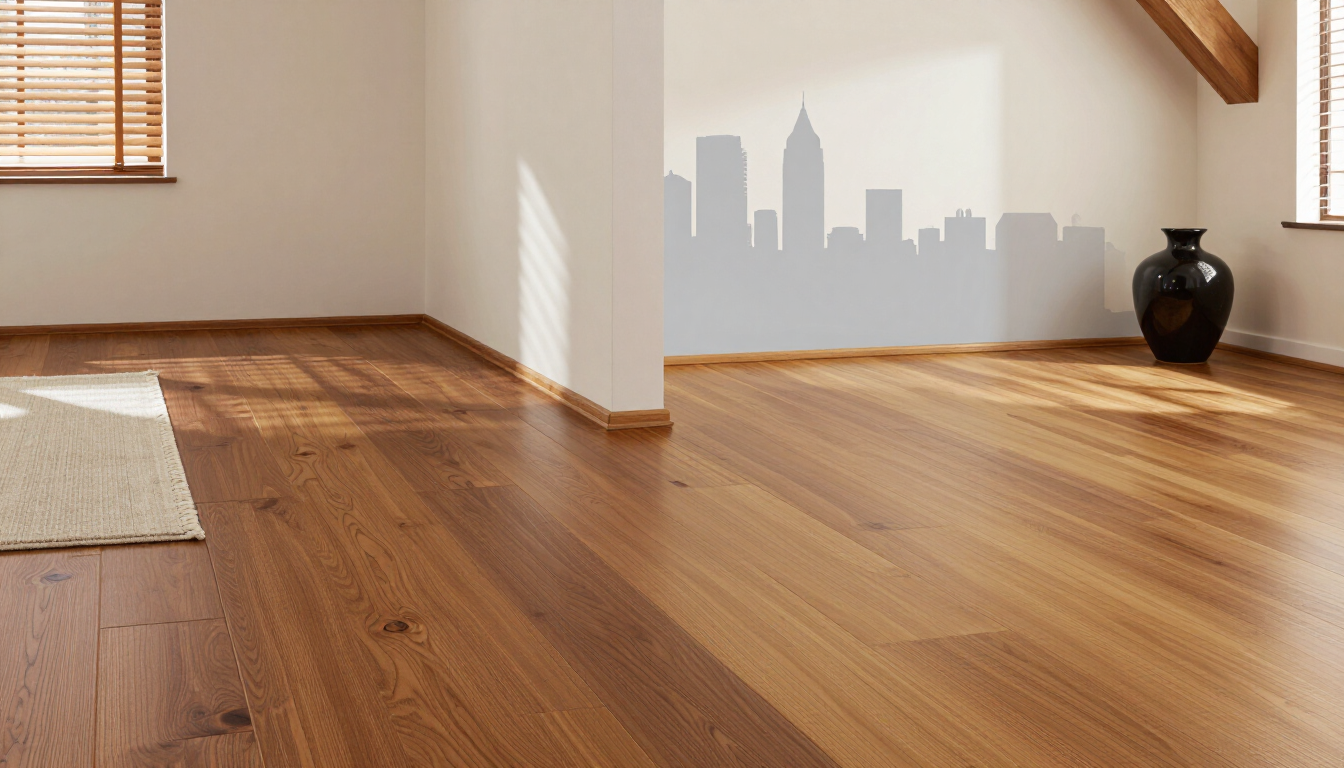
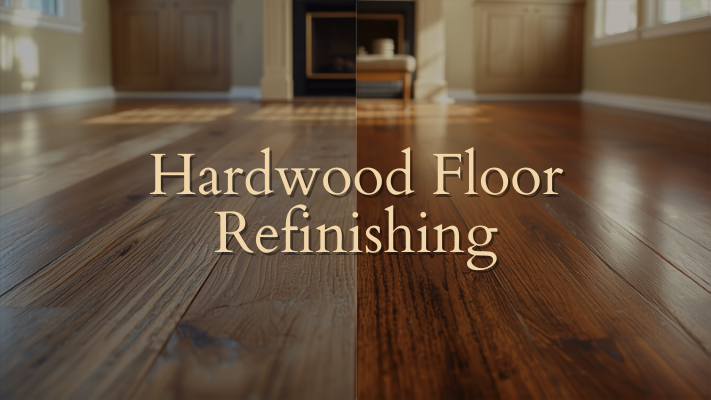
Refinished hardwood floors can completely transform how your home feels—brighter, cleaner, and more welcoming. Dustless sanding helps you reach that transformation with far less mess and stress.

You can see our hardwood floor gallery for real examples of refinishing projects completed throughout our Chattanooga and North Georgia service areas.

4. Protecting Your Home Environment

For many homeowners, air quality and cleanliness are just as important as how the floors look. Dustless sanding is designed with your home environment in mind.

Minimizing Airborne Particles

Traditional sanding throws tiny wood particles into the air where they can linger for days. Dustless systems capture these particles right at the sanding head, before they have a chance to spread through your home.

  • High-powered vacuums pull dust away as soon as it’s created.
  • Advanced filtration traps even very fine particles.
  • Less dust enters the air, vents, and adjoining rooms.

Reducing Allergen Exposure

Dust can aggravate allergies, asthma, and respiratory issues—especially for children and older adults. By dramatically reducing airborne dust, dustless sanding helps:

  • Lower exposure to wood dust and related allergens.
  • Keep surfaces, furniture, and fabrics cleaner.
  • Maintain a more comfortable environment during the project.

Maintaining Indoor Air Quality

Keeping indoor air clean is important year-round, but especially during home renovations. Dustless sanding supports better air quality by focusing on containment and filtration instead of cleanup after the fact.

Key elements that make it effective include:

  • Source capture: Dust is collected at the sanding machine, not after it settles.
  • Advanced filtration: High-efficiency filters capture tiny particles traditional vacuums might miss.
  • Sealed systems: Hoses and equipment are designed to keep dust from escaping back into the room.

This means you can often continue using parts of your home during refinishing with far less disruption.

5. A Time-Saving Approach to Refinishing

For busy households, time is just as valuable as money. Dustless sanding helps save both by streamlining the refinishing process.

Less Cleanup Means More Enjoyment

Because the majority of dust is captured during sanding, there’s far less post-project cleaning required:

  • No days of wiping down walls and furniture.
  • Less vacuuming of vents, blinds, and fabrics.
  • You can start enjoying your new floors much sooner.

Faster Project Completion

Traditional sanding often involves extra prep and cleanup time. Dustless sanding reduces both, allowing crews to focus on what matters most—sanding and finishing your floors correctly.

  • Less time spent taping and plastic-wrapping rooms.
  • Reduced downtime waiting for dust to settle before finishing.
  • A more efficient overall project timeline.

Enjoy Your Renewed Space Sooner

With a more efficient process and less cleanup, you get to move furniture back in, welcome guests, and enjoy your refreshed space faster than with traditional sanding methods.

6. The Smart Choice for Busy Households

Between work, school, activities, and everything else on your plate, you don’t have time for a drawn-out, dusty renovation. Dustless sanding is built for real life.

Convenience for Active Lifestyles

Dustless sanding keeps disruption to a minimum:

  • You don’t have to seal off your whole home.
  • You spend less time cleaning after the project.
  • The process fits more easily into your busy schedule.

Peace of Mind During Renovations

Knowing that dust is being contained and removed gives you confidence while work is in progress—especially important if you have kids, pets, or health concerns.

Invest in Your Home’s Value

Refinishing your hardwood floors is one of the most impactful upgrades you can make. Choosing dustless sanding helps protect your floors during the process, supports a better finish, and adds value to your home without the usual mess.

If you’re ready to update your hardwood with minimal disruption, schedule your dustless sanding consultation with First Class Wood Floors today.

Wrapping Up: A Cleaner Project, a Happier Home

Dustless sanding makes hardwood floor refinishing more practical for busy Chattanooga households. You get all the benefits of renewed, beautiful floors—without the overwhelming dust, days of cleanup, or feeling like you’re living in a construction zone.

To learn more about how dustless sanding can transform your home, or to request a refinishing estimate , reach out to First Class Wood Floors. We proudly serve homeowners throughout our Chattanooga and North Georgia service areas.

Frequently Asked Questions

What exactly is dustless sanding?

Dustless sanding is a refinishing method where sanding machines are connected to powerful vacuum systems that collect dust as it’s created. Instead of filling your home with dust, the system captures and contains it, keeping your space much cleaner.

Is dustless sanding better for homes with kids or pets?

Yes. By dramatically reducing airborne dust, dustless sanding helps protect indoor air quality. That’s especially important for children, pets, and anyone with allergies or respiratory sensitivities.

Will my floors look better with dustless sanding?

Dustless sanding supports a smoother, more even surface, which helps stain and finish apply more consistently. That often leads to a more beautiful, professional-looking result compared to traditional methods.

Does dustless sanding take longer than traditional sanding?

In many cases, the overall project can be completed faster because there’s less prep and cleanup involved. Crews can focus on sanding and finishing instead of spending extra time managing dust.

Is dustless sanding more expensive?

While the equipment is more advanced, homeowners often see value in reduced cleanup, better air quality, and superior results. When you consider time saved and the longevity of a high-quality refinish, dustless sanding is a smart investment.

How do I get started with dustless hardwood floor sanding in Chattanooga?

The easiest way to get started is to schedule your dustless sanding consultation with First Class Wood Floors. We’ll evaluate your floors, explain your options, and provide a customized plan for dustless hardwood floor sanding in Chattanooga that fits your home and lifestyle.

hardwood floor installation Tennessee
By Rise Design April 6, 2026
Is April a good time for hardwood floor installation Tennessee? Learn about climate, benefits, and expert tips.
hardwood floor maintenance spring
By Rise Design April 6, 2026
Spring is here, and with it comes a desire to freshen things up. While you're thinking about cleaning out closets and getting the garden ready, don't forget your floors! Your hardwood floors have been through a lot this winter, from heavy boots to spilled hot chocolate. Now's the perfect time for some focused hardwood floor maintenance spring cleaning to get them looking their best. Let's walk through a simple checklist to make sure your floors are ready for the sunny days ahead. Key Takeaways Check your hardwood floors for any damage like scratches, dents, or signs of water issues that might have happened over the winter. Give your floors a good cleaning, starting with sweeping or vacuuming, then tackling any tough spots and finishing with a light mop. Use mats at doors and pads under furniture to shield your floors from dirt and scratches, especially with more people coming and going. Keep humidity in a good range to stop wood from expanding or shrinking, which can cause gaps or buckling. For floors that need more work, look into fixing small scratches yourself or consider professional help for a full refresh. Assess Your Hardwood Floor's Condition Before you start any spring cleaning or maintenance, it's a good idea to take a close look at your hardwood floors. Think of it like a quick check-up for your floors. This initial assessment will help you figure out exactly what needs attention and prevent small issues from becoming bigger problems down the road. Inspect for Scratches and Dents Walk around your floors, maybe with a good flashlight, and really look for any marks. You'll probably find some, especially if you have pets or kids. Surface Scratches: These are usually light and only affect the top finish. They might look like faint lines. Deeper Scratches: These go through the finish and into the wood itself. They'll feel rough if you run your finger over them. Dents: These are areas where the wood has been compressed, often from heavy furniture or dropped objects. They can range from minor indentations to more significant gouges. Check for Moisture Damage Spring weather can bring extra moisture, and hardwood floors don't like that one bit. Look for signs like: Cupping: The edges of the planks might be higher than the center. Crowning: The center of the planks might be higher than the edges. Warping: Planks might look bent or twisted. Discoloration: Dark spots or mildew can appear in damp areas. Pay special attention to areas near windows, doors, and any appliances that use water. Even small leaks can cause trouble over time. Evaluate the Finish's Integrity The finish is what protects your wood. Over time, it can wear down, especially in high-traffic spots. Is it dull or hazy? This often means the protective layer is worn. Are there scuff marks that won't come off with cleaning? This is another sign the finish is compromised. Can you see bare wood in places? This is a clear indicator that the finish is gone and the wood is exposed. Taking the time to do this thorough inspection now will make all your subsequent spring maintenance tasks much more effective. Deep Cleaning for a Fresh Start After a long winter, your hardwood floors might be looking a little dull. Spring is the perfect time for a good, thorough cleaning to bring back their natural beauty. This isn't just about making things look nice; it's about removing the grit and grime that can actually wear down your finish over time. Sweep or Vacuum Thoroughly Start by getting rid of all the loose stuff. Think dust bunnies, pet hair, and any tracked-in dirt from muddy boots. Use a soft-bristle broom or a vacuum cleaner with a hard floor attachment. Make sure to get into corners and along baseboards where dust likes to hide. If you have a vacuum, turn off the beater bar to avoid scratching the wood. Address Stubborn Stains Sometimes, regular sweeping just won't cut it. You might have sticky spots or old spills that need a little extra attention. For most common spills, a damp cloth with a bit of pH-neutral cleaner made for hardwood floors usually does the trick. For tougher spots, like dried mud or crayon marks, you might need to use a bit more elbow grease. Try a soft cloth dampened with a mixture of water and a tiny bit of dish soap, then wipe it clean with a separate damp cloth. Always test any cleaner in an inconspicuous spot first to make sure it doesn't damage the finish. Perform a Gentle Damp Mop Once the loose debris and tough spots are handled, it's time for a gentle mop. The key here is damp , not wet. Too much water is the enemy of hardwood floors. Use a mop specifically designed for hardwood floors, or a microfiber mop. Wring out the mop so it's barely damp. You want to clean the floor, not soak it. Work in sections, moving the mop in the direction of the wood grain. Follow up immediately with a dry cloth or a dry mop to pick up any lingering moisture. Remember, the goal is to lift dirt and grime without saturating the wood. Excessive water can seep into the seams, causing swelling, warping, and even mold growth over time. Always err on the side of caution with moisture. Taking these steps will leave your hardwood floors looking refreshed and ready for the warmer months ahead. Protecting Your Floors from Spring Elements Spring brings sunshine, but also a lot of extra foot traffic and moisture. We want to keep those beautiful hardwood floors looking good, right? So, let's talk about how to shield them from the elements. Apply Protective Mats at Entrances This is a big one. Think about all the stuff that gets tracked in during spring: mud, water, pollen, and whatever else is on people's shoes. Placing mats at every entrance – front door, back door, even patio doors – is your first line of defense. Choose mats with a good backing so they don't slide around. Opt for mats with a slightly rough texture to really grab dirt and moisture. Make it a habit for everyone, including yourself, to wipe their feet thoroughly before stepping onto the wood. Keeping dirt and moisture at bay right at the doorway saves you a ton of cleaning later on. It's a simple step that makes a huge difference in preventing scratches and water damage. Use Furniture Pads Spring cleaning might involve rearranging furniture, or maybe you're just moving things around. Whatever the reason, make sure every piece of furniture has felt pads on its legs. Scratches from furniture legs are super common and can really mar the look of your floors. These pads are cheap and easy to apply, and they stop those nasty gouges. If you don't have them already, grab some. It's a small investment for long-term floor protection. You can find them at most hardware stores or online. Just peel and stick them onto the bottom of your table legs, chair legs, and any other furniture that sits on the floor. Get furniture pads today to prevent future damage. Manage Humidity Levels Believe it or not, humidity plays a big role in the health of your hardwood floors. Spring weather can be unpredictable, with damp days followed by dry spells. Extreme fluctuations in humidity can cause wood to expand and contract, leading to gaps or even cupping. Use a dehumidifier on particularly damp days to keep moisture levels in check. Consider a humidifier if your home tends to get very dry, especially if you use air conditioning a lot. Monitor humidity levels with a hygrometer to get a clear picture of your home's environment. Aim for a consistent level, generally between 35-55%. Refinishing and Repair Options Sometimes, despite our best efforts, hardwood floors show their age. Scratches happen, dents appear, and finishes can wear down. Don't despair! There are ways to bring your floors back to life. Minor Scratch Repair Techniques For those everyday scuffs and light scratches, you might be able to do a quick fix yourself. It's usually not too complicated. For light scratches: Try using a wood repair crayon or marker that matches your floor's color. Just rub it into the scratch and buff off any excess. It's amazing how well these can hide minor imperfections. For deeper scratches: You might need a wood filler. Apply it carefully with a putty knife, let it dry completely, and then sand it smooth. You'll likely need to touch up the finish in that spot afterward to make it blend in. For dull spots: Sometimes, the finish just looks worn. There are "refresher" products available that can help restore some of the sheen without a full refinish. When to Consider a Full Refinish If your floors have seen better days, a full refinish might be the way to go. This process can completely transform a room. It's more involved than a simple repair, but the results are often dramatic. Signs it's time for a refinish: Widespread deep scratches and gouges that cover a large area. The finish is worn away in many places, leaving the wood exposed and looking dull. There are significant stains or discoloration that can't be buffed out. The floor has been sanded down too many times in the past and can't handle another sanding. Professional Restoration Services Sometimes, the damage is just too much for a DIY fix, or you simply don't have the time or inclination to tackle it yourself. That's where the pros come in. They have the tools and the know-how to bring even the most tired-looking floors back to their former glory. They can handle everything from deep sanding and staining to complex repairs and recoating. It's an investment, for sure, but a professionally restored floor can add significant value and beauty to your home. When you're looking at your floors, try to assess the overall condition. A few isolated scratches are one thing, but if the wear and tear is widespread, it might be time to think bigger than a quick touch-up. Getting professional advice can help you decide the best path forward, whether it's a simple repair or a complete overhaul. Maintaining the Shine Year-Round Keeping your hardwood floors looking great isn't just a spring cleaning thing; it's an ongoing effort. Little habits can make a big difference in how long that beautiful shine lasts. Consistency is key when it comes to preserving the natural beauty of your wood floors. Regular Dusting and Sweeping This might sound obvious, but it's the most important step. Dust, dirt, and grit are like tiny sandpaper particles that get ground into the finish every time someone walks on them. The more you can get these particles off, the less wear and tear your floors will experience. I try to do a quick sweep or use the vacuum's floor attachment every couple of days. It really doesn't take long, maybe five minutes for the main areas. Daily quick sweep of high-traffic zones. Weekly thorough vacuuming, paying attention to edges. Use a soft-bristle broom or a vacuum with a hardwood floor setting. Quick Spill Cleanup Accidents happen, right? Whether it's a dropped glass of water, a pet's mishap, or a spilled drink, you need to deal with it fast. Liquids left sitting on hardwood can seep into the wood and cause staining or even warping over time. Don't just wipe it up; make sure you get the area completely dry afterward. A slightly damp cloth followed by a dry one usually does the trick. Don't let spills linger. The longer moisture sits on your hardwood, the more likely it is to cause damage that's hard to fix later. Periodic Buffing Sometimes, even with regular cleaning, floors can start to look a little dull. This is where periodic buffing comes in. It's not a full refinish, but more like a pick-me-up for your floors. You can use a buffer machine, or for smaller areas, a good microfiber cloth can work wonders. This process helps to bring back that lovely luster and can even fill in some very minor surface scratches. It's a great way to keep your floors looking fresh between deeper cleaning sessions. You can find buffing pads designed specifically for hardwood floors to avoid any scratching. This is a good way to keep your floors looking their best and protecting the wood from everyday wear. Keeping your floors looking great all year long is easier than you think! Simple steps can prevent wear and tear, ensuring your beautiful hardwood floors stay vibrant. Want to learn more about how to keep that shine? Visit our website for expert tips and services . Wrapping Up Your Floor Care So, that's the rundown on getting your hardwood floors ready for spring. It might seem like a bit of work, but honestly, a little attention now can save you a lot of headaches later. Think of it like giving your floors a good spa day after a long winter. Keeping them clean and protected means they'll look great for years to come. Plus, who doesn't love walking on shiny, well-kept floors? It just makes the whole house feel better. Go ahead, give these tips a try, and enjoy your refreshed floors! Frequently Asked Questions How often should I clean my hardwood floors? It's a good idea to sweep or vacuum your hardwood floors a few times a week. This helps get rid of dirt and dust that can scratch the wood. For a deeper clean, a gentle mop once a month or so should do the trick, depending on how much traffic your floors get. What's the best way to clean up spills on hardwood? Act fast! For most spills, just grab a soft cloth or paper towel and wipe it up right away. If it's a sticky mess, a slightly damp cloth can help, but make sure to dry the spot afterward so no water sits on the wood. Can I use regular cleaning products on my hardwood floors? Not usually. Many regular cleaners can be too harsh and might damage the finish on your hardwood. It's best to stick to cleaners made specifically for wood floors or use a simple mix of water and a tiny bit of mild dish soap for damp mopping. How do I prevent scratches on my hardwood floors? Simple things make a big difference! Put felt pads on the bottom of all your furniture legs – chairs, tables, couches, everything. Also, consider using doormats at all entrances to catch dirt and grit before it gets tracked inside. My floors look dull. What can I do? If your floors have lost their shine, it might be time for a gentle buffing. Some wood floor polishes can also help bring back the gleam. For really worn-out floors, you might need to think about refinishing them. What if I see water damage or warped boards? Water damage is serious. If you notice any boards looking warped, discolored, or if there's a musty smell, you need to address it quickly. Try to find the source of the moisture and dry the area thoroughly. For bigger problems, calling a professional is the safest bet.
hardwood floor color trends
By Rise Design April 6, 2026
Explore Spring 2026 hardwood floor color trends. Discover earthy tones, soft neutrals, and bold choices to refresh your space.
hardwood floor refinishing cost, replacement cost
By Rise Design April 6, 2026
Compare hardwood floor refinishing cost vs. replacement cost this spring. Make the best choice for your home's value and budget.
protect hardwood floors moisture
By Rise Design April 6, 2026
Protect hardwood floors from moisture during spring storms. Learn how to safeguard your floors from water damage and maintain their beauty.
best hardwood floor finish, durable wood floors
By Rise Design April 6, 2026
Find the best hardwood floor finish for busy homes. Discover durable wood floors with our guide to top finishes.
hardwood floors home value, spring remodeling
By Rise Design April 6, 2026
Boost your home value with spring remodeling projects featuring hardwood floors. Learn how to maximize ROI.
professional hardwood floor installation
By Rise Design April 6, 2026
Discover why professional hardwood floor installation is worth it. Learn about expertise, tools, longevity, aesthetics, and avoiding mistakes.
hardwood floor repair Chattanooga
By Rise Design March 3, 2026
Signs your hardwood floors need repair after winter. Learn about warping, gaps, squeaks, scratches, fading, and trim issues. Expert hardwood floor repair Chattanooga.
hardwood floor installation spring
By Rise Design March 3, 2026
Learn how spring weather impacts hardwood floor installation timelines, from humidity to temperature. Plan your project effectively.
Show More