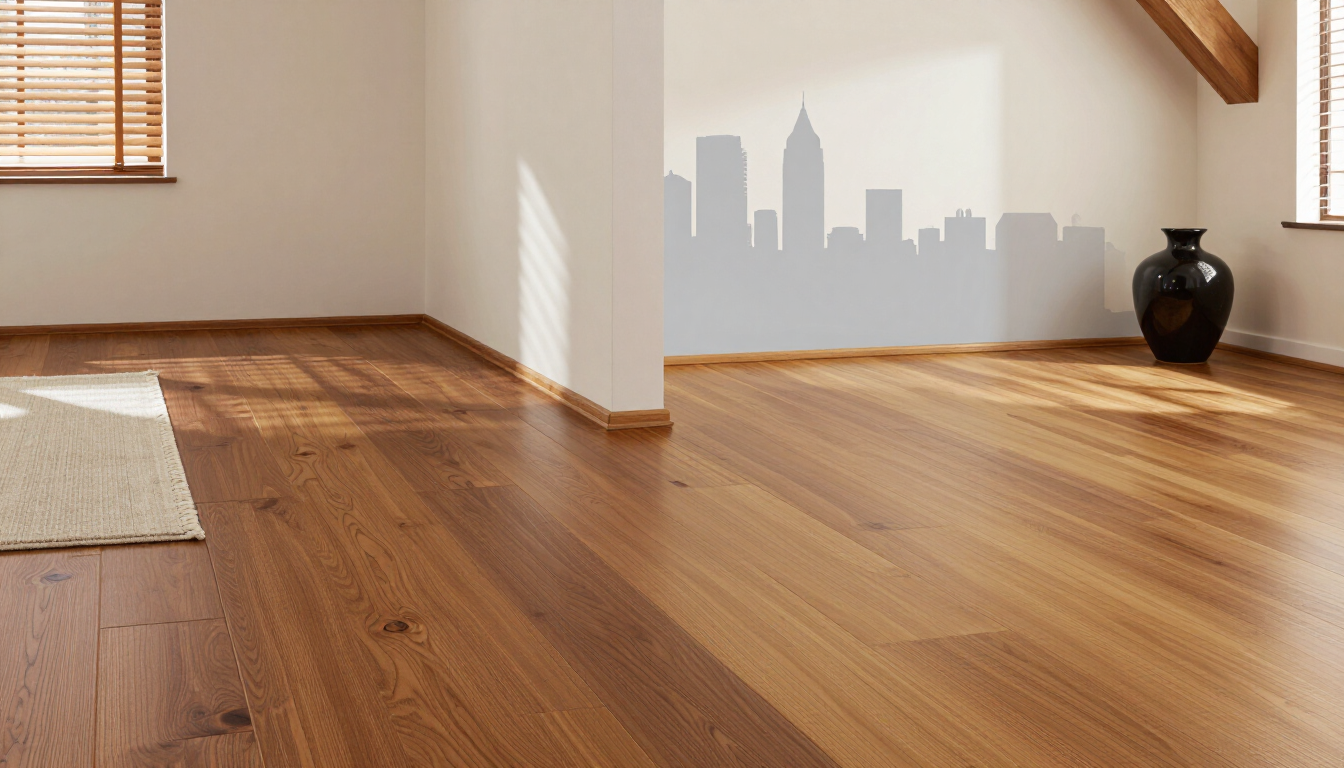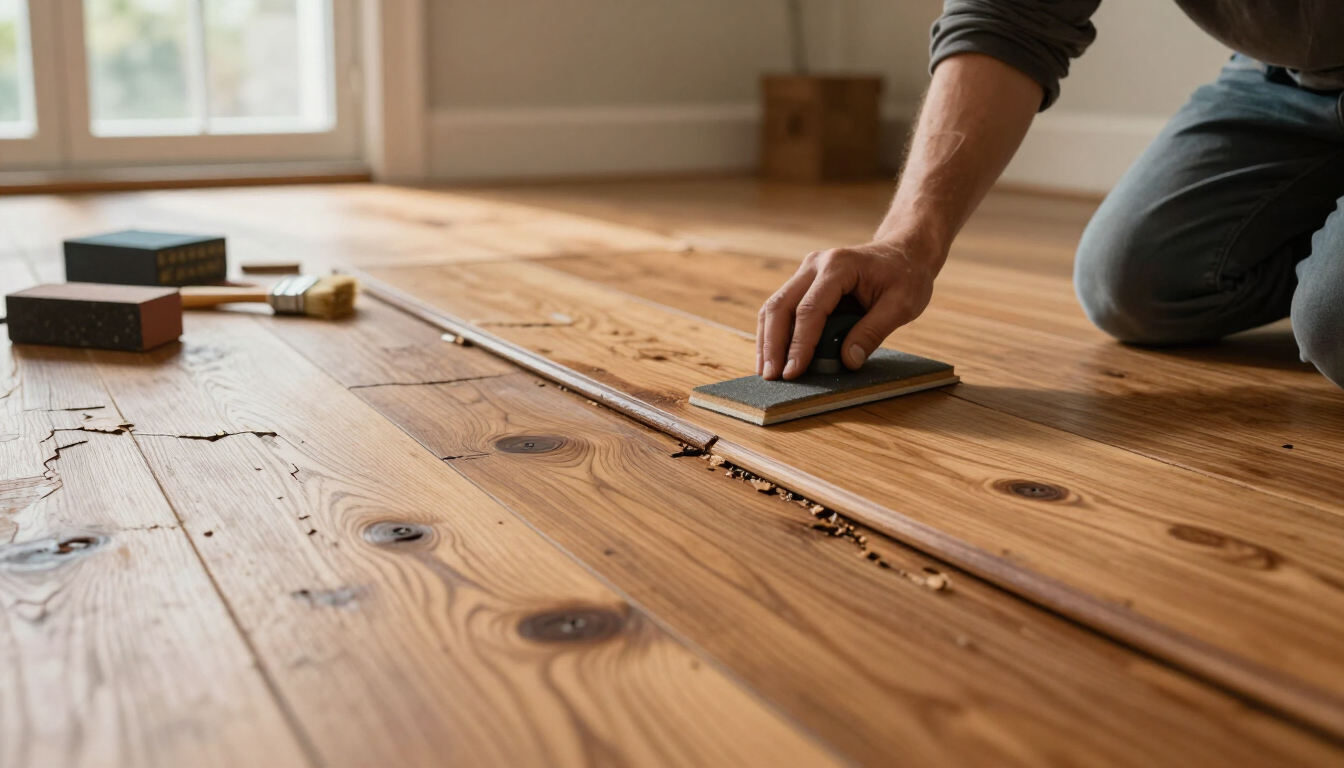
Why Choose Professional Floor Installation in Fort Oglethorpe, Chickamauga & Trenton, GA

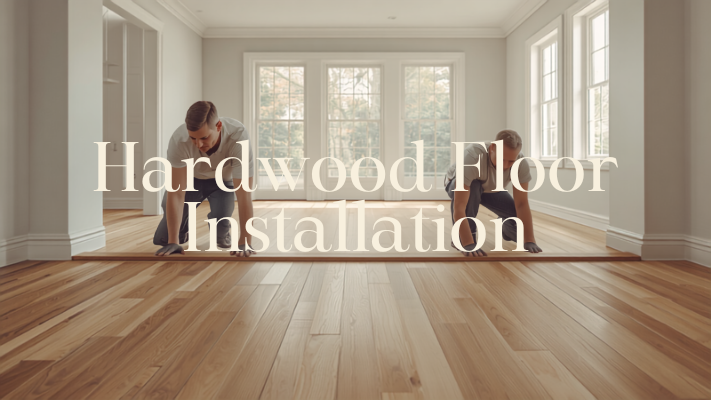
Thinking about new floors for your place in Fort Oglethorpe, Chickamauga, or Trenton, GA? It's a big decision, and while DIY might seem tempting, there's a lot to consider. Getting the floor installation right makes a huge difference in how your home looks and how long your floors last. Let's talk about why hiring pros for your floor installation Fort Oglethorpe GA project is usually the way to go.

Key Takeaways

  • Professional floor installation means skilled work for a good finish.
  • Pro services help your floors last longer and avoid costly mistakes.
  • Experts handle different types of floors for homes and businesses.
  • Proper prep work, like checking the subfloor, is really important.
  • Local pros in Fort Oglethorpe, Chickamauga & Trenton, GA, are reliable.

Expertise in Floor Installation Fort Oglethorpe GA

When it comes to putting down new floors, it's not just about slapping planks or tiles in place. There's a real skill to it, and getting it done right makes a huge difference. Having pros handle your floor installation means you're getting a job done with care and know-how. They’ve seen it all, from tricky layouts to different types of materials, and they know how to make it look good and last.

Skilled Craftsmanship for Flawless Finishes

Think about it: a perfectly laid floor just looks right. It’s smooth, the lines are straight, and there are no weird gaps or bumps. That’s the mark of good craftsmanship. These installers have spent years honing their skills, learning the little tricks that make a big difference. They pay attention to details you might not even notice until it's too late, like how the pattern flows or how edges meet walls.

Understanding Different Flooring Materials

Not all floors are created equal, and neither are the ways to install them. Whether you're looking at hardwood, laminate, vinyl, tile, or carpet, each has its own set of rules. For instance, hardwood needs to acclimatize to the room's temperature and humidity before it's installed, and different types might need specific adhesives or fasteners. Vinyl plank, on the other hand, might be a click-lock system that's more forgiving. Knowing these differences is key to a good outcome. A good installer will know:

  • Which adhesive works best for your specific tile and subfloor.
  • How to properly cut and fit around doorways and cabinets.
  • The best way to lay out patterns for materials like tile or wood to minimize waste and look best.
Getting the right materials and knowing how to work with them is half the battle. It’s about more than just following instructions; it’s about experience and knowing what to do when something unexpected pops up.

Precision Measurements and Layouts

Before any actual laying begins, there's a lot of measuring and planning. This isn't just about figuring out how much material to buy. It's about planning the layout. Where does the first piece go? How will the pattern run across the room? This is especially important for patterned floors or rooms with odd shapes. Getting the layout right from the start means the whole floor will look balanced and intentional. Professionals at 1st Class Flooring take the time to map this out, making sure everything aligns perfectly, which saves a lot of headaches down the road.

Benefits of Professional Flooring Services

Look, we all want to save a buck, right? But when it comes to putting down new floors, trying to DIY it can end up costing you way more in the long run. Professional floor installation isn't just about making it look pretty; it's about getting it done right the first time.

Ensuring Durability and Longevity

When you hire pros, they know how to handle all sorts of flooring materials. They understand what works best for different rooms and how to install it so it lasts. Think about it:

  • Properly fitting planks or tiles means no gaps where dirt can get in.
  • Correct adhesive or fastening techniques stop floors from shifting or lifting.
  • They know how to account for expansion and contraction, which is a big deal with wood or laminate.

Avoiding Costly Mistakes

Messing up floor installation can be a real headache. You might cut pieces wrong, damage the material, or even mess up your subfloor. These mistakes add up fast. A pro installer has the right tools and knows the tricks to avoid these common pitfalls. They've seen it all, from warped boards to cracked tiles, and know how to prevent them.


Trying to save money by doing it yourself might seem smart initially, but if you end up having to buy more materials or pay someone to fix your mistakes, you've lost money. Plus, the stress isn't worth it.

Time Savings for Busy Homeowners

Let's be real, most of us have busy lives. Between work, family, and everything else, who has the time to spend days or weeks wrestling with flooring? Professional installers work efficiently. They have the experience and the right equipment to get the job done much faster than you could. This means you can get back to enjoying your home sooner, without the mess and hassle of a long, drawn-out project.

Comprehensive Flooring Solutions Offered

We handle all sorts of flooring jobs, big or small. It doesn't matter if it's for your house or a business place, we've got you covered.

Residential Floor Installation Expertise

When it comes to your home, we know how important it is to get the floors right. We install all kinds of residential flooring:

  • Hardwood: Classic and beautiful, we make sure every plank is laid perfectly.
  • Laminate: A budget-friendly option that still looks great, we install it to last.
  • Vinyl: From sheets to planks, vinyl is versatile and we fit it with care.
  • Carpet: We provide a smooth installation for a comfortable feel underfoot.

We treat your home like our own, paying attention to every detail.

Commercial Flooring Projects

Businesses have different needs. Floors in commercial spaces need to be tough and look professional. We work with:

  • Office buildings
  • Retail stores
  • Restaurants
  • Healthcare facilities

We understand that commercial flooring needs to stand up to a lot of foot traffic and look good doing it. We pick materials that are both practical and fit the style of your business.

Specialty Flooring Applications

Sometimes, you need something a bit different. We can also help with:

  • Waterproof flooring for bathrooms and kitchens
  • Durable options for basements
  • Unique patterns or designs
We aim to provide flooring that not only looks good but also works well for the specific room or purpose. Getting the right floor means thinking about how the space is used every day. We help you make smart choices for your property.

Choosing the Right Flooring for Your Home

Picking out new floors can feel like a big decision, and honestly, it is! You want something that looks good, holds up well, and doesn't turn into a headache to keep clean. Let's break down a few things to think about.

Durability Considerations for High-Traffic Areas

Think about the rooms that get the most foot traffic. The hallway, kitchen, and living room are usually the busiest spots in the house. For these areas, you'll want flooring that can take a beating. Materials like hardwood, especially denser types, or good quality laminate and luxury vinyl plank (LVP) are built to last. They resist scratches and wear better than softer options.

  • Hardwood: Great for a classic look, but can scratch. Choose harder wood species for better durability.
  • Laminate: Mimics wood or tile, often very scratch-resistant and budget-friendly.
  • Luxury Vinyl Plank (LVP): Waterproof and tough, perfect for kitchens and entryways.
  • Tile: Extremely durable and water-resistant, but can be cold and hard underfoot.
When you're looking at flooring for busy areas, don't just go for the cheapest option. Investing a little more upfront in a durable material can save you money and hassle down the road. You won't have to worry about replacing it as often.

Aesthetic Appeal and Design Trends

Of course, you want your floors to look nice! What's trending right now? Wide plank wood floors are still very popular, giving a modern yet warm feel. Gray tones and natural wood finishes are also big. If you're going for a more classic vibe, consider traditional wood patterns or elegant tile. Think about the overall style of your home and what will complement your furniture and decor. You can find some really beautiful options for hardwood flooring services.

Maintenance Requirements of Various Floors

How much time do you want to spend cleaning? Some floors are super easy to maintain, while others need a bit more TLC.

  1. Easy Care: LVP and tile are generally the easiest. A quick sweep and mop usually do the trick.
  2. Moderate Care: Laminate is also pretty low-maintenance, but you need to be careful about excess moisture.
  3. Higher Care: Hardwood floors look amazing, but they require specific cleaners and can be damaged by too much water or harsh chemicals. Regular sweeping and occasional damp mopping are key.

Ultimately, the best flooring for your home is one that fits your lifestyle, budget, and aesthetic preferences.

The Importance of Proper Subfloor Preparation

You might think that the new flooring itself is the most important part of the job, but honestly, the foundation it sits on matters just as much. We're talking about the subfloor here. Getting this part right is key to a beautiful and long-lasting floor. If the subfloor isn't in good shape, even the best materials and installation can end up looking bad or failing prematurely.

Ensuring a Stable Foundation

A solid subfloor gives your new flooring something firm to grip onto. Think of it like building a house; you wouldn't start putting up walls on shaky ground, right? The same applies here. A stable subfloor prevents:

  • Shifting or movement of the flooring planks.
  • Creaking or squeaking sounds when you walk.
  • Cracking or buckling of the material over time.

Addressing Uneven or Damaged Subfloors

Subfloors can get pretty beat up over the years. They might have dips, humps, or even damage from past water issues. If you just lay new flooring over this, you're asking for trouble. We check for:

  • High spots that need to be ground down.
  • Low spots that need to be filled and leveled.
  • Loose boards or panels that need to be secured.
Ignoring these issues means your new floor will likely follow the contours of the bad subfloor, leading to an uneven appearance and potential structural problems down the line. It's better to fix it right the first time.

Moisture Testing and Mitigation

Moisture is a flooring's worst enemy, especially for wood and laminate. Too much dampness in the subfloor can cause:

  • Swelling and warping of wood-based materials.
  • Mold and mildew growth, which is bad for air quality.
  • Adhesive failure, causing tiles or vinyl to lift.

We test for moisture levels to make sure the subfloor is dry enough before we start. If it's too wet, we can talk about ways to fix that, like using moisture barriers or improving ventilation, before we install your new floor.

Local Floor Installation in Your Area

Serving Fort Oglethorpe, Chickamauga & Trenton, GA

When it comes to getting new floors put in, you want someone who knows the area. We're right here in your neighborhood, serving Fort Oglethorpe, Chickamauga, and Trenton, GA. This means we understand the local homes and what works best for them. We're not some big company from far away; we're your neighbors.

Trusted Local Flooring Professionals

Choosing local pros means you're getting a team that cares about their reputation in the community. We take pride in our work because we see our customers around town. Our team is made up of experienced installers who know their way around different types of flooring. We focus on getting the job done right the first time.

  • We show up on time.
  • We treat your home with respect.
  • We clean up after ourselves.
Picking the right flooring can be a big decision, and having local experts guide you makes all the difference. They can point you toward materials that hold up well in our specific climate and conditions.

Customer Satisfaction Guaranteed

Your happiness with your new floors is what matters most to us. We want you to love your new look, and we stand behind our work. If something isn't quite right, we'll make it right. We believe in building lasting relationships with our clients, and that starts with great service and a great finished product. For quality hardwood work, consider 1st Class Flooring in the wider Chattanooga area.

We're committed to making your floor installation experience as smooth as possible, from the initial consultation to the final walk-through. Let us help you transform your space with beautiful, well-installed floors.

Looking for new floors in your neighborhood? We can help you find the perfect look for your home. Our team offers top-notch floor installation services right where you live. Ready to see what we can do for you? Visit our website today to learn more and get a quote!

The Bottom Line: Get It Done Right

So, when you're looking at new floors for your home in Fort Oglethorpe, Chickamauga, or Trenton, remember this. While DIY might seem tempting, especially if you've watched a few videos, the reality of floor installation can be pretty tough. You could end up with uneven boards, gaps, or worse, damage to your subfloor. Hiring a pro saves you the headache and the potential extra costs of fixing mistakes. Plus, you get that clean, polished look you want, and it lasts. It’s really about peace of mind and a job done well the first time.

Frequently Asked Questions

Why is hiring someone to install my floors a good idea?

Hiring pros means your floors will look amazing and last longer. They know all the tricks to make sure everything is laid out perfectly, avoiding those annoying gaps or crooked lines you might get if you tried it yourself. Plus, they're quick and efficient, saving you a lot of hassle.

What happens if I try to install floors myself and make a mistake?

Oh, mistakes can get pricey! You might end up buying extra materials because you measured wrong, or you could damage the new flooring. Sometimes, a bad installation can even ruin the subfloor underneath, leading to even bigger repair bills down the road.

How long will my professionally installed floors last?

When done right by experts, most floors can last for many, many years. Things like solid wood or good quality tile can easily last 20 to 50 years, or even more! It really depends on the type of floor and how well it's cared for, but a pro installation gives it the best start.

What's the most important step before putting down new floors?

Getting the subfloor ready is super important. Think of it like building a house – you need a strong, flat base. If the subfloor is uneven, wet, or damaged, your new floors won't sit right, and they might crack or warp over time. Pros know how to fix these issues.

Can professionals help me pick the best flooring for my house?

Absolutely! Experts can guide you through all the options. They'll help you think about which floors are toughest for busy areas like hallways, which ones look the most stylish, and which ones are easiest to keep clean. They know what works best for different rooms and lifestyles.

Do you offer floor installation in Fort Oglethorpe, Chickamauga, and Trenton, GA?

Yes, we proudly serve homeowners and businesses in Fort Oglethorpe, Chickamauga, and Trenton, Georgia, and the surrounding areas. We're your local go-to for reliable and beautiful floor installations, and we always aim to make our customers super happy with the results.
hardwood floor sealing
By Rise Design June 28, 2026
Learn why hardwood floor sealing before summer is important. Protect your floors from damage and wear.
hardwood floors summer humidity
By Rise Design June 26, 2026
Learn how hardwood floors summer humidity affects Southern homes. Get tips to protect your floors.
protect hardwood floors rugs
By Rise Design June 24, 2026
Find the best protect hardwood floors rugs for summer. Keep your floors safe and stylish.
hardwood floor care summer
By Rise Design June 22, 2026
Master hardwood floor care this summer with tips for high traffic, sand, and moisture. Keep floors looking new!
hardwood floor maintenance summer
By Rise Design June 20, 2026
Summer hardwood floor maintenance tips to protect your floors from moisture, spills, and sun. Keep them looking great!
hardwood floors summer homes
By Rise Design June 18, 2026
Considering hardwood floors for summer homes? Learn how they handle humidity and heat.
hardwood floor refinishing signs
By Rise Design June 16, 2026
Spot hardwood floor refinishing signs before fall. Learn what to look for.
hardwood floor warping, cupping
By Rise Design June 14, 2026
Summer can be tough on your hardwood floors, bringing issues like warping and cupping. Here are the main things to remember to keep your floors in good shape. Key Takeaways Wood expands and contracts with changes in humidity and temperature, which can lead to warping and cupping. Use dehumidifiers and proper ventilation to keep indoor humidity levels steady, ideally between 35-55%. Maintain a consistent indoor temperature, avoiding big swings that stress the wood. Good airflow, especially from your HVAC system, helps prevent moisture buildup. Protect floors with rugs, seal them properly, and clean up spills right away. Understanding Summer's Impact On Your Hardwood Floor Summer. It's usually a time for fun, but for your hardwood floors, it can be a bit of a challenge. Wood is a natural material, and like most things in nature, it reacts to its surroundings. The biggest players in this summer drama are humidity and temperature. Humidity's Role In Wood Expansion Think of wood like a sponge. When the air gets thick with moisture, especially during those sticky summer months, the wood in your floor starts to soak it up. This absorbed moisture causes the wood fibers to swell. It's this expansion that leads to common issues like cupping and crowning. Cupping: This is when the edges of your floorboards are higher than the center, making them look like little canoes. It happens because the bottom of the board is getting more moisture than the top. You can learn more about wood floor cupping occurs. Crowning: This is the opposite of cupping, where the center of the board is higher than the edges. It's less common but still a sign of moisture trouble. Gapping: While less common in summer (more of a winter issue), extreme moisture changes can sometimes cause boards to pull apart if they've previously swollen and then dried out too quickly. Wood doesn't just expand and contract randomly. It's a direct response to the moisture content in the air around it. High humidity means more water molecules getting into the wood, pushing those fibers apart. Temperature Fluctuations And Wood Movement Besides humidity, the heat of summer also plays a part. While wood doesn't expand and contract with temperature as much as it does with moisture, significant temperature swings can still stress your floors. When temperatures rise, the air holds more moisture, compounding the problem. If you're constantly turning the AC on and off, you're creating these swings. Common Signs Of Hardwood Floor Warping So, how do you know if your floors are starting to protest the summer weather? Keep an eye out for these signs: Visible Gaps: You might notice small spaces appearing between your floorboards, especially if they've recently dried out after being exposed to moisture. Uneven Surfaces: Boards that feel soft or spongy underfoot, or ones that are noticeably higher or lower than their neighbors, are a clear indicator. Sound Changes: Sometimes, as wood moves, it can start to creak or groan more than usual. This might be a subtle sign that something's up. If you're seeing these issues, it's a good idea to investigate the cause. Sometimes, it's just a temporary reaction to the weather, but other times, it can point to a more serious problem, like undetected leaks or other hidden water sources that are saturating the wood. Controlling Indoor Humidity To Prevent Hardwood Floor Warping Summer air can be a real challenge for your hardwood floors. That sticky, humid air outside often finds its way inside, and wood, well, it doesn't like that one bit. It soaks up moisture and swells, leading to all sorts of problems like cupping and warping. Keeping your indoor humidity in check is probably the single most important thing you can do to protect your floors during these warmer months. Using Dehumidifiers Effectively If you live in a place where summer means high humidity, a dehumidifier is your best friend. Don't just plug it in and forget about it, though. You need to use it smartly. Placement Matters: Put your dehumidifier in a central location or in areas prone to dampness, like basements or bathrooms. Set It Right: Aim for a humidity level between 35% and 55%. Too low and the wood can shrink, too high and it swells. Empty It Regularly: Make sure to empty the water tank often, or set up a continuous drain if your model allows. A full tank means a useless machine. Over-reliance on air conditioning can sometimes dry out the air too much, especially in less humid climates. It's a balancing act, and sometimes you might even need a humidifier in the winter and a dehumidifier in the summer. Ventilation Strategies For Moisture Management Good airflow is key to preventing moisture buildup. Think about how you can get that humid air moving out and drier air circulating in. Open Windows (When Appropriate): On days when the outside air is less humid than inside, opening windows can help. But be smart about it – don't let more moisture in! Use Fans: Ceiling fans and portable fans help keep the air moving, which discourages moisture from settling. Check Your HVAC: Your home's heating, ventilation, and air conditioning system plays a big role. Make sure it's working efficiently and that the filters are clean. A well-maintained system can help regulate humidity. Monitoring Humidity Levels Year-Round Don't just think about humidity in the summer. Wood floors are affected by moisture changes all year long. You really need to keep an eye on things. Get a Hygrometer: This simple device measures the humidity in your home. They're inexpensive and give you real-time readings. Know Your Wood's Needs: Different types of wood have slightly different ideal moisture content levels. A quick search for your specific flooring type can give you a target range. Learn about wood moisture. Adjust as Needed: Based on your hygrometer readings, you'll know when to run your dehumidifier, humidifier, or just adjust your ventilation. Being proactive means fewer surprises down the road. Illinois homeowners often find this especially helpful during humid summers. Dealing with humidity might seem like a chore, but it's way easier than fixing warped floors. A little effort now can save you a lot of headaches and money later. Maintaining Optimal Temperature For Wood Floor Stability Wood is a natural material, and like most things in nature, it reacts to its surroundings. When it comes to your hardwood floors, temperature plays a big role in how stable they stay. Summer heat, especially when it's combined with fluctuating humidity, can really stress out your wood. Keeping a steady temperature is key to preventing problems like warping and cupping. It's not just about comfort; it's about protecting your investment. Avoiding Extreme Temperature Swings Think about how your house feels on a really hot day versus a cooler evening. That change in temperature causes the wood in your floors to expand and contract. Do this too often, or too drastically, and the wood can start to pull away from itself, leading to those annoying gaps or even buckling. It’s best to avoid those wild temperature swings. Try to keep your indoor climate as consistent as possible, even when you're not home. This helps the wood settle into a more stable state. The Benefits Of Consistent Climate Control When you maintain a steady temperature, you're giving your hardwood floors the best chance to stay flat and look great. It reduces the stress on the wood's fibers. This means fewer worries about gaps appearing between planks or the edges lifting. Consistent climate control also helps finishes last longer and keeps the overall look of your floor looking fresh. It's a simple step that makes a big difference in the long run for your home's flooring. Smart Thermostat Usage For Wood Floors Using a smart thermostat can be a real game-changer for managing your home's temperature, especially for wood floors. You can program it to keep things steady throughout the day and night, avoiding those sharp temperature drops or spikes. Many smart thermostats even learn your habits and adjust automatically. This means you can save energy without sacrificing the stability of your floors. It's a smart way to manage both comfort and floor care, especially when you're thinking about refinishing floors. The goal is to create an environment where your wood floors can thrive, not just survive. This means thinking about temperature as a constant factor in their upkeep, just like cleaning or avoiding water damage. A little attention to temperature control goes a long way in keeping your floors looking their best for years to come. Proper Ventilation And Airflow To Combat Cupping Summer heat and humidity can really do a number on your hardwood floors, sometimes leading to that annoying cupping effect where the edges of the planks lift up. It's like the wood is trying to shrug off the moisture. Good airflow is your best friend here, helping to keep things balanced. Ensuring Good Air Circulation Think of your house like a body; it needs to breathe. When air gets stagnant, moisture can build up in places you don't want it, especially around your floors. Proper circulation helps to distribute air evenly, preventing pockets of high humidity that can cause problems. This means opening windows when the outside air is cooler and less humid, and using fans to keep air moving. Here are a few ways to get that air flowing: Use ceiling fans to create a gentle breeze throughout your rooms. Place portable fans strategically in areas where air seems to get stuck. Make sure furniture isn't blocking vents or radiators, which are part of your home's air system. The Importance Of HVAC System Maintenance Your heating, ventilation, and air conditioning (HVAC) system plays a big role in managing indoor air quality and humidity. If your system isn't running efficiently, it can't do its job properly. Regular check-ups are a good idea, especially before the peak summer season hits. A well-maintained HVAC system can help regulate both temperature and humidity, creating a more stable environment for your wood floors. It's not just about comfort; it's about preservation. This includes changing air filters regularly. Dirty filters make your system work harder and can restrict airflow. If you're noticing uneven temperatures or dampness, it might be time to call in a professional to look at your HVAC system. Addressing Moisture Buildup In Basements And Crawl Spaces These areas are often the hidden culprits behind high indoor humidity. Basements and crawl spaces can trap moisture, which then rises into your living areas and affects your floors. You might not see it, but your wood floors definitely feel it. Check for any signs of leaks or water intrusion in these lower levels. Consider using a dehumidifier specifically for your basement or crawl space. Ensure proper drainage around your home's foundation to prevent water from seeping in. Dealing with moisture in these spots can make a big difference in preventing cupping and other wood floor issues. Sometimes, minor cupping can even resolve itself once humidity levels are brought back into balance, often with the help of fans and dehumidifiers over a few weeks, which can flatten out a good portion of the problem naturally. Protective Measures Against Summer Moisture Summer brings heat, and often, a lot of humidity. This extra moisture in the air can really do a number on your hardwood floors if you're not careful. Think of wood like a sponge; it absorbs moisture and swells up. When it dries out, it shrinks. This constant back-and-forth is what causes all sorts of problems, like warping and cupping. But don't worry, there are definitely things you can do to shield your floors from this summer onslaught. Sealing and Finishing Your Hardwood Floors One of the best lines of defense you have is the finish on your hardwood floors. A good quality sealant acts like a barrier, preventing moisture from soaking directly into the wood. Over time, this finish can wear down, especially in high-traffic areas. Regularly inspecting your floors and reapplying a protective finish can make a big difference. It's not just about looks; it's about keeping your floors healthy. Think of it like putting on sunscreen before a day at the beach – it protects you from the sun's harsh rays, and a good finish protects your floors from moisture. Inspect the finish: Look for dull spots, scratches, or areas where the finish seems thin. Clean thoroughly: Before applying any new finish, make sure the floor is spotless. Apply evenly: Use the right applicator and follow the product instructions for a smooth, consistent coat. Allow proper drying: Give the finish enough time to cure completely before walking on it or placing furniture back. A well-maintained finish is your floor's first line of defense against moisture. Don't underestimate its power. Using Area Rugs Strategically Area rugs aren't just for decoration; they can be a smart tool for managing moisture. Placing rugs in areas prone to spills or high foot traffic, like entryways and kitchens, can help absorb small amounts of moisture before they reach the wood. They also provide a bit of insulation, which can help moderate temperature changes. Just remember to lift and clean under your rugs periodically to prevent moisture from getting trapped underneath. This is especially important if you have rugs that don't breathe well. Learn about floor issues that can arise from moisture. Promptly Addressing Spills and Leaks This might sound obvious, but it's worth repeating: clean up spills immediately. Even a small amount of water left to sit can start to seep into the wood. This applies to more than just drinks; think about water tracked in from outside, pet accidents, or even leaks from potted plants. Having a plan for quick cleanup is key. Keep a dry cloth or paper towels handy in common areas. For bigger issues, like a leaky pipe or appliance, address the source of the leak right away and then focus on drying out the affected floor area. Controlling humidity is also a big part of this. When To Seek Professional Help For Hardwood Floor Warping Sometimes, despite your best efforts, hardwood floors can get pretty messed up. You've tried the dehumidifier, you've watched the humidity levels, but things just aren't getting better. It's okay to admit when a job is bigger than you thought. Knowing when to call in the pros is a sign of smart homeownership, not failure. Identifying Severe Cupping And Warping Not all floor issues are created equal. A little bit of movement is normal, especially with seasonal changes. But when you start seeing some serious problems, it's time to pay attention. Look out for these signs: Pronounced Edges: The edges of your floorboards are noticeably higher than the center, making the floor feel uneven underfoot. Visible Gaps: Significant gaps appear between boards, or boards pull away from walls. Sound Changes: You start hearing creaking or popping sounds more often than usual. Surface Damage: The finish cracks or peels, or the wood itself starts to splinter. If your floor looks like a series of tiny hills and valleys, it's probably beyond simple DIY fixes. You might need to look into repairing damaged hardwood floors. Consulting Flooring Specialists When you're unsure about the extent of the damage or how to fix it, a flooring specialist is your best bet. They have the experience to diagnose the exact cause of the warping and recommend the right course of action. They can tell you if the issue is just cosmetic or if it's affecting the structural integrity of your floor. They'll also know if your specific type of wood, like engineered hardwood, can be salvaged. Sometimes, they can even work magic and bring a badly warped floor back to life. Dealing with warped floors can be a real headache. It's easy to get overwhelmed by the options or the sheer scale of the problem. Remember that professionals have seen it all before and have tools and techniques you likely don't have access to. They can assess the situation accurately and provide a clear plan. Repairing Damaged Hardwood Floors Depending on the severity, a professional might suggest a few different solutions. For minor issues, they might be able to re-dry the wood and apply specific treatments. If the damage is more widespread, they might need to replace individual boards or sections of the floor. In some cases, especially with significant water damage, a full replacement might be the only option to get your home back in shape. Don't hesitate to get a few quotes from different specialists to compare their assessments and costs. If your hardwood floors are starting to bend or curve, it's a sign that something isn't right. Don't wait for the problem to get worse! Addressing warping early can save you a lot of trouble and money down the line. If you notice your floors changing shape, it's time to get expert advice . Visit our website today to learn more about how we can help fix your warped floors and restore their beauty. Conclusion Keeping your hardwood floors looking great through the summer doesn't have to be a huge chore. By paying attention to humidity and temperature, you can prevent common problems like warping and cupping. Simple steps like using a dehumidifier, keeping your home at a steady temperature, and making sure air can move around freely go a long way. Remember to also protect your floors from spills and consider professional help if you notice serious issues. A little bit of care now means beautiful floors for years to come. Frequently Asked Questions Why does my hardwood floor warp in the summer? Wood is like a sponge for moisture. When the air gets really humid in the summer, the wood in your floor soaks up that extra moisture and swells. This swelling can push the boards out of shape, causing them to warp or cup. What is the difference between warping and cupping? Think of 'cupping' like a U-shape, where the edges of the floorboards are higher than the middle. 'Warping' is a more general term for when the wood twists or bends out of its flat shape. Cupping is a type of warping caused by moisture differences. How can I lower the humidity in my house? The easiest way is to use a dehumidifier. You can also use your air conditioner, as it naturally removes moisture from the air. Opening windows can help sometimes, but if it's very humid outside, it might make things worse. Is it okay to have area rugs on my hardwood floors? Yes, area rugs can actually help! They act as a protective layer and can help keep the wood underneath from absorbing too much moisture from the air or getting scratched. Just make sure they don't trap moisture underneath them. How often should I check my floor's condition? It's a good idea to give your floors a quick look every week or so, especially during the humid summer months. Keep an eye out for any boards that look like they're lifting, bending, or changing color. Catching problems early makes them easier to fix. When should I call a professional for floor problems? If you see big gaps between boards, boards that are lifting significantly off the floor, or if the cupping or warping looks really bad and covers a large area, it's time to call a flooring expert. They can figure out what's wrong and how to fix it properly.
hardwood floor installation May
By Rise Design May 7, 2026
Considering hardwood floor installation in May? Discover why this month offers ideal conditions for a beautiful, lasting floor.
hardwood floors vs vinyl, tile vs hardwood
By Rise Design May 7, 2026
Compare hardwood floors vs vinyl and tile vs hardwood for summer comfort. Discover cooling properties and maintenance tips.
Show More