Refinishing Before Winter: Advice for Homeowners in Signal Mountain, Lookout Mountain & Chattanooga
Getting your hardwood floors ready before winter hits is a smart move, especially if you live in Signal Mountain, Lookout Mountain, or Chattanooga. The weather around here can do a number on wood floors if you’re not careful. Whether you’re dealing with wild temperature swings or extra humidity, it’s good to know what to look out for and how to keep your floors in shape. If you’re thinking about hardwood floor refinishing Signal Mountain, now’s the time to get started before the cold sets in and makes things trickier.
Key Takeaways
- Local weather changes can cause real problems for hardwood floors, especially with all the up-and-down temperatures and humidity.
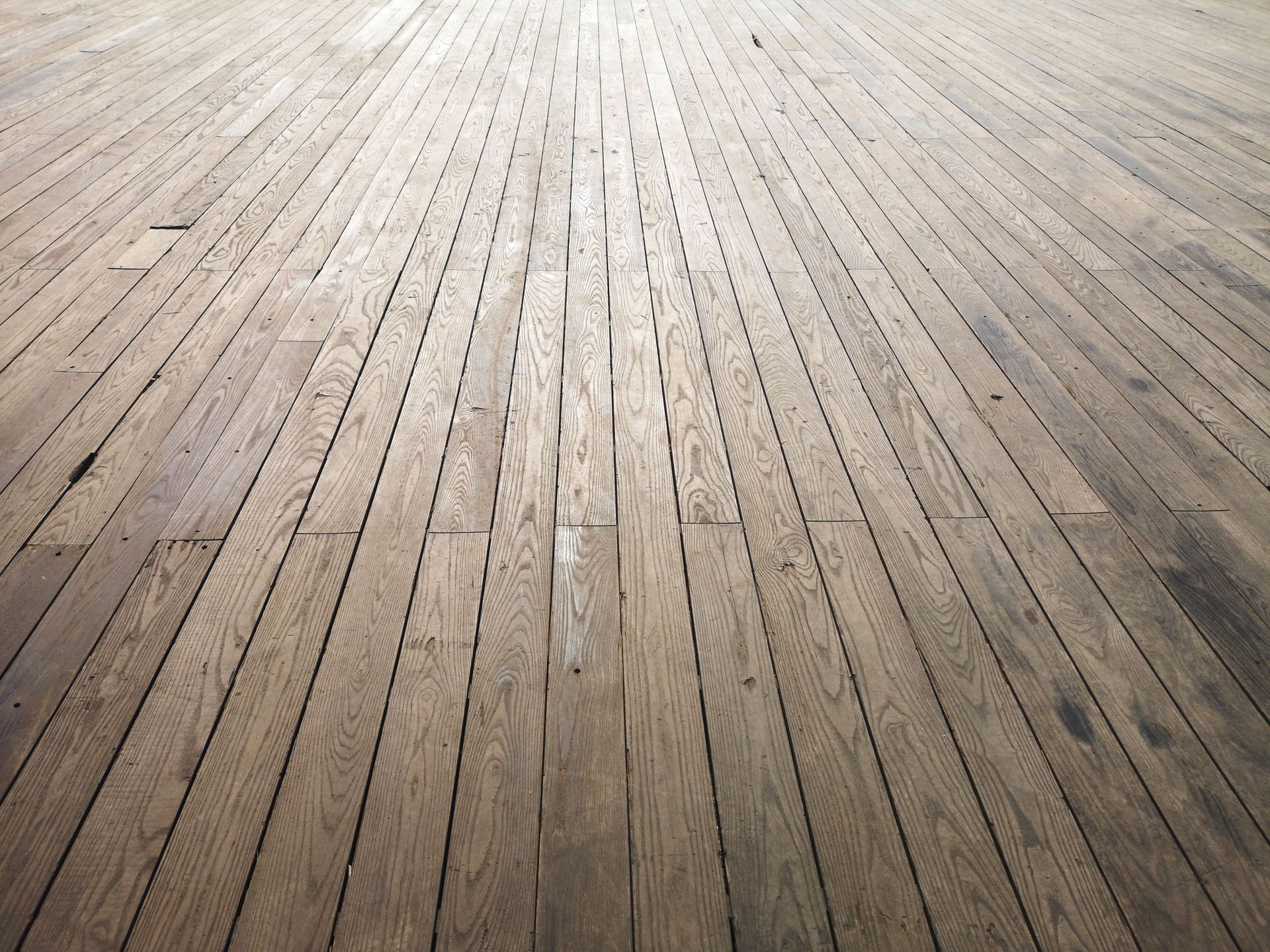
- Watch for scratches, faded spots, or dullness—these are signs your floors might need refinishing soon.
- Refinishing before winter helps stop moisture from getting in and keeps your home feeling warmer.
- Pick a local contractor who knows the area and uses safe, eco-friendly products for hardwood floor refinishing Signal Mountain.
- After refinishing, keep your floors clean and dry, and watch out for salt and snow being tracked inside during winter.
Understanding the Local Climate Impact on Hardwood Floors
Living around Signal Mountain, Lookout Mountain, and Chattanooga means your hardwood floors face some unique weather patterns. The way our climate shifts can really change how wood floors look and feel, sometimes faster than you'd think. Before winter sets in, it's smart for homeowners to know just what their floors deal with year-round.
Temperature Swings in Signal Mountain and Lookout Mountain
If you’ve been here a few seasons, you know how wild the temperature jumps can be. One week it’s mild, and the next, it’s freezing. These swings can cause hardwood planks to expand and contract a lot. Over time, this leads to:
- Gaps forming between floorboards
- Creaking or squeaky areas
- Occasional cupping or buckling in extreme cases
You might not spot the changes day-to-day, but by the end of winter, the difference in your floors can surprise you.
Humidity Challenges Unique to Chattanooga
Chattanooga is known for being a bit more humid, even during colder months. Humidity can seep into wood, upsetting the balance and causing boards to swell or even warp if things get too damp. Here’s what to watch for:
- Sticky-feeling floors, especially near windows or doors
- Edges of boards rising up
- Early finish dullness when humidity lingers
When humidity moves up and down a lot, so does the wood’s moisture. That’s why it’s good to look at refinishing options like dustless sanding and eco-friendly materials that perform better when humidity is an issue.
Seasonal Issues That Affect Hardwood Performance
Winter brings its own set of problems, especially with folks going in and out, tracking snow and salt with them. Besides that, these seasonal problems tend to show up:
- Finish starts wearing off where traffic is heaviest
- Moisture from snow melts can sneak into cracks, deepening any damage
- Dry indoor air from heaters causes some boards to shrink or split
Quick tip: The earlier you handle problem spots before winter, the less hassle you’ll have once things get cold and wet.
Every season brings different stress for hardwood, but winter's mix of dry heat and wet shoes is especially tough. Knowing what to expect makes it easier to prevent trouble early on.
Identifying When Hardwood Floors Need Refinishing
Knowing when your hardwood floors really need to be refinished isn’t always straightforward. Most people start to notice small problems—maybe the floors look dull, or the boards start feeling rough when you walk barefoot. Spotting the early signs can save you money and hassle down the road, especially with another chilly Signal Mountain winter just around the corner.
Signs of Wear and Surface Damage
- Scratches and grooves that catch your fingernail easily
- Dull areas where the finish looks thin or worn away
- Squeaks or creaks more noticeable than before
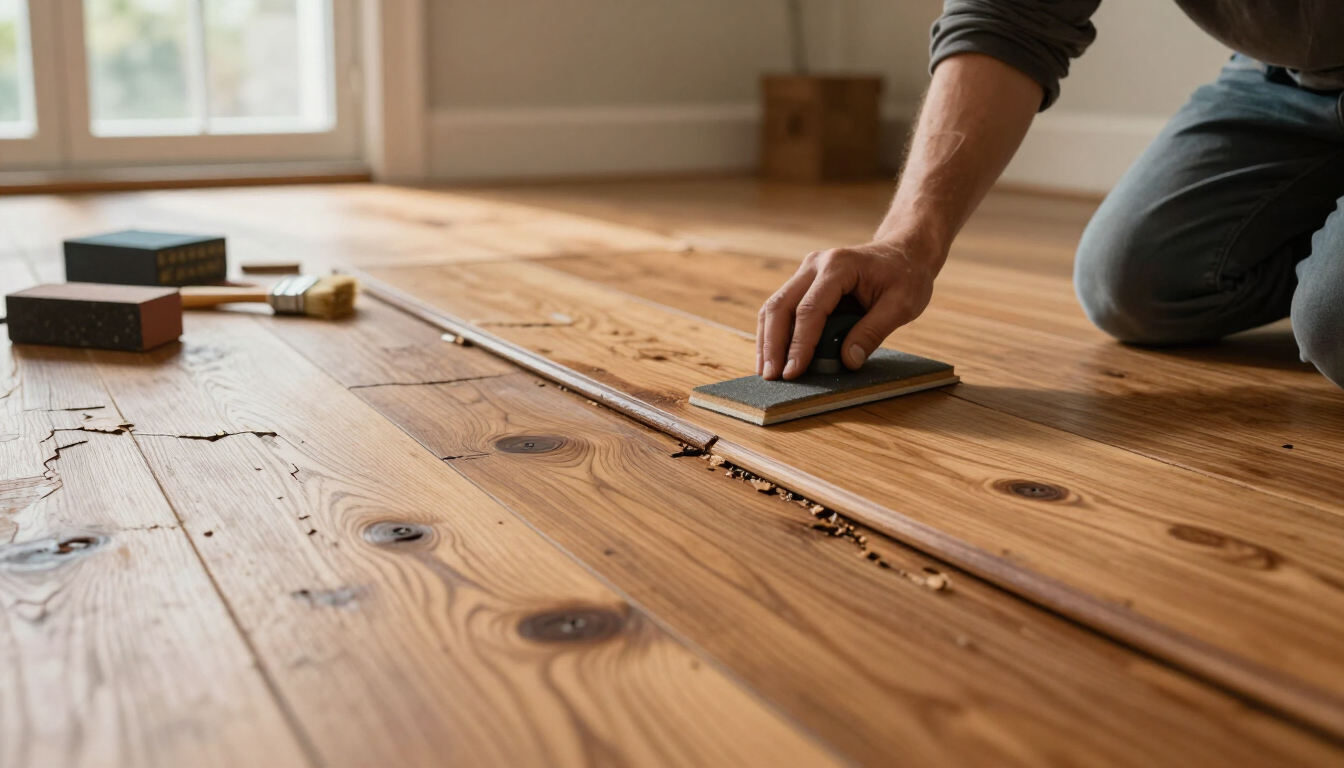
Small dents and scrapes are normal, but if these marks spread across high-traffic spots, that's a red flag. Sometimes, the layers of finish actually wear off completely, leaving raw wood exposed—this is when you’ll want to act fast.
The longer you wait after surface damage appears, the bigger (and more expensive) the repair job becomes.
Discoloration and Sun Fading Issues
- Patches where sunlight has bleached the wood lighter than the rest
- Spots with dark water stains or discoloration
- Odd variations in color along window sills or entryways
Sometimes the color change is so gradual, you’ll hardly notice until you move a rug and see a dramatic difference. If your floors are starting to look like a patchwork of colors, refinishing is a smart move before winter.
Testing for Finish and Water Absorption
Here’s a simple test you can try:
- Place a drop of water on the wood’s surface.
- Wait a few minutes.
- If the drop soaks in and leaves a dark spot, it means the finish is gone and the wood is exposed.
Another clue is if the water bubbles up but then slowly sinks in instead of staying beaded. That’s a reliable signal that your floor needs refinishing sooner rather than later.
Check a few different spots in your home—especially hallways and kitchen areas—to get a full picture of your floors’ condition.
Benefits of Refinishing Hardwood Floors Before Winter
Preventing Damage From Seasonal Moisture
Cold months in Tennessee come with their fair share of wet boots, slush, and sudden weather changes. When hardwood floors aren't in top condition, moisture can sneak into cracks or worn spots, leading to warping or cupping. By refinishing in the fall, you seal up those vulnerable areas and stop water from getting through. Refinishing acts like a new raincoat for your floor—one that stops winter spills and prevents long-term issues.
- Reduces the risk of water soaking into aged or thin finish
- Less chance of mold or mildew forming under floorboards
- Keeps winter messes easier to wipe up and less likely to stain
If you wait until spring, any winter water damage might already be done, causing work and expense that's easy to avoid now.
Enhancing Home Warmth and Comfort
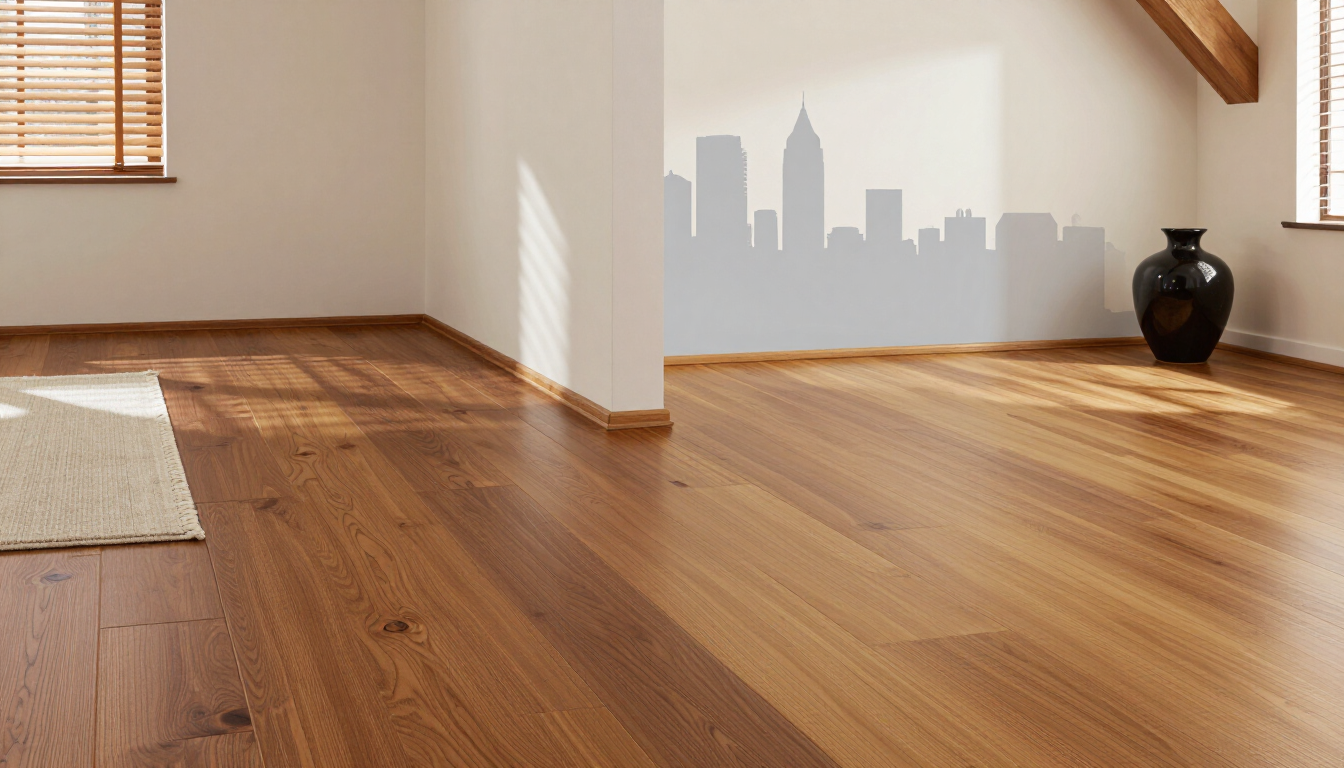
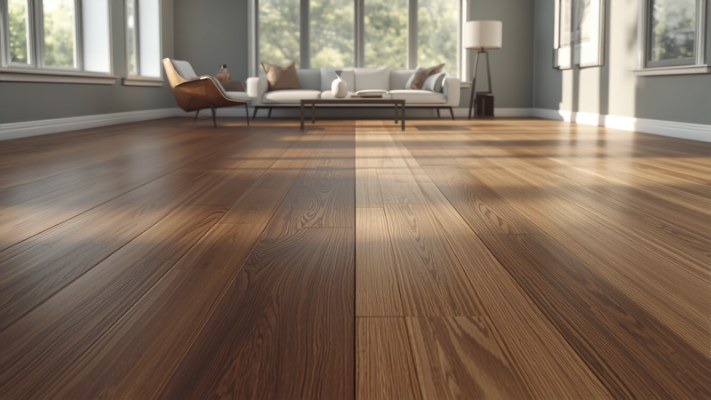
Newly refinished hardwood doesn't just look better—it also makes your floors feel warmer. Untreated wood or floors with worn spots let cold air sneak in. Once your finish is fresh, you'll actually notice the floors stay less chilly, especially on those brisk mornings. When your family comes home during winter, they'll appreciate both the cozy look and the comfort underfoot.
- Smoother floors help maintain room temperature
- No more drafts creeping through surface cracks
- Easy to add rugs without worrying about snags or rough patches
Improving Indoor Air Quality During Colder Months
Shut windows and doors for winter, and suddenly the inside air becomes important. Dust, allergens, and old finish particles can hang around if your floors are in rough shape. When you regularly clean refinished hardwood, debris doesn't get trapped as easily, which means less dust floating in your living space. And with modern, low-odor finishing products—especially if you request eco-friendlier options—your home's air can feel noticeably fresher.
- Fewer places for dust and irritants to hide and gather
- Reduced odors from old finish or hidden spills
- Better for anyone in the home who has sensitivities or spring allergies
Winter's a long season, so starting it with solid, safe, and clean floors really sets a healthy tone until the weather warms up again.
Choosing the Right Hardwood Floor Refinishing Services in Signal Mountain
If you want your hardwood floors to last, choosing the right refinishing service in Signal Mountain can make all the difference. There are several things to keep in mind before you settle on a contractor, especially with winter coming up fast.
Qualities to Look For in a Local Contractor
- Experience with local homes and climate effects is really important. Someone who's handled floors in Signal Mountain or even nearby towns knows how our wild temperature swings and humidity can affect wood.
- Ask about their process, including what kind of prep they do and what products they use. Transparent contractors explain these details up front.
- Check reviews and try to gauge their reputation—sometimes word-of-mouth does beat flashy ads.
Before I hired anyone for my own refinishing job last fall, I talked to three different contractors. I noticed the best ones took time to answer my questions and didn’t rush the estimate.
Comparing Service Options in the Area
Signal Mountain and the surrounding region have several floor pros, but not all are right for your specific needs. Here’s what to compare:
- Range of services: Some offer only sanding and sealing, while others might provide repairs or color changes too.
- Turnaround time: Does their schedule fit your plans? Refinishing just before winter means you need someone who can start soon.
- Budget: Prices can vary widely, so get a few estimates and make sure you understand what’s included. Sometimes, you find nearby teams, like home improvement services in Cleveland, Tennessee, that will travel for big enough jobs.
Ensuring Eco-Friendly and Safe Refinishing Practices
Modern refinishing can be safer for your home, pets, and family, especially during cold seasons when you’ll be indoors more.
- Look for contractors who use low-VOC or water-based finishes as these tend to off-gas less and are less smelly.
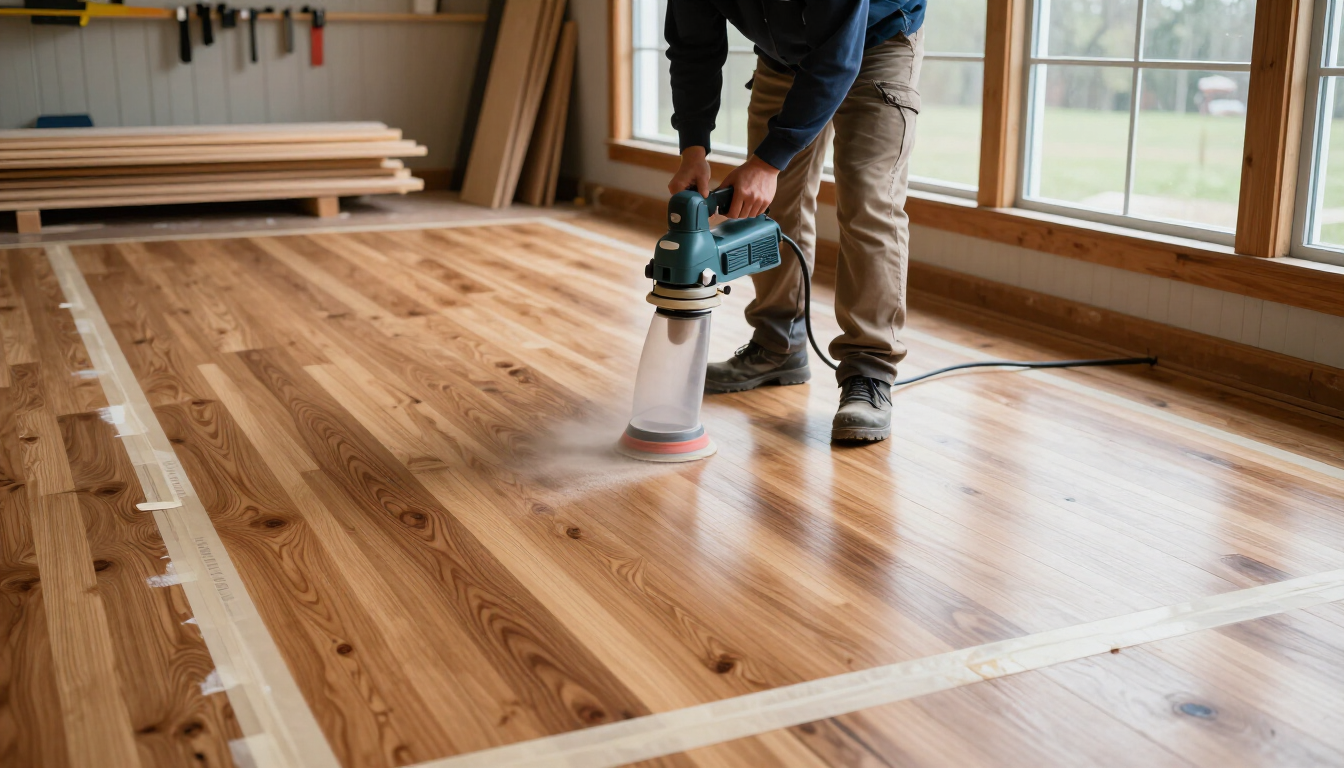
- Check if they offer dustless sanding methods to cut down on airborne dust.
- Ask about proper cleanup and how they handle old finish disposal—this matters for both health and environmental reasons.
Swapping stories with neighbors or combing through local forums can sometimes turn up a hidden gem among contractors. Don’t be afraid to ask specific questions. A dependable team doesn’t mind explaining their methods or helping you understand what will happen in your home.
Preparing Your Home for Winter Floor Refinishing
Getting ready to refinish your hardwood floors before winter isn't something you can just rush into. It's a little like prepping for a family move—there are steps, and things get messy fast if you skip one. Proper prep makes the entire job less stressful, plus it helps keep your floors and your stuff safe once it starts. Let's walk through exactly what you need to do.
Clearing and Protecting Household Items
The first big chore is clearing out the room. It's more than just moving a chair or two—you have to think about furniture, rugs, electronics, and anything that might catch dust. Give yourself enough time, so you’re not stuck shoving everything into the nearest hallway at the last minute.
- Move all furniture out, including bulky couches and bookshelves.
- Take down curtains and wall hangings that could collect dust or get in the way.
- Cover nearby items that can’t be moved with plastic sheeting—don’t trust old bedsheets to do the job.
Taking time to move everything now keeps you from dealing with a lot of headaches later. Dust from sanding gets everywhere—better safe than sorry.
Managing Ventilation and Dust Control
There’s no way around it—refinishing floors makes a mess. Especially in winter when you don’t want doors and windows wide open. Keeping your air clear means having a plan:
- Close off the work area with plastic barriers if you can. It limits dust hurricane-style drift.
- Open a few windows (even just cracked a bit) for airflow, but keep in mind the outside temps.
- Check your HVAC—cover vents and turn off the system if possible, to avoid spreading dust all through the house.
- If you want to go the extra mile, try box fans set in windows blowing OUT to suck dust away.
Scheduling at the Optimal Time Before Cold Weather Hits
Timing matters way more than most people think. You have to beat the colder months so your finish sets right—wood and stains react differently when it’s chilly or damp out. Best way is to plan a few weeks ahead of true winter. That way, there's enough time for the finish to dry without being rushed by dropping temps or a surprise frost.
When finalizing your schedule, consider:
- Local weather forecasts (watch for cold snaps)
- Your contractor’s availability (the good folks book up fast)
- Any other home projects—sometimes, refinishing lines up well with energy efficiency upgrades like shade trees or window treatments, which can also help your house stay warm and cut energy costs (applying window treatments).
Mess up the timing, and you're looking at floors that don't cure fully or finishes that come out sticky. Better to sacrifice a weekend now than deal with regrets all winter.
Maintenance Tips for Newly Refinished Hardwood Floors During Winter
Cleaning Procedures for Winter Months
When winter hits Signal Mountain or Chattanooga, you’ll notice more dust, grit, and grime making its way inside. Use a soft, microfiber mop or vacuum (with a hardwood attachment) every few days to keep dirt from scratching up your new finish. Avoid wet mops; excess water can seep in and ruin all your hard work. If something spills, wipe it up right away. Spots like salt or ice melt residues? A damp, well-wrung cloth with a touch of floor cleaner is safe—just don’t drench the wood.
- Sweep or vacuum floors 2-3 times a week
- Use entry mats at every door
- Mop only with products approved for hardwood
For the best shine, stick to gentle routines, and don’t let grit stay trapped—those little rocks can do a lot of damage in just a few weeks if ignored.
Managing Indoor Humidity and Temperature
Hardwood hates extremes. Winters can bring dry, heated air inside that pulls moisture out of your floors, making them shrink or even crack. Try to keep indoor humidity around 40%-60%. Humidifiers work wonders in older mountain homes or drafty rooms. It’s also a good idea to keep the thermostat steady—big temperature changes stress your floors out.
- Run a humidifier if you see gaps or creaks
- Keep heat between 65-70°F
- Check for drafts and seal up gaps near doors and windows
Refinished surfaces may need a few weeks to fully cure, so keep an eye on moisture near windows after storms, especially during those cold, humid months.
Protecting Against Snow, Salt, and Moisture Entry
Getting in and out in winter means boots dragging in slush, road salt, and more. Lay down sturdy mats both inside and outside each entrance. Ask guests to leave shoes at the door, especially during snowy spells. If you use ice melt, try to sweep or vacuum the grit right away because it can scratch and dull that fresh finish in no time.
- Place rugs or runners in high-traffic spots
- Keep a shoe tray right by the entry
- Wipe up any puddles near doors promptly
Small changes—like a mat and a good indoor routine—help your hardwood stay sharp and keep winter problems to a minimum.
Taking care of your newly refinished hardwood floors in the winter isn’t hard, but it does take some extra steps. Keep doors closed and use mats to stop snow and dirt from getting inside. Also, avoid using too much water when you clean. Want more tips to help your floors last longer? Visit our website now for helpful guides and expert advice!
Wrapping Up
So, if you’re thinking about refinishing anything around your house before winter hits here in Signal Mountain, Lookout Mountain, or Chattanooga, now’s the time to get started. Waiting until it gets cold or wet just makes everything harder, trust me. A little work now can save you a lot of headaches later—no one wants to deal with peeling paint or worn-out floors when it’s freezing outside. If you’re not sure where to start, maybe ask a neighbor or call a local pro. Either way, getting things done before winter rolls in will help your home look better and feel more comfortable all season long.
Frequently Asked Questions
How do I know if my hardwood floors need to be refinished before winter?
Look for scratches, dull spots, and areas where the color has faded. If water soaks into the wood instead of beading up, your floors might need refinishing soon.
Why is it better to refinish hardwood floors before winter arrives?
Refinishing before winter helps protect your floors from moisture and cold weather damage. It also keeps your home warmer and cleaner during the colder months.
What should I do to get my house ready for floor refinishing?
Move furniture and rugs out of the rooms where the work will be done. Cover anything left behind to keep it safe from dust, and make sure there’s good ventilation.
How can I keep my floors looking good after they’re refinished in winter?
Clean them often with a soft broom or mop. Try to keep the indoor air not too dry or too wet, and wipe up any snow or water that gets tracked in right away.
What makes a good hardwood floor refinishing company in Signal Mountain or Chattanooga?
Look for a company with good reviews, local experience, and safe, eco-friendly products. Make sure they explain their process and answer your questions clearly.
Is it safe to stay in my house during the refinishing process?
Usually, yes, but it’s best to ask your contractor. Some finishes have strong smells, so you might need to stay out of certain rooms or keep windows open for fresh air.